Blog

  • Sauna for Athletes: Enhancing Recovery and Performance

    Sauna for Athletes: Enhancing Recovery and Performance

    The first CrossFit class I walked into, I couldn’t do a single strict pull-up and I finished dead last in the workout — that was the most educational hour of my fitness life, because it taught me that the athletes winning weren’t just training harder, they were recovering smarter. I started obsessing over every edge I could find: sleep, nutrition, mobility work, and eventually, something that felt almost too simple to be legitimate — the sauna. What looked like a luxury reserved for spa days turned out to be one of the most powerful recovery and performance tools I’ve ever used, and the science behind it is anything but casual. Strategic heat exposure can help athletes bounce back faster from brutal sessions, build greater physiological resilience, and show up stronger for the next challenge. This ancient practice has finally caught up with modern research, and once I understood how to use it correctly, it changed the way I approach training entirely.

    What I Recommend

    If you’re doing any light stretching or mobility work before or after sauna sessions, heat-resistant resistance bands are essential. Regular bands will degrade in high temperatures, but these are specifically designed to hold up in sauna environments. They’re perfect for gentle activation work when your body is warm and ready to move.

    A quality heat-resistant exercise mat transforms your sauna experience if you’re doing any floor work or stretching routines. I use one to keep my body off the hot benches during mobility sessions, and it’s durable enough to withstand repeated sauna use without breaking down. It’s a small investment that adds serious comfort and longevity to your routine.

    Hydration is non-negotiable during and after sauna sessions, which is why I keep an insulated stainless steel water bottle within arm’s reach. It keeps your water cold and accessible, which makes it way easier to drink consistently and maintain proper fluid intake while you’re heating up. The insulation means you’re not wasting ice trying to keep lukewarm water palatable.

    During heavy sauna use, you’re losing significant electrolytes through sweat—plain water isn’t enough. An electrolyte powder hydration supplement replaces sodium, potassium, and magnesium lost during sessions, which accelerates recovery and prevents cramping. I mix mine into my water bottle and notice a measurable difference in how I feel post-sauna.

    You need a reliable towel that dries fast and handles the heat without falling apart. Microfiber quick-drying sauna towels are specifically engineered for this job—they absorb sweat efficiently, dry in minutes, and last forever. I keep one dedicated just for sauna use because standard towels simply don’t cut it in these conditions.

    If you’re serious about tracking how sauna use affects your cardiovascular system, a waterproof chest strap heart rate monitor gives you real data on your heart rate response to heat exposure. This lets you monitor intensity safely and see how your cardiovascular fitness improves over time. It’s the only way to objectively measure what’s actually happening physiologically during your sessions.

    For athletes who can’t access a traditional sauna regularly, an infrared sauna blanket offers a practical alternative you can use at home. It delivers similar thermal stress and recovery benefits in a more portable format, which is huge if you travel or train at odd hours. I’ve used one during heavy training blocks and it genuinely helps with soreness and inflammation.

    Post-sauna cooling is just as important as the heat exposure itself, and a cooling towel for exercise recovery speeds up your body’s return to baseline temperature safely. It prevents the uncomfortable residual overheating that can linger after intense sauna sessions and helps your parasympathetic nervous system kick in faster for recovery.

    Sauna sessions accelerate recovery, and pairing them with a foam roller for exercise recovery amplifies the effect even more. The heat makes your muscle tissue more pliable, so foam rolling after a sauna session is far more effective at breaking up tension and improving mobility. It’s one of my favorite recovery stacking strategies.

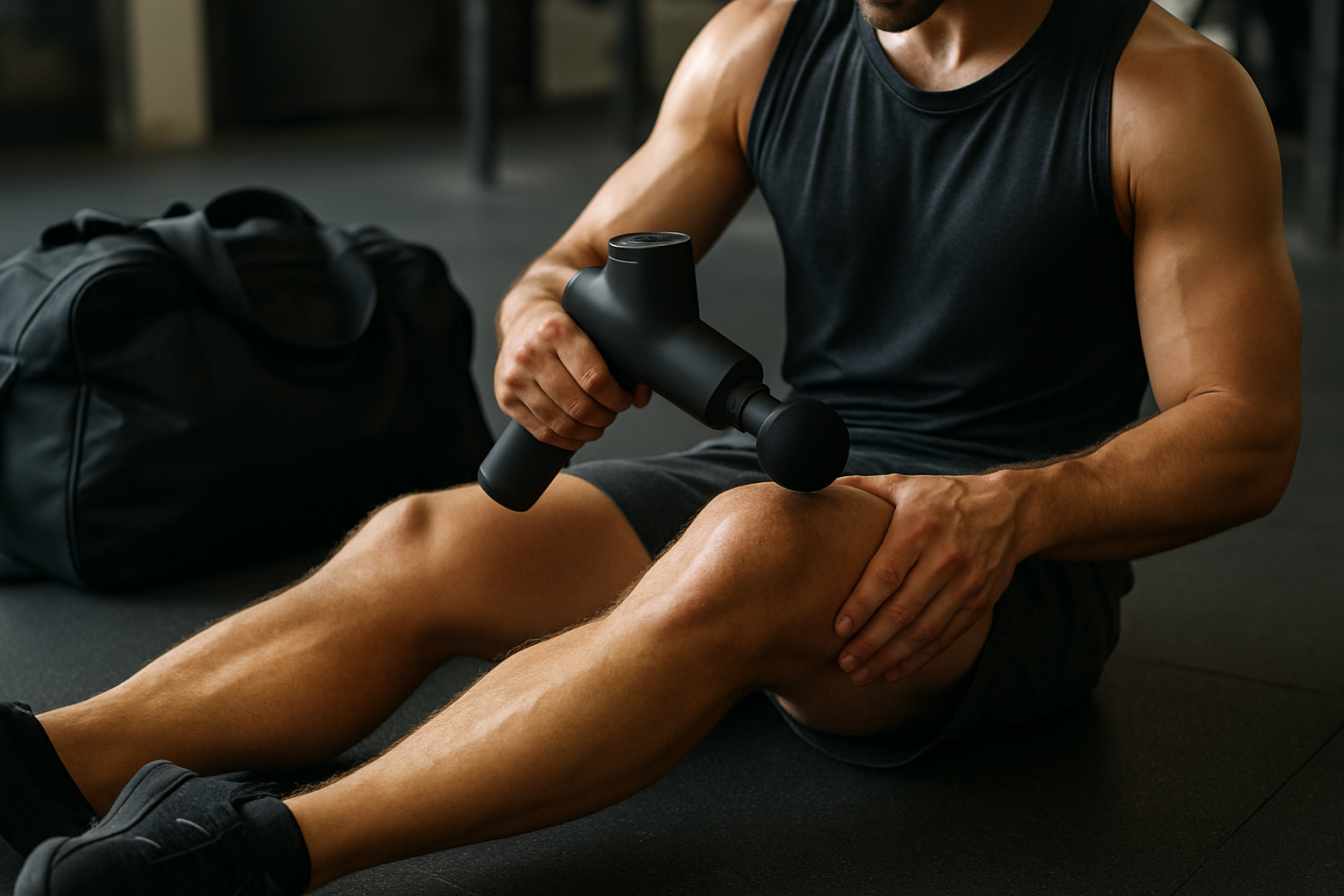
    A massage gun with percussion therapy is another excellent complement to sauna recovery work. The heat from your session makes muscle tissue more receptive to this kind of deep tissue stimulation, so using one post-sauna gets deeper penetration and faster tissue adaptation. I use mine 10-15 minutes after cooling down to accelerate blood flow and reduce soreness.

    To track the full recovery picture—how sauna use impacts your resting heart rate, sleep quality, and overall readiness—a fitness tracker smartwatch with heart rate monitoring gives you actionable data. This takes the guesswork out of recovery and shows you exactly how sauna sessions influence your training capacity day-to-day. The trends reveal whether you’re actually recovering better or just feeling like it.

    If you incorporate stretching or yoga into your post-sauna routine, yoga blocks and props make it more comfortable and effective when your body is heated and more mobile. The support lets you hold deeper stretches without strain, and the heat from your sauna session means you can access ranges of motion you normally couldn’t. It’s a legitimate edge for mobility work.

    Before you jump into sauna training full-time, grab a solid sauna workout guide book to understand best practices, programming, and safety protocols. Having a reference resource prevents the rookie mistakes that waste time and reduce results—it’s worth the small investment to get sauna use dialed in from day one.

    Safety starts with proper footwear, and non-slip sauna slippers prevent burns and slips on wet, hot surfaces. Bare feet or regular shoes don’t cut it—these are designed specifically for sauna floors and protect your skin while maintaining your grip. It’s a small detail that makes a real difference in comfort and injury prevention.

    As an Amazon Associate, I earn from qualifying purchases.

    A fit athlete sits peacefully in a sleek modern sauna with warm wood paneling and soft ambient lighting. The person appears relaxed and meditative, with a calm expression and towel draped around their shoulders, steam gently rising in the background. The sauna features clean geometric lines, natural

    The Science of Heat: How Saunas Impact an Athlete’s Body

    When you step into a sauna, your body immediately responds to the intense heat. Your heart rate increases, pumping more blood to your skin to help regulate temperature. This process mimics the effects of moderate cardiovascular exercise. Consequently, this increased circulation delivers more oxygen and nutrients to tired muscles, which is crucial for repair. Furthermore, your body begins to produce what are known as heat shock proteins (HSPs). These specialized proteins help protect your cells from heat-related stress and play a vital role in repairing damaged proteins within your muscles. Think of them as an internal repair crew that gets activated by heat, helping your body recover at a cellular level.

    This physiological response is central to the sauna’s benefits for athletes. The improved blood flow helps flush out metabolic byproducts like lactate, which contributes to muscle fatigue. Meanwhile, the activation of HSPs supports muscle integrity and reduces inflammation. Therefore, a session in the sauna is not passive relaxation; it is an active recovery process that prepares your body for the next demanding training session. Understanding these mechanisms helps athletes use heat therapy more effectively.

    Accelerating Post-Workout Recovery

    One of the most celebrated benefits of sauna use for athletes is its impact on recovery. Intense training causes microscopic tears in muscle fibers, leading to soreness and inflammation. Proper recovery allows these fibers to rebuild stronger than before. Saunas can significantly speed up this process. The enhanced blood flow, as mentioned earlier, is a key factor. It efficiently clears metabolic waste from muscle tissue while delivering the necessary resources for repair. This helps alleviate the delayed onset muscle soreness (DOMS) that often follows a tough workout. As a result, athletes may feel less stiff and more prepared for their next session.

    Boosting Human Growth Hormone

    Beyond simple muscle repair, heat stress from saunas can also influence hormonal responses. Source Specifically, research has shown a powerful connection between sauna use and the release of Human Growth Hormone (HGH). HGH is essential for muscle growth, tissue repair, and overall recovery. Certain sauna protocols have been found to dramatically increase HGH levels. . This hormonal boost provides a substantial advantage, accelerating the body’s natural repair cycles and promoting lean muscle mass preservation.

    Enhancing Athletic Performance

    Sauna bathing does more than just aid recovery; it can also directly improve performance metrics. A key mechanism for this is improved cardiovascular efficiency. Regular sauna use can increase plasma volume and red blood cell count. This adaptation means your blood can carry more oxygen and better regulate core body temperature during exercise. Consequently, your heart doesn’t have to work as hard to supply your muscles with the oxygen they need. This leads to improved endurance and a lower heart rate during submaximal exercise, allowing you to sustain effort for longer periods.

    Additionally, consistent sauna use helps athletes become heat-acclimated. The body becomes more efficient at sweating and maintaining a stable core temperature when exposed to heat. This is a massive advantage for anyone competing in hot climates. An athlete who is heat-acclimated will experience less cardiovascular strain and a lower risk of heat-related illness during competition. Therefore, integrating sauna sessions into a training regimen can be a strategic way to prepare for events held in challenging environmental conditions.

    A fit athletic person running on a scenic mountain trail during golden hour, their face showing determination and focus as they stride forward with perfect form. The warm sunlight creates a dramatic backlit silhouette, casting long shadows on the dirt path while highlighting the runner's strong post

    Practical Sauna Protocols for Athletes

    To maximize benefits, athletes should follow specific protocols rather than using the sauna randomly. Timing, duration, and hydration are all critical components of an effective sauna strategy.

    When to Use the Sauna

    The ideal time for a sauna session is after your workout. Post-exercise, your muscles are primed for the increased blood flow and nutrient delivery that heat provides. Using a sauna before a workout can cause dehydration and fatigue, which may impair your performance and increase injury risk. On rest days, a sauna session can also be beneficial for promoting relaxation and continued recovery without adding training stress.

    Optimal Temperature and Duration For most athletes, a [sauna temperature](https://pubmed.ncbi.nlm.nih.gov/31915060/) between 175-195°F (80-90°C) is effective. Start with shorter sessions of 10-15 minutes to allow your body to adapt. You can gradually increase the duration to 20-30 minutes as you become more comfortable. It is often more beneficial to do multiple shorter sessions with cool-down breaks in between rather than one prolonged session. Always listen to your body and exit immediately if you feel dizzy, lightheaded, or unwell.

    Hydration is Non-Negotiable Saunas cause significant fluid loss through sweating. Therefore, proper hydration is absolutely essential. Drink plenty of water throughout the day leading up to your session. It is also wise to drink 16-20 ounces of water afterward to replenish lost fluids. Consider adding [electrolytes](https://www.acsm.org) to your water, as you lose important minerals like sodium and potassium through sweat. Dehydration can negate the benefits of the sauna and poses serious health risks.

    Conclusion: A Powerful Tool for the Modern Athlete

    In summary, the sauna is much more than a place to relax. For athletes, it is a powerful tool that can accelerate recovery, enhance endurance, and provide a competitive edge. By increasing blood flow, boosting growth hormone, and improving heat acclimation, sauna bathing directly supports the physiological demands of intense training. However, it is crucial to approach sauna use with a clear strategy. By timing sessions correctly, managing duration and temperature, and prioritizing hydration, athletes can safely unlock these remarkable benefits. Integrating a consistent sauna routine can be a game-changing addition to any serious training program.

  • Sauna and Detoxification: Separating Fact from Fiction

    Sauna and Detoxification: Separating Fact from Fiction

    For about three years in my early twenties, pickup basketball on Sunday afternoons was my main form of exercise — and trying to keep up with guys ten years younger forced me to actually learn how training works. That curiosity led me down a lot of rabbit holes, including the popular idea that sitting in a sauna after a hard session could help your body purge toxins and speed up recovery. The claim always sounded compelling, especially after a brutal game when I was desperate for any edge I could find. But the more I dug into the science, the more I realized the concept of detoxification is one of the most misunderstood ideas in the wellness world. So let’s take an honest look at how your body actually handles toxins — and what role, if any, a sauna genuinely plays in that process.

    As an Amazon Associate, I earn from qualifying purchases.

    A tranquil modern sauna interior featuring warm, honey-colored wooden benches arranged in tiers against smooth timber walls. Soft, ambient lighting casts a gentle glow throughout the space, creating peaceful shadows and highlighting the natural wood grain textures. Steam gently rises in the air, cre

    Understanding Your Body’s Natural Detox System

    Before we discuss saunas, we must first understand detoxification. Your body has a highly efficient, built-in system for filtering waste. This system works around the clock to keep you healthy. It doesn’t require special sessions in a hot room to function. The primary organs responsible for this incredible task are your liver and kidneys.

    Your liver is the main detoxification powerhouse. It acts like a sophisticated filter, identifying harmful substances in your blood. Then, it converts them into water-soluble compounds. Subsequently, your body can easily eliminate these compounds. The kidneys also play a crucial role. They filter your blood, remove waste products, and excrete them through urine. Together, these organs handle the vast majority of detoxification, neutralizing everything from environmental pollutants to metabolic byproducts.

    What’s Really in Your Sweat?

    Sweating is your body’s primary way to cool down. When your internal temperature rises, your sweat glands release a fluid onto your skin. This fluid evaporates, which helps lower your body temperature. But what is this fluid made of? Sweat consists almost entirely of water. Specifically, it is about 99% water.

    The remaining 1% contains small amounts of other substances. Source These include electrolytes like sodium, potassium, and chloride. You can also find trace amounts of urea, lactate, and ammonia. While sweat can contain minuscule levels of heavy metals and other environmental toxins like BPA, the concentration is incredibly low. The primary exit route for these harmful compounds is not your skin. Your liver and kidneys do the heavy lifting, eliminating them through urine and feces. Indeed, research shows that sweat is not a significant pathway for eliminating toxins from the body .

    The Myth of Sweating Out Toxins

    The Science Behind Sweat: What Really Happens During Sauna Sessions

    When examining the physiological mechanisms of thermoregulation during sauna exposure, it becomes clear that sweat production serves primarily as a cooling mechanism rather than a toxin elimination system. Your body’s eccrine glands respond to elevated core temperature by releasing a fluid composition that is approximately 99% water, with minimal concentrations of metabolic waste products.

    Breaking Down Sweat Composition: The Reality Check

    Research consistently demonstrates that human sweat contains:

    • Water: 99-99.5% of total volume
    • Electrolytes: Primarily sodium chloride (salt)
    • Trace minerals: Potassium, magnesium, calcium in minimal amounts
    • Metabolic byproducts: Less than 1% of total composition

    The concentration of actual toxins or heavy metals in sweat remains so low that it’s physiologically insignificant. Chromium, nickel, copper, and other heavy metals appear in sweat at concentrations measured in parts per billion – essentially negligible amounts that pale in comparison to your body’s primary detoxification pathways.

    Your Body’s True Detox Champions: Organs That Actually Work

    While you’re sitting in that 180°F sauna environment, your liver and kidneys are performing the heavy lifting of toxin removal:

    Liver Function During Heat Exposure:

    • Processes approximately 1.5 liters of blood per minute
    • Metabolizes toxins through Phase I and Phase II detoxification pathways
    • Converts fat-soluble toxins into water-soluble compounds for elimination
    • Maintains this efficiency even during heat stress

    Kidney Performance:

    • Filters roughly 120-150 liters of blood daily
    • Removes urea, creatinine, and other metabolic waste products
    • Eliminates heavy metals at rates thousands of times more efficient than sweat
    • Continues optimal function regardless of sauna session duration

    The Mathematics of Inefficiency: Time vs. Results

    Consider this practical comparison for lead elimination:

    1. Kidney filtration: Removes approximately 95% of blood lead in a single pass
    2. Sweat elimination: Contains 0.1-1.0 micrograms per liter of lead
    3. Time requirement: You would need to produce roughly 100-200 liters of sweat to match what your kidneys eliminate in 30 minutes

    This translates to 40-80 hours of continuous high-intensity sauna sessions – a physiologically impossible and dangerous scenario that would result in severe dehydration and electrolyte imbalances long before achieving meaningful detoxification.

    Performance Implications: What Saunas Actually Deliver

    Instead of chasing mythical detox benefits, focus on sauna’s evidence-based performance advantages:

    Cardiovascular Adaptations: – Increased heart rate variability through heat shock protein activation – Enhanced plasma volume expansion supporting endurance performance – Improved thermoregulatory efficiency for hot weather training

    Recovery Enhancement:

    • Reduced delayed onset muscle soreness (DOMS) through increased blood flow
    • Accelerated metabolic waste clearance via improved circulation
    • Enhanced parasympathetic nervous system activation for better sleep quality

    Training Adaptation Support:

    • Heat acclimation protocols for athletes competing in warm climates
    • Increased growth hormone release supporting muscle protein synthesis
    • Improved insulin sensitivity benefiting nutrient uptake and recovery

    Smart Integration: Using Saunas Effectively in Your Training Program

    Rather than viewing saunas as detox tools, incorporate them strategically:

    • Post-workout sessions: 15-20 minutes following strength training to enhance recovery
    • Heat acclimation blocks: 3-4 sessions weekly for 2-3 weeks before hot weather competitions
    • Active recovery days: Combine with light stretching or mobility work
    • Sleep optimization: Evening sessions 2-3 hours before bedtime to promote deeper sleep

    The bottom line: your body’s natural detoxification systems operate with remarkable efficiency without requiring external heat intervention. Focus on supporting these systems through proper hydration, nutrition, and sleep rather than seeking shortcuts through sweat-based myths.

    Furthermore, focusing too much on sweating can be counterproductive. Excessive sweating without proper hydration can strain your kidneys. This actually hinders your body’s primary detox system. Therefore, it is vital to support your liver and kidneys through a healthy diet, regular exercise, and adequate hydration. These habits provide a far more effective detoxification strategy than sitting in a sauna.

    The Real, Science-Backed Benefits of Saunas

    While saunas may not be the detox machines they are claimed to be, they offer numerous other fantastic health benefits. These advantages are supported by scientific research and can significantly improve your overall well-being. So, you should definitely still consider incorporating sauna sessions into your routine.

    A serene person sitting peacefully in a wooden sauna room, with warm ambient lighting casting gentle shadows on cedar-planked walls. Steam rises softly in the background, creating a misty atmosphere. The individual appears completely relaxed with closed eyes and a tranquil expression, wearing a whit

    Improved Cardiovascular Health

    Regular sauna use can have a positive impact on your heart. The heat causes your heart rate to increase and your blood vessels to widen. This process, known as vasodilation, improves circulation and can lower blood pressure over time. In fact, some studies compare the cardiovascular effects of a sauna session to those of moderate-intensity exercise. This makes it a great complementary activity for heart health.

    Stress Reduction and Relaxation

    The Science Behind Sauna-Induced Relaxation

    The physiological mechanisms that create sauna’s profound relaxation effects extend far beyond simple heat exposure. When your body encounters temperatures between 165-195°F (74-90°C), it triggers a cascade of neurological and hormonal responses that directly impact your training recovery and stress management.

    Nervous System Adaptation and Recovery

    The sauna environment creates what exercise physiologists call “controlled thermal stress,” which activates your parasympathetic nervous system – the body’s primary recovery mechanism. This shift is crucial for athletes and fitness enthusiasts because:

    • Heart rate variability improves within 10-15 minutes of heat exposure
    • Cortisol levels decrease by up to 23% during regular sauna use
    • Muscle tension releases as heat increases blood flow to tight areas like the trapezius, rhomboids, and lower back muscles

    Endorphin Release and Exercise Performance

    The heat-induced endorphin response mirrors what occurs during high-intensity training, but without the physical stress on your musculoskeletal system. Research shows that sauna sessions can:

    1. Increase beta-endorphin levels by 86% after just 20 minutes
    2. Enhance pain tolerance – beneficial for pushing through challenging workouts
    3. Improve mood regulation similar to moderate aerobic exercise

    Strategic Timing for Maximum Training Benefits

    Post-Workout Recovery Protocol:

    • Enter sauna 15-20 minutes after training when core temperature is already elevated
    • Spend 12-20 minutes in heat to maximize growth hormone release
    • Follow with cold shower or ice bath for enhanced recovery adaptation

    Pre-Sleep Optimization: – Schedule sauna sessions 2-3 hours before bedtime for optimal sleep quality – The natural temperature drop after leaving the sauna mimics your body’s circadian rhythm cooling patternDeep sleep phases increase by 13-16% with regular evening sauna use

    Stress Hormone Regulation for Better Training

    Chronic stress elevates cortisol levels, which can impair muscle protein synthesis and slow recovery. Sauna therapy acts as a hormetic stressor – providing beneficial stress that strengthens your body’s adaptive capacity:

    • Reduces baseline cortisol by 20-30% with consistent use
    • Improves stress resilience similar to progressive overload training principles
    • Enhances recovery between high-intensity training sessions

    This thermal conditioning creates a powerful tool for managing the physical and mental demands of consistent exercise programming.

    Pain and Muscle Soreness Relief

    Beyond immediate comfort, the physiological mechanisms at play during and after a sauna session offer a profound advantage for athletic recovery and overall physical well-being.

    Here’s a deeper dive into how sauna use can amplify your fitness journey:

    Accelerating Muscle Recovery and Reducing DOMS

    The enhanced blood flow isn’t just a general increase; it’s a targeted delivery system and waste removal service for your hard-working muscles.

    • Optimized Nutrient Delivery: Intense exercise, especially strength training or high-intensity interval training (HIIT), causes microscopic tears in muscle fibers. To repair and rebuild stronger, these muscles require a rapid supply of oxygen, amino acids (the building blocks of protein), and glucose for energy. The vasodilation (widening of blood vessels) induced by heat significantly increases the rate at which these vital nutrients reach the damaged tissues, facilitating faster cellular repair and regeneration.
    • Efficient Metabolic Waste Removal: Workouts also produce metabolic byproducts like lactic acid (more accurately, hydrogen ions and lactate), which contribute to muscle fatigue and delayed onset muscle soreness (DOMS). Increased circulation helps flush these inflammatory compounds and waste products from the muscle tissues more rapidly. By clearing these irritants, the sauna effectively shortens the duration and reduces the intensity of DOMS, allowing for quicker return to training.
    • Mitochondrial Biogenesis & Heat Shock Proteins: Regular sauna use can also stimulate the production of heat shock proteins (HSPs), which play a crucial role in protein folding, preventing protein damage, and aiding in cellular repair. Some research also suggests a potential link between heat exposure and mitochondrial biogenesis, leading to more efficient energy production within muscle cells, further enhancing recovery and endurance capacity over time.

    Enhancing Muscle Relaxation and Joint Mobility

    The soothing warmth penetrates deep, influencing both your muscular and nervous systems.

    • Neuromuscular Relaxation: Heat directly impacts the neuromuscular junction, helping to relax overly tense muscle fibers. This reduces the activity of muscle spindles, which are sensory receptors that detect changes in muscle length and contribute to muscle tone. By mitigating excessive muscle tension, the sauna helps alleviate the stiffness that often follows demanding workouts like heavy compound lifts (e.g., deadlifts, squats) or prolonged endurance activities.
    • Increased Connective Tissue Elasticity: Beyond muscle fibers, heat also affects the collagenous connective tissues – your fascia, tendons, and ligaments. Warming these tissues makes them more pliable and elastic. This increased elasticity is crucial for improving range of motion (ROM), reducing stiffness, and allowing for greater flexibility. For athletes, this translates to:
    • Deeper Squats: Improved hip and ankle mobility allows for a greater depth, engaging more muscle fibers and enhancing strength gains.
    • Overhead Mobility: Better flexibility in the shoulder girdle and thoracic spine can improve form during overhead presses or snatches, reducing injury risk.
    • Reduced Risk of Injury: By improving the extensibility of muscles and connective tissues, a post-sauna stretch can be more effective, helping to prevent strains and tears during subsequent training sessions.
    • Soothing Joint Pain: For individuals dealing with arthritis or general joint stiffness, the heat’s ability to increase circulation around the joint capsule and relax surrounding musculature can significantly reduce pain and improve joint function. This can make activities that were previously painful, such as walking or light resistance exercises, more manageable.

    Practical Application for Athletes and Fitness Enthusiasts

    Integrating sauna use into your recovery protocol requires mindful practice.

    1. Timing is Key:
    • Post-Workout: Aim for a sauna session after your cool-down and static stretching, allowing your body temperature to normalize slightly first. This maximizes the recovery benefits by accelerating blood flow to already fatigued muscles.
    • Rest Days: On active recovery or rest days, a sauna can still provide significant benefits for relaxation, flexibility, and overall well-being, helping to prepare your body for the next training session.
    1. Hydration is Paramount: Always hydrate generously before, during (if applicable, with water breaks), and especially after a sauna session. Replenish electrolytes lost through sweat with water, electrolyte drinks, or coconut water.
    2. Listen to Your Body: Start with shorter durations (e.g., 10-15 minutes at moderate temperatures) and gradually increase as your body adapts. Avoid overdoing it, especially if you’re new to sauna use or have underlying health conditions.
    3. Combine with Mobility Work: Consider performing light static stretches or mobility drills immediately after your sauna session while your muscles and connective tissues are warm and pliable. This can significantly enhance your flexibility gains and range of motion.

    By strategically incorporating sauna sessions into your fitness regimen, you’re not just seeking comfort; you’re actively employing a powerful tool to enhance muscle recovery, reduce DOMS, improve flexibility, and ultimately, optimize your athletic performance and long-term physical health.

    How to Use a Sauna Safely

    To get the most out of your sauna experience, you need to use it safely. Proper preparation and awareness can help you avoid potential risks and maximize the benefits.

    Optimal Hydration Strategies for Sauna Training

    Pre-sauna hydration should begin 2-3 hours before your session with approximately 16-20 ounces of water. This allows your body to achieve proper fluid balance without feeling overly full during heat exposure. Consider adding a pinch of sea salt or electrolyte powder to support sodium retention, especially if you’re combining sauna use with intense training sessions.

    During-Session Fluid Management

    • Small, frequent sips: Take 2-3 ounces of water every 5-7 minutes during longer sessions (15+ minutes)
    • Temperature matters: Room temperature or slightly cool water absorbs more efficiently than ice-cold fluids
    • Listen to your body: Excessive thirst, dizziness, or rapid heart rate are signals to hydrate immediately

    Post-Sauna Recovery Protocol

    Your rehydration window extends 4-6 hours after heat exposure. Follow this systematic approach:

    1. Immediate replacement: Consume 150% of fluid lost (weigh yourself before and after)
    2. Electrolyte restoration: Include sodium, potassium, and magnesium within 30 minutes
    3. Gradual intake: Spread fluid consumption over several hours rather than rapid consumption

    Substances That Compromise Heat Adaptation

    Alcohol consumption creates a dangerous combination with sauna use by:

    • Impairing your body’s thermoregulatory response
    • Reducing antidiuretic hormone production, accelerating fluid loss
    • Masking early dehydration symptoms like fatigue and confusion
    • Increasing cardiovascular stress during heat exposure

    Caffeine also requires consideration – while not as problematic as alcohol, it can enhance diuresis and should be limited 2 hours before sauna sessions.

    Performance Integration Benefits

    Proper hydration supports heat shock protein activation and cardiovascular adaptations that transfer to exercise performance, including improved VO2 max and enhanced endurance capacity during training in hot environments.

    When integrating sauna use into your fitness regimen, understanding your body’s unique response to heat is paramount. This isn’t just about general discomfort; it’s about discerning physiological signals that indicate whether your body is adapting safely or approaching a state of undue stress.

    Understanding Your Body’s Signals

    • Biofeedback and Subjective Perception: Just as you monitor your Rate of Perceived Exertion (RPE) during a workout, apply a similar awareness to sauna sessions. Pay close attention to subtle cues like:
    • Dizziness or Lightheadedness: A clear sign of potential hypotension or early dehydration.
    • Nausea: Can indicate your body is struggling to manage core temperature.
    • Excessive Fatigue or Weakness: Beyond general relaxation, this can signal overexertion of your thermoregulatory system.
    • Rapid, Pounding Heartbeat: While a moderate increase in heart rate is normal, an excessively high or irregular pulse suggests significant cardiovascular strain.
    • The “Comfort” Threshold: Your goal is to feel warm and eventually sweat profusely, but never to the point of acute distress. Think of it as a controlled stressor for adaptation, similar to how resistance training stresses muscles to build strength, rather than pushing to failure every set.

    The Principle of Progressive Overload (Sauna Edition)

    For those new to heat exposure, starting with very short durations (5-10 minutes) is a critical application of progressive overload.

    • Physiological Rationale: Your body needs time to acclimatize to the elevated temperatures and humidity. Initial sessions trigger a significant cardiovascular response (increased heart rate, vasodilation) and activate your thermoregulatory mechanisms (sweating).
    • Initial Stress Response: A beginner’s body will expend more energy and experience greater strain to maintain core temperature stability.
    • Preventing Overexertion: Jumping into long sessions can lead to rapid dehydration, electrolyte imbalances, and potentially heat exhaustion, especially if your body’s heat-dissipation mechanisms aren’t yet efficient.
    • Individual Variability: Just like some individuals have higher cardiovascular fitness or muscle strength, heat tolerance varies significantly. Your starting point should be dictated by your body’s current conditioning, not by what others do.

    Gradual Adaptation: Your Path to Comfort and Benefit

    As your body adapts, you can strategically increase your sauna exposure, much like increasing volume or intensity in a workout program.

    • Incremental Progression:
    • Small Steps: Increase duration by just 1-2 minutes per session, or per week, once you feel completely comfortable with the current duration.
    • Focus on Consistency: Prioritize regular, shorter sessions over infrequent, longer ones for optimal adaptation.
    • Monitor Recovery: Ensure you feel fully recovered and rehydrated between sessions.
    • What “Comfortable” Means Physiologically:
    • Improved Sweating Efficiency: Your body will start sweating sooner and more profusely, indicating a more efficient cooling response.
    • Reduced Cardiovascular Strain: For the same duration and temperature, your heart rate response may be lower, and you’ll experience less perceived exertion.
    • Enhanced Thermoregulation: Your body becomes better at maintaining a stable core temperature despite the external heat.

    Optimal Duration: Finding Your Sweet Spot

    While the benefits of sauna use are well-documented, there’s a point of diminishing returns for general fitness and well-being, typically around 15-20 minutes.

    • Maximizing Benefits, Minimizing Risks: Most of the acute physiological adaptations (e.g., increased heat shock proteins, cardiovascular conditioning, improved endothelial function) are largely achieved within this timeframe for regular users.
    • Increased Risk Factors Beyond the Cap:
    • Dehydration and Electrolyte Imbalance: Prolonged sweating leads to significant fluid and electrolyte loss. Beyond 20 minutes, the risk of severe dehydration and depletion of essential minerals (sodium, potassium, magnesium) increases dramatically, potentially impacting neuromuscular function and cardiac rhythm.
    • Cardiovascular Stress: While beneficial in moderation, excessive heat exposure can place undue stress on the heart, especially for individuals with pre-existing conditions like hypertension or coronary artery disease.
    • Heat Exhaustion/Stroke: Pushing beyond your body’s capacity for thermoregulation can lead to dangerous conditions.
    • Crucial Hydration Strategy:
    • Pre-Sauna: Ensure you are well-hydrated before entering.
    • During (if tolerated): Sip water if you feel the need, especially during longer sessions.
    • Post-Sauna: Rehydrate aggressively with water and consider electrolyte-rich fluids (e.g., coconut water, sports drinks) to replenish lost minerals, particularly after intense or prolonged sessions.

    By approaching sauna use with the same mindful, progressive strategy you apply to your physical training, you can safely harness its many benefits for enhanced recovery, cardiovascular health, and overall well-being. Always prioritize safety and listen intently to your body’s feedback.

    Finally, some individuals should exercise caution. People with certain medical conditions, such as unstable heart disease or low blood pressure, should consult their doctor before using a sauna. Pregnant women are also typically advised to avoid them. When in doubt, always seek medical advice.

    The Final Verdict: Enjoy Saunas for the Right Reasons

    While the allure of “detoxification” often draws individuals to the sauna, it’s crucial for fitness enthusiasts to understand where its true value lies. Your body’s robust internal machinery – primarily the liver and kidneys – are the undisputed champions of filtering metabolic waste and neutralizing harmful substances. Sweat, though a vital thermoregulatory mechanism, contributes only a negligible amount to this complex biological process.

    However, dismissing the sauna based on the debunked detox myth would be a significant oversight. For those committed to exercise, training, and optimizing physical performance and recovery, the sauna offers a wealth of evidence-based benefits that directly enhance your fitness journey.

    The Real Fitness Benefits of Sauna Use:

    1. Cardiovascular Health and Endurance Enhancement:
    • Mimics Light Aerobic Exercise: Spending time in a sauna elevates your heart rate and increases cardiac output, mimicking the physiological demands of low-to-moderate intensity cardiovascular activity. Regular exposure can contribute to improved endothelial function (the health of your blood vessel linings) and help regulate blood pressure.
    • Improved Blood Flow: The heat causes vasodilation, increasing blood flow throughout the body, including to working muscles. This enhanced circulation aids in nutrient delivery and oxygen transport, which is fundamental for both performance and recovery.
    • Heat Acclimation: For athletes training in hot climates or preparing for endurance events, consistent sauna use can induce heat acclimation. This adaptation improves your body’s ability to regulate temperature, reduces physiological strain during exercise in the heat, and can even lead to improvements in VO2 max (your body’s maximum oxygen utilization) and overall endurance capacity.
    1. Accelerated Muscle Recovery and Reduced Soreness:
    • Alleviates DOMS (Delayed Onset Muscle Soreness): Increased blood flow helps flush out metabolic byproducts that accumulate during intense exercise, such as lactic acid, which contribute to soreness. While not a “detox,” this improved circulation can significantly reduce the severity and duration of DOMS, allowing for quicker return to training.
    • Muscle Relaxation: The heat promotes muscle relaxation, which can be particularly beneficial after strenuous workouts involving heavy lifting or high-impact activities. Relaxed muscles are less prone to spasms and can facilitate a smoother recovery process.
    • Heat Shock Proteins (HSPs): Sauna exposure stimulates the production of Heat Shock Proteins. These proteins play a vital role in cellular repair, preventing protein degradation, and aiding in the synthesis of new proteins, all of which are critical for muscle adaptation and growth following resistance training.
    1. Enhanced Flexibility and Mobility:
    • Increased Tissue Extensibility: Heat can temporarily increase the extensibility of connective tissues, including muscles, tendons, and ligaments. This makes them more pliable, potentially allowing for greater range of motion (ROM) during stretching or mobility work.
    • Optimal Timing: Incorporating light stretching or dynamic mobility drills after a sauna session, when tissues are warm and relaxed, can be highly effective for improving flexibility, addressing muscle imbalances, and reducing the risk of injury. Focus on major muscle groups like the hamstrings, hip flexors, pectorals, and lats.
    1. Mental Well-being and Stress Reduction (Indirect Performance Boost):
    • Parasympathetic Activation: Sauna use can activate the parasympathetic nervous system, promoting a state of relaxation and reducing stress. High stress levels can impair recovery, disrupt sleep, and negatively impact training consistency and performance. A relaxed mind is crucial for optimal physical function.
    • Improved Sleep Quality: By promoting relaxation, saunas can contribute to better sleep. Quality sleep is indispensable for muscle repair, hormonal balance, and cognitive function, all of which directly impact your ability to perform and recover from exercise.

    Practical Application for Fitness Enthusiasts:

    • Timing is Key:
    • Post-Workout: Ideal for muscle recovery, reducing DOMS, and promoting relaxation. Aim for 10-20 minutes.
    • On Rest Days: Can be used to enhance cardiovascular health and facilitate active recovery without the impact of exercise.
    • Hydration is Non-Negotiable: You will sweat profusely. Drink plenty of water before, during, and after your sauna session to prevent dehydration, which can impair performance and recovery. Consider adding electrolytes.
    • Listen to Your Body: Start with shorter sessions (5-10 minutes) and gradually increase duration as tolerated. If you feel lightheaded, nauseous, or experience discomfort, exit immediately.
    • Safety First:
    • Avoid alcohol consumption before or during sauna use.
    • Individuals with heart conditions, high blood pressure, or pregnant women should consult their doctor before using a sauna.
    • Do not stay in the sauna for excessively long periods.

    By understanding the true physiological impact of sauna use, fitness enthusiasts can strategically integrate it into their routine, leveraging its power to enhance recovery, improve cardiovascular health, boost endurance, and optimize overall well-being, ultimately supporting their journey toward peak performance.

    Saunas offer a wealth of proven health benefits, from improving heart health and reducing stress to relieving muscle pain. They provide a wonderful way to relax, recover, and support your overall wellness. So, enjoy the comforting heat of the sauna. Embrace it for the relaxation and genuine health perks it provides, not for the fictional detox it promises.

    This post contains affiliate links. As an Amazon Associate, I earn from qualifying purchases at no extra cost to you. When clients ask me about getting sauna benefits at home without the price tag of a full unit, I point them to the RRGFB Infrared Sauna Blanket. In my experience training people who want to support recovery and relaxation — the two benefits heat therapy actually delivers on — consistency matters more than the setup. This blanket’s adjustable timer and full-body coverage make it practical enough to use regularly, which is the only way you’ll see real results. Skip the overcomplicated detox claims and just use it after hard training sessions.

    In my experience training clients who’ve tried every wellness trend imaginable, the ones who stick with infrared sauna therapy long-term are the ones who invest in quality equipment with safety features they can trust. The Lifepro RejuvaWrap Infrared Sauna Blanket stands out because of its low-EMF carbon fiber heating — something I actually look for and most budget options skip entirely. Nine temperature levels let you build heat exposure gradually rather than going all-in and hating the experience. The waterproof interior and carry bag mean it’s durable and portable enough that you’ll actually use it consistently.

    In my experience training people who take heat therapy seriously, one of the most overlooked tools is also the cheapest — a reliable way to monitor your environment. The Sauna Thermometer and Hygrometer Combo gives you actual data on temperature and humidity instead of guessing. I always tell clients: if you’re serious about understanding what’s happening in your sauna sessions — and cutting through the fiction this post covers — start by knowing your real heat exposure. This gauge reads up to 250°F and tracks humidity from 0–100%, which is genuinely useful whether you’re in a traditional or infrared setup.

  • The Health Benefits of Saunas: What the Research Says

    The Health Benefits of Saunas: What the Research Says

    Coaching youth soccer on weekends while training myself put me in the weird position of explaining fitness concepts I didn’t fully understand — and nothing exposed that gap faster than when a parent asked me why I was recommending cold plunges and sauna sessions after practice. That embarrassment sent me deep into the research, and what I found genuinely surprised me. Cultures around the world have used saunas for centuries for relaxation and social connection, but modern science is now confirming something far more significant: regular sauna use can drive meaningful improvements in both physical and mental health through a process called hormesis, or heat stress. By exposing your body to manageable heat in a controlled way, you trigger powerful adaptive responses that strengthen your systems over time. Here’s what the research actually says about those benefits.

    What I Recommend

    If you’re serious about sauna training, heat-resistant resistance bands let you maintain your strength work even in high temperatures. I use them to keep my upper body engaged during longer sauna sessions without worrying about the bands degrading from the heat.

    A quality heat-resistant exercise mat gives you a safe, non-slip surface if you want to do light mobility work or stretching inside the sauna. It protects both you and the sauna floor while keeping everything hygienic.

    Staying hydrated before, during, and after sauna use is non-negotiable, and an insulated stainless steel water bottle keeps your water cool and accessible. I always bring one into the sauna room to sip on throughout my session.

    Since sauna use causes significant fluid loss, electrolyte powder should be part of your post-sauna recovery routine. Plain water alone won’t replace the minerals you sweat out, and electrolytes help your body retain hydration more effectively.

    A good quick-drying microfiber towel is essential sauna gear—it absorbs way more sweat than regular towels and dries fast so you’re not sitting in dampness. I keep one specifically designated for sauna sessions.

    For serious tracking of your sauna’s cardiovascular impact, a waterproof chest strap heart rate monitor gives you accurate data on how your heart responds to heat stress. This removes the guesswork and lets you train smart instead of just hot.

    If you don’t have access to a traditional sauna, an infrared sauna blanket brings many of the same benefits into your home. I’ve used portable options like this on travel, and the research on infrared specifically shows real cardiovascular and recovery benefits.

    After leaving the sauna, a cooling towel accelerates your temperature drop and speeds recovery. It’s a practical tool for managing the transition between intense heat and normal body temperature.

    Recovery doesn’t end in the sauna—a quality foam roller complements sauna sessions by addressing muscle tension and improving circulation in the hours after. The combination of heat and self-myofascial release is genuinely effective.

    A percussion massage gun enhances post-sauna recovery by breaking up muscle adhesions and flushing metabolic waste. I use mine right after cool-down to maximize the recovery window the sauna creates.

    For overall health monitoring during and after regular sauna use, a fitness tracker smartwatch gives you real-time heart rate, recovery trends, and sleep metrics. Data-driven training means you’ll actually see the cardiovascular adaptations the research talks about.

    If you’re incorporating yoga or mobility work into your sauna routine, yoga blocks and props help you maintain proper form when joints and muscles are warm and more flexible. They prevent overextending and keep your practice safe.

    A dedicated sauna workout guide teaches you how to structure sauna sessions strategically rather than just showing up and sweating randomly. Knowledge of how to time exposure, intensity, and frequency makes a real difference in results.

    Don’t overlook sauna-specific non-slip slippers—wet floors are slippery, and you need proper foot protection to move safely. I always wear mine inside the sauna to prevent falls and protect my feet from the hot surfaces.

    As an Amazon Associate, I earn from qualifying purchases.

    A tranquil modern sauna interior featuring warm honey-colored wooden benches arranged in tiers against smooth cedar walls. Soft, ambient lighting emanates from hidden LED strips, casting a gentle golden glow throughout the space. Steam rises subtly in the air, creating a peaceful, spa-like atmospher

    Boost Your Cardiovascular Health

    Your heart may be one of the biggest beneficiaries of regular sauna sessions. When you sit in a sauna, your body temperature rises. Consequently, your heart rate increases to a level similar to moderate-intensity exercise. This process helps improve cardiac output and strengthens the heart muscle over time. Furthermore, the heat causes your blood vessels to dilate, or widen. This dilation improves circulation throughout your body and can lead to a temporary reduction in blood pressure.

    Cardiovascular Adaptations Through Heat Stress Training

    The cardiovascular adaptations that occur through regular sauna exposure mirror many of the beneficial changes seen in traditional aerobic training programs. When your body is subjected to the controlled heat stress of a sauna session, several physiological mechanisms activate that directly support heart health and circulatory efficiency.

    Heat-Induced Cardiovascular Responses

    During sauna bathing, your body initiates a cascade of cardiovascular responses similar to moderate-intensity exercise:

    • Heart rate elevation typically increases to 100-150 beats per minute
    • Stroke volume increases as the heart pumps more blood per beat
    • Cardiac output can rise by 60-70% above resting levels
    • Peripheral vasodilation improves blood flow to skin and extremities

    Training Effect Mechanisms

    The heat stress from regular sauna use creates specific adaptations that enhance cardiovascular performance:

    1. Improved Blood Volume and Composition

    • Increased plasma volume by 10-15% through enhanced fluid retention
    • Greater red blood cell production supporting oxygen delivery
    • Enhanced blood viscosity optimization for improved circulation

    2. Enhanced Vascular Function

    • Endothelial function improvements through increased nitric oxide production
    • Arterial compliance increases, reducing blood pressure
    • Capillary density may improve in peripheral tissues

    3. Autonomic Nervous System Adaptations

    • Heart rate variability improvements indicating better cardiovascular recovery
    • Enhanced parasympathetic tone supporting rest and recovery
    • Reduced sympathetic stress response during daily activities

    Integration with Exercise Programming

    For optimal cardiovascular benefits, consider incorporating sauna sessions strategically within your training regimen:

    Post-Workout Protocol:

    • Schedule 15-20 minute sauna sessions immediately after resistance training
    • Allow 2-3 hours between sauna and high-intensity interval training (HIIT)
    • Use sauna as active recovery following long steady-state cardio sessions

    Standalone Cardiovascular Sessions:

    • 3-4 sauna sessions per week can provide measurable VO₂ max improvements
    • Progressive heat exposure protocols starting at 10 minutes, building to 20-25 minutes
    • Temperature ranges of 175-195°F (80-90°C) for optimal cardiovascular stimulus

    Performance Transfer Benefits

    The cardiovascular adaptations from regular sauna use translate directly to improved exercise performance across multiple domains:

    • Endurance activities benefit from increased blood volume and improved thermoregulation
    • Strength training sessions show enhanced recovery between sets due to improved circulation
    • High-intensity efforts demonstrate better lactate clearance and reduced perceived exertion
    • Heat tolerance improvements support performance in warm weather conditions

    Enhance Mental Well-being and Cognitive Function

    The Science Behind Sauna-Induced Mental Recovery

    The immediate psychological benefits of sauna therapy mirror the mental restoration athletes experience during active recovery sessions. Just as a gentle yoga flow or light stretching routine helps transition the nervous system from high-intensity training stress to parasympathetic recovery, the sauna environment creates an optimal setting for mental decompression.

    Cortisol Regulation and Athletic Performance

    When your body experiences the controlled thermal stress of sauna heat, it triggers a cascade of hormonal responses that directly benefit your training capacity:

    • Improved stress hormone balance: Regular sauna use can reduce baseline cortisol levels by 15-30%, similar to the effects of consistent meditation practice
    • Enhanced recovery between training sessions: Lower cortisol means better protein synthesis and reduced muscle breakdown
    • Optimized sleep quality: The post-sauna cooling effect naturally promotes deeper REM sleep cycles, crucial for muscle repair and memory consolidation

    The Endorphin Connection to Exercise Performance

    The endorphin release experienced in a sauna creates physiological changes remarkably similar to what occurs during moderate-intensity cardiovascular exercise:

    Heat-Induced Endorphin Production:

    1. Beta-endorphin elevation: Sauna sessions can increase these natural opioids by 50-200% within 20 minutes
    2. Dopamine pathway activation: Similar to the neurochemical response from completing a challenging workout
    3. Sustained mood elevation: Effects can persist for 2-4 hours post-session, comparable to a “runner’s high”

    Practical Applications for Athletes and Fitness Enthusiasts

    Pre-Workout Mental Preparation:

    • 10-15 minute sauna sessions before training can enhance mind-muscle connection and focus
    • The meditative environment allows for visualization of proper movement patterns and technique cues
    • Improved mental clarity translates to better exercise form and reduced injury risk

    Post-Workout Recovery Protocol:

    • Schedule sauna time 30-60 minutes after intense training when core temperature has normalized
    • Combine with deep breathing exercises (4-7-8 breathing pattern) to maximize parasympathetic activation
    • Use this time for mental review of training performance and goal visualization

    Stress Management for Overtraining Prevention:

    • Monitor your response to sauna heat as an indicator of autonomic nervous system balance
    • Difficulty tolerating usual sauna temperatures may signal accumulated training stress
    • Regular sauna practice builds heat tolerance and stress resilience that transfers to challenging workouts

    The psychological sanctuary created by consistent sauna use becomes a powerful tool for maintaining the mental resilience required for long-term fitness success and athletic development.

    Beyond immediate mood enhancement, sauna use may also protect your brain long-term. Improved blood flow benefits not only your heart but also your brain, delivering more oxygen and nutrients. Some research suggests a link between frequent sauna use and a reduced risk of neurodegenerative diseases. For example, one study indicated that men who used saunas regularly had a lower risk of developing dementia and Alzheimer’s disease. While more research is needed, the initial evidence points toward a neuroprotective effect. This makes sauna bathing a relaxing ritual that also supports cognitive resilience.

    Soothe Aches and Accelerate Muscle Recovery

    The Science Behind Heat-Induced Recovery

    The physiological mechanisms underlying sauna-induced recovery extend far beyond simple muscle relaxation. When core body temperature rises to 101-104°F during a typical sauna session, several cascading physiological responses occur that directly benefit athletic performance and recovery.

    Vascular Adaptations and Blood Flow Enhancement

    Heat exposure triggers vasodilation – the widening of blood vessels – which can increase blood flow by up to 60-70% compared to resting levels. This enhanced circulation creates a delivery system that rivals the effectiveness of active recovery methods like light jogging or cycling. The improved blood flow specifically targets:

    • Deep muscle tissue that may not receive adequate circulation during passive rest
    • Fascial layers surrounding muscle groups, helping to reduce adhesions and improve tissue quality
    • Joint capsules and synovial fluid production, enhancing mobility in weight-bearing joints like hips, knees, and ankles

    Metabolic Waste Clearance Mechanisms

    During high-intensity training sessions – whether anaerobic intervals, heavy compound movements like deadlifts and squats, or sport-specific drills – muscles accumulate various metabolic byproducts:

    1. Lactate and hydrogen ions from glycolytic energy production
    2. Inflammatory markers like creatine kinase and C-reactive protein
    3. Cellular debris from microscopic muscle fiber damage

    The enhanced circulation from sauna exposure accelerates the lymphatic drainage process, effectively creating a “flushing effect” that can reduce these waste products by 15-25% faster than passive recovery alone.

    Heat Shock Protein Activation

    Regular sauna use stimulates the production of heat shock proteins (HSPs), particularly HSP70, which act as cellular repair mechanisms. These proteins:

    • Protect muscle fibers from oxidative stress during subsequent training sessions
    • Enhance protein synthesis rates, supporting muscle adaptation and growth
    • Improve cellular resilience to future thermal and mechanical stressors

    Progressive Recovery Protocols

    For optimal results, athletes should implement structured sauna protocols that complement their training periodization:

    Post-Strength Training Sessions:

    • 15-20 minutes at 160-180°F
    • Focus on major muscle groups worked (quadriceps, hamstrings, glutes after leg day)
    • Follow with cold shower or ice bath for contrast therapy benefits

    Post-Endurance Training:

    • 10-15 minutes at 140-160°F
    • Emphasize lower extremity circulation after running or cycling
    • Combine with gentle stretching of hip flexors, calves, and IT bands

    Competition Recovery:

    • Multiple shorter sessions (8-10 minutes each)
    • Target specific areas of tension based on sport demands
    • Swimmers focus on shoulder girdle; runners emphasize leg compartments

    This systematic approach to heat therapy can reduce delayed onset muscle soreness (DOMS) by 24-48 hours and improve range of motion measurements by 8-12% within 24 hours post-exercise.

    The Science Behind Heat Therapy for Chronic Pain Management

    The therapeutic benefits of sauna heat therapy extend far beyond simple relaxation, particularly for individuals managing persistent musculoskeletal conditions. Heat-induced vasodilation increases blood flow to affected tissues by up to 50%, delivering essential nutrients and oxygen while facilitating the removal of inflammatory metabolites that contribute to pain and stiffness.

    Targeted Relief for Specific Conditions

    Arthritis sufferers experience significant improvements through regular sauna use because elevated temperatures help:

    • Reduce synovial fluid viscosity, allowing joints to move more freely
    • Decrease inflammatory cytokines like TNF-alpha and IL-6
    • Improve range of motion in affected joints by 15-20% following sessions
    • Enhance proprioception and joint awareness through increased sensory input

    For fibromyalgia patients, the gentle heat provides multi-layered benefits by targeting the condition’s complex pain mechanisms. The sustained warmth helps reset pain threshold sensitivity while promoting deeper sleep patterns essential for tissue recovery and pain modulation.

    Endorphin Release and Natural Pain Management

    Sauna sessions trigger a cascade of beneficial neurochemical responses:

    1. Beta-endorphin production increases by 200-300% during heat exposure
    2. Serotonin levels rise, improving mood and pain perception
    3. GABA activity enhances, promoting relaxation and reducing muscle tension
    4. Heat shock proteins activate, providing cellular protection and repair mechanisms

    Progressive Heat Therapy Protocol

    For optimal chronic pain management, consider this structured approach:

    Week 1-2: Foundation Phase

    • 10-15 minute sessions at 160-170°F
    • Focus on gentle stretching post-sauna while muscles remain warm
    • 2-3 sessions per week

    Week 3-4: Adaptation Phase

    • 15-20 minute sessions at 170-180°F
    • Incorporate light mobility work between sauna rounds
    • 3-4 sessions per week

    Maintenance Phase

    • 20-25 minute sessions at preferred temperature
    • Combine with targeted movement therapy for affected areas
    • 4-5 sessions per week as tolerated

    Movement Integration Strategies

    Maximize pain relief by combining sauna therapy with specific exercises:

    • Post-sauna stretching protocols targeting tight muscle groups
    • Gentle range-of-motion exercises while tissues remain warm and pliable
    • Isometric strengthening for supporting musculature
    • Breathing exercises to enhance relaxation response and pain management

    This integrated approach transforms passive heat therapy into an active component of comprehensive pain management, offering sustainable relief without pharmaceutical dependence.

    Close-up view of clear water cascading over heated volcanic stones in a wooden sauna, creating billowing white steam that rises dramatically in the warm, dimly lit environment. The smooth, dark stones glisten with moisture as vapor swirls upward, capturing the peaceful, therapeutic atmosphere of a t

    Understand the Potential Risks and Best Practices

    Critical Safety Protocols for Optimal Sauna Performance

    Hydration strategies form the cornerstone of safe sauna practice, particularly for athletes and fitness enthusiasts who already lose significant fluids through training. Your body can lose up to 2-4 pounds of water weight during a single 20-minute sauna session, making pre-loading with fluids absolutely essential.

    Pre-Sauna Hydration Protocol

    Begin your hydration strategy 2-3 hours before entering the sauna:

    1. Consume 16-20 ounces of water upon waking if planning a morning sauna session
    2. Add electrolytes through natural sources like coconut water or a pinch of sea salt
    3. Monitor urine color – aim for pale yellow before beginning your session
    4. Avoid caffeine in the 2 hours prior, as it acts as a mild diuretic

    During-Session Fluid Management

    Keep a water bottle within arm’s reach and follow these guidelines:

    • Take small sips every 5-7 minutes rather than large gulps
    • Cool water (50-60°F) helps with core temperature regulation
    • If experiencing dizziness or nausea, exit immediately and rehydrate in a cool environment
    • Listen to your thirst cues – they become heightened in the heat stress environment

    Post-Sauna Recovery Hydration

    Your rehydration window extends well beyond leaving the sauna:

    • Weigh yourself before and after sessions to calculate fluid loss
    • Replace 150% of lost fluid weight over the next 4-6 hours
    • Include sodium and potassium through whole foods like bananas, dates, or a balanced electrolyte drink
    • Cool down gradually with room temperature fluids before consuming anything cold

    Alcohol and Performance Implications

    Alcohol consumption creates a perfect storm of physiological stress when combined with sauna use. Ethanol acts as a vasodilator, meaning it widens blood vessels and can cause dangerous drops in blood pressure when combined with heat exposure. This dual effect can lead to:

    • Orthostatic hypotension (dizziness when standing)
    • Impaired thermoregulation and reduced sweating efficiency
    • Compromised decision-making regarding heat tolerance limits
    • Delayed recovery from both training sessions and sauna benefits

    For athletes using saunas as part of their heat acclimation protocol or recovery routine, maintaining a 24-hour alcohol-free window ensures maximum physiological adaptation and safety margins.

    Understanding Your Personal Risk Profile

    Before incorporating sauna sessions into your fitness recovery routine, it’s essential to evaluate your individual health status and potential contraindications. Cardiovascular conditions require particular attention, as the heat stress from sauna use significantly impacts your circulatory system. The elevated temperatures cause peripheral vasodilation – your blood vessels expand to help dissipate heat, which can dramatically affect blood pressure regulation.

    High-Risk Health Conditions

    Heart-related concerns that warrant medical consultation include:

    • Recent myocardial infarction or cardiac surgery
    • Uncontrolled arrhythmias or atrial fibrillation
    • Severe aortic stenosis or other valvular disorders
    • Heart failure with reduced ejection fraction
    • Unstable angina or recent cardiac interventions

    Blood pressure irregularities present unique challenges in heat environments. Individuals with hypotension (systolic pressure below 90 mmHg) may experience dangerous drops in blood pressure as their body redirects blood flow to the skin for cooling. Conversely, those with poorly controlled hypertension should monitor their response carefully, as the initial cardiovascular stress can temporarily elevate blood pressure before the relaxation response occurs.

    Pregnancy considerations extend beyond general heat exposure risks. The developing fetus cannot regulate temperature independently, and maternal core body temperature elevations above 102°F (38.9°C) during the first trimester have been associated with neural tube defects. Pregnant athletes who previously used saunas for recovery should discuss modified protocols with their healthcare providers.

    Progressive Heat Acclimatization Protocol

    Heat adaptation follows similar principles to exercise training – progressive overload and systematic progression. Your body’s thermoregulatory system requires time to develop enhanced cooling mechanisms, including increased plasma volume, improved sweat rate efficiency, and better electrolyte retention.

    Beginner’s Sauna Progression Framework

    Week 1-2: Foundation Phase

    • Duration: 5-8 minutes maximum
    • Temperature: 160-170°F (71-77°C)
    • Frequency: 2-3 sessions per week
    • Focus: Physiological adaptation and comfort assessment

    Week 3-4: Adaptation Phase

    • Duration: 8-12 minutes
    • Temperature: 170-180°F (77-82°C)
    • Frequency: 3-4 sessions per week
    • Focus: Building heat tolerance and extending comfortable exposure

    Week 5+: Maintenance Phase

    • Duration: 12-20 minutes
    • Temperature: 180-195°F (82-90°C)
    • Frequency: 4-6 sessions per week
    • Focus: Maximizing recovery benefits and maintaining adaptation

    Monitoring Your Physiological Response

    Track these biometric indicators during your progression:

    1. Resting heart rate – Should remain stable or decrease over time
    2. Sweat onset time – Faster sweating indicates improved heat adaptation
    3. Post-sauna recovery – Quicker return to baseline heart rate and temperature
    4. Sleep quality – Enhanced recovery often improves sleep patterns
    5. Perceived exertion – Heat stress should feel more manageable with adaptation

    Recognition and Response to Heat Stress Symptoms

    Understanding your body’s warning signals during sauna use is crucial for safe practice. Heat stress manifests through a predictable cascade of physiological responses that require immediate attention.

    Early Warning Signs

    Mild heat stress indicators:

    • Increased heart rate beyond comfortable levels (typically >120 bpm at rest)
    • Excessive sweating or sudden cessation of sweating
    • Mild headache or feeling of pressure in the head
    • Slight dizziness when changing positions
    • Increased respiratory rate or feeling short of breath

    Immediate Action Protocol

    When experiencing any concerning symptoms:

    1. Exit immediately – Don’t attempt to “push through” discomfort
    2. Cool gradually – Move to a cooler environment, avoid ice-cold showers initially
    3. Rehydrate systematically – Consume electrolyte solutions rather than plain water
    4. Monitor vital signs – Check pulse and assess mental clarity
    5. Rest completely – Allow 15-20 minutes for full recovery assessment

    Advanced heat illness symptoms requiring medical attention include:

    • Confusion or altered mental state
    • Nausea and vomiting
    • Rapid, weak pulse combined with low blood pressure
    • Hot, dry skin (indicating failed thermoregulation)
    • Core body temperature above 103°F (39.4°C)

    Integration with Training Periodization

    For athletes and serious fitness enthusiasts, sauna timing within your training mesocycle affects both safety and effectiveness. Post-workout sauna sessions should be scheduled when your core temperature has partially normalized but while muscle blood flow remains elevated for optimal recovery benefits. Avoid sauna use immediately before high-intensity training sessions, as residual heat stress can impair performance and increase injury risk through compromised neuromuscular coordination.

    A Warm Path to Better Health

    In summary, the traditional practice of sauna bathing is much more than a method for relaxation. It is a powerful wellness tool backed by a growing body of scientific evidence. From strengthening your heart and protecting your brain to soothing sore muscles and improving your mood, the benefits are extensive. By increasing your body’s core temperature, you trigger a cascade of positive physiological responses.

    Incorporating regular sauna sessions into your routine can be a simple yet profound investment in your long-term health. Source Remember to always prioritize safety by staying hydrated and listening to your body’s signals. When used responsibly, the sauna offers a tranquil and therapeutic path toward a healthier, more balanced life.

  • Lower Back Pain Exercises: What to Do and What to Avoid

    Lower Back Pain Exercises: What to Do and What to Avoid

    Understanding the Lower Back Pain Epidemic

    I spent a semester trying to walk onto the college football team, training alongside guys who’d been doing this since middle school — and that gap in baseline knowledge was both humbling and motivating. One of the hardest lessons I learned wasn’t about speed or strength; it was about what happens when you ignore the fundamentals, because by mid-season I was sidelined with chronic lower back pain that made it hard to even sit through class. What I didn’t understand then — but do now — is that lower back pain affects nearly 80% of adults at some point in their lives, making it the leading cause of disability worldwide. For most people, it’s not a dramatic injury that causes it; it’s the slow accumulation of prolonged sitting, poor posture, and weak core muscles creating imbalances that quietly build until something gives. That experience is exactly why I put together this guide — to help you understand which exercises actually help lower back pain, and which ones make it worse.

    What I Recommend

    A quality yoga mat is non-negotiable when you’re doing lower back rehabilitation exercises. You need proper cushioning and grip to maintain form without your body slipping around, which can put additional stress on your spine. This thick non-slip yoga mat gives you the stability and comfort you need to focus on the movement, not protecting your back from a hard floor.

    Foam rolling has been a game-changer for my clients dealing with lower back pain—when done correctly, it helps release muscle tension and improve mobility in the surrounding areas. A quality foam roller designed for recovery is one of the cheapest tools you can invest in that actually delivers results.

    If you’re serious about spinal mobility and extension, a yoga wheel can safely stretch your thoracic and lumbar spine in ways that floor stretches alone won’t achieve. I recommend using one 2-3 times per week as part of your recovery routine. A spinal wheel like this one is especially helpful if you spend all day hunched over a desk.

    Resistance bands and stretching straps give you the control and support you need when performing active stretches for your lower back and hamstrings. Unlike static stretching alone, these tools let you gradually increase your range of motion without forcing it. A stretching strap and resistance band combo should be in every back pain athlete’s toolkit.

    An exercise ball forces your core to stabilize during movements, which is exactly what people with lower back pain need to develop. When used properly during controlled exercises, it builds the deep stabilizer muscles that protect your spine. A 55cm stability ball is the standard size for most people and pairs perfectly with the core strengthening exercises I recommend.

    If you’re sitting for extended periods—which most of us are—proper lumbar support makes a real difference in managing daily back pain. A good cushion supports the natural curve of your spine and prevents the slouching that aggravates lower back issues. This lumbar support pillow is something I recommend to every client who spends hours at a desk.

    Heat therapy is one of the most effective ways to reduce muscle tension and pain in your lower back, especially before stretching or exercise. I use heat on tight, sore muscles to increase blood flow and prepare them for movement. A microwave heating pad like this one is convenient and reusable—keep one at your desk or at home.

    Yoga blocks are underrated tools for lower back pain management because they allow you to modify stretches and exercises to meet your current flexibility level. Using blocks lets you maintain proper form without overextending your spine, which is critical when you’re dealing with pain. A set of yoga blocks makes exercises safer and more effective while you build strength and mobility.

    Cold therapy is the other side of the recovery equation—ice reduces inflammation and numbs acute pain after you’ve aggravated your back. I recommend alternating between heat and cold depending on whether your pain is from inflammation or muscle tightness. A reusable gel ice pack molds to your lower back and provides targeted relief without messy ice.

    Having a comprehensive guide specifically focused on lower back stretching is valuable when you’re building your recovery routine. It keeps you accountable and ensures you’re not missing important mobility work. This lower back stretching guide walks you through proven techniques and provides the structure you need to stick with a program.

    A posture corrector brace won’t fix your back long-term, but it serves a real purpose as a reminder to maintain proper alignment throughout your day. I use them with clients who have severe postural dysfunction while they’re rebuilding core strength and spinal awareness. A quality posture corrector can be a useful tool during your recovery phase, paired with the strengthening exercises I’ve outlined.

    Resistance loops are perfect for progressive lower body and core strengthening without the joint stress of heavy weights. They’re ideal for people managing back pain because you control the tension and can stop immediately if something doesn’t feel right. A set of loop resistance bands gives you multiple resistance levels to progress as your back gets stronger.

    Similar to a yoga mat, a thick exercise mat provides the cushioning and support your spine needs during floor-based mobility and strengthening work. The difference between a thin mat and a quality thick one is noticeable when you’re spending time on your back or stomach. A comfortable exercise mat transforms your ability to do the rehab work that actually fixes back pain.

    As an Amazon Associate, I earn from qualifying purchases.

    The lower back, specifically the lumbar spine, consists of five vertebrae (L1-L5) supported by an intricate network of muscles, ligaments, and fascia. Key muscle groups involved include:

    • Erector spinae – the primary back extensors running along your spine
    • Multifidus – deep stabilizing muscles that control segmental movement
    • Quadratus lumborum – lateral flexors that stabilize the pelvis
    • Hip flexors and glutes – which directly influence lumbar positioning

    The Science Behind Exercise-Based Recovery

    Research consistently demonstrates that progressive loading and movement-based interventions outperform passive treatments for chronic lower back pain. Exercise therapy works through multiple mechanisms:

    Neuroplasticity Benefits:

    • Reduces pain sensitivity through gate control theory
    • Improves motor control patterns
    • Enhances proprioception and body awareness

    Mechanical Adaptations:

    • Increases disc hydration through movement-induced fluid exchange
    • Strengthens supporting musculature
    • Improves spinal mobility and reduces stiffness

    Physiological Changes:

    • Promotes anti-inflammatory responses
    • Increases blood flow to affected tissues
    • Stimulates endorphin release for natural pain relief

    Exercise Categories for Lower Back Health

    **Foundation Movements: Core Stabilization**

    Dead Bug Progressions:

    1. Basic dead bug with opposite arm/leg extension
    2. Add resistance bands for increased challenge
    3. Progress to unstable surface variations

    Modified Planks:

    • Wall planks for beginners
    • Forearm planks with proper neutral spine alignment
    • Side planks targeting quadratus lumborum

    **Mobility and Flexibility Focus**

    Dynamic Warm-up Sequences:

    • Cat-cow stretches for spinal segmental mobility
    • Hip circles to address hip flexor tightness
    • Gentle spinal rotations in pain-free ranges

    Targeted Stretching:

    • Piriformis stretches to address sciatic nerve irritation
    • Hamstring lengthening to reduce posterior chain tension
    • Thoracic spine extensions to counteract forward head posture

    **Strengthening Progressions**

    Glute Activation Series:

    1. Glute bridges with 2-3 second holds
    2. Single-leg glute bridges
    3. Clamshells with resistance bands
    4. Monster walks for hip stability

    Progressive Loading:

    • Bird dog holds progressing to dynamic movements
    • McGill Big 3 protocol (curl-up, side plank, bird dog)
    • Gradual introduction of functional movement patterns

    Critical Safety Considerations

    **Red Flag Exercises to Avoid:**

    • Straight-leg sit-ups – create excessive lumbar flexion stress
    • Russian twists with heavy weights during acute pain phases
    • Deep forward bends without proper hip hinge mechanics
    • High-impact activities during inflammatory periods

    **Form Fundamentals:**

    • Maintain neutral spine alignment throughout all movements
    • Engage transverse abdominis before initiating movement
    • Progress intensity gradually using the 10% rule
    • Stop immediately if pain increases or radiates

    **Individualization Factors:**

    • Pain presentation patterns (mechanical vs. inflammatory)
    • Movement assessment findings
    • Previous injury history
    • Current fitness level and exercise tolerance

    The key to successful lower back rehabilitation lies in consistent, progressive exercise application combined with proper movement education and lifestyle modifications.

    Rather than pursuing heavy lifting or high-intensity power training that could exacerbate existing issues, the strategic focus for lower back health shifts towards cultivating a robust and resilient spinal support system. This involves a multi-faceted approach targeting the fundamental pillars of stability, flexibility, and muscular endurance.

    Enhancing Spinal Stability: Your Body’s Natural Brace

    True core strength, in the context of lower back health, transcends visible “abs.” It refers to the integrated function of a deep network of muscles that encircle and stabilize the spine and pelvis. These muscles create intra-abdominal pressure and provide segmental control, acting as a dynamic corset to protect your vertebral column.

    • Key Muscle Groups for Stability:
    • Transverse Abdominis (TA): The deepest abdominal muscle, crucial for drawing the navel towards the spine and creating a natural bracing effect.
    • Multifidus: Small, deep muscles running along the spine, responsible for segmental stability and proprioception (awareness of body position).
    • Pelvic Floor Muscles: Support the pelvic organs and work synergistically with the TA and diaphragm to enhance core stability.
    • Internal and External Obliques: Contribute to rotational stability and lateral flexion, preventing uncontrolled movement.
    • Diaphragm: Plays a vital role in breathing and core bracing through its connection to intra-abdominal pressure.
    • Actionable Stability Exercises:
    • Bird-Dog:
    • How: Start on all fours. Slowly extend one arm forward and the opposite leg backward, keeping your core braced and spine neutral. Avoid arching or rounding your back.
    • Focus: Maintaining a flat back and stable pelvis, resisting rotation.
    • Progression: Hold for longer durations, or perform multiple slow repetitions.
    • Dead Bug:
    • How: Lie on your back with knees bent at 90 degrees, shins parallel to the floor, and arms extended towards the ceiling. Slowly lower one arm overhead and the opposite leg towards the floor without letting your lower back arch.
    • Focus: Preventing the lower back from lifting off the floor; controlled movement.
    • Progression: Increase the range of motion or slow down the tempo.
    • Plank Variations:
    • How: Classic forearm plank, or side plank. Maintain a straight line from head to heels, engaging glutes and core.
    • Focus: Sustained isometric contraction, resisting gravity.
    • Progression: Increase hold time, or try dynamic planks like plank shoulder taps.

    Cultivating Flexibility: Releasing Strain and Improving Movement

    Limited flexibility in surrounding muscle groups can significantly increase mechanical stress on the lower back. Tight hip flexors (from prolonged sitting), hamstrings, and glutes can alter pelvic tilt and spinal alignment, forcing the lower back to compensate. Improving the range of motion in these areas, along with the thoracic spine, can alleviate this compensatory strain.

    • Key Areas for Flexibility:
    • Hamstrings: Tightness can pull on the pelvis, flattening the lumbar curve.
    • Hip Flexors: Overly tight hip flexors can cause an anterior pelvic tilt, increasing lumbar lordosis (excessive arch).
    • Glutes (especially Piriformis): Tightness here can irritate the sciatic nerve and affect hip mechanics.
    • Thoracic Spine: Limited upper back rotation or extension can force the lumbar spine to move excessively, leading to strain.
    • Actionable Flexibility Exercises:
    • Knees-to-Chest Stretch:
    • How: Lie on your back. Gently pull one or both knees towards your chest until you feel a comfortable stretch in your lower back and glutes.
    • Focus: Gentle traction and relaxation of the lumbar spine.
    • Figure-Four Stretch (Piriformis Stretch):
    • How: Lie on your back, cross one ankle over the opposite knee. Gently pull the bottom knee towards your chest until you feel a stretch in the glute and hip of the crossed leg.
    • Focus: Targeting the piriformis and deep gluteal muscles.
    • Kneeling Hip Flexor Stretch:
    • How: Kneel on one knee, with the other foot flat on the floor in front of you. Gently push your hips forward, keeping your torso upright, until you feel a stretch in the front of the hip of the kneeling leg.
    • Focus: Releasing tension in the iliopsoas.
    • Cat-Cow Stretch:
    • How: Start on all fours. Gently arch your back (cow) and then round it (cat), coordinating with your breath.
    • Focus: Mobilizing the entire spine, promoting gentle movement and blood flow.

    Building Muscular Endurance: Sustaining Support and Promoting Healing

    Muscular endurance refers to the ability of your muscles to sustain repeated contractions or maintain a static contraction for an extended period. For lower back health, this means your core and supporting muscles can maintain proper posture and stability throughout the day without fatiguing, which is critical for daily activities and preventing re-injury. Consistent, gentle movement also acts as a pump, enhancing blood flow to spinal structures, including the intervertebral discs. This increased circulation delivers vital nutrients and oxygen, facilitating repair and reducing inflammation.

    • Why Endurance Matters:
    • Postural Support: Enables muscles to hold your spine in a healthy alignment for longer periods.
    • Nutrient Delivery: Movement helps circulate synovial fluid in joints and nutrients to avascular structures like discs.
    • Fatigue Resistance: Prevents muscles from giving out, leading to compensatory movements and strain.
    • Actionable Endurance Activities:
    • Walking:
    • How: Start with short, comfortable walks and gradually increase duration and pace. Focus on a natural arm swing and upright posture.
    • Focus: Low-impact cardiovascular exercise that encourages spinal movement and blood flow.
    • Progression: Increase distance, duration, or incorporate inclines.
    • Cycling (stationary or outdoor):
    • How: Maintain an upright posture with minimal strain on the lower back. Adjust seat height for optimal leg extension.
    • Focus: Non-weight-bearing cardio, excellent for building endurance without impact.
    • Swimming or Water Aerobics:
    • How: The buoyancy of water reduces gravitational load on the spine. Focus on strokes that don’t hyperextend the back (e.g., freestyle, backstroke, walking in water).
    • Focus: Full-body endurance and mobility with minimal spinal compression.
    • Higher Repetitions of Core Exercises:
    • How: Instead of holding planks for extreme durations, focus on multiple shorter holds with perfect form. For Bird-Dogs or Dead Bugs, aim for sets of 10-15 slow, controlled repetitions.
    • Focus: Building the capacity of the deep core muscles to work repeatedly without fatigue.

    Crafting a Balanced Routine for Long-Term Relief

    Integrating stability, flexibility, and endurance into a cohesive routine is paramount.

    • Start Gently: Especially if you’re experiencing pain, begin with very gentle movements and short durations. Listen intently to your body; pain is a signal to stop or modify.
    • Consistency Over Intensity: Daily, short sessions are often more effective than infrequent, long ones. Aim for 10-20 minutes most days of the week.
    • Warm-up and Cool-down: Always begin with light movements (e.g., Cat-Cow, gentle walking) and end with static stretches.
    • Professional Guidance: If you have persistent pain, consult with a physical therapist or a certified exercise professional. They can provide a personalized program and ensure proper form to maximize benefits and minimize risk.

    By shifting away from a “no pain, no gain” mentality and embracing a thoughtful, balanced approach focused on the specific needs of your lower back, you can build a strong, flexible, and enduring foundation for lasting relief and improved quality of life.

    The Best Exercises for Lower Back Pain Relief

    A good back care routine incorporates stretching, strengthening, and low-impact aerobic activity. You should always start slowly and listen to your body. Stop any exercise that causes sharp or increasing pain. It is also wise to consult with a doctor or physical therapist before beginning a new exercise program, especially if your pain is severe or chronic.

    Gentle Stretches for Flexibility

    The Science Behind Spinal Mobility and Tension Relief

    Dynamic muscle tension around the lumbar spine often stems from prolonged sitting, repetitive movement patterns, or compensatory behaviors following injury. The muscles of the posterior chain – including the erector spinae, multifidus, and quadratus lumborum – can develop adhesions and trigger points that limit range of motion and create discomfort.

    Optimal Stretching Protocols for Lower Back Health

    Static stretching techniques prove most effective for addressing chronic tightness in the lumbar region. The 20-30 second hold duration allows sufficient time for the Golgi tendon organs to activate, triggering the inverse stretch reflex that promotes muscle relaxation. This neurological response is crucial for achieving lasting improvements in tissue extensibility.

    Key stretching principles include:

    • Maintain consistent breathing throughout each stretch to enhance parasympathetic nervous system activation
    • Progress gradually from initial mild tension to deeper ranges as tissues adapt
    • Target multiple planes of movement to address the spine’s three-dimensional mobility requirements

    Essential Lower Back Stretches and Execution

    Cat-Cow Stretches provide dynamic mobility through spinal flexion and extension:

    1. Begin in quadruped position with neutral spine alignment
    2. Slowly arch the back while lifting chest and tailbone (cow position)
    3. Reverse to rounded spine position, tucking chin and tailbone (cat position)
    4. Flow between positions for 8-10 repetitions

    Child’s Pose variations target the latissimus dorsi and thoracolumbar fascia:

    • Traditional child’s pose addresses posterior chain lengthening
    • Side-reaching modifications target quadratus lumborum unilaterally
    • Hold for 30-45 seconds while focusing on deep diaphragmatic breathing

    Knee-to-chest stretches effectively mobilize the hip flexors and lower erector spinae:

    • Single-knee pulls address unilateral restrictions
    • Double-knee pulls provide comprehensive lumbar flexion
    • Gentle rocking motions can enhance tissue hydration and circulation

    Safety Considerations and Contraindications

    Ballistic stretching or bouncing movements can trigger protective muscle guarding and potentially cause microtrauma to connective tissues. The stretch reflex activates when muscles are lengthened too quickly, counteracting the intended relaxation response.

    Warning signs to discontinue stretching include:

    • Sharp, shooting pain radiating into extremities
    • Numbness or tingling sensations
    • Increased symptoms following stretch sessions

    Progressive overload principles apply to flexibility training – gradually increase range of motion over weeks rather than forcing immediate improvements. Individuals with disc pathology or spinal stenosis should consult healthcare providers before implementing aggressive stretching protocols.

    This foundational stretch, often recommended by physical therapists and fitness professionals, serves as an excellent entry point for addressing common lower back stiffness and discomfort. Its primary mechanism involves promoting gentle spinal flexion in the lumbar spine, which can effectively decompress the vertebral discs and stretch the surrounding musculature.

    Here’s a deeper look into the Knee-to-Chest Stretch:

    **Understanding the Mechanics and Musculature**

    When you draw your knee towards your chest, several key actions occur:

    • Lumbar Spine Decompression: The gentle rounding of the lower back helps to create space between the lumbar vertebrae, potentially alleviating pressure on nerve roots and promoting fluid exchange within the intervertebral discs. This can be particularly beneficial after prolonged sitting or standing.
    • Targeted Muscle Groups:
    • Erector Spinae: These long muscles running along your spine are gently lengthened, improving flexibility and reducing chronic tension.
    • Quadratus Lumborum (QL): A deep muscle in the lower back responsible for lateral flexion and stabilization, the QL often tightens, contributing to back pain. This stretch can provide relief.
    • Gluteal Muscles (Gluteus Maximus, Medius, Minimus): Especially if the knee is guided slightly towards the opposite shoulder, this stretch can effectively target the glutes and the deep piriformis muscle, a common culprit in sciatic nerve irritation when tight.
    • Hip Flexors (Psoas, Iliacus): While primarily a back stretch, the hip flexors on the opposite leg can also experience a subtle lengthening if the lumbar spine is kept stable, preventing excessive arching.

    **Optimizing Form and Safety Considerations**

    To maximize the benefits and ensure safety:

    1. Start Gently: The goal is a comfortable stretch, not pain. Listen to your body.
    2. Controlled Movement: Avoid jerking or bouncing. Smooth, deliberate movements are key for effective and safe stretching.
    3. Maintain Neutral Spine (Initially): Before initiating the pull, ensure your lower back is relatively flat against the floor. This provides a stable base for the stretch.
    4. Breathing: Inhale deeply, and as you exhale, gently pull the knee closer to your chest, allowing your muscles to relax into the stretch. Hold for the recommended duration (typically 20-30 seconds for static stretches).
    5. Keep Other Foot Flat: Maintaining the non-stretching foot flat on the floor helps stabilize the pelvis and prevents excessive arching of the lower back, ensuring the stretch is focused where intended.
    6. Avoid Pain: If you experience any sharp, shooting, or radiating pain (especially down the leg), immediately ease off the stretch. This could indicate nerve irritation or a more serious spinal issue, and medical consultation is advised.

    **Progression and Variations for Enhanced Benefits**

    Once comfortable with the basic single Knee-to-Chest stretch, consider these progressions:

    • Double Knee-to-Chest Stretch:
    • From the same starting position, gently pull both knees towards your chest simultaneously. This offers a more comprehensive flexion of the lumbar spine and can be very soothing.
    • Caution: Individuals with acute disc issues or severe stenosis may find this too intense and should consult a professional.
    • Knee-to-Opposite Shoulder (Piriformis Stretch):
    • While pulling one knee towards your chest, gently guide it across your body towards the opposite shoulder. This subtly rotates the hip, intensifying the stretch specifically for the piriformis and deep gluteal muscles.
    • Gentle Rocking:
    • Once in the double knee-to-chest position, you can add a very gentle side-to-side rocking motion. This can provide a subtle massage to the lower back muscles and further promote spinal mobility.
    • Hold Duration:
    • For increasing flexibility, aim for longer holds (e.g., 30-60 seconds) once the initial discomfort subsides.

    **Integrating into Your Routine**

    The Knee-to-Chest stretch is incredibly versatile and can be incorporated into various parts of your day:

    • Morning Wake-Up: A few repetitions can help decompress the spine after sleep and prepare it for daily activities.
    • Post-Workout Cool-Down: Excellent for restoring muscle length in the posterior chain and promoting recovery after exercises that load the spine.
    • Active Recovery: Ideal for rest days or after periods of prolonged sitting to alleviate stiffness.
    • Before Bed: Can help relax the lower back muscles, promoting better sleep.

    By understanding the biomechanics and applying proper form, the Knee-to-Chest stretch becomes a powerful tool in your arsenal for maintaining a healthy, flexible, and pain-free lower back. Consistency is key to unlocking its full potential in improving spinal mobility and reducing muscle tension.

    A person in comfortable athletic wear lying on a soft yoga mat in a bright, peaceful room with natural lighting. They are positioned on their back in a relaxed pose, gently drawing one knee toward their chest while keeping the other leg extended, demonstrating a gentle stretching position. The scene

    The Cat-Cow Stretch transcends a simple warm-up, serving as a foundational exercise for improving spinal articulation, enhancing neuromuscular control, and promoting overall back health. While seemingly gentle, its benefits are profound, particularly for those seeking to alleviate stiffness, improve posture, or prepare the spine for more strenuous activity.

    The Mechanics of Spinal Mobilization

    This dynamic movement is a masterful interplay of spinal flexion (Cat) and spinal extension (Cow), synchronized with your breath to maximize its therapeutic effects.

    • Cow Pose (Spinal Extension):
    • As you inhale, the movement initiates with an anterior pelvic tilt, causing the tailbone to lift.
    • This action naturally encourages the lower back (lumbar spine) to extend into a gentle lordotic curve.
    • The movement then flows upwards through the mid-back (thoracic spine) and neck (cervical spine), as you lift your gaze towards the ceiling.
    • This phase actively engages the erector spinae muscles along your back, promoting flexibility and strength in an elongated position.
    • Cat Pose (Spinal Flexion):
    • Exhaling cues a posterior pelvic tilt, tucking the tailbone under.
    • The spine rounds upwards towards the ceiling, creating a gentle kyphotic curve through the lumbar and thoracic regions.
    • Simultaneously, the chin tucks towards the chest, lengthening the back of the neck.
    • This phase gently stretches the erector spinae and activates the rectus abdominis and oblique muscles, which contribute to core stability and controlled spinal flexion.

    Why Cat-Cow is More Than Just a Stretch: Key Benefits

    • Enhanced Spinal Proprioception: Regularly performing Cat-Cow helps to improve your body’s awareness of its spinal position in space. This proprioceptive feedback is crucial for better posture and preventing injuries.
    • Improved Spinal Fluidity and Lubrication: The gentle, rhythmic movement helps to circulate synovial fluid within the spinal joints, nourishing the discs and improving overall joint health and flexibility.
    • Core Engagement and Coordination: While often perceived as purely a stretch, the controlled movement requires subtle engagement of the deep core stabilizers, teaching the abdominals and back muscles to work in harmony.
    • Stress Reduction and Breath Control: Synchronizing movement with breath (inhaling into extension, exhaling into flexion) taps into the parasympathetic nervous system, promoting relaxation and mindfulness, which can be particularly beneficial for those experiencing back tension due to stress.
    • Dynamic Warm-up: It effectively prepares the spine and surrounding musculature for more intense physical activity by increasing blood flow and range of motion.
    • Active Recovery: It can be used as an active recovery exercise to gently release tension and stiffness after prolonged sitting or demanding workouts.

    Mastering Proper Form and Safety

    To maximize benefits and minimize risk, pay close attention to these details:

    • Starting Position: Ensure your hands are directly under your shoulders and knees directly under your hips, creating a stable base. Distribute your weight evenly through your hands and knees.
    • Controlled, Fluid Movement: Avoid jerking or forcing the movement. Think of each vertebra moving independently, creating a wave-like motion through your spine.
    • Listen to Your Body: Do not push into pain. The goal is gentle mobilization, not maximum range of motion. If you feel any sharp pain, reduce the range or stop the exercise.
    • Neck Alignment: Allow your head to follow the natural curve of your spine. Don’t crane your neck excessively in Cow or aggressively tuck it in Cat; the movement should feel like an extension of your spine.
    • Engage Your Core (Gently): In the Cat phase, feel a gentle drawing in of your navel towards your spine as you exhale, which helps to activate the deeper abdominal muscles.

    Progression and Integration into Your Routine

    • For Beginners: Start with 5-10 repetitions, focusing purely on the breath-movement synchronization and feeling the articulation of each spinal segment.
    • For Regular Practice: Aim for 10-15 repetitions, performed slowly and mindfully.
    • Integration:
    • Morning Routine: A perfect way to wake up the spine and prepare for the day.
    • Pre-Workout Warm-up: Incorporate it before lifting, running, or any activity requiring spinal mobility.
    • Desk Breaks: Counteract the effects of prolonged sitting by performing a few cycles every hour or two.
    • Cool-down: Gently release tension after a workout.

    By understanding the nuanced mechanics and benefits of the Cat-Cow stretch, you can transform this seemingly simple exercise into a powerful tool for maintaining a healthy, mobile, and resilient spine.

    Core Strengthening Exercises

    Understanding Core Anatomy and Spinal Support

    The core musculature extends far beyond the visible “six-pack” abs that many people associate with core strength. This complex network includes the deep stabilizing muscles such as the transverse abdominis, multifidus, pelvic floor muscles, and diaphragm, which work together to create an internal pressure system that supports the spine from within.

    The Biomechanics of Core Stabilization

    When your core muscles contract properly, they create intra-abdominal pressure that acts like a natural weight belt around your midsection. This pressure:

    • Reduces compressive forces on the lumbar vertebrae by up to 40%
    • Maintains neutral spine alignment during daily activities and exercise
    • Transfers force efficiently between your upper and lower body
    • Prevents excessive spinal movement that can lead to injury

    Common Core Weakness Patterns

    Modern lifestyle factors contribute significantly to core dysfunction:

    Prolonged Sitting Effects:

    • Weakens the gluteus maximus and deep abdominal muscles
    • Tightens the hip flexors, pulling on the lumbar spine
    • Creates imbalances between anterior and posterior core muscles

    Poor Movement Patterns:

    • Compensation strategies develop when core muscles can’t provide adequate stability
    • The erector spinae (lower back muscles) become overworked and tight
    • Hip mobility decreases, forcing the lumbar spine to move excessively

    Progressive Core Strengthening Approach

    Foundation Level (Weeks 1-4):

    1. Dead Bug Exercise – Teaches core stability while moving limbs independently
    2. Modified Plank Hold – Builds isometric strength in the anterior core
    3. Glute Bridge – Activates posterior chain muscles and hip extensors

    Intermediate Level (Weeks 5-8):

    1. Bird Dog – Challenges stability in multiple planes of movement
    2. Side Plank Progressions – Targets lateral core stability and quadratus lumborum
    3. Pallof Press – Develops anti-rotation strength using resistance bands

    Advanced Level (Weeks 9+):

    1. Turkish Get-Up – Integrates full-body stability and mobility
    2. Single-Leg Deadlift – Combines core stability with functional movement
    3. Loaded Carries – Develops real-world core endurance and strength

    Exercise Technique Focus Points

    Breathing Coordination:

    • Practice diaphragmatic breathing to engage deep core muscles
    • Exhale during the challenging phase of exercises to increase core activation
    • Avoid breath-holding, which can increase blood pressure and reduce stability

    Movement Quality Over Quantity:

    • Start with shorter hold times (10-15 seconds) and perfect form
    • Progress duration before adding external resistance
    • Focus on maintaining neutral spine throughout all movements

    Integration with Daily Activities

    Effective core training should translate to improved function in everyday tasks:

    • Lifting mechanics – Core pre-activation before picking up objects
    • Postural endurance – Sustained core engagement during prolonged standing or sitting
    • Dynamic stability – Core responsiveness during walking, climbing stairs, or sports activities
    • Bird-Dog: Begin in the same tabletop position as the Cat-Cow. Engage your abdominal muscles to keep your back flat. Slowly extend your right arm straight forward and your left leg straight back. Keep your hips level and avoid arching your back. Hold for a few seconds, then return to the starting position. Repeat on the other side. This counts as one repetition. Aim for 10-12 reps.
    A person in comfortable athletic wear positioned on a yoga mat in a bright, airy fitness studio, demonstrating a core strengthening exercise by balancing on hands and knees while extending their right arm forward and left leg backward in perfect alignment. The individual maintains steady focus and p
    • Glute Bridges: Lie on your back with your knees bent, feet flat on the floor, and arms by your sides. Squeeze your glutes and lift your hips off the floor until your body forms a straight line from your shoulders to your knees. Hold for a moment at the top, then slowly lower your hips back down. Perform 12-15 repetitions.

    Low-Impact Aerobic Activity

    Beyond targeted strengthening and flexibility exercises, incorporating cardiovascular training is a cornerstone of a comprehensive approach to lower back health. This isn’t just about “getting your heart rate up”; it’s about leveraging systemic physiological benefits and biomechanical advantages to support spinal integrity and reduce discomfort.

    Here’s how well-chosen aerobic activity profoundly impacts your back:

    Enhancing Spinal Nutrition and Flexibility

    • Improved Blood Flow and Disc Health: The intervertebral discs, which act as shock absorbers between your vertebrae, are largely avascular, meaning they have a limited direct blood supply. They rely on the rhythmic compression and decompression that occurs with movement to pump nutrients in and waste products out – a process called imbibition. Regular, low-impact cardiovascular activity facilitates this crucial nutrient exchange, promoting disc hydration, elasticity, and overall resilience. This nourishment helps prevent disc degeneration and can mitigate stiffness.
    • Reduced Stiffness and Enhanced Tissue Elasticity: Consistent movement lubricates the facet joints of the spine and improves the elasticity of surrounding ligaments, tendons, and muscles. This increased flexibility and reduced stiffness contribute to a greater range of motion in the spine, making everyday movements easier and less painful. When muscles like the erector spinae, quadratus lumborum, and even the hip flexors and hamstrings (which indirectly affect the back) are warm and pliable, they are less prone to spasms and injury.

    Biomechanical Benefits and Weight Management

    • Decreased Spinal Load: A significant contributor to chronic lower back pain is excess body weight, particularly visceral fat (around the abdominal organs) and subcutaneous fat in the trunk. This additional weight increases the compressive forces on the lumbar spine and can shift the body’s center of gravity forward, leading to an exaggerated lumbar curve (hyperlordosis) and increased strain on posterior spinal structures.
    • Calorie Expenditure and Fat Loss: Cardiovascular exercise is highly effective for increasing energy expenditure and creating a caloric deficit, which is essential for weight management and fat loss. By shedding excess pounds, you directly reduce the chronic mechanical load on your spine, alleviating pressure on discs, joints, and surrounding musculature. This can significantly reduce pain and improve functional capacity.

    Strategic Selection of Low-Impact Modalities

    The emphasis on low-impact activities is paramount to protect the spine from excessive ground reaction forces and shear stress. High-impact movements, such as running or jumping, can create jarring forces that exacerbate existing back conditions or contribute to new ones, especially if core stability is lacking.

    Consider these back-friendly cardiovascular options:

    • Walking:
    • Practical Application: A foundational exercise, easily integrated into daily life. Focus on maintaining a neutral spine, engaging your core muscles gently, and allowing your arms to swing naturally.
    • Progression: Start with brisk walking on flat surfaces, gradually increasing duration, speed, and incorporating inclines as tolerated.
    • Safety Tip: Wear supportive footwear and avoid carrying heavy loads that might alter your posture.
    • Cycling (Stationary or Outdoor):
    • Practical Application: Provides an excellent cardiovascular workout without impact.
    • Form Focus: Crucially, adjust your saddle height and handlebar position to avoid excessive spinal flexion or extension. Aim for a slight forward lean from the hips, maintaining a neutral lumbar curve.
    • Safety Tip: For those with severe lower back issues, a recumbent bike might be preferred as it offers more back support.
    • Swimming and Aquatic Exercise:
    • Practical Application: The buoyancy of water significantly reduces the gravitational load on the spine and joints, making it ideal for individuals with acute back pain, arthritis, or severe disc issues.
    • Movement Patterns: Freestyle and backstroke are generally well-tolerated. Water walking, jogging, or specific aquatic exercise classes can also provide effective cardio with minimal spinal stress.
    • Safety Tip: Avoid strokes that require excessive spinal rotation or arching if they cause discomfort (e.g., butterfly).
    • Elliptical Trainer:
    • Practical Application: Offers a full-body workout that mimics walking or running mechanics but with continuous foot contact, eliminating impact.
    • Form Focus: Maintain an upright posture, engage your core, and use the moving handles to incorporate upper body work without excessive strain on the lower back.
    • Rowing Machine:
    • Practical Application: A powerful full-body exercise that combines cardio with strength.
    • Form Focus: Emphasize a strong hip hinge during the drive phase, initiating the movement with the legs and core, rather than rounding the lower back. Keep the spine neutral throughout the stroke.
    • Safety Tip: Proper technique is vital to prevent lower back strain; consider professional guidance to master the form.

    When integrating cardiovascular exercise into your routine for back health, always prioritize proper form and listen to your body. Start with moderate intensity and duration, gradually increasing as your body adapts. If any activity causes pain, cease immediately and consult with a healthcare professional or a certified fitness expert to find suitable alternatives and modify your approach.

    Good options include:

    • Walking: A simple yet powerful exercise. Start with short, 10-15 minute walks and gradually increase your duration.
    • Swimming or Water Aerobics: Water supports your body weight, which takes pressure off your spine while you build strength.
    • Cycling: Using a stationary bike is a great way to get your heart rate up without stressing your back.

    Exercises You Should Avoid with Lower Back Pain

    High-Risk Movement Patterns That Compromise Spinal Health

    Understanding which exercises create biomechanical stress on your lumbar spine is crucial for both injury prevention and recovery. The following movement categories consistently place dangerous loads on spinal structures:

    Flexion-Based Movements Under Load

    Forward flexion exercises create significant intradiscal pressure, forcing the nucleus pulposus toward the posterior annulus fibers. Research shows that disc pressure can increase by 300-400% during loaded flexion movements compared to standing positions.

    Avoid these high-risk exercises:

    • Sit-ups and traditional crunches
    • Toe touches from standing
    • Good mornings with heavy weight
    • Bent-over rows with rounded spine
    • Russian twists with excessive weight

    Ballistic and High-Impact Activities

    Explosive movements without proper motor control can overwhelm the spine’s protective mechanisms. The combination of rapid acceleration and deceleration forces creates shear stress that exceeds tissue tolerance.

    Problematic ballistic exercises include:

    1. Plyometric movements with poor landing mechanics
    2. Olympic lifts performed with compromised form
    3. Medicine ball slams with excessive spinal flexion
    4. Box jumps with forward trunk lean upon landing

    Loaded Spinal Rotation Patterns

    The lumbar spine is anatomically designed for stability rather than rotation. Combining rotational forces with compressive loads creates a perfect storm for disc herniation and facet joint irritation.

    High-risk rotational exercises:

    • Heavy barbell twists or wood chops
    • Seated spinal rotations with resistance
    • Russian twists with weighted implements
    • Golf swings or baseball swings under fatigue

    Progressive Exercise Modifications

    Instead of complete exercise elimination, consider regression strategies that maintain training stimulus while reducing spinal stress:

    Replace risky movements with spine-neutral alternatives:

    • Substitute planks and dead bugs for sit-ups
    • Use hip hinge patterns instead of spinal flexion for posterior chain development
    • Implement anti-rotation exercises like Pallof presses rather than loaded rotations
    • Choose single-arm carries over traditional loaded carries during acute phases

    Timing and Load Considerations

    Exercise tolerance varies significantly based on tissue healing phases and individual pain presentations. During acute inflammatory periods (typically 24-72 hours post-injury), even normally safe exercises may become problematic due to increased mechanosensitivity.

    Key safety protocols:

    • Monitor pain response during and 24 hours post-exercise
    • Reduce training loads by 40-60% during initial return phases
    • Prioritize movement quality over training intensity
    • Implement graduated exposure principles for exercise progression

    High-Impact and Twisting Movements

    • Toe Touches: While it seems like a good hamstring stretch, bending over from the waist with straight legs can overstretch your lower back muscles and hamstrings. More importantly, it can put significant pressure on the discs in your spine.
    • Traditional Sit-ups: Full sit-ups can be harmful. They often engage the hip flexor muscles more than the abs. When hip flexors are too tight, they pull on the lower spine, which can increase back pain. This movement also puts a large amount of compressive force on the spinal discs.
    • Double Leg Lifts: Lying on your back and lifting both legs at once puts immense strain on your lower back. This exercise requires tremendous core strength to perform safely. Without it, your back will arch, and the stress will be concentrated in the lumbar region.

    When engaging in resistance training, particularly with compound movements involving significant spinal loading, the adherence to pristine form is not merely a suggestion but a critical pillar of injury prevention. The act of lifting heavy weights with a rounded back (lumbar flexion) dramatically compromises the structural integrity of the spinal column, transforming potentially beneficial exercises into high-risk activities.

    Understanding the Biomechanics of Risk

    • Loss of Neutral Spine: The human spine is naturally designed with curves – a lordotic curve in the lumbar (lower) spine and a kyphotic curve in the thoracic (upper) spine. Maintaining these natural curves, often referred to as a neutral spine, allows for optimal load distribution and minimizes stress on individual vertebral segments and intervertebral discs. A rounded back, particularly in the lumbar region, means these natural curves are lost, placing the spine in a vulnerable flexed position.
    • Increased Shear and Compressive Forces: When the lumbar spine rounds under load, the intervertebral discs – the fluid-filled cushions between vertebrae – are subjected to excessive compressive forces anteriorly (front) and shear forces that push the vertebrae horizontally relative to each other. This can lead to:
    • Disc Bulges or Herniations: The nucleus pulposus (inner jelly-like core) can be pushed out, potentially compressing nerve roots.
    • Ligamentous Sprains: The ligaments supporting the spine can be overstretched or torn.
    • Muscle Strains: The erector spinae muscles, which are crucial for spinal extension and stability, can be strained trying to compensate.
    • Compromised Core Stability: A rounded back indicates a failure to effectively engage the core musculature (transverse abdominis, obliques, multifidus, pelvic floor). A properly braced core creates intra-abdominal pressure (IAP), which acts like a natural weightlifting belt, providing hydrostatic support to the spine and significantly enhancing stability. Without this bracing, the spine bears the load directly, increasing injury risk.

    Deep Dive into High-Risk Exercises: Deadlifts and Squats

    Exercises like the deadlift and squat are incredibly effective for building strength, muscle, and power, but they are also unforgiving of poor technique due to the heavy loads often involved and the biomechanical demands placed on the posterior chain and core.

    **Deadlifts: The Master of the Hip Hinge**

    • The Goal: To lift a heavy load from the floor by driving through the hips and legs, maintaining a neutral spine throughout.
    • Common Form Errors Leading to Injury:
    • Rounding the Lower Back: The most egregious error. Often results from initiating the pull with the lower back instead of the hips and legs, or from insufficient hamstring/hip mobility preventing proper setup.
    • “Squatting” the Deadlift: Starting with the hips too low can shift the load away from the hamstrings and glutes, making it harder to maintain a neutral spine as the bar leaves the floor.
    • Loss of Upper Back Tightness: While less immediately dangerous than lumbar rounding, a rounded upper back (thoracic flexion) can compromise the entire spinal column and make it harder to maintain a stable core.
    • Key Cues for Safe Deadlifts:
    1. Setup: Stand with feet hip-width apart, bar over mid-foot. Hinge at the hips, keeping a neutral spine, to grasp the bar.
    2. Bracing: Take a deep breath into your belly and brace your core tightly.
    3. Initiate: Drive through your heels, pulling the slack out of the bar. Think “push the floor away” and “stand up tall.”
    4. Movement: Maintain a neutral spine as the bar moves up, keeping it close to your body.
    5. Lockout: Squeeze your glutes at the top, avoiding hyperextension of the lower back.
    6. Descent: Reverse the movement, hinging at the hips first, then bending the knees once the bar passes them, maintaining that neutral spine.

    **Squats: Foundation of Lower Body Strength**

    • The Goal: To lower the body by bending at the hips and knees, maintaining an upright torso and neutral spine, and then returning to the starting position.
    • Common Form Errors Leading to Injury:
    • “Butt Wink”: This refers to the posterior pelvic tilt that occurs at the bottom of a squat, causing the lumbar spine to round (flex). This places significant stress on the lower back discs. Causes include:
    • Limited Ankle Dorsiflexion: Restricts knee travel forward, forcing the hips to tuck under prematurely.
    • Tight Hip Flexors/Hamstrings: Can pull the pelvis into a posterior tilt at depth.
    • Weak Core/Glutes: Inability to stabilize the pelvis and maintain lumbar curve.
    • Excessive Forward Lean: Often due to weak quads or core, leading to the back taking more load.
    • Knees Caving In (Valgus Collapse): Indicates weak glute medius and poor hip stability, potentially leading to knee issues but also affecting overall kinetic chain stability.
    • Key Cues for Safe Squats:
    1. Setup: Bar on upper traps (high bar) or rear deltoids (low bar), feet shoulder-width, toes slightly out.
    2. Bracing: Take a deep breath and brace your core.
    3. Initiate: Break at the hips and knees simultaneously, as if sitting back into a chair.
    4. Movement: Keep your chest up, eyes forward, and strive to maintain a neutral spine. Control the descent.
    5. Depth: Squat to a depth where you can maintain a neutral spine. For many, this is typically when the hip crease is below the top of the knee (ATG – “ass to grass” – if mobility allows without butt wink).
    6. Ascent: Drive through your heels, pushing the floor away, leading with the chest and hips rising together.

    Practical Steps for Safe, Effective Heavy Lifting

    • Prioritize Form Over Load: This is the golden rule. Never sacrifice proper technique for heavier weight. Start with lighter loads or even just bodyweight to master the movement pattern.
    • Master the Hip Hinge: Before deadlifting, ensure you can perform a perfect hip hinge with a PVC pipe or broomstick along your back to ensure spinal neutrality.
    • Develop Core Strength and Bracing: Incorporate specific core stability exercises like planks, bird-dogs, anti-rotation presses, and practice proper diaphragmatic breathing and bracing techniques.
    • Address Mobility Limitations: If you struggle with butt wink in squats or rounding in deadlifts, assess and improve your ankle dorsiflexion, hip mobility, and thoracic spine extension. Foam rolling and dynamic stretches can be beneficial.
    • Warm-Up Effectively: A thorough warm-up should include light cardio, dynamic stretching, and specific activation drills (e.g., glute bridges before squats/deadlifts) to prepare your body for the movement.
    • Seek Qualified Guidance: If you’re unsure about your form, hire a certified strength and conditioning specialist (CSCS) or a qualified personal trainer. They can provide personalized coaching and immediate feedback.
    • Progressive Overload – Smartly: Once form is consistent, gradually increase weight, sets, or reps. The goal is challenging yourself within your technical limits, not beyond them.
    • Listen to Your Body: Differentiate between muscle fatigue and sharp, localized joint or nerve pain. If something feels “off” or painful, stop the exercise.

    When Active Back Pain is Present: A Strict Warning

    The advice to avoid heavy lifting entirely if you have active back pain unless cleared by a professional is paramount. Active back pain signals an ongoing issue – whether it’s inflammation, a disc injury, muscle spasm, or nerve irritation. Introducing heavy loads into this compromised state is highly likely to:

    • Exacerbate the Injury: Turn a minor issue into a major one, or worsen an existing condition.
    • Delay Healing: Prevent the body’s natural recovery processes.
    • Create Chronic Pain: Repeatedly irritating an injured area can lead to persistent pain.

    Instead, consult a physician, physical therapist, or chiropractor who can diagnose the root cause of your pain. They can guide you through appropriate therapeutic exercises, pain management strategies, and a safe, gradual return to activity. This might involve low-impact exercises, stability work, or specific stretches designed to alleviate pain and restore function, long before heavy lifting is reintroduced. Your long-term spinal health and ability to continue training safely depend on this cautious approach.

    Final Tips for a Healthy Back

    Building Sustainable Lower Back Health Through Smart Training Habits

    The Power of Daily Movement Over Sporadic Intensity

    When it comes to lower back rehabilitation and maintenance, your body responds best to consistent, moderate stimulation rather than aggressive, infrequent training sessions. This principle aligns with the SAID principle (Specific Adaptation to Imposed Demands) – your tissues adapt to the regular stresses you place upon them.

    Daily 10-15 minute routines focusing on mobility, stability, and gentle strengthening create several physiological benefits:

    • Improved blood flow to the lumbar spine and surrounding musculature
    • Enhanced synovial fluid production for better joint lubrication
    • Gradual strengthening of the deep stabilizing muscles including the multifidus and transverse abdominis
    • Reduced muscle tension and fascial restrictions through consistent movement

    Effective Pre-Exercise Warm-Up Protocols

    A proper warm-up serves as the foundation for safe lower back training by increasing core body temperature and preparing the neuromuscular system for movement. Beyond basic walking, consider these dynamic warm-up elements:

    Phase 1: General Activation (3-5 minutes)

    • Light walking with arm swings
    • Marching in place with gentle knee lifts
    • Shoulder rolls and gentle torso rotations

    Phase 2: Specific Movement Preparation (2-3 minutes)

    • Cat-cow stretches to mobilize the thoracolumbar junction
    • Pelvic tilts to activate core stabilizers
    • Gentle hip circles to prepare the hip flexors and glutes

    This progressive approach gradually increases tissue temperature and neural activation while reducing injury risk during your main exercise routine.

    Developing Body Awareness and Pain Literacy

    Understanding the difference between therapeutic discomfort and harmful pain is crucial for long-term success. Your body provides distinct signals that require different responses:

    Green Light Sensations (Continue exercising):

    • Mild muscle fatigue or DOMS (Delayed Onset Muscle Soreness)
    • Gentle stretching sensation in tight areas
    • Slight core muscle activation during stabilization exercises

    Yellow Light Sensations (Modify or reduce intensity):

    • Sharp, shooting sensations
    • Pain that increases during movement
    • Muscle spasms or sudden tightness

    Red Light Sensations (Stop immediately):

    • Radiating pain down the legs
    • Numbness or tingling in extremities
    • Pain that worsens with rest

    When to Seek Professional Intervention

    Certain symptoms warrant immediate professional evaluation from a physical therapist, sports medicine physician, or orthopedic specialist:

    1. Pain persisting beyond 72 hours despite rest and gentle movement
    2. Progressive weakness in leg muscles
    3. Bowel or bladder dysfunction (medical emergency)
    4. Severe morning stiffness lasting more than 30 minutes
    5. Pain that significantly disrupts sleep patterns

    Healthcare professionals can provide movement assessments, identify biomechanical dysfunctions, and develop individualized exercise progressions tailored to your specific condition and goals.

    In summary, managing lower back pain through exercise is about smart, intentional movement. Focus on building a strong, supportive core and maintaining flexibility with gentle stretches. Incorporate low-impact cardio to improve overall health and circulation. By consciously choosing beneficial exercises and avoiding harmful ones, you can take an active role in reducing your pain and building a more resilient back for the future.

  • The 8 Best Lower Back Stretches to Relieve Pain

    The 8 Best Lower Back Stretches to Relieve Pain

    When I was studying for my personal training certification, I thought textbooks would answer everything — then I started working with real people and realized the gap between theory and practice is enormous. Nothing made that clearer than watching client after client shuffle into sessions hunched over with lower back pain, frustrated that rest alone wasn’t helping them feel better. What I discovered — and what the research consistently backs up — is that a targeted routine of gentle stretching and mobility work offers far more than temporary relief; it creates a genuine pathway toward long-term spinal health and restored function. The eight stretches I’ve compiled here are the ones I return to again and again, both in my own practice and with the people I train.

    What I Recommend

    A quality yoga mat is non-negotiable when you’re doing lower back stretches at home. I use a thick, non-slip mat to protect my spine during stretching routines and ensure I don’t slip mid-movement. Check out this durable yoga mat on Amazon — it gives you the cushioning and grip you need for safe, effective stretching.

    A foam roller has been a game-changer for my lower back recovery. While stretching addresses flexibility, foam rolling helps release muscle tension and improve blood flow to the area. This foam roller on Amazon is perfect for targeting tight muscles along your spine and lower back.

    If you want to take your back stretching to the next level, a yoga wheel is incredibly effective. I use mine to decompress my spine and achieve deeper stretches than traditional methods allow. This yoga wheel on Amazon has transformed my daily stretching routine and my clients love it too.

    Resistance bands are one of my favorite tools for assisted stretching. They give you the support you need to ease deeper into stretches safely, especially if you’re dealing with significant lower back tightness. This stretching strap on Amazon is versatile and durable enough for daily use.

    An exercise ball is fantastic for dynamic lower back stretching and stability work. I incorporate it regularly into my routines because it forces your core to engage while you stretch, addressing the root cause of many back issues. This 55cm stability ball on Amazon is a solid, affordable investment for your home gym.

    When you’re between stretching sessions, proper lumbar support matters. A good lumbar cushion supports your spine during the day and prevents you from undoing all your stretching work. This lumbar support cushion on Amazon is ergonomic and provides real relief during sitting.

    Heat therapy is one of the best ways to prepare your muscles for stretching. A heating pad relaxes tight muscles and increases blood flow, making your stretches far more effective. This microwave heating pad on Amazon is convenient and provides consistent warmth right where you need it.

    Yoga blocks are underrated tools for modifying stretches to your current flexibility level. I use them to prop myself up and reduce strain on my lower back while still getting an effective stretch. This set of yoga blocks on Amazon gives you options and makes stretching more accessible.

    Ice therapy is essential after intense stretching sessions or if you’re experiencing acute lower back pain. While heat relaxes muscles, ice reduces inflammation and swelling, so I use both strategically. This reusable ice pack on Amazon conforms to your back and provides targeted cold therapy.

    If you want a comprehensive guide to lower back stretching, I recommend having a solid reference book in your collection. A dedicated stretching guide gives you detailed instructions and progressions you might miss on your own. This lower back stretching book on Amazon is science-backed and written for real results.

    Poor posture often causes and exacerbates lower back pain. A posture corrector helps train your body to maintain proper alignment throughout the day, which makes stretching even more effective long-term. This posture corrector on Amazon is discreet and actually comfortable to wear for extended periods.

    Resistance bands are so versatile that I always have multiple sets on hand. Beyond stretching assistance, they’re great for strengthening your core and stabilizer muscles, which directly support your lower back. This resistance band set on Amazon offers multiple resistance levels in one package.

    Your stretching surface matters just as much as the stretches themselves. A thick, comfortable exercise mat cushions your spine and joints while you work, reducing unnecessary strain. This exercise mat on Amazon is dense enough to provide real support without breaking the bank.

    As an Amazon Associate, I earn from qualifying purchases.

    Here’s how consistent, intelligent stretching can fundamentally transform your relationship with lower back discomfort:

    The Science Behind Stretching for Back Health

    • Improving Flexibility and Range of Motion: Chronic back pain often stems from stiffness in the erector spinae muscles, hip flexors (psoas, iliacus), and hamstrings. When these muscles are tight, they can pull on the pelvis and lumbar spine, altering its natural curvature and increasing compressive forces on the vertebral discs. Gentle, sustained stretching helps lengthen these tissues, restoring the spine’s natural lordotic curve and improving overall lumbar mobility.
    • Reducing Muscle Tension and Spasm: Stress, poor posture, and overuse can lead to sustained contraction and hypertonicity in the muscles surrounding the spine. This tension can restrict blood flow, accumulate metabolic waste products, and trigger painful spasms. Stretching acts as a form of myofascial release, encouraging muscle fibers to relax and lengthen, thereby alleviating tension and promoting better circulation.
    • Enhancing Neuromuscular Control and Proprioception: Beyond merely lengthening muscles, stretching, especially when performed with mindful control, helps to recalibrate the nervous system’s communication with your muscles. This improves proprioception—your body’s awareness of its position in space—and neuromuscular control, allowing for more coordinated and protective movement patterns.

    Strengthening Through Movement: More Than Just Passive Stretching

    The idea that stretching can “strengthen the muscles that support your spine” is crucial and often misunderstood. It’s not about lifting heavy weights, but about fostering stability and endurance in key postural muscles through active, controlled movement patterns.

    • Activating Deep Core Stabilizers: Many lower back stretches inherently engage the deep core musculature—specifically the transversus abdominis and multifidus. Exercises like pelvic tilts, cat-cow stretches, and bird-dog variations require controlled activation of these muscles to stabilize the spine throughout the movement. This dynamic stability is far more functional than simply holding a plank.
    • Improving Muscular Endurance: Holding gentle stretches, or moving through a controlled range of motion repeatedly, builds the endurance of the smaller, often neglected muscles that directly support the vertebrae. These muscles, like the quadratus lumborum and gluteal muscles, are vital for maintaining proper posture throughout the day and preventing fatigue-induced pain.
    • Correcting Muscular Imbalances: Often, lower back pain is a symptom of imbalances where some muscles are overly tight and others are weak or underactive. A comprehensive stretching routine, when combined with targeted strengthening, helps to restore balance. For example, stretching tight hip flexors allows the gluteus maximus to activate more effectively, taking pressure off the lower back during movements like standing and lifting.

    Practical Application: Safety and Progression

    To maximize the benefits and ensure safety:

    • Listen to Your Body: Always prioritize gentle movements over aggressive stretching. Pain is a signal to stop or modify. You should feel a stretch, not sharp pain.
    • Focus on Breath: Deep, diaphragmatic breathing during stretches can enhance relaxation and improve oxygen delivery to the muscles.
    • Consistency is Key: Short, frequent stretching sessions (e.g., 5-10 minutes daily) are often more effective than infrequent, long sessions.
    • Proper Form: Execute each stretch with precision. For instance, during a knee-to-chest stretch, ensure your opposite leg remains relaxed or gently extended, and avoid arching your lower back.
    • Progress Gradually: As flexibility improves, you might gently increase the duration of holds or the range of motion, but never force a stretch. Consider adding dynamic stretches (controlled movements through a range of motion) before activity and static stretches (holding a stretch) after.
    • Consult a Professional: If you experience chronic or severe pain, always seek advice from a healthcare provider or a certified fitness professional before starting any new exercise program. They can help identify the root cause of your pain and guide you toward appropriate exercises and modifications.

    By integrating these principles into your daily routine, you can not only alleviate immediate discomfort but also build a more resilient, mobile, and pain-free lower back, empowering you to reclaim your daily activities with confidence.

    Navigating any fitness journey, especially when addressing specific areas like lower back health, demands a profound connection with your body’s feedback system. This isn’t merely a suggestion; it’s a fundamental principle of safe and effective training.

    Understanding Your Body’s Signals: The Foundation of Safe Exercise

    True progress in managing lower back discomfort or strengthening the region begins with body awareness and the ability to differentiate between normal muscular fatigue or stretch and potentially harmful pain signals.

    • Muscle Fatigue vs. Pain: It’s natural to feel a “good burn” during exercise, indicating muscle engagement and micro-tears necessary for growth and adaptation. Similarly, a gentle, sustained stretch should feel like tension, not agony. However, sharp, stabbing, shooting, burning, or electrical pain is a critical warning sign that should never be ignored.
    • The “Traffic Light” Analogy for Pain:
    • Green Light (Go): Mild discomfort, muscle fatigue, or a gentle stretch that feels productive. Continue with good form.
    • Yellow Light (Caution/Modify): A dull ache, mild discomfort that feels “off,” or a subtle increase in existing pain. This is a signal to reduce the intensity, decrease the range of motion, or modify the exercise. If the sensation persists or worsens, stop.
    • Red Light (Stop Immediately): Any sharp, sudden, radiating pain, especially if accompanied by numbness, tingling, or weakness in the extremities. This indicates a potential injury or nerve involvement and requires immediate cessation of the activity.

    When to Consult a Healthcare Professional: Prioritizing Your Well-being

    Ignoring persistent or severe pain can exacerbate existing conditions or lead to new injuries. If you experience chronic lower back pain, have a diagnosed pre-existing condition (e.g., disc herniation, sciatica, spondylolisthesis, spinal stenosis, arthritis), or encounter any of the “red light” pain signals, consulting a qualified healthcare professional is not optional – it’s essential.

    • Who to Consult:
    • Medical Doctor (GP or Specialist like a Physiatrist): For initial diagnosis, pain management, and ruling out serious pathologies.
    • Physical Therapist (PT): Specialists in movement and function. They can provide a thorough assessment, identify muscle imbalances, poor movement patterns, and design a personalized therapeutic exercise program. PTs are invaluable for teaching proper form and progression/regression strategies.
    • Chiropractor: Focus on spinal alignment and nervous system function, often employing manual adjustments alongside exercise recommendations.
    • Benefits of Professional Guidance:
    • Accurate Diagnosis: Pinpointing the root cause of your pain (e.g., muscle strain, ligament sprain, nerve impingement, structural issue).
    • Tailored Exercise Prescription: Receiving a program specifically designed for your body’s needs, limitations, and recovery phase. This ensures exercises are safe, appropriate, and effective, preventing further injury.
    • Education on Proper Mechanics: Learning the correct biomechanics for everyday movements and exercises, which is crucial for long-term back health.
    • Safe Progression and Regression: Guidance on how to gradually increase the challenge of exercises as you get stronger, or how to modify them when pain flares up.

    The Efficacy of Simple, Foundational Movements

    Many individuals find significant relief and long-term benefits from incorporating a regimen of simple, foundational movements. These exercises often target key muscle groups that support spinal stability and improve overall movement quality, even if they don’t feel “intense.”

    • Key Muscle Groups for Lower Back Health:
    • Core Stabilizers: Deep abdominal muscles like the transverse abdominis and obliques, as well as the multifidus (small muscles along the spine) and the pelvic floor. These muscles create an internal “corset” that protects the spine.
    • Gluteal Muscles (Glutes): Strong glutes (maximus, medius, minimus) are crucial for hip extension, abduction, and external rotation, preventing the lower back from compensating for weak hips during movement.
    • Hip Flexors: Gentle stretching can alleviate tightness that pulls on the lumbar spine.
    • Examples of Foundational Movements (Focus on Activation and Control):
    • Pelvic Tilts: Gently rocking the pelvis back and forth while lying down to improve lumbar mobility and activate the deep core.
    • Cat-Cow Stretch: A yoga-inspired movement that mobilizes the entire spine, promoting flexibility and body awareness.
    • Bird-Dog: A classic exercise for developing core stability and coordination, focusing on maintaining a neutral spine while moving opposite limbs.
    • Glute Bridges: Excellent for activating the glutes and strengthening the posterior chain without excessive spinal loading.
    • Gentle Knees-to-Chest Stretch: A simple way to release tension in the lower back and hamstrings.
    • Principles for Effective “Simple Movements”:
    • Mind-Muscle Connection: Focus on feeling the target muscles work, rather than just going through the motions.
    • Controlled Movement: Perform exercises slowly and deliberately, emphasizing quality over speed or quantity.
    • Breathing: Coordinate your breath with movements to enhance stability and relaxation.
    • Consistency: Regular practice, even for short durations, yields better results than sporadic, intense sessions.

    By truly listening to your body, respecting its boundaries, and seeking expert advice when necessary, you empower yourself to build a robust, pain-resilient lower back and pursue a healthier, more active lifestyle with confidence.

    The Importance of Stretching for Back Health

    The lumbar region of your spine is a complex and crucial area, serving as the primary structural support for your upper body. It’s designed for both stability and mobility, enabling a wide range of movements while protecting the delicate spinal cord. However, modern lifestyles, often characterized by prolonged static postures like sitting, can significantly compromise its health. Hours spent seated can lead to adaptive shortening of key muscle groups, particularly the hip flexors (like the iliopsoas) and hamstrings, while simultaneously weakening the gluteal muscles and deep core stabilizers. This imbalance can pull the pelvis into an anterior pelvic tilt, increasing the natural curve (lordosis) of the lower back and placing undue compressive stress on the lumbar vertebrae and intervertebral discs. This sustained tension and postural misalignment are often the root cause of the stiffness, discomfort, and chronic pain that affect a staggering percentage of the population.

    The Science Behind Stretching for Lumbar Health

    Integrating targeted stretching into your daily routine is a proactive strategy to counteract these detrimental effects. Here’s how it works on a physiological level:

    • Muscle Fiber Elongation and Viscoelasticity: When you stretch, you’re not just pulling on muscle fibers; you’re gently applying tension to the muscle’s connective tissues, including fascia, tendons, and ligaments. These tissues exhibit viscoelasticity, meaning they can slowly lengthen and adapt to sustained stress over time. Regular, gentle stretching helps to restore the natural resting length of adaptively shortened muscles, improving their elasticity and reducing their pull on the skeletal structures.
    • Neuromuscular Re-education: Stretching also influences your neuromuscular system. Muscle spindles, sensory receptors within muscles, detect changes in muscle length and speed. A sustained stretch can activate Golgi tendon organs (GTOs), located in the tendons, which send signals to the spinal cord to inhibit muscle contraction (a process called autogenic inhibition). This allows the muscle to relax and lengthen further, effectively “resetting” its tension levels and improving flexibility.
    • Enhanced Circulation and Recovery: Holding a stretch can temporarily restrict blood flow to the muscle, but upon release, there’s a surge of fresh, oxygenated blood to the area—a phenomenon known as reactive hyperemia. This improved vasodilation delivers vital nutrients like oxygen and glucose, crucial for cellular repair and energy production, while simultaneously flushing out metabolic waste products like lactic acid. This enhanced circulation accelerates muscle recovery, reduces inflammation, and promotes overall tissue health.
    • Increased Range of Motion (ROM): By elongating tight muscles and improving joint capsule flexibility, stretching directly contributes to an increased range of motion (ROM) in the lumbar spine and surrounding joints. A greater ROM means your body can move through its full potential without encountering restrictive tightness, reducing the likelihood of compensatory movements that can strain other areas and preventing future injuries. For example, improving hip flexor ROM can allow for a more neutral pelvic alignment, reducing the strain on the lower back during movements like squatting or lifting.

    Targeted Stretches for Lumbar Relief and Prevention

    To effectively address lower back tightness and promote long-term spinal health, focus on static stretching that targets the key muscle groups influencing the lumbar spine. Hold each stretch for 20-30 seconds, breathing deeply and relaxing into the stretch. Avoid bouncing, which can activate the stretch reflex and increase injury risk.

    Here are some highly effective stretches:

    • 1. Knees-to-Chest Stretch:
    • Target Muscles: Erector Spinae, Gluteals.
    • How to Perform: Lie on your back, bend your knees, and place your feet flat on the floor. Gently bring one knee towards your chest, grasping it with your hands. Hold, then repeat with the other leg. For a deeper stretch, bring both knees to your chest.
    • Benefit: Gently flexes the lumbar spine, decompressing the posterior elements and stretching the large back muscles.
    • 2. Cat-Cow Stretch:
    • Target Muscles: Erector Spinae, Abdominals, promotes spinal mobility.
    • How to Perform: Start on your hands and knees (tabletop position). As you inhale, arch your back, drop your belly towards the floor, and lift your head and tailbone (Cow Pose). As you exhale, round your spine towards the ceiling, tuck your chin to your chest, and pull your navel towards your spine (Cat Pose).
    • Benefit: A dynamic stretch that gently mobilizes the entire spine, improving flexibility and blood flow to the spinal segments.
    • 3. Child’s Pose:
    • Target Muscles: Erector Spinae, Latissimus Dorsi, provides gentle hip flexion.
    • How to Perform: Start on your hands and knees. Sit your hips back towards your heels, extending your arms forward or resting them alongside your body. Rest your forehead on the floor.
    • Benefit: A restorative stretch that gently decompresses the spine, calms the nervous system, and stretches the entire back.
    • 4. Piriformis Stretch (Figure-4 Stretch):
    • Target Muscles: Piriformis (a deep gluteal muscle), Gluteus Maximus.
    • How to Perform: Lie on your back with knees bent and feet flat. Cross your right ankle over your left knee, creating a “figure 4” shape. Gently pull your left thigh towards your chest, feeling the stretch in your right glute/hip. Repeat on the other side.
    • Benefit: Crucial for relieving tension in the piriformis, which can compress the sciatic nerve and cause sciatica-like pain.
    • 5. Kneeling Hip Flexor Stretch:
    • Target Muscles: Hip Flexors (Psoas, Iliacus, Rectus Femoris).
    • How to Perform: Kneel on your right knee (use a pad for comfort) with your left foot flat on the floor in front of you, knee bent at 90 degrees. Gently push your hips forward until you feel a stretch in the front of your right hip. Keep your torso upright and core engaged. Repeat on the other side.
    • Benefit: Directly addresses the adaptive shortening of hip flexors caused by prolonged sitting, helping to restore a neutral pelvic alignment and reduce lumbar lordosis.
    • 6. Supine Hamstring Stretch (with strap or towel):
    • Target Muscles: Hamstrings (Biceps femoris, Semitendinosus, Semimembranosus).
    • How to Perform: Lie on your back with both legs extended. Loop a towel or strap around the ball of one foot. Gently pull the leg straight up towards the ceiling, keeping the knee slightly bent if necessary, until you feel a stretch in the back of your thigh. Keep the other leg flat on the floor. Repeat on the other side.
    • Benefit: Tight hamstrings can pull on the pelvis, contributing to lower back pain. Stretching them helps improve pelvic mechanics.

    Safety Considerations and Progression

    • Listen to Your Body: Never stretch into sharp pain. A gentle tension is appropriate, but pain indicates you’re pushing too far.
    • Breathing: Use deep, controlled breaths to help your muscles relax and deepen the stretch.
    • Consistency is Key: Incorporate these stretches into your daily routine, perhaps in the morning to prepare for the day, during breaks from sitting, or as part of your cool-down after exercise.
    • Progression: As your flexibility improves, you might gradually increase the duration of your holds or the depth of the stretch, always prioritizing proper form over intensity.
    • When to Seek Professional Help: If you experience persistent or worsening pain, numbness, tingling, or weakness in your legs, consult a healthcare professional, physical therapist, or certified exercise physiologist. They can provide a personalized assessment and guidance.

    By understanding the intricate mechanics of your lower back and consistently applying these evidence-based stretching techniques, you take a powerful, proactive step toward mitigating daily stressors, enhancing spinal health, and enjoying a life with less pain and greater freedom of movement.

    .

    1. Knee-to-Chest Stretch

    The knee-to-chest stretch, a cornerstone in lumbar spine health and pelvic mobility, offers far more than just surface-level relief. It’s a foundational exercise that taps into several key physiological and mechanical benefits, making it an indispensable tool for managing lower back tension and promoting spinal well-being.

    Understanding the Mechanics and Benefits

    This seemingly simple movement orchestrates a gentle yet profound lumbar flexion, a controlled rounding of the lower back. This action isn’t just about stretching muscles; it’s a multi-faceted process that impacts various structures:

    • Targeted Muscle Groups:
    • Erector Spinae: The primary muscle group running along the spine, particularly the longissimus, spinalis, and iliocostalis in the lumbar region, are gently elongated.
    • Quadratus Lumborum (QL): A deep muscle often implicated in lower back pain, the QL receives a beneficial stretch, helping to decompress the lateral lumbar spine.
    • Gluteal Muscles: The gluteus maximus and deeper hip rotators like the piriformis can also experience a stretch, especially if the knee is guided slightly across the midline of the body. Tightness in these muscles can directly contribute to lower back discomfort due to their connection to the pelvis and sacrum.
    • Hamstrings: While not the primary target, a significant knee-to-chest pull can offer a secondary stretch to the hamstrings, which are often tight and can indirectly pull on the pelvis, affecting lumbar posture.
    • Spinal Decompression: By bringing the knees towards the chest, the lumbar spine undergoes a mild traction effect. This can subtly increase the space between the vertebrae, helping to alleviate pressure on the intervertebral discs and potentially decompress nerve roots that might be irritated. This gentle separation can be incredibly soothing.
    • Myofascial Release: The sustained stretch helps to release tension within the fascia, the connective tissue that envelops muscles. This “myofascial release” can improve tissue elasticity and reduce stiffness.
    • Enhanced Blood Flow: Stretching promotes increased circulation to the stretched tissues, delivering vital nutrients and aiding in the removal of metabolic waste products, which can accelerate recovery and reduce muscle soreness.
    • Neuromuscular Inhibition: Holding a static stretch for an adequate duration can trigger the Golgi tendon organs (GTOs), sensory receptors within tendons. This activation sends signals to the spinal cord, leading to a reflex relaxation of the stretched muscles (autogenic inhibition), effectively helping overactive muscles to “let go.”
    • Improved Pelvic Mobility: The movement encourages mobility at the sacroiliac (SI) joint, where the sacrum meets the ilium. Dysfunction in this joint is a common cause of lower back pain, and gentle mobilization can be beneficial.

    Proper Execution for Maximum Benefit and Safety

    To harness the full potential of the knee-to-chest stretch, precise form is paramount.

    1. Starting Position: Lie flat on your back (supine position) on a firm yet comfortable surface (e.g., a yoga mat). Ensure your head is relaxed, and your spine is in a neutral position, with a slight natural curve in your lower back.
    2. Single Knee-to-Chest Variation:
    • Gently bend one knee, bringing it towards your chest.
    • Interlace your fingers around the front of your shin or the back of your thigh (avoid pulling directly on the knee joint).
    • Slowly and gently pull the knee closer to your chest until you feel a comfortable stretch in your lower back and gluteal region.
    • Keep the opposite leg extended flat on the floor or bent with the foot flat, depending on what feels most comfortable for your lower back.
    • Hold: Maintain the stretch for 20-30 seconds, breathing deeply and rhythmically. Focus on exhaling as you try to deepen the stretch slightly.
    • Release: Slowly lower the leg back to the starting position. Repeat on the other side.
    1. Double Knee-to-Chest Variation:
    • From the supine position, bend both knees and bring them towards your chest.
    • Place your hands on your shins or the backs of your thighs.
    • Gently pull both knees towards your chest, allowing your lower back to round slightly.
    • Hold: Maintain for 20-30 seconds, focusing on deep, diaphragmatic breaths.
    • Release: Slowly lower your legs back down.

    Key Form Cues:

    • Gentle Pull: Never yank or force the stretch. It should feel like a comforting release, not pain.
    • Head Relaxed: Keep your head flat on the floor to maintain cervical spine alignment.
    • Breathe Deeply: Use your breath to facilitate relaxation. Inhale to prepare, exhale to deepen the stretch.
    • Avoid Arching: Ensure your lower back remains in contact with the floor or gently rounds; avoid arching your back away from the floor.

    Safety Considerations and When to Incorporate It

    While generally safe and highly recommended, there are circumstances where caution is advised:

    • Listen to Your Body: Any sharp, radiating, or increasing pain during the stretch is a signal to stop immediately. A gentle pull or mild discomfort is normal, but pain is not.
    • Acute Disc Herniation: For individuals with acute disc herniation, particularly if flexion aggravates symptoms, this stretch might need to be avoided or modified under professional guidance.
    • Recent Back Surgery: Consult with a physician or physical therapist before performing this stretch if you’ve had recent back surgery.
    • Osteoporosis: Individuals with severe osteoporosis should perform spinal flexion stretches with extreme caution or avoid them, as they can increase the risk of vertebral compression fractures.

    When to Integrate This Stretch:

    • Pre-Workout Mobilization: After a light cardiovascular warm-up, a few repetitions of the knee-to-chest stretch can gently mobilize the spine and prepare the lumbar region for movement.
    • Post-Workout Cool-down: As part of your cool-down routine, it helps to restore length to muscles that may have shortened during exercise and promote recovery.
    • Daily Mobility Routine: For those with chronic mild back stiffness from prolonged sitting or standing, incorporating this stretch daily (e.g., upon waking or before bed) can significantly improve comfort and mobility.
    • Pain Management: It’s a first-line recommendation for non-specific, mild lower back pain and stiffness, providing immediate, comforting relief.

    Progression and Advanced Tips

    • Duration: Gradually increase the hold time to 30-60 seconds as your flexibility improves.
    • Repetitions: Perform 2-3 sets of 2-3 repetitions for each leg or both legs simultaneously.
    • Gentle Rocking: In the double knee-to-chest position, you can gently rock side-to-side to massage the lower back and further mobilize the sacroiliac joints.
    • Piriformis Focus: For a more targeted stretch of the piriformis (a muscle often implicated in sciatica-like pain), in the single knee-to-chest position, gently guide the pulled knee slightly towards the opposite shoulder.
    • Integrate with Other Stretches: Combine with other gentle spinal mobility exercises like Cat-Cow, Child’s Pose, and pelvic tilts for a comprehensive lower back routine.

    Consistency is key. Regular performance of the knee-to-chest stretch can significantly contribute to improved spinal flexibility, reduced muscle tension, and enhanced overall lower back health, empowering individuals to move with greater comfort and ease.

    A peaceful illustration showing a person in comfortable athletic wear lying on a soft yoga mat in a bright, airy room with natural lighting. The person is positioned on their back in a relaxed pose, gently drawing one knee toward their chest while the other leg remains extended, demonstrating a gent

    How to Perform It

    Maximizing the Effectiveness of the Knee-to-Chest Stretch

    The knee-to-chest stretch targets several key anatomical structures that contribute to lower back health and mobility. This movement primarily addresses the lumbar erector spinae, gluteus maximus, and hip flexors, while also providing gentle decompression for the intervertebral discs.

    Anatomical Benefits and Movement Mechanics

    When you draw your knee toward your chest, you’re creating posterior pelvic tilting that helps:

    • Reduce lumbar lordosis (the natural inward curve of your lower back)
    • Elongate compressed spinal segments
    • Improve circulation to the paraspinal muscles
    • Release tension in the thoracolumbar fascia

    The stretch works through reciprocal inhibition, where contracting your hip flexors signals your lower back extensors to relax, creating a more effective release.

    Form Refinements for Optimal Results

    Surface Selection: Choose a firm but cushioned surface like a yoga mat on carpet or an exercise mat on hardwood. Avoid beds or overly soft surfaces that can compromise spinal alignment.

    Hand Placement Variations:

    • Behind the thigh: Provides gentler traction and better leverage
    • Below the kneecap: Offers more direct control but may stress the knee joint
    • Shin grip: Creates deeper hip flexion but requires adequate shoulder mobility

    Progressive Modifications and Variations

    Beginner Adaptations:

    1. Towel-assisted version: Loop a towel around your thigh if reaching is difficult
    2. Partial range: Only bring the knee as close as comfortable without forcing
    3. Supported head: Place a small pillow under your head to reduce neck strain

    Advanced Progressions:

    • Figure-four integration: Cross your ankle over the opposite knee before pulling
    • Spinal rotation addition: Gently guide the knee across your body for lateral stretch
    • Dynamic pulsing: Perform small, controlled movements within your range of motion

    Breathing Techniques for Enhanced Effectiveness

    Implement diaphragmatic breathing during the hold phase:

    • Inhale: Allow your ribcage to expand laterally
    • Exhale: Engage your transverse abdominis and gently increase the stretch
    • Rhythm: Use a 4-second inhale, 6-second exhale pattern to activate the parasympathetic nervous system

    Safety Considerations and Contraindications

    Red Flag Symptoms – Stop immediately if you experience:

    • Sharp, shooting pain down your leg
    • Numbness or tingling in your extremities
    • Increased pain during the movement

    Contraindications:

    • Recent lumbar disc herniation
    • Acute lower back spasm
    • Hip replacement (within 6 weeks post-surgery)
    • Severe osteoporosis

    Integration with Comprehensive Lower Back Care

    This stretch pairs exceptionally well with:

    Pre-stretch activation:

    • Pelvic tilts (10 repetitions) to warm up the lumbar spine
    • Gentle marching movements to activate deep stabilizers

    Post-stretch strengthening:

    • Dead bug exercises to reinforce proper core activation
    • Glute bridges to strengthen the posterior chain
    • Cat-cow stretches to maintain spinal mobility

    Timing and Frequency Recommendations

    Acute pain management: Perform every 2-3 hours for 30-45 seconds per leg

    Maintenance routine: 2-3 times daily, holding for 30-60 seconds

    Pre-workout preparation: Include as part of a dynamic warm-up sequence

    Post-workout recovery: Use longer holds (60-90 seconds) to promote relaxation

    The bilateral version mentioned creates a more intensive lumbar flexion pattern and can be particularly effective for individuals with facet joint restrictions or those recovering from extension-based back pain. However, progress to this variation only after mastering the single-leg technique and ensuring adequate hip mobility.

    2. Cat-Cow Stretch (Marjaryasana-Bitilasana)

    Biomechanics and Movement Patterns

    The cat-cow stretch operates through a fundamental movement pattern called spinal flexion and extension, which targets the entire vertebral column from the cervical spine down to the lumbar region. During the “cow” phase, you create spinal extension by dropping your belly, lifting your chest, and gently arching your back. This position activates the erector spinae muscles while providing a gentle stretch to the anterior longitudinal ligament and hip flexors.

    Conversely, the “cat” phase involves spinal flexion, where you round your back toward the ceiling, engaging your deep abdominal muscles including the transverse abdominis and multifidus. This alternating pattern creates what exercise physiologists call active recovery movement, promoting blood flow and nutrient delivery to the intervertebral discs.

    Progressive Execution Technique

    Starting Position Setup:

    • Position yourself in a quadruped stance with hands directly under shoulders
    • Align knees under hips, maintaining a neutral pelvis
    • Engage your core stabilizers to create a stable base of support

    Movement Progression:

    1. Cow Phase (Extension):
    • Initiate movement from your thoracic spine
    • Allow your belly to drop naturally while lifting your chest
    • Keep shoulder blades drawn down and back
    • Hold for 2-3 seconds to maximize proprioceptive feedback
    1. Cat Phase (Flexion):
    • Begin by tucking your tailbone under
    • Sequentially round each vertebra, starting from the lumbar spine
    • Draw your navel toward your spine, activating deep core muscles
    • Create space between your shoulder blades

    Advanced Variations and Progressions

    Breathing Integration:

    • Inhale during the cow phase to facilitate thoracic expansion
    • Exhale during the cat phase to enhance core activation
    • This breathing pattern optimizes intra-abdominal pressure and promotes parasympathetic nervous system activation

    Tempo Modifications:

    • Slow-tempo version: Hold each position for 5-8 seconds to improve end-range mobility
    • Dynamic flow: Perform 10-15 repetitions in fluid succession for movement preparation
    • Segmental approach: Focus on moving one vertebra at a time to enhance spinal awareness

    Therapeutic Benefits and Applications

    The oscillating movement pattern serves multiple physiological functions beyond basic flexibility. The gentle compression and decompression of spinal segments helps maintain disc hydration through a pumping mechanism that draws nutrients into the disc matrix. This is particularly beneficial for individuals who spend extended periods in static postures.

    Target Applications:

    • Morning mobility routine: Counteracts overnight spinal stiffness
    • Pre-workout activation: Prepares the spine for loaded movements
    • Stress relief protocol: Activates the vagus nerve through rhythmic movement
    • Postural correction: Addresses upper crossed syndrome and anterior head posture

    Safety Considerations and Contraindications

    While generally safe for most populations, certain conditions require exercise modifications:

    • Acute lower back pain: Reduce range of motion and focus on pain-free movement
    • Cervical spine issues: Maintain neutral neck position rather than looking up during cow phase
    • Pregnancy: Avoid excessive lumbar extension and focus on gentle mobility
    • Post-surgical clients: Obtain medical clearance and progress gradually under supervision

    Form Cues for Optimal Safety:

    • Maintain weight distribution evenly across both hands and knees
    • Avoid forcing end-range positions
    • Stop immediately if sharp pain occurs
    • Focus on quality of movement over quantity of repetitions
    A person in comfortable athletic wear demonstrating yoga poses on a soft exercise mat in a bright, peaceful indoor space. The individual is positioned on hands and knees, gracefully transitioning between two complementary stretching positions - one with an arched back looking upward, and another wit

    How to Perform It

    Mastering the Cat-Cow Movement: A Foundation for Spinal Health

    The Cat-Cow stretch represents one of the most fundamental movement patterns for developing spinal mobility and core stability. This dynamic exercise targets the entire erector spinae muscle group while engaging the deep core stabilizers, including the transverse abdominis and multifidus muscles.

    Proper Setup and Alignment Cues

    Achieving optimal positioning begins with creating a stable base of support. Your hands should form a tripod contact with the ground, distributing weight evenly across the palm, fingertips, and thumb. This proprioceptive awareness helps activate the serratus anterior and latissimus dorsi, creating a stable shoulder girdle foundation.

    The neutral tabletop position serves as your movement reference point. Maintain a co-contraction of opposing muscle groups:

    • Hip flexors and glutes working together for pelvic stability
    • Abdominals and back extensors creating spinal support
    • Shoulder stabilizers preventing collapse through the upper extremity

    Movement Mechanics and Muscle Activation

    During the cow phase (spinal extension), focus on initiating movement from the thoracic spine rather than forcing excessive lumbar extension. This segmental spinal movement helps improve intervertebral mobility while avoiding compression of the lower lumbar segments. The anterior longitudinal ligament lengthens during this phase, while the posterior chain muscles including the rhomboids, middle trapezius, and erector spinae engage concentrically.

    The cat phase (spinal flexion) emphasizes posterior pelvic tilt initiation, engaging the rectus abdominis and external obliques while lengthening the posterior longitudinal ligament. This movement pattern mimics the flexion-based core stabilization essential for functional daily activities.

    Breathing Integration and Nervous System Benefits

    The synchronized breathing pattern activates the parasympathetic nervous system, promoting muscle relaxation and stress reduction. This diaphragmatic breathing technique enhances intra-abdominal pressure regulation, a critical component of spinal stability during dynamic movements.

    Inhaling during extension facilitates thoracic expansion and rib cage mobility, while exhaling during flexion naturally engages the deep core muscles through the respiratory-postural connection.

    Progressive Variations and Modifications

    Beginner modifications:

    • Perform movement on forearms if wrist discomfort occurs
    • Reduce range of motion to comfortable limits
    • Hold each position for 3-5 seconds to improve proprioceptive feedback

    Advanced progressions:

    • Add unilateral limb extensions during the cow phase
    • Incorporate isometric holds at end ranges
    • Transition into dynamic spinal waves for enhanced intersegmental coordination

    Therapeutic Applications and Contraindications

    This exercise effectively addresses postural dysfunction associated with prolonged sitting, specifically thoracic kyphosis and forward head posture. The movement helps restore normal spinal curvatures and improves vertebral joint nutrition through synovial fluid circulation.

    Contraindications include acute disc herniation, severe spinal stenosis, or recent spinal surgery. Individuals with wrist arthritis should utilize forearm modifications or consider alternative positions.

    Integration into Training Programs

    Incorporate Cat-Cow as a dynamic warm-up before strength training sessions or as part of a corrective exercise sequence for individuals with movement dysfunction. The exercise pairs effectively with hip flexor stretches and thoracic spine mobility work to address common postural compensations.

    For optimal results, perform 2-3 sets of 10-15 repetitions, focusing on movement quality over quantity. This motor control exercise builds the foundation for more complex multi-planar movements and functional movement patterns.

    3. Lower Back Rotational Stretch

    The supine spinal twist, a foundational mobility exercise, offers a nuanced approach to enhancing spinal health and alleviating musculoskeletal discomfort. This gentle yet potent movement primarily targets the intricate network of muscles responsible for trunk rotation and hip external rotation, extending its benefits far beyond a simple stretch.

    Here’s a deeper look into its mechanics, benefits, and application:

    Understanding the Mechanics and Targeted Muscles

    When performing a supine spinal twist, the body engages several key muscle groups:

    • Spinal Rotators and Stabilizers:
    • Obliques (Internal and External): These abdominal muscles are primary movers in trunk rotation and play a crucial role in stabilizing the spine. The twist effectively lengthens the obliques on the side opposite the rotation.
    • Erector Spinae: While primarily responsible for spinal extension, these deep back muscles are also gently stretched and mobilized during rotation, particularly the multifidus and rotatores that facilitate segmental spinal movement.
    • Quadratus Lumborum (QL): Often a culprit in lower back pain, the QL, located deep in the lower back, can become tight from prolonged sitting. The twist helps to gently decompress and lengthen this muscle.
    • Hip and Gluteal Muscles:
    • Gluteus Medius and Minimus: These hip abductors and rotators are engaged as the knee drops across the midline, providing a stretch through the lateral hip.
    • Piriformis and Other Deep Hip Rotators: These small, powerful muscles deep within the gluteal region are often tight, contributing to sciatic-like pain. The supine twist, especially when the knee is drawn high towards the chest before crossing, can provide a significant stretch to these muscles.

    The movement itself encourages segmental rotation of the spine, particularly in the thoracic (mid-back) and lumbar (lower back) regions. Crucially, a well-executed twist emphasizes controlled movement, allowing for gentle mobilization rather than forced stretching, which is vital for spinal integrity.

    Deeper Dive into Benefits and Applications

    1. Enhanced Spinal Mobility and Flexibility:
    • Counteracting Stiffness: Modern lifestyles often involve static postures, leading to stiffness in the spine. Rotational exercises like the supine twist help to lubricate the spinal joints, improve the elasticity of surrounding tissues (muscles, ligaments, fascia), and increase the overall range of motion (ROM) for the spine.
    • Improved Postural Health: By restoring natural spinal curves and mobility, this stretch contributes to better posture, reducing compensatory movements that can lead to pain.
    1. Tension Relief and Myofascial Release:
    • Addressing Sedentary Lifestyles: Prolonged sitting or standing can shorten hip flexors and tighten the muscles of the lower back and hips. The supine twist gently counteracts this by lengthening these tight structures.
    • Neuromuscular Relaxation: The slow, controlled nature of the stretch, combined with deep breathing, can activate the parasympathetic nervous system, promoting relaxation and reducing muscle guarding. This can be particularly effective in releasing myofascial tension that accumulates from daily stressors or physical activity.
    1. Restorative and Recovery Aid:
    • Post-Workout Cool-down: Incorporating this stretch into a cool-down routine can help restore muscles to their resting length, reduce post-exercise stiffness, and aid in recovery.
    • Daily Mobility Routine: For individuals experiencing chronic lower back stiffness or general body aches, a few minutes of supine twists daily can be incredibly restorative, preparing the body for activity or winding down after a long day. It can feel like a gentle “reset” for the spine.
    1. Contribution to Injury Prevention:
    • By improving spinal and hip mobility, the supine twist helps prepare the body for more dynamic movements, reducing the risk of strains or sprains that can occur when moving through a limited range of motion. It fosters better neuromuscular awareness of the trunk and hips.

    Practical Application: Proper Form and Safety Considerations

    To maximize the benefits and ensure safety, proper execution is paramount:

    • Starting Position: Lie flat on your back (supine) on a mat. Extend your arms out to the sides in a ‘T’ shape, palms facing up, or bend your elbows to a goalpost position.
    • Initiating the Movement:
    1. Bend your knees and place your feet flat on the floor, hip-width apart.
    2. Gently draw one knee towards your chest, then slowly guide it across your body towards the opposite side, allowing your hips to lift slightly.
    • The Twist:
    1. Keep both shoulders pressed firmly into the mat. This is crucial to ensure the stretch originates from the spine and hips, not just rolling the entire torso.
    2. Allow your head to gently turn in the opposite direction of your knees, creating a full spinal rotation.
    3. Use the hand opposite the bent knee to gently guide the knee closer to the floor, if comfortable, without forcing.
    • Breathing and Hold: Inhale deeply, and as you exhale, allow your body to relax further into the stretch. Hold for 20-30 seconds, focusing on deep, diaphragmatic breaths.
    • Releasing: Slowly bring your knee back to the center, followed by your other leg. Repeat on the other side.

    Safety Considerations:

    • Listen to Your Body: This is a gentle stretch. Never force the movement or push into pain. A mild, comfortable stretch is the goal.
    • Avoid Ballistic Movements: Do not bounce or use momentum. Controlled, slow movements are essential for effective and safe stretching.
    • Acute Back Pain: If experiencing acute lower back pain, especially radiating pain or numbness, consult a healthcare professional before performing this or any other spinal rotation.
    • Disc Issues: Individuals with diagnosed disc herniations or bulges should exercise extreme caution or avoid this movement, as rotational forces can sometimes exacerbate these conditions.

    Integrating the supine spinal twist into your routine is a simple yet effective strategy for enhancing lower back health, improving overall mobility, and fostering a sense of physical restoration.

    A peaceful person in comfortable workout attire lying on a soft yoga mat in a bright, serene indoor space, positioned on their back with knees bent and gently lowered to one side in a relaxing spinal twist pose, shoulders remaining grounded on the floor. The scene captures a moment of tranquil stret

    How to Perform It

    This foundational exercise, often known as a Supine Spinal Twist or Reclined Knee-to-Chest Twist, serves as an excellent entry point for enhancing spinal mobility and providing a crucial, gentle stretch to the often-overlooked muscles of the lower back and hips. It’s a cornerstone movement for maintaining a healthy, flexible spine and can be integrated into various fitness routines.

    Here’s a deeper dive into its mechanics, benefits, and practical application:

    Understanding the Mechanics & Muscle Engagement

    • Stable Foundation: The starting position—lying supine with knees bent and feet flat—establishes a stable base. This grounding of the pelvis and sacrum is critical, allowing the rotational movement to primarily articulate through the lumbar spine (lower back) and thoracic spine (mid-back) rather than merely rolling the entire body.
    • Anchoring the Upper Body: Extending the arms into a ‘T’ position and actively keeping the shoulders grounded is a key technique. This action helps to anchor the scapulae (shoulder blades) and upper torso, preventing compensatory movement from the upper back or neck. By isolating the lower and mid-spine, you ensure the stretch is directed where it’s most beneficial, targeting the spinal rotators directly.
    • Targeted Muscle Stretch: As you slowly lower your knees to one side, you initiate a gentle spinal rotation. This movement effectively stretches several key muscle groups:
    • Erector Spinae: The deep muscles running along your spine, responsible for extension and rotation.
    • Quadratus Lumborum (QL): A deep muscle in the lower back connecting the pelvis to the ribs, crucial for lateral flexion and stabilization.
    • Oblique Abdominals: Both the internal and external obliques on the side opposite the twist are lengthened.
    • Gluteal Muscles & Hip Rotators: The outer muscles of the hip on the twisting side also receive a beneficial stretch, contributing to overall hip mobility.
    • Controlled Range of Motion: The instruction to “go only as far as comfortable” is paramount. This emphasizes proprioception—your body’s awareness of its position in space—and prevents overstretching or straining. Pushing into pain, especially in the lower back, can be counterproductive and potentially harmful, particularly for individuals with pre-existing disc issues. A gentle, lengthening sensation is the goal, not a sharp pull.
    • Active Core Engagement for Return: The deliberate cue to “engage your core muscles to bring your knees back to the center” highlights an important aspect of this seemingly simple stretch. It transforms the movement from a passive stretch into an active mobility exercise that reinforces core stability. Specifically, engaging the transverse abdominis (your deepest core muscle) and the obliques helps control the spinal return, protecting the vertebral segments and building functional strength in the core musculature.

    Key Benefits for Lower Back Health

    • Enhanced Spinal Flexibility: Regular practice can significantly improve the range of motion in your lumbar and thoracic spine, which is vital for daily activities like bending, twisting, and reaching.
    • Alleviates Stiffness & Tension: By gently decompressing and rotating the spine, this exercise can help release accumulated tension in the lower back muscles, offering relief from general stiffness and discomfort.
    • Improved Posture: A more flexible and mobile spine contributes to better overall postural alignment, reducing strain on other areas of the body.
    • Mind-Body Connection: The slow, controlled nature of the movement, combined with focused breathing, can promote relaxation and reduce stress, indirectly benefiting spinal health.

    Safety Considerations & Practical Advice

    • Listen to Your Body: Never force the stretch. If you experience any sharp pain, tingling, or numbness, immediately stop the exercise.
    • Breathing: Coordinate your breath with the movement. Inhale as you prepare at the center, then slowly exhale as you lower your knees, allowing your body to relax deeper into the stretch. Inhale again as you engage your core to return to the starting position.
    • Pillow Support: If maintaining both shoulders flat on the floor is challenging, place a small pillow or folded towel under the shoulder that tends to lift, or under your knees for support, to reduce the intensity.
    • Hold Duration: For a static stretch in a cool-down, holding for 20-30 seconds is effective for lengthening muscle fibers. For a more dynamic warm-up, you might perform 5-10 controlled repetitions per side without holding.
    • Integration into Your Routine:
    • Warm-up: Perform 5-8 slow, controlled repetitions per side to gently mobilize the spine before a workout.
    • Cool-down: Hold the stretch for 20-30 seconds per side to release tension and improve flexibility after exercise.
    • Daily Mobility: Incorporate it daily for general spinal maintenance, especially if you spend long hours sitting.

    Progression & Regression

    • Regression (Easier):
    • Reduced Range of Motion: Simply lower your knees a shorter distance, even just a few inches, focusing on control.
    • Support: Place a pillow or yoga block between your knees to make the twist less intense, or under the bottom knee for additional support.
    • Progression (More Challenging):
    • Increased Hold Time: Gradually increase the hold duration to 45-60 seconds per side during a static stretch.
    • Head Turn: For a more advanced stretch, gently turn your head in the opposite direction of your knees while maintaining the shoulder anchor. This can deepen the stretch into the upper back and neck.
    • Knees Closer to Chest: Before initiating the twist, draw your knees slightly closer to your chest. This increases the leverage and can intensify the stretch in the lumbar region.

    By understanding the intricate details of this simple yet powerful exercise, you can harness its full potential for building a more resilient, flexible, and pain-free lower back.

    4. Pelvic Tilt

    The pelvic tilt, often underestimated due to its subtle nature, serves as a foundational exercise for cultivating robust core stability and alleviating common sources of lower back discomfort. This seemingly small movement is a gateway to enhancing neuromuscular control over the deep intrinsic core musculature, which is paramount for spinal health.

    Deconstructing the Pelvic Tilt: Movement Mechanics & Muscle Activation

    At its core, the pelvic tilt involves a controlled anterior and posterior rotation of the pelvis, typically performed while lying supine (on your back) with knees bent and feet flat.

    • Posterior Pelvic Tilt: This is the primary focus for lower back support. It involves flattening your lower back against the floor by gently pulling your navel towards your spine and tilting the top of your pelvis backward. This action primarily engages:
    • The transversus abdominis (TrA): The deepest abdominal muscle, acting like a corset to compress the abdominal contents and stabilize the lumbar spine.
    • The internal obliques: These aid the TrA in creating intra-abdominal pressure.
    • The pelvic floor muscles: Working synergistically with the TrA and multifidus, they contribute to overall core integrity.
    • The multifidus: Small, deep spinal muscles that run along the length of the spine, providing segmental stability.
    • Anterior Pelvic Tilt: While the posterior tilt is often emphasized for back pain relief, understanding the anterior tilt (arching your lower back slightly, increasing the gap between your back and the floor) is crucial for developing full control and finding a neutral spine position. This action activates the erector spinae and hip flexors.

    By consciously moving between these two extremes, you learn to identify and control your pelvis’s position relative to your lumbar spine, which is a critical skill for everyday movements and more complex exercises.

    The Science Behind Tension Release and Postural Improvement

    The profound impact of the pelvic tilt on lower back tension and posture stems from several interconnected physiological benefits:

    • Restoring Neutral Spine Alignment: Many individuals develop postural habits that lead to an excessive anterior pelvic tilt (hyperlordosis), placing undue stress on the lumbar vertebrae and surrounding soft tissues. The posterior pelvic tilt helps to gently correct this by encouraging the lumbar spine to return to a more neutral, less arched position, thereby decompressing the posterior elements of the spine.
    • Activating Deep Stabilizers: Chronic lower back pain is often associated with delayed activation or weakness of the deep core muscles like the TrA and multifidus. The pelvic tilt specifically targets these muscles, “waking them up” and improving their ability to stabilize the spine before movement occurs. This pre-activation is crucial for preventing injury.
    • Enhancing Proprioception: This exercise significantly improves your body’s awareness of its position in space (proprioception) concerning your pelvis and lower back. This heightened awareness allows you to consciously adjust your posture throughout the day, whether sitting, standing, or lifting.
    • Improving Lumbar Mobility: While primarily a stabilization exercise, the subtle movement also gently mobilizes the lumbar spine and sacrum, which can help reduce stiffness and improve the range of motion in the lower back.

    Practical Application: How to Perform and Progress

    Integrating the pelvic tilt into your routine can be incredibly beneficial.

    Execution Guide: The Supine Pelvic Tilt

    1. Starting Position: Lie on your back with your knees bent, feet flat on the floor, hip-width apart. Ensure your spine is in a relaxed, neutral position (you might have a small gap under your lower back).
    2. Engage: Take a gentle breath in. As you exhale, gently draw your navel towards your spine, as if trying to flatten your lower back completely against the floor. Imagine your tailbone slightly lifting off the floor as your pelvis tilts backward.
    3. Hold: Hold this gentle contraction for 3-5 seconds, focusing on the deep abdominal muscles. Avoid using your glutes or rectus abdominis (the “six-pack” muscle) excessively.
    4. Release: Inhale slowly, allowing your pelvis to return to the starting neutral position. Do not arch your back excessively.
    5. Repetitions: Aim for 10-15 repetitions, focusing on slow, controlled movement and the mind-muscle connection.

    Safety & Form Considerations:

    • Gentle Movement: This is not about maximal force. The movement should be small and controlled.
    • Breathing: Coordinate your breath with the movement (exhale on exertion/tilt, inhale on release).
    • Avoid Compensation: Ensure you’re not clenching your glutes, pushing with your feet, or straining your neck. The movement should originate from your core.
    • Pain-Free Range: Only move within a range that feels comfortable and pain-free. If you experience any sharp pain, stop immediately.

    Progression & Integration:

    Once you’ve mastered the supine pelvic tilt, you can progress by:

    • Adding to Other Exercises: Incorporate a posterior pelvic tilt before initiating movements like bird-dog, dead bug, or even during the setup of a glute bridge to ensure deep core engagement.
    • Standing Pelvic Tilt: Practice the same movement while standing against a wall or free-standing to integrate it into daily posture.
    • Quadruped Pelvic Tilt (Cat-Cow preparation): In a hands-and-knees position, perform the pelvic tilt to further challenge spinal control.
    • Core Warm-up: Use 5-10 minutes of pelvic tilts and gentle core activation as a warm-up for any workout, especially those involving compound lifts.
    • Daily Micro-Breaks: Perform a few repetitions throughout your workday, especially if you sit for long periods, to combat postural fatigue.

    By meticulously focusing on the pelvic tilt, you’re not just performing an exercise; you’re re-educating your body’s intrinsic stabilization system, laying a robust foundation for a healthier, stronger, and more resilient lower back.

    How to Perform It

    This foundational exercise, commonly known as a posterior pelvic tilt, is a critical component for developing robust lumbopelvic stability and addressing common issues related to lower back pain. It’s not merely about “flattening your back”; it’s about re-educating your deep core muscles to effectively support and stabilize your spine.

    Understanding the Mechanics and Muscular Engagement

    • Targeted Muscles: The primary movers in this exercise are the transverse abdominis (TrA) and the internal obliques.
    • The Transverse Abdominis is the deepest abdominal muscle, often likened to the body’s natural corset. Its fibers run horizontally, and when activated, it draws the abdominal wall inward, increasing intra-abdominal pressure to stabilize the lumbar spine.
    • The Internal Obliques assist the TrA in spinal flexion and rotation, contributing to overall core stability.
    • The cue to “pull your belly button toward your spine” is highly effective for isolating the TrA, encouraging a deep, inward contraction rather than just bracing or bulging outward with the more superficial rectus abdominis.
    • Spinal Movement: As these deep core muscles engage, they subtly shorten the distance between the bottom of your rib cage and the top of your pelvis. This action causes the lumbar spine to gently flex, reducing its natural lordotic curve (the inward curve) and bringing it into firmer contact with the floor. This is a controlled movement of the pelvis rocking upward, rotating posteriorly.

    Key Benefits for Lower Back Health

    Regular and mindful practice of the posterior pelvic tilt offers several significant advantages:

    • Improved Spinal Alignment and Posture: By enhancing your awareness and control over your pelvic position and spinal neutral, this exercise helps you maintain better posture during daily activities, whether sitting, standing, or performing more demanding movements. It counteracts excessive anterior pelvic tilt, a common postural deviation often linked to lower back discomfort.
    • Pain Relief and Prevention: Strengthening the deep core stabilizers alleviates undue strain on the lumbar vertebrae and intervertebral discs. This can significantly reduce chronic lower back pain, especially for individuals who spend long hours seated or have weak core musculature.
    • Foundation for Advanced Core Strength: The posterior pelvic tilt is an essential precursor to more complex core exercises. Mastering this fundamental movement ensures you have the foundational stability needed before progressing to exercises like dead bugs, bird-dogs, planks, or even performing heavy compound lifts with proper form. It teaches your body to brace effectively, protecting your spine under load.
    • Enhanced Proprioception: It improves your body’s awareness of its position in space (proprioception) specifically concerning the pelvis and lumbar spine, which is crucial for coordinated movement and injury prevention.

    Optimizing Execution and Safety Considerations

    To maximize the effectiveness and safety of this exercise:

    • Breathing Integration: Inhale deeply to prepare, then exhale slowly and completely as you engage your abdominals and flatten your back against the floor. This synchronized breathing technique helps activate the TrA more effectively and promotes better intra-abdominal pressure.
    • Mind-Muscle Connection: Focus intently on the sensation of your lower back making contact with the floor and the subtle upward rotation of your pelvis. The movement should originate from your core, not from forcefully pressing your legs or glutes into the floor. Avoid any excessive tension in your neck or shoulders.
    • Controlled Hold and Release: The 10-second hold is crucial for building muscular endurance in the deep core stabilizers. Release the engagement slowly and with control, allowing your pelvis to return to a neutral position without abruptly arching your back. This controlled return further enhances stability and awareness.
    • Pain-Free Range: Always perform the exercise within a pain-free range. If you experience any sharp pain, discomfort, or muscle spasms, stop immediately and consult with a fitness professional or physical therapist.
    • Avoid Over-Bracing: While deep core engagement is key, avoid holding your breath or excessively tensing your entire body. The movement should feel controlled and focused, not strained.

    Progression and Functional Application

    Once you have mastered the supine posterior pelvic tilt, you can gradually progress:

    • Increased Duration/Reps: As your control and endurance improve, you can incrementally increase the hold time (e.g., 15-20 seconds) or the number of repetitions (e.g., 15-20 reps).
    • Integration into Other Movements:
    • Bridging: Incorporate the pelvic tilt at the start of a glute bridge to ensure proper spinal alignment before lifting your hips.
    • Quadruped (Hands and Knees): Practice a “cat-cow” movement, focusing on the posterior pelvic tilt component to challenge core stability against gravity.
    • Seated/Standing: Progress to performing subtle pelvic tilts in seated or standing positions, integrating the awareness into functional postures.
    • Functional Application: Actively practice maintaining this subtle core engagement and spinal awareness while performing daily tasks like lifting groceries, bending over, or standing for extended periods. This translates the benefits of the exercise into real-world scenarios, offering ongoing protection for your lower back.

    5. Child’s Pose (Balasana)

    Biomechanical Benefits and Muscle Activation

    Child’s Pose targets multiple muscle groups simultaneously, making it an exceptional passive stretching exercise for lower back rehabilitation and maintenance. The position creates gentle traction through the lumbar spine, helping to decompress the intervertebral discs that often become compressed during daily activities like sitting, lifting, or standing for extended periods.

    Key muscles stretched during this pose include:

    • Latissimus dorsi – the broad back muscles that connect the spine to the arms
    • Erector spinae – the deep postural muscles running along the spine
    • Quadratus lumborum – crucial stabilizing muscles in the lower back
    • Gluteus maximus – which when tight, can contribute to lower back tension
    • Hip flexors – particularly the psoas major, which directly connects to the lumbar vertebrae

    Progressive Variations for Different Fitness Levels

    Beginner Modifications:

    1. Supported Child’s Pose – Place a bolster or pillow between the thighs and torso for additional support
    2. Wide-Knee Variation – Separate the knees wider than hip-width to accommodate larger midsections or tight hips
    3. Elevated Arms – Rest forearms on a yoga block or cushion to reduce shoulder strain

    Advanced Progressions:

    • Side-Reaching Child’s Pose – Walk hands to one side to target the quadratus lumborum more intensely
    • Thread-the-Needle Integration – Incorporate gentle spinal rotation to address thoracic mobility
    • Extended Hold Protocol – Maintain the position for 3-5 minutes to maximize fascial release

    Therapeutic Applications and Safety Considerations

    This static stretching position activates the parasympathetic nervous system through sustained gentle pressure on the abdomen and controlled breathing patterns. The forward fold naturally encourages diaphragmatic breathing, which further enhances the relaxation response and can help reduce cortisol levels.

    Contraindications to consider:

    • Recent knee injuries or meniscus tears
    • Severe hip impingement
    • Pregnancy (second and third trimester modifications needed)
    • Active lower back disc herniation in acute phase

    Integration into Training Programs

    Child’s Pose serves multiple functions within a comprehensive fitness routine:

    • Pre-workout: 30-60 seconds to assess spinal mobility and prepare the nervous system
    • Between exercises: Reset breathing and posture during high-intensity training sessions
    • Post-workout cool-down: 2-3 minutes to facilitate recovery and promote flexibility gains
    • Active recovery days: Extended holds of 5+ minutes for deep tissue release and stress reduction

    The beauty of this movement lies in its self-regulating nature – practitioners naturally find their optimal depth and duration based on their body’s current needs and limitations.

    A person in a serene yoga pose on a soft mat, kneeling with their body gently folded forward, forehead resting peacefully on the ground. Their arms are gracefully extended ahead of them, creating elegant lines. The scene is captured in warm, natural lighting with a calm, minimalist background featur

    How to Perform It

    This specific posture, commonly known as Child’s Pose (Balasana), serves as an excellent foundational movement for promoting spinal health and alleviating mild lower back discomfort. It’s not just a simple stretch; it’s a powerful tool for spinal decompression, relaxation, and improving overall posterior chain flexibility, making it a staple in any comprehensive lower back care routine.

    Here’s a deeper dive into the mechanics, benefits, and applications of this essential exercise:

    Understanding the Mechanics and Benefits

    • Quadruped Starting Position (Hands and Knees): Beginning on all fours establishes a neutral spine baseline. This position allows for optimal alignment, distributing body weight evenly across four points of contact, which is crucial before initiating any spinal flexion. It helps individuals develop proprioception – the body’s awareness of its position in space – before moving into the stretch.
    • Wider Knee Placement for Hip Mobility: Spreading the knees slightly wider than hip-width offers several advantages. It facilitates deeper hip flexion, allowing the torso more room to descend between the thighs without excessive compression of the abdomen. This wider stance also gently engages the inner thigh adductors and subtly stretches the hip flexors and groin, which can contribute to lower back tightness when restricted.
    • Folding Forward for Spinal Decompression: As you exhale and fold forward, you initiate a gentle, controlled spinal flexion. This movement, particularly when combined with gravity and the support of the thighs, helps to subtly decompress the vertebral discs in the lumbar spine. The action of laying the torso down encourages the erector spinae muscles and deeper intrinsic back muscles (like the multifidus) to lengthen and release tension.
    • Forehead Grounding and Relaxation: Resting the forehead on the floor provides a grounding sensation, which can be profoundly calming. This connection helps to activate the parasympathetic nervous system, shifting the body from a state of “fight or flight” to “rest and digest,” further enhancing muscle relaxation and stress reduction – both vital for managing chronic back tension.
    • Arm Variations for Targeted Release:
    • Arms Extended Forward: Reaching the arms forward along the floor provides an additional stretch through the latissimus dorsi, triceps, and shoulders, while also lengthening the entire spine from the tailbone to the fingertips. This can be particularly beneficial for individuals with upper back stiffness or poor thoracic mobility.
    • Arms Alongside Body (Palms Up): Resting the arms back with palms facing up allows the shoulders to completely relax and internally rotate, releasing tension in the upper trapezius and neck. This variation emphasizes relaxation and a deeper focus on the lower back and hips.
    • Deep Diaphragmatic Breathing: The instruction to “breathe deeply into your back” is critical. Diaphragmatic breathing in this posture encourages the breath to expand into the posterior rib cage and lumbar region, creating internal pressure that gently massages and stretches the deep tissues and fascia surrounding the spine. This internal movement can help release adhesions and improve circulation, further enhancing the stretch.
    • Sustained Hold for Static Stretching: Holding the pose for 30 seconds to a minute aligns with principles of static stretching. This duration allows the muscle spindles to adapt, reducing their stretch reflex and enabling a deeper, more effective lengthening of the connective tissues and muscles. For chronic tightness, longer holds (up to several minutes) can be beneficial, always respecting the body’s signals.

    Practical Application and Safety Considerations

    • When to Incorporate: Child’s Pose is incredibly versatile.
    • Warm-up: As a gentle introduction to spinal mobility before more dynamic movements.
    • Cool-down: To calm the nervous system and lengthen muscles after a workout.
    • Recovery: As a stand-alone stretch to relieve tension from prolonged sitting, standing, or during periods of acute, mild lower back discomfort.
    • Stress Relief: Anytime you need a mental and physical reset.
    • Progression and Regression:
    • To deepen: Place a bolster or pillow between your calves and glutes if you can’t sit back fully on your heels. You can also place a pillow under your forehead for comfort.
    • For more support: If knee discomfort is an issue, place a rolled towel behind your knees or avoid the pose if pain persists.
    • Safety First:
    • Always move into and out of the pose slowly and mindfully.
    • Avoid this pose if you have severe knee injuries, uncontrolled high blood pressure, or are in the later stages of pregnancy (modified versions may be possible with expert guidance).
    • Listen to your body; never force the stretch. Any sharp pain is a signal to ease off or stop.

    By understanding the nuanced mechanics and integrating deep breathing, Child’s Pose transcends a simple stretch, becoming a powerful practice for fostering spinal health, enhancing flexibility, and cultivating a profound mind-body connection, making it an indispensable component of a holistic approach to lower back exercises.

    6. Piriformis Stretch

    Understanding Piriformis-Related Lower Back Pain

    The piriformis muscle plays a crucial role in hip stability and rotation, yet its location makes it particularly problematic when dysfunction occurs. This deep-seated muscle originates from the anterior surface of the sacrum and inserts into the greater trochanter of the femur, creating a direct anatomical relationship with the lower back region.

    The Piriformis-Sciatic Nerve Connection

    Piriformis syndrome develops when this muscle becomes hypertonic or inflamed, creating compression against the sciatic nerve that runs directly beneath it—or in some individuals, directly through the muscle belly. This compression manifests as:

    • Sharp, shooting pain radiating from the buttock down the posterior thigh
    • Numbness or tingling sensations in the leg
    • Referred pain patterns that mimic lumbar disc issues
    • Increased discomfort during prolonged sitting or hip flexion activities

    Biomechanical Factors Contributing to Piriformis Tightness

    Several movement dysfunction patterns commonly lead to piriformis overactivation:

    1. Hip Flexor Dominance

    • Prolonged sitting creates adaptive shortening in hip flexors
    • Reciprocal inhibition weakens the glutes, forcing the piriformis to compensate
    • Poor hip extension mechanics during walking and running

    2. Pelvic Instability

    • Weak deep core stabilizers (transverse abdominis, multifidus)
    • Inadequate gluteus medius activation during single-leg stance
    • Excessive anterior pelvic tilt creating compensatory hip external rotation

    3. Movement Pattern Dysfunction

    • Hip internal rotation deficit forcing piriformis overuse
    • Poor hip hinge mechanics during lifting and bending
    • Inadequate ankle dorsiflexion mobility affecting kinetic chain function

    Targeted Piriformis Stretching Techniques

    Static Piriformis Stretch (Supine)

    1. Lie supine with both knees bent
    2. Cross the affected leg’s ankle over the opposite knee
    3. Grasp behind the supporting thigh and pull toward chest
    4. Hold for 30-60 seconds while maintaining steady breathing
    5. Progress by adding gentle internal rotation of the hip

    Figure-4 Stretch (Seated)

    • Sit on chair edge with feet flat on floor
    • Place affected ankle on opposite knee
    • Lean forward while keeping spine neutral
    • Progression: Apply gentle downward pressure on the raised knee

    Pigeon Pose Variation

    • Begin in quadruped position
    • Bring affected knee forward and rotate externally
    • Extend opposite leg straight behind
    • Lower torso toward floor while maintaining hip square alignment
    • Modification: Use bolster or blocks for support if flexibility is limited

    Integration with Comprehensive Lower Back Care

    Effective piriformis management requires addressing the entire posterior kinetic chain:

    Complementary Strengthening Exercises:

    • Clamshells for gluteus medius activation
    • Glute bridges progressing to single-leg variations
    • Dead bugs for core stability and hip dissociation
    • Bird dogs emphasizing contralateral limb coordination

    Mobility Work:

    • Hip flexor stretching (couch stretch, 90/90 position)
    • Thoracic spine extension to reduce compensatory lumbar extension
    • Ankle dorsiflexion mobility to optimize lower extremity mechanics

    Progressive Loading and Return to Function

    Once acute symptoms subside, implementing eccentric strengthening and functional movement patterns prevents recurrence:

    • Single-leg Romanian deadlifts for posterior chain integration
    • Lateral lunges emphasizing controlled hip external rotation
    • Step-ups with emphasis on glute activation rather than quad dominance
    • Plyometric progressions incorporating multi-planar hip stability

    This comprehensive approach addresses both the immediate symptom relief through targeted stretching and the underlying movement dysfunctions that contribute to piriformis-related lower back pain.

    How to Perform It

    This specific maneuver, commonly known as the Supine Piriformis Stretch or Figure-Four Stretch, is a highly effective exercise designed to target the deep external rotators of the hip, particularly the piriformis muscle and surrounding gluteal muscles (gluteus medius and minimus). Tension in these muscles is often a significant contributor to lower back pain, hip discomfort, and even sciatica-like symptoms due to the piriformis muscle’s close proximity to the sciatic nerve.

    Here’s a breakdown of its mechanics, benefits, and how to optimize its execution:

    Understanding the Mechanics and Target Muscles

    • Hip External Rotation and Abduction: By crossing one ankle over the opposite knee, you place the hip into a position of external rotation and abduction. This pre-stretches the piriformis and other deep rotators, preparing them for a deeper stretch.
    • Targeting the Piriformis: The piriformis, a small but powerful muscle originating from the sacrum and inserting onto the greater trochanter of the femur, functions primarily as an external rotator and abductor of the hip. When tight, it can compress the sciatic nerve, leading to pain, numbness, or tingling down the leg. This stretch specifically elongates these fibers.
    • Gluteal Engagement: While the piriformis is the primary target, the stretch also provides significant relief to the gluteus medius and gluteus minimus, which lie beneath the larger gluteus maximus and play crucial roles in hip stability and movement.

    Optimizing Your Stretch for Maximum Benefit

    To ensure you’re getting the most out of this stretch while prioritizing safety, consider these expert tips:

    • Controlled Movement: The key is a slow, deliberate pull. Jerking or bouncing into the stretch (known as ballistic stretching) can activate the stretch reflex, causing the muscle to contract in defense, counteracting your goal.
    • Focus on Breathing: As you pull your thigh closer, take slow, deep breaths. Exhaling deeply often allows for a slightly deeper, more relaxed stretch. This engages the parasympathetic nervous system, promoting muscle relaxation.
    • Maintain Spinal Neutrality: Ensure your lower back remains relatively flat on the floor. Arching your back can reduce the effectiveness of the stretch in the hip and potentially strain your lumbar spine. Keep your head and shoulders relaxed.
    • Listen to Your Body: You should feel a stretch, not sharp or pinching pain. If you experience pain, ease off the intensity. The goal is to gradually increase flexibility, not to push through discomfort.
    • Hold Duration: The recommended 20-30 second hold falls within the guidelines for static stretching, which is effective for increasing muscle length and range of motion. For individuals with significant tightness, holding for up to 60 seconds may provide additional benefit, especially when performed after exercise.

    Practical Application and Progression

    Integrating the Supine Piriformis Stretch into your routine can yield significant benefits for lower back health and overall mobility:

    • When to Perform:
    • Post-Workout Cool-Down: Muscles are warm and pliable, making them more receptive to stretching.
    • Morning Routine: To alleviate stiffness and prepare for the day.
    • Before Bed: To release tension accumulated throughout the day and promote relaxation.
    • During Extended Sitting: A quick break to counteract the effects of prolonged hip flexion.
    • Frequency: Aim for 2-3 sets per side, 3-5 times per week, or as needed for tension relief. Consistency is more important than intensity.
    • Progression and Regression:
    • Regression (Easier): If clasping behind the thigh is too difficult, loop a towel or resistance band around your left thigh and gently pull the ends. You can also start by simply letting your right knee fall open without lifting the left foot, focusing on gravity.
    • Progression (Deeper): To intensify the stretch, gently use your right elbow or hand to push your right knee further away from your body while simultaneously pulling the left thigh closer. Another progression involves performing a Seated Piriformis Stretch or even the Pigeon Pose in yoga, which offers a more advanced hip opener.

    By understanding the anatomical targets and applying these principles, the simple Figure-Four Stretch transforms into a powerful tool for enhancing hip mobility, alleviating lower back discomfort, and fostering greater body awareness.

    7. Sphinx Stretch

    The Sphinx stretch serves as an invaluable foundational movement for promoting spinal health and flexibility, particularly within the lumbar spine. This gentle backbend is more than just a stretch; it’s a therapeutic posture designed to reintroduce and reinforce the natural curvature of the lower back, an essential element for optimal spinal function.

    Understanding the Mechanics and Benefits

    At its core, the Sphinx stretch encourages spinal extension, primarily engaging and gently strengthening the deep intrinsic muscles of the back, such as the erector spinae group (iliocostalis, longissimus, spinalis) and the multifidus. These muscles are crucial for maintaining spinal stability and controlling movement segment by segment. Simultaneously, it provides a beneficial stretch to the anterior musculature of the torso, including:

    • Rectus abdominis: The primary muscle responsible for trunk flexion, often tight from prolonged sitting.
    • Obliques: Side abdominal muscles that can also contribute to a rounded posture when tight.
    • Hip flexors (e.g., iliopsoas): If the pelvis is allowed to tilt slightly anteriorly during the stretch, the hip flexors, often shortened from sedentary lifestyles, receive a gentle release.

    This dual action of gentle strengthening and stretching helps to:

    • Counteract Flexion Bias: Modern lifestyles, dominated by sitting, driving, and looking at screens, often lead to a flexion-biased posture where the spine is chronically rounded. The Sphinx stretch directly opposes this by promoting a healthy lumbar lordosis (the natural inward curve of the lower back).
    • Improve Postural Awareness: Regularly practicing this movement enhances proprioception – your body’s awareness of its position in space – helping you to consciously maintain better posture throughout your day.
    • Enhance Spinal Mobility: It gently lubricates the vertebral joints, improving their range of motion and reducing stiffness, which can contribute to discomfort and restricted movement.
    • Prepare for Deeper Backbends: By safely introducing the spine to extension, it builds the necessary strength, flexibility, and neuromuscular control required for more advanced postures like the Cobra or Upward-Facing Dog.

    Executing the Sphinx Stretch with Precision and Safety

    Proper form is paramount to maximize the benefits and prevent strain.

    Setup:

    1. Start prone: Lie on your stomach with your legs extended straight back, tops of your feet flat on the floor, and toes pointing backward.
    2. Elbows under shoulders: Place your forearms on the floor, parallel to each other, with your elbows directly beneath your shoulders and palms flat. Your fingers should point forward.
    3. Hips grounded: Keep your hips, pelvis, and the tops of your thighs firmly pressed into the floor. This is crucial for isolating the stretch to the spine rather than driving it from the hips.

    Execution:

    1. Gentle lift: Inhale deeply, then as you exhale, gently press down through your forearms and draw your shoulder blades down your back, lifting your chest away from the floor.
    2. Lengthen, don’t crunch: Imagine creating length through the crown of your head, extending your spine rather than compressing it. Avoid shrugging your shoulders towards your ears.
    3. Relax the glutes: Actively try to relax your gluteal muscles. Tensing them can limit the lumbar extension and potentially lead to discomfort.
    4. Gentle gaze: Keep your neck in a neutral alignment, gazing softly forward or slightly down to avoid straining your cervical spine.
    5. Breathe deeply: Hold the posture for 30-60 seconds, breathing deeply and rhythmically. With each exhale, you might find a gentle release and a slight increase in the depth of the stretch.

    Safety Considerations:

    • Listen to your body: The stretch should feel therapeutic and gentle, never sharp, pinching, or painful in your lower back. If you experience any discomfort, ease out of the pose or reduce the intensity by moving your elbows further forward.
    • Avoid hyperextension: Do not force the backbend. The goal is a gentle curve, not an extreme arch.
    • Modifications: If the stretch is too intense, place a rolled towel or small cushion under your hips to slightly reduce the lumbar curve. To decrease intensity, walk your elbows further forward, away from your body.

    Progression and Integration into Your Routine

    The Sphinx stretch is an excellent entry point for developing spinal mobility and core awareness.

    Progression:

    • Increased Hold Time: Gradually increase the duration of your hold from 30 seconds up to 2-3 minutes as your comfort and flexibility improve.
    • Cobra Stretch: Once comfortable, you can progress to the Cobra stretch. From Sphinx, keep your hips grounded and gently begin to lift your forearms off the floor, pressing into your hands. This requires more active engagement of the erector spinae.
    • Upward-Facing Dog: For advanced practitioners, Upward-Facing Dog takes the backbend further by lifting the hips off the floor, engaging the quadriceps, and relying heavily on spinal extension and upper body strength.

    Practical Application:

    • Warm-up/Cool-down: Incorporate the Sphinx stretch into your exercise routine’s warm-up to prepare the spine or cool-down to gently release tension.
    • Desk Breaks: For individuals with sedentary jobs, performing the Sphinx stretch for 1-2 minutes every hour or two can be a powerful antidote to prolonged sitting, helping to reset posture and reduce stiffness.
    • Corrective Exercise: It’s a key component in programs aimed at improving posture, alleviating mild lower back stiffness, and enhancing overall spinal hygiene.

    By understanding the nuanced mechanics and benefits of the Sphinx stretch, individuals can leverage this seemingly simple movement to significantly improve their spinal health, mitigate the effects of modern lifestyles, and build a resilient, mobile back.

    How to Perform It

    Mastering the Sphinx Pose: A Foundation for Lower Back Health

    The sphinx pose serves as an excellent introduction to passive spinal extension, making it particularly valuable for individuals who spend extended periods in flexed positions throughout their day. This therapeutic exercise specifically targets the erector spinae muscles while promoting healthy lumbar lordosis – the natural inward curve of your lower back.

    Proper Setup and Alignment Cues

    When positioning yourself for this exercise, focus on creating a stable foundation through your forearms. Your forearm placement should form perfect parallel lines, with elbows positioned directly beneath your shoulder joints to maintain optimal joint alignment. This positioning prevents unnecessary stress on the glenohumeral joint while ensuring effective spinal mobilization.

    Key alignment checkpoints include:

    • Maintaining neutral cervical spine positioning
    • Engaging your deep abdominal muscles (transverse abdominis) at approximately 30% activation
    • Keeping your legs hip-width apart with toes pointing straight back
    • Distributing weight evenly between your pubic bone and forearms

    Progressive Loading and Modifications

    Beginner modifications:

    1. Start with 10-15 second holds if 30 seconds feels challenging
    2. Place a small pillow under your chest for additional support
    3. Perform the movement with arms at your sides instead of in the sphinx position

    Advanced progressions:

    1. Extend hold times to 60-90 seconds
    2. Add gentle cervical extension by slowly looking upward
    3. Incorporate dynamic movement by slowly pressing up and lowering down for 8-12 repetitions
    4. Progress to prone press-ups for increased spinal extension range

    Therapeutic Benefits and Muscle Activation

    This exercise provides passive mobilization of the lumbar spine, helping counteract the effects of prolonged sitting and forward head posture. The gentle extension movement helps rehydrate intervertebral discs by promoting nutrient exchange and reducing compressive forces that accumulate during daily activities.

    Primary muscle groups involved:

    • Erector spinae (passive lengthening and strengthening)
    • Multifidus (deep spinal stabilization)
    • Rhomboids and middle trapezius (postural support)
    • Deep neck flexors (when maintaining proper head position)

    Safety Considerations and Contraindications

    Individuals with acute lumbar disc herniation, particularly those experiencing leg pain or neurological symptoms, should avoid this exercise until cleared by a healthcare provider. Those with spondylolisthesis or spinal stenosis may need modifications or alternative exercises focusing on spinal flexion instead.

    Warning signs to discontinue:

    • Sharp, shooting pain down the legs
    • Increased numbness or tingling in extremities
    • Significant increase in lower back pain during or after the exercise

    Integration into Your Training Program

    Incorporate the sphinx pose as part of your daily mobility routine, particularly effective when performed in the morning to counteract overnight spinal stiffness or after prolonged sitting periods. This exercise pairs excellently with hip flexor stretches and thoracic spine mobility work to address the interconnected nature of postural dysfunction patterns.

    Consider performing this exercise 2-3 times daily, holding each repetition for the prescribed duration while focusing on deep, diaphragmatic breathing to enhance the parasympathetic nervous system response and promote tissue relaxation.

    8. Seated Forward Bend

    The Biomechanical Connection: Hamstring Flexibility and Spinal Health

    The posterior kinetic chain – comprising the hamstrings, glutes, and erector spinae muscles – functions as an interconnected system that directly influences lower back health. When hamstrings become chronically tight, they create a domino effect of compensatory movements that can lead to persistent discomfort and dysfunction.

    Understanding the Pelvic-Lumbar Relationship

    Posterior pelvic tilt occurs when tight hamstrings pull the pelvis downward and backward, flattening the natural lumbar lordosis (the spine’s healthy inward curve). This biomechanical alteration forces the lower back muscles to work overtime, creating:

    • Increased compression on intervertebral discs
    • Reduced shock absorption capacity in the spine
    • Compensatory tension in the multifidus and longissimus muscles
    • Altered hip flexion patterns during daily activities

    Progressive Seated Forward Bend Variations

    Beginner Level:

    1. Sit with legs extended, knees slightly bent
    2. Place a towel around your feet for assistance
    3. Hinge forward from the hips, maintaining a neutral spine
    4. Hold for 30-45 seconds, breathing deeply

    Intermediate Level:

    • Straighten legs completely while maintaining proper form
    • Reach toward your toes without rounding the upper back
    • Focus on feeling the stretch along the biceps femoris, semitendinosus, and semimembranosus

    Advanced Variation:

    • Single-leg seated forward bend to address unilateral tightness
    • Add gentle spinal flexion only after achieving adequate hip flexion
    • Incorporate proprioceptive neuromuscular facilitation (PNF) techniques

    Complementary Hamstring Mobility Exercises

    Supine Hamstring Stretch with Strap:

    • Eliminates compensation patterns from poor sitting posture
    • Allows for precise control of stretch intensity
    • Reduces stress on the lower back during the stretching process

    Standing Forward Fold with Bent Knees:

    • Decompresses the spine while targeting hamstring length
    • Teaches proper hip hinge mechanics for daily activities
    • Prepares the body for more advanced stretching positions

    Safety Considerations and Common Mistakes

    Avoid these compensatory patterns:

    • Excessive spinal rounding to reach the feet
    • Forcing the stretch through sharp or shooting pain
    • Holding breath during the stretch, which increases muscle tension
    • Neglecting to warm up before static stretching

    Optimal timing: Perform hamstring stretches after light cardiovascular activity when muscle temperature is elevated, enhancing viscoelastic properties and reducing injury risk.

    How to Perform It

    Understanding the **Hip-Hinge Movement Pattern**

    The seated forward fold represents a fundamental hip-hinge movement pattern that serves as both a therapeutic stretch and a diagnostic tool for lower back health. This movement specifically targets the posterior chain – including the hamstrings, glutes, and erector spinae muscles – while promoting spinal mobility and reducing tension in the lumbar region.

    **Biomechanical Focus Points**

    Spinal Alignment: The key distinction between an effective hip-hinge and a potentially harmful spinal flexion lies in maintaining the natural curves of your spine. Your lumbar lordosis (the slight inward curve of your lower back) should be preserved throughout the movement, preventing excessive stress on the intervertebral discs.

    Muscle Activation Sequence:

    • Core engagement initiates the movement, providing spinal stability
    • Hip flexors guide the forward motion while glutes control the descent
    • Hamstring flexibility determines your range of motion
    • Erector spinae work eccentrically to maintain spinal position

    **Progressive Modifications for Different Fitness Levels**

    Beginner Adaptations:

    • Place a yoga block or pillow under your knees to reduce hamstring tension
    • Sit on a folded blanket to elevate your hips and facilitate better spinal positioning
    • Use a resistance band around your feet to assist the forward reach

    Intermediate Progressions:

    • Incorporate active breathing patterns – inhale to lengthen, exhale to deepen
    • Add gentle side-to-side movements to address lateral flexibility
    • Practice pulsing motions at your end range to improve mobility

    Advanced Variations:

    • Single-leg seated forward fold for unilateral flexibility
    • Weighted forward fold using light dumbbells for increased intensity
    • Dynamic flow sequences combining forward fold with spinal extension

    **Common Form Errors and Corrections**

    The “Turtle Shell” Mistake: Many individuals round their entire spine, creating a curved “shell” shape. Instead, imagine pivoting from your hip joints like a door hinge, keeping your chest open and shoulders away from your ears.

    Neck Strain Prevention: Your cervical spine should maintain its natural curve. Avoid the tendency to crane your neck forward or tuck your chin excessively. Think of your head as a natural extension of your spine, following the same forward trajectory.

    Overstretching Compensation: Forcing the stretch by pulling aggressively on your feet often leads to spinal rounding. Focus on gradual progression over multiple sessions rather than achieving maximum range immediately.

    **Integration with Lower Back Exercise Programs**

    This movement pairs exceptionally well with complementary exercises that address the entire kinetic chain:

    Pre-Stretch Activation:

    1. Cat-cow stretches (5-8 repetitions)
    2. Pelvic tilts (10-15 repetitions)
    3. Glute bridges (8-12 repetitions)

    Post-Stretch Strengthening:

    1. Bird dog holds (30-45 seconds each side)
    2. Dead bug exercises (8-10 per side)
    3. Modified planks (20-30 seconds)

    **Therapeutic Applications and Benefits**

    Regular practice of this seated forward fold can address several lower back issues:

    • Reduces sciatic nerve tension by improving hamstring flexibility
    • Decompresses lumbar vertebrae through gentle traction
    • Improves hip mobility which reduces compensatory lower back movement
    • Enhances proprioception and body awareness in the posterior chain

    Frequency Recommendations: Perform this stretch 2-3 times daily, holding each repetition for 20-30 seconds. For acute lower back tension, shorter holds (10-15 seconds) with more frequent repetitions may be more beneficial than longer static holds.

    Final Thoughts on Relieving Back Pain

    Integrating a thoughtful approach to lower back care into your daily life can fundamentally transform your relationship with movement and comfort. It’s about cultivating a consistent practice that nurtures your spine and surrounding musculature, rather than sporadic, aggressive attempts at flexibility.

    The Profound Impact of Consistent, Mindful Movement

    The principle of consistency over intensity is paramount when it comes to spinal health and flexibility. Your body, particularly its connective tissues like fascia, tendons, and ligaments, responds best to regular, gentle stimulation. Think of it as a continuous dialogue with your body, teaching it to gradually release tension and improve its natural range of motion.

    • Physiological Adaptation: Daily, moderate stretching encourages the elongation of muscle fibers and fascial tissues over time. This gradual process allows the collagen and elastin fibers within these tissues to adapt, increasing their extensibility and reducing their stiffness. Aggressive, infrequent stretching, conversely, can trigger the stretch reflex, causing muscles to contract defensively, or even lead to micro-tears and injury.
    • Neuromuscular Re-education: Consistent gentle stretching also helps to reset your nervous system’s perception of “normal” muscle length and tension. It can downregulate the activity of muscle spindles (which detect stretch and initiate contraction), allowing for greater relaxation and an improved range of motion (ROM) without the feeling of being “pulled.”

    Unlocking a Cascade of Benefits: Mobility, Pain Reduction, and Prevention

    Even a few minutes dedicated to mindful lower back stretches each day can initiate a powerful cascade of positive changes, impacting your overall well-being far beyond just your back.

    1. Enhanced Mobility and Range of Motion (ROM)

    • Defining Mobility: True mobility is not just about flexibility (the ability of a muscle to lengthen); it’s about the combination of flexibility with control throughout a joint’s full range of motion. Consistent stretching helps to improve the articular mobility of the spinal segments and surrounding joints, particularly the hips, which are intrinsically linked to lower back function.
    • Targeting Key Areas: Gentle stretches can help to lengthen often-tight muscles like the hip flexors (psoas, iliacus), hamstrings, glutes, and the erector spinae muscles of the lower back. When these muscles are tight, they can alter the natural curvature of your spine (lumbar lordosis), leading to compensatory movements and restricted motion in daily activities like bending, twisting, or even walking.
    • Improved Movement Patterns: By restoring optimal muscle length and joint play, you facilitate more efficient and fluid movement patterns, reducing strain on your spine during everyday tasks and exercise.

    2. Alleviating Discomfort and Reducing Pain

    • Addressing Muscle Imbalances: Many cases of non-specific lower back pain stem from muscle imbalances and chronic tension. For example, prolonged sitting can shorten hip flexors, pulling the pelvis into an anterior tilt and increasing the arch in the lower back, placing undue stress on the lumbar vertebrae and discs. Stretching helps to rebalance these forces.
    • Decompression and Relaxation: Specific stretches can gently decompress the spinal discs and nerves by creating space between vertebrae. The act of stretching itself can also promote relaxation, reduce muscle guarding, and improve local circulation, which aids in nutrient delivery and waste removal from tissues.
    • Mind-Body Connection: The focused attention during stretching can also serve as a form of mindfulness, helping to reduce stress and anxiety, which are known contributors to chronic pain perception.

    3. Proactive Injury Prevention

    • Building Tissue Resilience: A supple, mobile spine with balanced muscle length is far more resilient to injury. When tissues are regularly moved through their full, healthy ROM, they become better equipped to handle unexpected loads or movements without strain or sprain.
    • Supporting Healthy Posture: By improving flexibility and reducing muscular tension, you enable your body to naturally maintain more optimal postural alignment. This reduces chronic stress on ligaments, discs, and joints that can lead to degenerative changes over time.
    • Complementing Strength Training: Stretching works synergistically with strength training. A flexible muscle can be a stronger muscle, as it can contract more effectively through a greater range of motion. It also supports better form during exercises, further reducing injury risk.

    The Non-Negotiable Warm-Up: Preparing Your Tissues for Optimal Benefits

    Before delving into any static stretching, a proper warm-up is not merely a suggestion—it’s a critical prerequisite.

    • Physiological Readiness: Light activity, such as 5-10 minutes of brisk walking, cycling, or dynamic movements, increases your core body temperature and blood flow to your muscles. Warmer muscles are more elastic and pliable, making them more receptive to stretching and significantly reducing the risk of pulls or tears.
    • Synovial Fluid Distribution: For your joints, a warm-up helps distribute synovial fluid, which lubricates the joint surfaces, making movement smoother and less abrasive.
    • Neuromuscular Priming: A warm-up also “wakes up” your nervous system, improving proprioception (your body’s sense of its position in space) and preparing the muscles and joints for the movements to come.

    Practical Integration: Crafting Your Daily Lower Back Ritual

    Incorporating lower back stretches doesn’t require a significant time commitment. A few minutes in the morning, during a work break, or before bed can be profoundly effective.

    Actionable Steps:

    1. Warm-Up First: Begin with 5 minutes of light cardio (walking, marching in place, gentle arm circles) to get your blood flowing.
    2. Choose 3-5 Stretches: Focus on variety to address different muscle groups influencing the lower back.
    3. Hold Gently: For static stretches, hold each position for 20-30 seconds, breathing deeply. Stretch to the point of mild tension, never pain. If you feel sharp pain, stop immediately.
    4. Repeat: Perform 2-3 sets of each stretch.

    Sample Lower Back & Hip Mobility Routine:

    • Warm-Up: 5 minutes of brisk walking or gentle dynamic movements like arm circles and leg swings.
    • Dynamic/Preparatory Stretches (Perform 5-10 repetitions each side):
    • Cat-Cow: On hands and knees, gently arch your back (cow) and then round it (cat), synchronizing with your breath. This mobilizes the entire spine.
    • Pelvic Tilts: Lying on your back with knees bent, gently flatten your lower back into the floor by tilting your pelvis, then release. Focus on subtle, controlled movement.
    • Static Stretches (Hold 20-30 seconds, 2-3 sets):
    • Child’s Pose: Kneel on the floor, sit back on your heels, and reach your arms forward, resting your torso between your thighs. This offers gentle spinal decompression.
    • Knees-to-Chest Stretch: Lying on your back, gently pull one knee towards your chest, then the other, and finally both. This targets the lower back and glutes.
    • Supine Spinal Twist: Lying on your back, extend arms to a “T”, bring one knee up, then gently let it fall across your body towards the opposite side, keeping both shoulders on the floor. This mobilizes the thoracic and lumbar spine.
    • Piriformis Stretch (Figure-4 Stretch): Lying on your back, cross one ankle over the opposite knee. Gently pull the bottom thigh towards your chest, feeling the stretch deep in the glute and hip of the crossed leg. This targets a muscle often implicated in sciatic-like pain.

    By embracing this consistent, mindful approach, you’re not just stretching your muscles; you’re investing in the long-term health, mobility, and comfort of your entire kinetic chain.

    Navigating the path to a stronger, healthier back requires an intimate understanding of your body’s language. It’s not just about performing exercises; it’s about mindful movement, discerning crucial signals, and knowing when to push gently versus when to pause and seek expert guidance.

    Decoding Your Body’s Signals: Discomfort vs. Pain

    Understanding the difference between healthy discomfort and harmful pain is paramount when engaging in lower back exercises.

    • Healthy Discomfort: This typically manifests as a mild stretch, muscle fatigue, a burning sensation during the last few repetitions, or a generalized tightness that eases after the exercise or with a gentle cool-down stretch. It’s often a sign that muscles are being challenged and adapting. This is where proprioception (your body’s ability to sense its position and movement) and interoception (awareness of internal body states) become vital. You’re learning to feel your muscles working, engaging the right ones, and sensing the limits of a safe stretch.
    • Warning Pain: This is a sharp, sudden, stabbing, shooting, or radiating sensation. It might be accompanied by numbness, tingling, or weakness in the limbs. This type of pain is your body’s urgent alarm system, signaling potential tissue damage, nerve irritation, or mechanical dysfunction.
    • Key Indicator: Pain that increases with movement, persists after stopping, or radiates down the leg (a common sign of sciatica or nerve impingement) demands immediate attention.

    Actionable Advice:

    • The “No Pain, No Gain” Myth: Dispel this dangerous misconception, especially concerning spinal health. Pushing through sharp pain in your back is never beneficial and can lead to significant injury, prolonging recovery.
    • Tune In: Before starting any exercise, take a moment to scan your body. Note any pre-existing tenderness or stiffness. During the exercise, maintain focus on the muscles you intend to work and how the movement feels.

    Immediate Action: When to Stop, When to Modify

    If you encounter any sharp, shooting, or radiating pain during an exercise, stop immediately. This isn’t a sign of weakness; it’s a sign of wisdom and self-preservation.

    • Assess and Rest: Once you’ve stopped, gently move to a comfortable position. Take a few deep breaths. Does the pain subside? Does it persist?
    • Avoid Pushing Through: Do not attempt to “work through” sharp pain. This can exacerbate injuries, turning a minor issue into a chronic problem.
    • Consider Modification: For mild, healthy discomfort (not sharp pain), you might consider modifying the exercise:
    • Reduce Range of Motion (ROM): Perform the movement through a smaller, pain-free arc.
    • Decrease Load/Resistance: Use lighter weights, resistance bands, or simply your body weight.
    • Adjust Form: Re-evaluate your posture and body mechanics. Are you maintaining a neutral spine? Is your core braced effectively? For example, during a Bird-Dog, if you feel lower back strain, reduce the extension of your arm/leg and focus on maintaining a stable torso.
    • Slow Down: Perform movements more slowly and with greater control, emphasizing the mind-muscle connection.

    The Indispensable Role of Professionals

    For chronic, persistent, or severe back pain, self-diagnosis and self-treatment are often insufficient and potentially risky. Seeking professional advice is not just recommended, it’s crucial for long-term health and effective recovery.

    Who to Consult:

    • Physical Therapist (PT): A PT is an expert in movement and function. They conduct a thorough assessment, including:
    • Movement Analysis: Observing how you move, identify imbalances, and pinpoint dysfunctional patterns.
    • Manual Palpation: Feeling for muscle tension, trigger points, and joint restrictions.
    • Strength and Flexibility Testing: Assessing muscle strength, endurance, and joint range of motion.
    • Neurological Screening: Checking for nerve involvement (e.g., reflexes, sensation).
    • They then design a highly individualized exercise prescription focusing on:
    1. Pain Management & Acute Stabilization: Often starting with gentle isometric exercises (e.g., abdominal bracing, pelvic tilts) to engage deep core muscles without significant movement.
    2. Restoring Mobility & Motor Control: Introducing exercises like Cat-Cow stretches or gentle spinal twists to regain flexibility, alongside exercises like the Bird-Dog or Dead Bug to improve neuromuscular control and coordination.
    3. Building Strength & Endurance: Progressing to exercises that strengthen the core and supporting musculature, such as Glute Bridges, Superman, Side Planks, and modified Hyperextensions.
    4. Functional Integration: Incorporating movements that mimic daily activities or sport-specific demands, ensuring the back is resilient for real-world challenges.
    • Orthopedic Doctor/Sports Medicine Physician: These medical doctors specialize in musculoskeletal conditions. They can diagnose conditions, prescribe medication, order advanced imaging (X-rays, MRIs), and recommend specialist referrals or surgical interventions if necessary.
    • Chiropractor: Focuses on spinal alignment and nervous system function, often using manual adjustments (spinal manipulation) to address musculoskeletal pain.

    Benefits of Professional Guidance:

    • Accurate Diagnosis: Pinpointing the root cause of your pain, which is essential for effective treatment.
    • Safe & Effective Plan: A structured, progressive overload program tailored to your specific condition and fitness level, minimizing the risk of re-injury.
    • Correction of Form: Learning proper biomechanics and exercise technique to maximize benefits and prevent future issues.
    • Education & Empowerment: Gaining a deeper understanding of your body, pain triggers, and self-management strategies for long-term back health.

    In essence, your body is your most valuable training partner. Learn to communicate with it, respect its warnings, and don’t hesitate to bring in an expert when the conversation gets complex. This proactive approach is the cornerstone of a truly strong, resilient, and pain-free back.

  • Common Running Injuries and How a Chiropractor Can Help

    Common Running Injuries and How a Chiropractor Can Help

    I started running sophomore year of college less for fitness and more because I needed something to clear my head during finals. What I discovered about training along the way changed everything — including a hard lesson about what happens when you ignore the body’s early warning signs. That subtle ache in my knee I kept brushing off as just fatigue eventually sidelined me completely, and I later learned it had a name: patellofemoral pain syndrome, or runner’s knee. The truth is, conditions like runner’s knee, IT band syndrome, plantar fasciitis, and shin splints rarely appear out of nowhere — they build quietly while we keep pushing through. The good news is that understanding these common running injuries, and knowing how a chiropractor can actually help you recover and prevent them, can mean the difference between a frustrating cycle of pain and getting back to the miles you love.

    What I Recommend

    Resistance bands are one of the most underrated tools for runners dealing with chiropractic issues. They give you controlled resistance for stabilization work without the impact of free weights, which is exactly what you need when you’re rehabbing from a running injury. This resistance bands set has the variety you need for proper rehabilitation exercises.

    A quality foam roller is non-negotiable in my toolkit, especially for runners. It breaks up the muscle tension and fascial restrictions that often contribute to poor movement patterns and injury. This foam roller is durable enough for daily use and gives you the pressure you need to actually make a difference.

    If you’re serious about spinal alignment—and you should be if you’re dealing with running injuries—a spine corrector barrel is worth the investment. It actively helps restore proper posture and strengthen your core in ways that a chiropractor would recommend between appointments. This spine corrector barrel gives you that targeted support.

    An exercise ball is one of those simple tools that’s incredibly effective for core stability and spinal health. Most runners neglect their core, which is why they end up injured—an exercise ball forces you to stabilize while you work, which translates directly to better running mechanics. This 55cm exercise ball is the standard size and will last you years.

    Posture matters more than most runners realize, and a posture corrector brace can be helpful during recovery to reinforce proper alignment while you’re strengthening the muscles that support it. This posture corrector brace provides real support without being so restrictive that it prevents you from moving.

    Neck and cervical spine issues are common in runners with poor upper body posture, and a cervical traction pillow can provide relief at night when your body is trying to recover. This cervical traction pillow gently decompresses the cervical spine while you sleep—something your chiropractor would definitely approve of.

    A thick, non-slip yoga mat isn’t just for yoga—it’s your foundation for all the chiropractic rehab exercises you’ll be doing at home. You need something that won’t slide around and provides enough cushioning to protect your joints during stretching and stability work. This yoga mat is one I actually use in my own training.

    Door anchors expand what you can do with resistance bands exponentially, letting you perform chiropractic-approved exercises at different angles that matter for runners. They’re cheap, portable, and give you gym-quality exercises right in your home. This door anchor resistance band setup is exactly what you need.

    Stretching straps might seem basic, but they’re essential for properly lengthening tight muscles without forcing the movement. This is especially important when you’re dealing with running injuries—forced stretching can make things worse, but controlled stretching with a strap gives you the precision you need. This resistance band stretching strap is affordable and effective.

    Heat therapy is part of the recovery process, especially before you do your chiropractic rehab work. A quality heating pad can increase blood flow and reduce stiffness in the areas where you’re experiencing pain. This microwave heating pad is convenient and gets the job done.

    If you want detailed guidance on chiropractic exercises specifically for runners, having an actual resource to reference is valuable. This chiropractic exercise book walks you through proper form and progressions for rehabilitation work.

    Yoga blocks are hugely underrated for chiropractic work—they help you modify stretches and stability exercises to match your current level of recovery without forcing movement you’re not ready for yet. These yoga blocks give you better positioning and support during your rehab routine.

    Ice therapy is just as important as heat therapy, especially in the acute phase of a running injury. A reusable ice pack lets you ice effectively without making a mess, and you’ll use this constantly during the first few weeks of recovery. This reusable gel ice pack conforms to your back and actually stays cold long enough to do some good.

    As an Amazon Associate, I earn from qualifying purchases.

    While the immediate instinct to rest is valid for acute symptom management – allowing inflamed tissues to calm down and the initial pain response to subside – it’s crucial to understand that rest rarely addresses the fundamental biomechanical imbalances or functional deficits that likely contributed to the injury in the first place. Think of it like a car with misaligned wheels: you can park it, and the tires won’t wear down, but the moment you drive it again, the underlying issue persists, leading to renewed wear and tear. For runners, simply resting without identifying and correcting the root cause often means the injury will inevitably return once training resumes, or even manifest as a new injury elsewhere in the kinetic chain due to compensatory movement patterns.

    The true path to long-term running health lies in a proactive approach to injury prevention and rehabilitation that delves into the mechanics of your movement and the functional strength of your body. This involves a critical assessment of several key areas:

    • Running Biomechanics and Gait Analysis:
    • Are you exhibiting excessive pronation or supination in your feet?
    • Is there an over-stride, leading to increased impact forces through the joints?
    • Do you have sufficient hip extension and knee drive, or are you relying on compensatory movements?
    • Is your cadence (steps per minute) optimal for reducing ground reaction forces?
    • Observing these patterns can reveal inefficiencies that place undue stress on specific muscles, tendons, and joints.
    • Muscular Imbalances and Weaknesses:
    • Gluteal Complex: Weakness in the gluteus medius and gluteus minimus can lead to inadequate hip stabilization, causing the knee to collapse inward during running (valgus collapse), a common culprit in runner’s knee and ITB syndrome. A weak gluteus maximus can compromise powerful hip extension, affecting stride efficiency.
    • Core Strength: A strong lumbar-pelvic-hip complex is vital for maintaining an upright posture, stabilizing the trunk, and transferring force effectively. Deficiencies in the transverse abdominis or obliques can lead to excessive trunk rotation or sway, stressing the lower back and hips.
    • Hip Flexor Tightness: Often exacerbated by prolonged sitting, tight hip flexors can inhibit proper gluteal activation and limit hip extension, forcing other muscles to overcompensate.
    • Calf and Hamstring Flexibility/Strength: Inadequate flexibility in the gastrocnemius and soleus can restrict ankle dorsiflexion, impacting foot strike and increasing strain on the Achilles tendon and plantar fascia. Weak or tight hamstrings can affect knee stability and stride length.
    • Joint Mobility and Spinal Health:
    • Restricted range of motion in key joints like the ankles, hips, and thoracic spine can significantly alter running mechanics. For instance, limited ankle dorsiflexion can force the foot to prematurely pronate or the tibia to rotate excessively, contributing to shin splints or knee pain.
    • Subtle misalignments or stiffness in the vertebrae can impair nerve function, affecting muscle activation patterns and leading to referred pain or chronic tightness.
    • Training Load Management and Recovery:
    • Are you adhering to the principle of progressive overload, gradually increasing mileage, intensity, or duration by no more than 10% per week?
    • Is your recovery protocol adequate, including sufficient sleep, nutrient-dense nutrition, and active recovery strategies?
    • Are your running shoes appropriate for your foot type and gait, and are they replaced regularly before their cushioning and support degrade?

    By systematically addressing these underlying factors, often through a combination of targeted strength and conditioning exercises (e.g., clamshells for glute medius, planks for core stability, single-leg Romanian deadlifts for hamstring strength, calf raises for Achilles health), dynamic stretching, foam rolling, and potentially gait retraining, runners can move beyond merely managing symptoms. This comprehensive approach builds a more resilient, efficient, and injury-resistant body. This holistic perspective, which examines the body as an interconnected system, is precisely where specialized care, such as that provided by a chiropractor, can play a pivotal role in not just alleviating current pain but fundamentally transforming an athlete’s long-term running journey.

    Chiropractors do more than just address back pain. They are musculoskeletal experts who understand how the entire body works together. For runners, this holistic perspective is invaluable. An injury in your foot might actually stem from an imbalance in your hips or spine. Therefore, a chiropractor can help identify and correct these underlying biomechanical issues, getting you back on the road faster and helping prevent future problems.

    A fit athlete in athletic wear performing a deep leg stretch beside a winding mountain trail, bathed in the warm golden light of early morning sunrise. The person displays focused concentration and physical wellness, with rolling hills and forest vegetation creating a peaceful backdrop. Soft morning

    Why Do Running Injuries Happen?

    Running injuries rarely happen overnight. They often result from repetitive stress that accumulates over time. Several key factors contribute to this breakdown. Overuse is perhaps the most common culprit. Pushing your mileage or intensity too quickly doesn’t give your body enough time to adapt. Consequently, tissues like muscles, tendons, and bones can become overloaded and inflamed.

    Your running form also plays a significant role. Poor biomechanics, such as overstriding or a weak core, can place excessive strain on specific joints. For example, if your hips are weak, your knees might take on extra stress with every footfall. Additionally, improper footwear that doesn’t support your specific foot type can lead to a host of problems, from your arches up to your lower back. A chiropractor can assess these factors to create a personalized treatment and prevention plan.

    Runner’s Knee (Patellofemoral Pain Syndrome)

    Runner’s knee is a common ailment characterized by a dull, aching pain around or behind the kneecap. You might notice it most when running, squatting, or walking downstairs. This condition often arises from poor tracking of the kneecap, which can be caused by muscle imbalances. Specifically, weak hip muscles or tight quadriceps can pull the kneecap out of its proper alignment, causing irritation and pain.

    A chiropractor addresses runner’s knee by looking at the entire kinetic chain. They may perform gentle adjustments to the spine, hip, and knee to restore proper joint function and alignment. Furthermore, they use soft tissue techniques, like myofascial release, to loosen tight muscles around the knee and hip. They will also likely prescribe specific strengthening exercises for the hips and glutes. This comprehensive approach not only relieves pain but also corrects the underlying issue causing it.

    IT Band Syndrome

    Iliotibial (IT) band syndrome creates a sharp, burning pain on the outside of the knee. The IT band is a thick band of connective tissue that runs from your hip down to your shin. When it becomes tight or inflamed, it can rub against the bony part of your knee, causing significant pain, especially during a run. This is often an overuse injury, frequently linked to weak hip abductor muscles.

    Chiropractic treatment for IT band syndrome focuses on reducing inflammation and correcting biomechanics. A chiropractor can use manual therapies to release tension in the IT band itself, as well as the connected tensor fasciae latae (TFL) and glute muscles. Hip and pelvic adjustments can also correct alignment issues that contribute to the problem. Finally, your chiropractor will guide you through exercises to strengthen your hips and core, which provides better stability and prevents the IT band from becoming overworked.

    A detailed anatomical illustration of a human leg showing the lateral side from hip to knee, with a highlighted fibrous band running along the outer thigh. The image displays clean medical illustration style with soft colors, showing the muscular structure and connective tissue pathway in cross-sect

    More Common Ailments and Chiropractic Solutions

    Beyond knee issues, runners face several other common injuries that can halt their progress. Two of the most frequent are shin splints and plantar fasciitis. Both can be incredibly painful and persistent if the root cause isn’t addressed. Fortunately, a chiropractor’s expertise in the musculoskeletal system is perfectly suited to treating these conditions effectively.

    Shin Splints (Medial Tibial Stress Syndrome)

    Shin splints cause a throbbing or aching pain along the inner edge of the shinbone. This pain results from inflammation of the muscles, tendons, and bone tissue around your tibia. It’s typically an overuse injury, common in new runners or those who rapidly increase their training volume. Poor foot mechanics, such as flat feet or overpronation, can also be a major contributing factor.

    A chiropractor can help by first identifying the cause. They may perform adjustments to the feet and ankles to improve mechanics and ensure proper foot-strike. Soft tissue work on the calf muscles, such as the soleus and tibialis posterior, can relieve tension and reduce inflammation. Moreover, they can provide valuable advice on proper footwear and even suggest specific taping techniques to support the lower leg while it heals.

    Plantar Fasciitis

    If you’ve ever felt a stabbing pain in your heel with your first steps in the morning, you may have plantar fasciitis. This condition involves inflammation of the plantar fascia, the thick band of tissue that connects your heel to your toes. It can be caused by tight calf muscles, poor arch support, or repetitive impact from running on hard surfaces. The pain is often intense and can make running feel impossible.

    Chiropractic care for plantar fasciitis is highly effective. Source A chiropractor can adjust the bones in the foot and ankle to restore normal joint motion and take pressure off the fascia. They often use specialized soft tissue techniques like the Graston Technique or Active Release Technique (ART) to break down scar tissue and promote healing. They will also prescribe specific stretching exercises for the calf and foot to improve flexibility and prevent recurrence. In fact, running injuries are incredibly common among athletes.

    A Holistic Path to Injury-Free Running

    Effective chiropractic care for runners goes far beyond simple adjustments. A good sports chiropractor takes a holistic approach, viewing you as a whole athlete, not just an injury. This comprehensive strategy is key to both recovery and long-term prevention.

    One of the most valuable services a chiropractor can offer is a gait analysis. By watching you run, they can identify subtle flaws in your form that may be contributing to your injuries. They can then provide targeted cues and exercises to help you run more efficiently and safely. This proactive approach helps stop injuries before they even start.

    Comprehensive Manual Therapy Approaches for Running Performance

    Active Release Technique (ART) represents one of the most effective interventions for runners dealing with soft tissue restrictions. This specialized method targets specific muscle groups commonly affected by repetitive running motions, including the iliotibial band, plantar fascia, and hip flexor complex. During ART sessions, practitioners apply precise tension while guiding the affected tissue through its full range of motion, effectively breaking up scar tissue formations that can limit stride efficiency and contribute to compensatory movement patterns.

    Instrument-Assisted Soft Tissue Mobilization (IASTM), including the Graston Technique, utilizes specialized tools to detect and treat fascial restrictions that may not be palpable through traditional manual methods. For runners, this approach proves particularly beneficial for addressing:

    • Achilles tendon adhesions that can lead to reduced ankle dorsiflexion
    • Calf muscle restrictions affecting push-off mechanics
    • Quadriceps and hamstring fascial limitations impacting stride length

    Targeted Exercise Prescription Beyond Generic Protocols

    The rehabilitative exercise component extends far beyond standard stretching routines. Functional movement screening reveals specific deficits that directly correlate to running inefficiencies and injury risk. For instance, a runner displaying limited hip internal rotation may receive a customized protocol including:

    1. 90/90 hip stretches with progressive overpressure
    2. Controlled articular rotations (CARs) for hip mobility
    3. Single-leg glute bridges with internal rotation emphasis
    4. Lateral band walks to strengthen hip abductors

    Movement Pattern Correction and Neuromuscular Re-education

    Proprioceptive training forms a crucial component of runner-specific rehabilitation. Exercises such as single-leg stance progressions on unstable surfaces help retrain the neuromuscular system to maintain optimal alignment during the stance phase of running. This includes:

    • Eyes-closed balance challenges to enhance vestibular input
    • Perturbation training using resistance bands during single-leg activities
    • Dynamic stability exercises incorporating sport-specific movement patterns

    Progressive Loading Strategies for Tissue Adaptation

    The transition from manual therapy to active rehabilitation follows progressive overload principles specifically adapted for running biomechanics. Eccentric strengthening protocols prove particularly effective for addressing common running injuries:

    • Eccentric calf raises for Achilles tendinopathy management
    • Nordic hamstring curls for posterior chain strengthening
    • Single-leg Romanian deadlifts for improved hip hinge mechanics

    Integration of Manual Therapy with Performance Enhancement

    The synergistic relationship between hands-on treatment and exercise prescription creates a multi-modal approach that addresses both symptom relief and performance optimization. Myofascial release techniques performed before specific strengthening exercises enhance tissue quality and allow for more effective muscle activation patterns. This combination enables runners to progress through increasingly challenging movement patterns while maintaining proper biomechanical alignment.

    Blood flow enhancement through manual techniques creates an optimal healing environment, while the prescribed exercises promote mechanotransduction—the process by which mechanical forces stimulate cellular repair and adaptation. This dual approach accelerates recovery timelines and builds the foundation for long-term injury prevention through improved tissue resilience and movement competency.

    In conclusion, running injuries don’t have to be a permanent part of your athletic journey. By seeking chiropractic care, you can address the root causes of your pain, not just the symptoms. Through a combination of spinal and extremity adjustments, soft tissue therapy, and personalized exercise plans, a chiropractor can help you heal faster, improve your performance, and develop strategies to prevent future setbacks. Embrace a proactive approach to your health and keep enjoying the freedom of the run.

  • How Chiropractic Care Can Improve Your Running Performance and Recovery

    How Chiropractic Care Can Improve Your Running Performance and Recovery

    Back in college, I was the guy eating peanut butter straight from the jar to hit my protein macros because I had zero budget and even less time — tracking every gram while completely ignoring the one thing quietly wrecking my runs: a spine that was more crooked than my meal planning. I obsessed over pace, mileage, and heart rate, invested in halfway-decent shoes, and thought I had my bases covered, yet I kept hitting walls with nagging injuries and sluggish recovery I couldn’t explain. It wasn’t until a teammate dragged me to a chiropractor that I discovered spinal alignment is one of the most overlooked components of real running performance. Chiropractic care turned out to be a powerful, non-invasive way to unlock efficiency I didn’t know I was missing — helping me run cleaner, bounce back faster, and actually stay healthy enough to keep logging miles.

    This approach focuses on the body’s structure, particularly the spine. It ensures your bones and joints are positioned correctly. Consequently, your body can function at its absolute best. Let’s explore how integrating chiropractic care into your routine can transform your running.

    What I Recommend

    A quality resistance bands set is one of the most versatile tools I use with runners who need to address muscular imbalances and strengthen the stabilizer muscles that chiropractic adjustments help mobilize. These bands let you perform targeted activation work for your hips, glutes, and rotator cuff—all critical for maintaining proper running alignment and preventing the compensation patterns that undo good chiropractic work.

    I recommend every runner invest in a solid foam roller for exercise recovery as a daily companion to chiropractic care. The self-myofascial release you get from rolling helps break up the soft tissue restrictions that contribute to poor spinal alignment, and it accelerates recovery between your runs and adjustments.

    A spine corrector posture barrel is genuinely one of the best tools I’ve used to reinforce the postural improvements your chiropractor creates during adjustments. It’s perfect for gentle spinal extension work and mobilizing your thoracic spine—the area that takes a beating from running and desk work alike.

    An exercise ball stability ball (55cm) forces your core stabilizers to work harder during warm-ups and rehab sessions, which directly translates to better spinal stability during your runs. I use these with runners constantly to build the kind of deep core strength that supports healthy spinal mechanics between chiropractic visits.

    If you’re dealing with postural issues that your chiropractor has identified, a posture corrector brace back support can serve as a useful reminder throughout the day to maintain neutral spine position, especially during work hours when you’re most likely to slouch and undo your adjustments.

    For runners dealing with neck tension and upper cervical issues, a cervical traction pillow neck support can provide gentle decompression of your cervical spine at night, complementing the work your chiropractor does during the day and reducing the forward head posture that’s so common in distance runners.

    A quality yoga mat with thick non-slip surface is non-negotiable if you’re doing the mobility and stabilization exercises your chiropractor prescribes. I use these with every runner for stretching routines, core work, and recovery sessions that maximize the benefits of chiropractic adjustments.

    A door anchor resistance band expands your exercise options significantly and lets you perform rotational core work and shoulder stability drills that address the asymmetries chiropractic assessment typically uncovers in runners.

    Resistance band stretching straps are practical for runners who need to improve their hamstring and hip flexibility—restrictions in these areas are often the root cause of the lower back and sacroiliac issues that bring runners to chiropractors in the first place.

    A heating pad microwave back wrap is invaluable for warming up tight musculature before your chiropractic appointments and for recovery sessions on non-appointment days, helping improve tissue extensibility and reducing the protective muscle guarding that limits your range of motion.

    The chiropractic exercise book guide for rehabilitation is an excellent reference if you want to understand the science behind the exercises your chiropractor prescribes and stay consistent with your home program between visits—knowledge is power when it comes to supporting your adjustments.

    Yoga blocks and props are essential for modifying stretches and mobility work to match your current range of motion, which is especially important when you’re in the early stages of chiropractic care and can’t yet perform full range-of-motion exercises safely.

    Keep an ice pack gel reusable for back on hand for post-run inflammation management and for the first 48 hours after deep tissue work or adjustments that may cause temporary inflammation as your tissues begin to reorganize.

    As an Amazon Associate, I earn from qualifying purchases.

    A dedicated athlete in athletic wear performing a deep stretching routine on a curved running track, with golden sunrise light streaming across the horizon behind them. The scene captures the peaceful early morning atmosphere with soft warm lighting illuminating the runner's silhouette against the e

    How Your Spine Impacts Your Stride

    Your body is an interconnected system. The spine acts as its central support structure. It also protects the spinal cord, which is the main highway for nerve communication between your brain and the rest of your body. Every step you take while running sends force up through your legs and into your spine. If your spine is misaligned, this force is not distributed evenly. This imbalance can cause a host of problems.

    These misalignments, which chiropractors call subluxations, can disrupt nerve signals. Imagine a kinked garden hose; the water can’t flow freely. Similarly, a subluxation can interfere with the nerve impulses that control muscle function, balance, and coordination. For a runner, this can lead to an inefficient gait, decreased power, and an increased risk of injury. Therefore, maintaining proper spinal health is fundamental to your performance on the road or trail.

    Unlocking Better Biomechanics

    A smooth, efficient running form is key to speed and endurance. Chiropractic adjustments can directly improve your biomechanics. A chiropractor corrects misalignments in the pelvis, spine, and other joints. This correction helps balance your body. As a result, your hips can move more freely, and your stride becomes more symmetrical. Many runners find that after an adjustment, their gait feels smoother and more powerful.

    This improved alignment allows your muscles to work as intended. They do not have to compensate for structural imbalances. Ultimately, this means you use less energy with each stride, which can translate to faster times and the ability to run longer distances without fatiguing. Better biomechanics significantly reduce the wear and tear on your joints.

    Boosting Performance Through Chiropractic Care

    Beyond just fixing problems, chiropractic care is about optimizing function. For runners, this means enhancing the body’s natural ability to perform. By focusing on the nervous system and joint mobility, chiropractic adjustments can give you a tangible competitive advantage. This proactive approach helps your body adapt to the stresses of training.

    Restoring Full Range of Motion

    Running requires a significant range of motion in your hips, knees, and ankles. Joint stiffness can shorten your stride and limit your power. For instance, restricted ankle mobility can lead to compensation patterns that strain your knees or hips. Chiropractors use specific adjustments to restore mobility to stiff joints. This not only improves flexibility but also ensures that your joints are moving correctly throughout the entire running motion. Consequently, you can achieve a longer, more powerful, and less restricted stride.

    A professional healthcare practitioner in a clean, modern medical office gently positioning their hands on a patient's lower back area. The patient lies comfortably face-down on a padded treatment table, wearing casual clothing. Soft natural lighting illuminates the serene clinical environment with

    Enhancing Nerve Function for Stronger Muscles

    When your spine is optimally aligned, the intricate network of your nervous system can operate at its peak. This isn’t just about feeling good; it’s about optimizing the very foundation of your athletic performance. Let’s delve deeper into how this translates to tangible benefits for runners:

    The Neuromuscular Superhighway: Uninterrupted Communication

    The connection between your brain and your muscles is a sophisticated neuromuscular superhighway. Every muscle contraction, from a subtle toe lift to a powerful sprint, begins as an electrical signal originating in your brain. This signal travels down your spinal cord, exits via specific spinal nerves, and ultimately reaches the target muscle fibers via motor neurons.

    • Motor Unit Activation: A single motor neuron and all the muscle fibers it innervates form a motor unit. For powerful movements, your body needs to recruit a large number of motor units and ensure they fire rapidly and synchronously. When spinal misalignments create interference, it’s like a traffic jam on this superhighway. Signals can be delayed, dampened, or even misdirected.
    • Reduced Inhibition: Chiropractic adjustments help reduce neural inhibition – a phenomenon where the nervous system inadvertently “holds back” muscle activation. By restoring proper spinal mechanics, inhibitory signals are minimized, allowing the excitatory signals to muscles to become stronger and more effective.

    Translating Optimal Nerve Flow to Running Performance

    With clear, unimpeded nerve signals, your muscles receive precisely the commands they need, leading to significant improvements in key areas crucial for running:

    • 1. Faster Muscle Activation (Rate of Force Development – RFD):
    • What it means: This refers to how quickly your muscles can generate force. For runners, especially in sprinting or pushing off the ground, a high RFD is paramount.
    • How it helps: Optimal nerve flow allows the proprioceptors (sensory receptors in muscles, tendons, and joints that provide information about body position and movement) to send faster feedback to the central nervous system. This enhances the speed at which your brain can send “fire” signals back to your muscles.
    • Practical Impact: Quicker ground contact time, more explosive push-off, and the ability to react faster to changes in terrain or pace. Think of the rapid firing of your gluteus maximus and hamstrings to extend the hip and propel you forward, or the powerful contraction of your calf muscles (gastrocnemius and soleus) for ankle plantarflexion.
    • 2. Better Coordination (Intra- and Intermuscular):
    • Intramuscular Coordination: This is the ability of individual muscle fibers within a single muscle to work together efficiently. With clear nerve signals, motor units within a muscle can be recruited and fired more synchronously, leading to a smoother, more powerful contraction.
    • Intermuscular Coordination: This refers to the harmonious interplay between different muscle groups – agonists (prime movers), antagonists (opposing muscles), and synergists (assisting muscles).
    • Example: During the running gait cycle, the precise timing of hip flexor contraction (e.g., iliopsoas) to lift the leg must be coordinated with the relaxation of the glutes and hamstrings, followed by the rapid activation of the quadriceps for knee extension and then the hamstrings for knee flexion. Any delay or inefficiency in these signals can disrupt the fluidity of your stride, increasing energy expenditure and injury risk.
    • Practical Impact: Improved running economy, smoother gait, reduced wasted energy, and enhanced ability to maintain proper form over long distances.
    • 3. Increased Strength (Maximal Force Production):
    • Neural Drive: The strength of your muscle contraction isn’t solely dependent on muscle size; it’s heavily influenced by neural drive – the total excitatory input from the nervous system to the muscle.
    • Motor Unit Recruitment: Optimal nerve flow enables your brain to recruit a greater number of motor units, especially the high-threshold units responsible for activating fast-twitch muscle fibers, which are crucial for power and speed.
    • Firing Frequency: It also allows these motor units to fire at a higher frequency. The more frequently a motor unit fires, the greater the force produced by its muscle fibers.
    • Practical Impact: The ability to generate more force with each stride, tackle challenging terrains with greater ease, and maintain higher speeds. This is particularly vital for the sustained power required in hill climbs, where your quadriceps, glutes, and calves are working against gravity, and for the explosive, maximal effort needed in sprints.

    By ensuring your nervous system functions without interruption, chiropractic care helps unlock your body’s full potential, allowing your muscles to fire more forcefully, efficiently, and with greater precision. This foundational improvement is not just beneficial; it’s crucial for generating the explosive power needed for sprints, the sustained strength for hill climbs, and the resilient coordination required for injury prevention and consistent performance.

    Speeding Up Recovery and Preventing Injuries

    Intense training takes a toll on the body. How quickly you recover determines the quality of your next run. Chiropractic care can play a vital role in accelerating this recovery process. Furthermore, it is one of the most effective strategies for injury prevention. It addresses the root causes of common running ailments before they sideline you.

    Many common running injuries are not random events. Source They often stem from underlying biomechanical imbalances. Up to 79% of runners may experience an injury each year . Chiropractic care corrects these imbalances, making it a powerful preventative tool.

    Addressing Common Running Injuries

    Understanding the Root Cause Approach to Running Injuries

    Chiropractors employ a comprehensive biomechanical assessment that examines the entire kinetic chain – from your feet through your ankles, knees, hips, pelvis, and spine. This systematic evaluation reveals how dysfunction in one area creates compensatory patterns throughout your body, leading to the overuse injuries that sideline so many runners.

    The Interconnected Nature of Running Mechanics

    When analyzing IT band syndrome, chiropractors look beyond the painful lateral knee area to examine:

    • Hip abductor weakness (particularly the gluteus medius) that causes excessive hip drop during stance phase
    • Pelvic rotation patterns that create uneven leg length and altered gait mechanics
    • Thoracic spine mobility restrictions that limit proper arm swing and force compensation through the pelvis
    • Foot strike patterns that may increase lateral forces up the kinetic chain

    Plantar Fasciitis: A Multi-System Dysfunction

    The painful heel condition plaguing many runners rarely stems from the foot alone. A chiropractor’s evaluation typically uncovers:

    Ankle Complex Issues:

    • Limited dorsiflexion range of motion (less than 10 degrees) forcing compensatory overpronation
    • Tight gastrocnemius and soleus muscles creating excessive tension on the plantar fascia
    • Restricted subtalar joint mobility affecting shock absorption capabilities

    Proximal Contributors:

    • Hip flexor tightness altering pelvic position and changing ground reaction forces
    • Weak posterior chain muscles (glutes and hamstrings) leading to increased forefoot loading
    • Thoracolumbar fascia restrictions that transmit tension down through the superficial back line

    The Diagnostic Advantage of Whole-Body Assessment

    Rather than focusing solely on the painful tissue, chiropractors utilize functional movement screens and gait analysis to identify:

    1. Movement compensations that develop before pain appears
    2. Strength imbalances between opposing muscle groups
    3. Joint restrictions that force other structures to work beyond their capacity
    4. Neural tension patterns that affect muscle activation timing

    Treatment Strategies Beyond Symptom Management

    This comprehensive understanding allows for targeted interventions that address primary dysfunction rather than secondary symptoms:

    Manual Therapy Techniques:

    • Spinal manipulative therapy to restore proper joint mechanics and neural function
    • Soft tissue mobilization targeting fascial restrictions and trigger points
    • Extremity adjustments to improve peripheral joint function

    Corrective Exercise Prescription:

    • Neuromuscular re-education exercises to retrain proper movement patterns
    • Progressive strengthening protocols for identified weak links in the kinetic chain
    • Mobility work targeting specific restrictions found during assessment

    This systematic approach creates lasting changes in movement quality, reducing mechanical stress on previously overloaded tissues and establishing more efficient running mechanics that prevent future injury cycles. treating injuries

    Soft Tissue Therapies for Faster Healing

    Modern chiropractic care often includes more than just spinal adjustments. Many practitioners incorporate soft tissue therapies to address muscle tightness, scar tissue, and inflammation. Techniques like Active Release Technique (ART) or the Graston Technique break down adhesions in muscles and connective tissues. These therapies improve blood flow to injured areas, reduce muscle soreness, and restore tissue flexibility. Subsequently, your recovery time between hard workouts is significantly shortened.

    What to Expect on Your First Visit

    If you are new to chiropractic, your first visit will start with a thorough evaluation. The chiropractor will discuss your running habits, training goals, and any current injuries. They will likely perform a physical exam, including a postural assessment and gait analysis, to identify any biomechanical issues. Based on these findings, they will create a personalized treatment plan tailored to your specific needs.

    This plan may include spinal adjustments, soft tissue work, and specific exercises or stretches to do at home. The goal is to create a partnership to help you achieve your running goals. Communication is key, so don’t hesitate to ask questions. A good chiropractor will empower you with the knowledge to take an active role in your health and performance.

    Conclusion: Take the Next Step in Your Training

    Embracing chiropractic care as a strategic component of your running regimen shifts the paradigm from merely addressing discomfort to actively cultivating peak physiological function. This proactive approach is fundamentally about optimizing your body’s inherent capabilities, allowing you to not only perform better but also sustain your passion for running over the long haul.

    Here’s how this integrative approach elevates your running game:

    Proactive Injury Prevention and Performance Enhancement

    Instead of waiting for the tell-tale signs of runner’s knee (patellofemoral pain syndrome), IT band syndrome, plantar fasciitis, or persistent low back pain to disrupt your training, chiropractic care aims to identify and correct subtle imbalances before they manifest as debilitating injuries. By ensuring optimal spinal and joint mobility, you reduce the likelihood of developing compensatory movement patterns that overload specific tissues and lead to chronic issues. This preventative mindset allows for more consistent training, which is crucial for progressive overload and achieving new personal bests.

    Optimizing Biomechanics for Efficient Movement

    Your running biomechanics – the way your body moves and interacts with forces during each stride – are foundational to both performance and injury prevention. Chiropractic adjustments can specifically address:

    • Spinal Alignment and Pelvic Stability: A properly aligned spine and stable pelvis are critical for efficient force transmission from your legs through your core. Misalignments can hinder optimal hip extension and gluteal activation, reducing stride power and placing undue stress on the lower back and hamstrings.
    • Thoracic Mobility: Adequate rotation and extension in the thoracic spine (mid-back) are essential for a powerful and coordinated arm swing. Restricted thoracic mobility can compromise overall running posture, leading to a hunched position, reduced lung capacity, and increased tension in the neck and shoulders.
    • Lower Extremity Kinetics: Even minor joint restrictions in the ankles or feet can alter your gait cycle, affecting how you absorb ground reaction forces and propel yourself forward. Chiropractic care can help ensure proper articulation, supporting efficient foot strike and push-off.

    By improving these mechanical aspects, your body moves with greater economy of motion, expending less energy for the same output, thus allowing you to run faster or longer with less fatigue.

    Enhancing Neuromuscular Function and Control

    The nervous system is the master controller of all movement. Spinal health directly impacts the clarity and efficiency of nerve signals traveling between your brain and your muscles. Chiropractic care helps to:

    • Improve Proprioception and Kinesthesia: These are your body’s senses of position and movement. Enhanced proprioception means better awareness of your body in space, allowing for more precise foot placements and quicker reactions to changes in terrain.
    • Optimize Muscle Activation: A clear neural pathway ensures that key running muscles, such as the gluteus maximus (for powerful hip extension), gluteus medius (for pelvic stability), and deep core stabilizers, are firing effectively and synchronously. This prevents smaller, less resilient muscles from becoming overworked and fatigued.
    • Refine Neuromuscular Control: Better nerve function translates to superior neuromuscular control, enabling your muscles to contract with the right intensity at the right time, minimizing wasted energy and maximizing power output.

    Accelerating Recovery and Adaptation

    Post-run recovery is where your body repairs and rebuilds, becoming stronger. Chiropractic care supports this crucial process by:

    • Reducing Inflammation and Muscle Hypertonicity: Adjustments can help restore proper joint movement, which in turn can reduce localized inflammation and alleviate persistent muscle tension or spasms that often follow intense training.
    • Optimizing Circulation: Improved spinal alignment can indirectly enhance blood flow, ensuring efficient delivery of oxygen and nutrients to fatigued muscles and the removal of metabolic waste products.
    • Supporting the Body’s Healing Mechanisms: A nervous system operating without interference is better equipped to orchestrate the body’s natural healing and adaptive responses, leading to faster recovery times between demanding workouts and better adaptation to increasing training loads.

    Building a Stronger, More Resilient Runner

    The cumulative effect of these benefits is a runner who is not only stronger in terms of power output and endurance but also significantly more resilient. You’ll be better equipped to handle the stresses of high-volume training, adapt to new challenges like hill repeats or speed work, and bounce back quicker from races or intense long runs. This holistic approach fosters longevity in your running journey, allowing you to enjoy the sport injury-free for years to come.

    Whether you are a competitive marathoner or a weekend jogger, a balanced body is a faster and healthier body. Consider consulting a chiropractor who specializes in sports performance. It could be the missing piece in your training puzzle, helping you cross the finish line faster and with fewer injuries.

  • Top 5 Chiropractic Tips for Runners to Stay Injury-Free

    Top 5 Chiropractic Tips for Runners to Stay Injury-Free

    When I was running track in high school, our coach had one answer for everything: “run more miles.” It took me years — and a few painful overuse injuries — to realize how wrong that approach was. More mileage without proper body mechanics, alignment, and recovery is a recipe for breaking down, not getting stronger. Running is a high-impact activity that places enormous stress on every part of your kinetic chain, from your feet all the way up to your spine, and ignoring that reality will eventually sideline you. That’s why I want to share something I wish I’d known back on that track: chiropractic care offers a powerful, proactive framework for keeping your body aligned, balanced, and truly ready for the miles ahead.

    What I Recommend

    I’ve seen resistance bands transform a runner’s injury prevention routine. They’re perfect for strengthening the stabilizer muscles around your hips, glutes, and rotator cuff—the weak links that lead to compensation injuries. This resistance bands set gives you multiple resistance levels so you can progress safely without overdoing it.

    A quality foam roller isn’t optional if you’re running seriously—it’s essential maintenance. I use one daily to address tight calves, IT bands, and quads that tighten up from pounding the pavement. This foam roller is durable, has the right density, and won’t fall apart after three months of use.

    The spine corrector barrel has been a game-changer for spinal mobility and thoracic extension—two things most runners desperately need. Since running compresses your spine forward, this tool helps decompress and realign your posture. This spine corrector barrel doubles as a stretching and strengthening tool that’s worth the investment.

    Stability balls are underrated for runners. They force your core stabilizers to work harder during exercises, which translates directly to better running form and reduced impact stress on your joints. A 55cm exercise ball is the standard size and works for most people—use it for core work three times a week and you’ll notice the difference.

    I recommend a posture corrector brace, especially if you’re logging high mileage and spending the rest of your day hunched at a desk. Poor posture during recovery time undermines all the good work you’re doing on the road. This posture corrector brace serves as both a tool and a reminder to keep your shoulders back and spine neutral.

    Neck tension is a silent killer for runners—forward head posture from running and desk work creates compensation patterns that ripple down to your hips and knees. This cervical traction pillow gives your cervical spine the decompression it needs, especially on recovery days.

    You need a quality yoga mat for stretching, mobility work, and floor-based core exercises. A thin mat won’t cut it—your joints need proper cushioning and support. This thick, non-slip yoga mat gives you the comfort and stability to actually hold positions long enough to feel the benefits.

    Door anchors paired with resistance bands expand your training options dramatically without needing a gym. They’re perfect for banded rotations, chops, and anti-rotation work that bulletproofs your core against running injuries. This door anchor attachment is sturdy, adjustable, and instantly makes your home setup more versatile.

    Stretching straps are criminally underused in most runners’ routines. They let you hit deeper stretches safely and hold positions longer, which is crucial for maintaining the flexibility that prevents injury. This resistance band stretching strap is affordable and works for hamstring, hip, and calf stretches.

    Heat and ice are both valuable recovery tools—I use heat before workouts to loosen tight muscles and ice after hard runs to reduce inflammation. This microwave heating pad back wrap covers a large area and reheats easily, making it practical for daily use.

    A solid chiropractic exercise guide gives you evidence-based routines you can follow without guessing. Instead of scrolling through random YouTube videos, this resource teaches you why specific exercises matter and how to progress safely. This chiropractic exercise book is backed by real clinical experience and injury prevention science.

    Yoga blocks are surprisingly useful for runners who lack mobility in their hips and hamstrings. They let you modify stretches and exercises to match your current flexibility level, which prevents you from forcing positions and causing micro-tears. A set of yoga blocks is cheap insurance against pushing too hard too soon in your flexibility work.

    Reusable ice packs are essential for managing inflammation after hard workouts, especially in the knees, ankles, and hips where runners take the most impact. I keep one in the freezer at all times. This gel ice pack stays cold longer than standard packs and molds to your body for better contact.

    As an Amazon Associate, I earn from qualifying purchases.

    By focusing on the musculoskeletal system, chiropractors can help you optimize your body’s mechanics. This approach improves performance and builds resilience against common running ailments. Here are five essential chiropractic tips to help you stay injury-free and on the move.

    A diverse group of athletic people in colorful running attire performing stretching exercises together on lush green grass in a beautiful public park. The scene captures warm golden sunlight filtering through tall leafy trees, creating dappled shadows on the ground. The runners display various stret

    1. Master Your Warm-up and Cool-down Routine

    Many runners treat warm-ups and cool-downs as optional. This is a significant mistake. A proper warm-up prepares your body for the demands of a run. It increases blood flow to your muscles and activates the neuromuscular pathways. Instead of static stretching, focus on dynamic movements before you run. Dynamic stretches involve active motion and take your joints through their full range.

    For example, try leg swings, walking lunges, and hip circles. These movements mimic running motions and prepare the specific muscles you will use. A chiropractor can assess your movement patterns and recommend dynamic stretches tailored to your body. They can identify areas of tightness or restriction that could lead to injury if not addressed before a run.

    After the intense demands of a run, the cool-down phase is not merely an optional add-on but a critical component for both immediate recovery and long-term athletic health. This post-exercise window, when your muscles are optimally warm and elastic, presents the perfect opportunity to engage in static stretching, a technique where you gently extend a muscle to the point of mild tension and hold it for a sustained period.

    Here’s a deeper dive into why and how to maximize your post-run cool-down:

    The Science Behind an Effective Cool-Down

    1. Physiological Transition: A cool-down facilitates a gradual transition from the sympathetic (fight-or-flight) nervous system dominance during exercise back to the parasympathetic (rest-and-digest) state. This helps regulate heart rate and blood pressure, preventing post-exercise dizziness or fainting.
    2. Enhanced Tissue Extensibility: Warm muscles, tendons, and fascia are more pliable due to increased blood flow and reduced viscosity. This makes them more responsive to stretching, allowing for greater improvements in range of motion (ROM) without overstressing the tissues.
    3. Metabolic Waste Clearance: While static stretching doesn’t “flush out” all lactic acid (which is rapidly metabolized post-exercise), it does help maintain blood flow to working muscles. This continuous circulation aids in the removal of other metabolic byproducts, potentially reducing Delayed Onset Muscle Soreness (DOMS) and accelerating recovery.
    4. Neural Relaxation: Holding a stretch for an extended period stimulates the Golgi Tendon Organs (GTOs), sensory receptors within your tendons. When activated, GTOs signal the muscle to relax, overriding the stretch reflex that normally causes muscle contraction. This neurological relaxation is key for improving flexibility and promoting overall muscle relaxation.
    5. Preventing Chronic Tightness: Neglecting regular stretching allows muscles to shorten and lose their elasticity over time. This chronic tightness can pull bones out of optimal alignment, create muscle imbalances, and increase the risk of injuries like runner’s knee, plantar fasciitis, or IT band syndrome.

    Key Muscle Groups & Targeted Static Stretches for Runners

    Focus your post-run cool-down on the major muscle groups heavily engaged during running, as well as those prone to tightness. Aim for 2-3 sets of each stretch, holding for 20-30 seconds (or up to 60 seconds for particularly tight areas). Remember to breathe deeply and consistently throughout each stretch.

    • Hamstrings (Posterior Thigh): Comprising the biceps femoris, semitendinosus, and semimembranosus, these muscles are crucial for propulsion and often become tight.
    • Seated Hamstring Stretch: Sit on the ground with one leg extended, the other bent with your foot against your inner thigh. Gently lean forward from your hips, reaching towards your extended foot. Keep your back straight.
    • Elevated Hamstring Stretch: Place one heel on a low surface (step, curb). Keep your leg straight but not locked, and gently hinge at your hips, feeling the stretch along the back of your thigh.
    • Quadriceps (Anterior Thigh): The rectus femoris, vastus lateralis, vastus medialis, and vastus intermedius are powerful knee extensors.
    • Standing Quad Stretch: Stand tall, grab your right ankle with your right hand, and gently pull your heel towards your glute. Keep your knees together and pelvis neutral (avoid arching your back). Use a wall for balance if needed.
    • Glutes (Buttocks) & Piriformis: The gluteus maximus, medius, and minimus are vital for hip extension and stabilization, while the piriformis is a deep external rotator often implicated in sciatic-like pain.
    • Figure-Four Stretch (Supine): Lie on your back, bend both knees with feet flat. Cross one ankle over the opposite knee. Gently pull the bottom knee towards your chest, feeling the stretch in the glute and hip of the crossed leg.
    • Seated Piriformis Stretch: Sit upright, cross one leg over the other, placing your ankle on the opposite knee. Gently press down on the bent knee while keeping your back straight.
    • Calves (Lower Leg): The gastrocnemius (upper calf) and soleus (lower calf) are critical for ankle plantarflexion and shock absorption.
    • Gastrocnemius Stretch (Straight Leg): Stand facing a wall, place hands on it. Step one foot back, keeping the heel down and leg straight. Lean forward until you feel a stretch in the upper calf.
    • Soleus Stretch (Bent Leg): From the gastrocnemius stretch position, slightly bend the back knee while keeping the heel down. This targets the deeper soleus muscle.
    • Hip Flexors (Anterior Hip): The iliopsoas (composed of psoas major and iliacus) often becomes tight from prolonged sitting and contributes to anterior pelvic tilt.
    • Kneeling Hip Flexor Stretch: Kneel on one knee (use a pad if needed), with the other foot flat on the ground in front of you (90-degree angle). Gently push your hips forward, keeping your torso upright, until you feel a stretch in the front of the hip of the kneeling leg. Engage your glute on the kneeling side to deepen the stretch.
    • IT Band (Iliotibial Band) & TFL (Tensor Fasciae Latae): This thick band of fascia running down the outside of the thigh can become tight, leading to lateral knee pain.
    • Standing IT Band Stretch: Stand tall, cross one leg behind the other. Lean away from the back leg, pushing your hip outwards. You should feel a stretch along the outside of the hip and thigh.

    Proper Static Stretching Techniques & Safety

    • Gentle Tension, Not Pain: Stretch only to the point of a mild, comfortable tension. Pushing into pain can trigger the protective stretch reflex and increase the risk of muscle strain.
    • Avoid Bouncing: Ballistic stretching (bouncing) is generally not recommended for cool-downs as it can activate the stretch reflex and potentially cause injury to cold or unprepared muscles. Stick to slow, controlled movements.
    • Maintain Neutral Alignment: Be mindful of your posture during stretches. Avoid excessive arching or rounding of the back, which can shift the stretch away from the target muscle or strain the spine.
    • Consistency is Key: Regular cool-down stretching, even for just 5-10 minutes after each run, will yield far greater benefits for flexibility, mobility, and injury prevention than sporadic, intense sessions.
    • Consider Foam Rolling: For deeper myofascial release, consider using a foam roller before your static stretches. This can help break up adhesions and further prepare the tissues for lengthening.

    By integrating a structured and mindful cool-down routine into your running regimen, you’re not just improving flexibility; you’re actively investing in faster recovery, enhanced performance, and a reduced risk of the common musculoskeletal issues that can sideline runners.

    2. Build a Strong, Stable Core

    When we talk about your core, we’re truly referencing a sophisticated network of muscles that form a cylinder around your trunk. Far from being just the visible “six-pack” (rectus abdominis), this powerhouse includes:

    • Deep Abdominal Wall:
    • The transverse abdominis (TrA), often called the “body’s natural weight belt,” wraps horizontally around your midsection, playing a crucial role in creating intra-abdominal pressure for spinal stability.
    • The internal and external obliques, which control rotation and lateral flexion of the trunk.
    • Back Musculature:
    • The erector spinae group, which runs along your spine, extends and stabilizes your back.
    • The multifidus, a deep, segmental muscle that provides stability to individual vertebrae.
    • Hip and Pelvic Girdle:
    • The gluteal muscles (gluteus maximus, medius, minimus) are vital for hip extension, abduction, and external rotation, directly influencing pelvic stability.
    • The hip flexors (e.g., iliopsoas) also contribute to pelvic positioning and leg swing.
    • The pelvic floor muscles, which form the base of this muscular corset, support the organs and contribute to overall stability.
    • Diaphragm: Though primarily a respiratory muscle, it’s considered an integral part of the deep core stabilization system, working synergistically with the TrA and pelvic floor.

    The Core: Your Central Stabilizer for Running

    This intricate muscular corset acts as the central anchor for your entire body, especially during dynamic activities like running. Think of your spine and pelvis as the main mast of a ship, and your core muscles as the rigging that keeps it upright and stable against the forces of wind and waves.

    For runners, a strong and well-coordinated core ensures:

    1. A Stable Pelvis:
    • During each stride, your pelvis naturally rotates and tilts. A strong core prevents excessive pelvic tilt (anterior or posterior) and uncontrolled lateral sway (hip drop), which can create a cascade of biomechanical issues down the kinetic chain.
    • It allows for efficient transfer of power from your lower body to your upper body, and vice versa.
    1. A Neutral Spine:
    • Maintaining a neutral spine means your spine is in its natural, balanced alignment, minimizing stress on the vertebral discs, ligaments, and facet joints.
    • A weak core can lead to compensatory movements, such as an exaggerated arch in the lower back (lumbar extension) or excessive rounding (lumbar flexion), placing undue strain on the lumbar spine.

    Why This Stability is Crucial for Efficient Movement and Injury Prevention

    Without this foundational stability, your body compensates, leading to:

    • Energy Leaks: When your core can’t maintain stability, energy that should be propelling you forward is instead wasted on controlling unwanted movement. This translates to reduced running economy – you have to work harder to maintain the same pace.
    • Compromised Biomechanics:
    • Overstriding or understriding: A wobbly core can disrupt your natural stride length and cadence.
    • Poor arm swing: The core connects your upper and lower body; weakness here can lead to an inefficient or unbalanced arm swing.
    • Excessive rotation: Uncontrolled trunk rotation wastes energy and can put rotational stress on the spine, hips, and knees.

    Practical Implications for Injury Prevention

    A robust and functional core is your best defense against many common running-related injuries:

    • Lower Back Pain: One of the most common complaints. A weak core directly contributes to poor spinal alignment and increased load on the lumbar spine.
    • Hip Pain & Dysfunction: Conditions like piriformis syndrome, trochanteric bursitis, or gluteal tendinopathy can often be traced back to insufficient pelvic and hip stability provided by the core.
    • Knee Issues: Patellofemoral pain syndrome (runner’s knee) and IT band syndrome can stem from imbalances and poor tracking caused by inadequate core and hip stability, leading to altered lower limb mechanics.
    • Shin Splints & Plantar Fasciitis: While seemingly distant, problems higher up the kinetic chain (like a lack of pelvic control) can alter foot strike and pronation patterns, increasing stress on the lower leg and foot.

    Building a Strong, Runner-Specific Core

    Focus on exercises that challenge your core’s ability to resist movement (anti-extension, anti-flexion, anti-rotation, anti-lateral flexion), rather than just producing movement.

    Key Core Training Principles for Runners:

    • Focus on Quality over Quantity: Perform exercises with meticulous form, engaging the deep core muscles consciously.
    • Integrate Multi-Planar Movements: Running involves movement in all planes (sagittal, frontal, transverse). Your core training should reflect this.
    • Prioritize Stability: Emphasize exercises that require holding a stable position against external forces or gravity.

    Actionable Core Exercises for Runners:

    1. Plank Variations:
    • Standard Plank: Hold a straight line from head to heels, bracing your abdominals and glutes. Focus on preventing hip sag or excessive arching.
    • Side Plank: Supports the body on one forearm and foot, challenging the obliques and hip abductors to prevent hip drop.
    • Plank with Leg Lift: While maintaining a stable plank, lift one leg slightly, increasing the stability challenge.
    1. Bird-Dog:
    • From a hands-and-knees position, simultaneously extend one arm forward and the opposite leg backward, keeping your torso perfectly still and level. Prevents rotation and extension.
    1. Dead Bug:
    • Lying on your back with knees bent at 90 degrees and arms extended towards the ceiling. Slowly lower one arm and the opposite leg towards the floor without allowing your lower back to arch. Excellent for anti-extension.
    1. Pallof Press:
    • Using a cable machine or resistance band, stand perpendicular to the anchor point. Press the handle straight out in front of you and slowly return, resisting the rotational pull of the cable/band. Targets anti-rotation.
    1. Glute Bridges:
    • Lying on your back with knees bent, lift your hips off the ground until your body forms a straight line from shoulders to knees. Focus on squeezing the glutes, which are integral to pelvic stability. Add single-leg variations for progression.

    By consistently integrating these types of functional core exercises into your routine, you’ll not only enhance your running performance but also build a resilient foundation that significantly reduces your risk of injury, keeping you on the road longer and stronger.

    When your core is weak, other muscles must overcompensate. This often leads to poor running form, such as an excessive pelvic tilt or trunk rotation. These inefficiencies waste energy and place undue stress on your lower back, hips, and knees. Over time, this can result in common running injuries like IT band syndrome or lower back pain. Therefore, incorporating core-strengthening exercises into your training is non-negotiable.

    Simple Yet Effective Core Exercises

    Comprehensive Core Assessment and Exercise Prescription

    When chiropractors evaluate runners, they perform movement screens that go far beyond basic strength tests. These assessments examine your transverse abdominis activation, multifidus stability, and diaphragmatic breathing patterns during dynamic movements. They’ll observe how your core responds during single-leg stands, rotational movements, and loading patterns that mimic the demands of your running gait.

    Advanced Functional Exercise Progressions

    The foundation exercises mentioned represent just the starting point of a comprehensive core training program:

    Plank Progressions for Running Stability:

    • Static planks (30-60 seconds) → Single-arm reachesPlank-to-downward dog transitions
    • Side planks with leg lifts to target quadratus lumborum and gluteus medius
    • Dynamic planks incorporating arm and leg movements that challenge anti-extension and anti-rotation stability

    Bird-Dog Variations for Spinal Control:

    1. Basic bird-dog holds (10-15 seconds per side)
    2. Bird-dog with resistance bands to increase proprioceptive demands
    3. Moving bird-dogs that incorporate crawling patterns
    4. Dead bug progressions performed supine for anterior core strengthening

    Glute Bridge Complexes for Posterior Chain Integration:

    • Double-leg bridgesSingle-leg bridgesBridge marches
    • Bridge holds with band abduction to activate gluteus medius
    • Bridge-to-calf raise combinations for kinetic chain integration

    Neuromuscular Training Principles

    These exercises work by developing feed-forward motor control – your nervous system’s ability to pre-activate stabilizing muscles before movement occurs. This anticipatory muscle activation is crucial during the stance phase of running when your core must resist:

    • Lateral trunk flexion from single-leg loading
    • Excessive spinal extension from hip flexor tightness
    • Rotational forces generated by reciprocal arm swing

    Training Frequency and Periodization

    Beginner Protocol (Weeks 1-4):

    • 3 sessions per week, 15-20 minutes
    • Focus on movement quality over intensity
    • 2-3 sets of 8-12 repetitions or 15-30 second holds

    Intermediate Protocol (Weeks 5-12):

    • 4-5 sessions per week integrated with running schedule
    • Add unstable surface training and plyometric elements
    • Progress to 3-4 sets with increased hold times or repetitions

    Advanced Integration:

    • Pre-run activation sequences (5-8 minutes)
    • Post-run stability work when muscles are fatigued
    • Sport-specific patterns that mirror running biomechanics

    Biomechanical Benefits and Injury Prevention

    Consistent core training creates a stable proximal base that allows your extremities to function efficiently. This translates to:

    • Reduced energy leakage through the trunk during propulsion
    • Improved stride mechanics with less compensatory movement
    • Enhanced shock absorption reducing stress on lumbar facet joints and sacroiliac joints
    • Better respiratory efficiency through improved diaphragmatic function

    The cumulative effect is a runner who maintains proper posture throughout longer distances, experiences less fatigue-related form breakdown, and demonstrates greater resilience against overuse injuries commonly seen in the kinetic chain.

    3. Learn to Interpret Your Body’s Pain Signals

    Runners often pride themselves on their ability to push through discomfort. However, a critical skill for longevity is learning to differentiate between the normal soreness of a hard workout and the sharp pain of an impending injury. Pushing through the wrong kind of pain is a direct path to the sidelines. Muscle fatigue is normal, but sharp, localized, or persistent pain is a red flag.

    Pay close attention to how your body feels. Is the pain sharp or dull? Does it worsen as you run? Does it linger long after your run is over? These are important questions to ask yourself. If a particular pain doesn’t subside with a day or two of rest, you should not ignore it. Running through an injury only exacerbates the underlying problem, potentially turning a minor issue into a chronic one that requires extensive recovery time.

    Chiropractors are experts at diagnosing the root cause of musculoskeletal pain. They can perform a thorough examination to understand why you are hurting. It might be a spinal misalignment causing nerve irritation, a biomechanical flaw in your gait, or a muscular imbalance. Early diagnosis and treatment can prevent a minor ache from becoming a major setback, keeping you running consistently and happily.

    A dedicated athlete in athletic wear pausing mid-run on a scenic outdoor path, gracefully stretching one leg behind them while gazing down thoughtfully at their well-worn running shoe. The runner displays a moment of quiet contemplation, perhaps considering their journey or the miles ahead. Soft nat

    4. Invest in the Right Footwear

    Your feet are your foundation. With every step, they absorb two to three times your body weight. The right running shoes are your first line of defense against this immense impact. They provide crucial cushioning and support that protects not just your feet, but the entire kinetic chain, including your ankles, knees, hips, and spine.

    Wearing worn-out or improper footwear is a common cause of running injuries. Shoes that don’t match your foot type or running gait can alter your biomechanics. For example, if you overpronate (your foot rolls inward excessively), you need a shoe that provides stability. A neutral runner, on the other hand, might need more cushioning. A professional gait analysis at a specialty running store can help you find the perfect shoe for your needs.

    Furthermore, remember that running shoes have a limited lifespan. Most experts recommend replacing them every 300-500 miles. As the midsole foam breaks down, the shoe loses its ability to absorb shock effectively. This transfers more force up your body, increasing the risk of stress-related injuries and spinal strain. A chiropractor can often spot the effects of poor footwear by examining your posture and gait, reinforcing the need for this essential piece of gear.

    5. Schedule Regular Chiropractic Adjustments

    Finally, the most direct way to leverage chiropractic care is through regular adjustments. Running is a repetitive, high-impact activity that can gradually shift your spine and joints out of proper alignment. These subtle misalignments, or subluxations, can interfere with your nervous system’s function, restrict joint mobility, and create muscle imbalances.

    Regular chiropractic adjustments help restore and maintain proper spinal alignment. A chiropractor uses precise, gentle force to correct misalignments. This process can improve joint mobility, reduce nerve irritation, and decrease inflammation. For a runner, the benefits are significant. Proper alignment ensures your body moves as efficiently as possible, reducing wasted energy and enhancing performance. It also ensures that the forces of running are distributed evenly throughout your body, which drastically lowers your risk of overuse injuries. In fact, many runners find that regular adjustments help them recover faster and feel more fluid in their stride.

    Proactive Care for Peak Performance

    Think of chiropractic care as essential maintenance for your body, similar to a tune-up for a car. Source Waiting until you have a major breakdown is a reactive approach. Instead, proactive adjustments keep your body functioning at its best. Research consistently shows that running has a high injury rate, with some studies indicating a significant percentage of runners get injured each year . Regular chiropractic care is a powerful strategy to stay in the healthy, uninjured group.

    Stay on the Trail, Not the Sidelines

    Running should be a source of joy, not a constant battle with injury. By integrating these chiropractic-approved strategies into your routine, you can build a more resilient body. Prioritizing proper warm-ups, building a strong core, listening to your body, choosing the right shoes, and seeking regular chiropractic adjustments are all pillars of a smart training plan.

    Embracing a truly proactive approach means looking beyond merely reacting to pain and instead adopting a holistic strategy for maintaining your body’s complex systems. This isn’t just about occasional adjustments; it’s about consistent self-assessment, intelligent training, and leveraging expert support to ensure your musculoskeletal system and nervous system are primed for the demands of running.

    Here’s how a chiropractor integrates into this advanced preventative strategy, helping you sustain peak function and chase down those finish lines:

    Understanding Optimal Alignment and Biomechanical Efficiency

    For runners, “optimal alignment” translates directly into biomechanical efficiency and injury resilience. It refers to the proper positioning and movement of your spine, pelvis, and lower kinetic chain (hips, knees, ankles, feet) throughout the gait cycle.

    • Spinal Health: A properly aligned spine ensures optimal nerve signal transmission to all muscles and organs, including those vital for running. Restricted spinal segments can impair neuromuscular control of core muscles or even affect the firing patterns of leg muscles.
    • Pelvic Stability: The pelvis is the cornerstone of running mechanics. Any tilt, rotation, or asymmetry here can disrupt the entire kinetic chain, leading to compensatory patterns. For instance, a posterior pelvic tilt can inhibit gluteal activation, while an anterior pelvic tilt might over-stress the hip flexors and lower back.
    • Lower Kinetic Chain Integration: Misalignment in the spine or pelvis often manifests as issues further down the chain. This can lead to:
    • IT Band Syndrome: Often linked to weak hip abductors (like the gluteus medius) or poor pelvic stability.
    • Runner’s Knee (Patellofemoral Pain Syndrome): Can stem from maltracking of the patella, influenced by hip weakness or foot mechanics.
    • Plantar Fasciitis: May be exacerbated by altered foot strike patterns due to issues higher up, or inadequate ankle dorsiflexion.
    • Shin Splints (Medial Tibial Stress Syndrome): Often a result of excessive impact, poor footwear, or biomechanical imbalances that cause improper loading.

    The Chiropractor’s Role in Proactive Injury Prevention

    A chiropractor acts as a crucial partner by identifying and correcting subtle imbalances before they escalate into full-blown injuries.

    • Comprehensive Assessment: Beyond typical pain points, a chiropractor will assess your:
    • Postural alignment: Static and dynamic posture analysis to identify deviations.
    • Range of motion: Assessing joint mobility in the spine and extremities.
    • Gait analysis: Observing your running form to pinpoint inefficiencies or compensatory patterns.
    • Muscle imbalances: Identifying areas of weakness or tightness that contribute to poor mechanics.
    • Restoring Joint Mobility: Through targeted spinal adjustments and extremity manipulations, they can restore proper movement to restricted joints. This is crucial for:
    • Optimal force absorption: Allowing your body to efficiently absorb impact forces.
    • Efficient force production: Ensuring muscles can generate power effectively.
    • Enhanced proprioception: Improving your body’s awareness of its position in space, which is vital for balance and coordination during running.
    • Soft Tissue Therapy: Many chiropractors also employ techniques like myofascial release, trigger point therapy, or active release techniques (ART) to address tight muscles, fascia, and scar tissue that can restrict movement and contribute to pain.
    • Corrective Exercise Prescription: A good chiropractic plan extends beyond the adjustment table. You’ll likely receive personalized recommendations for:
    • Strengthening exercises: Targeting key stabilizing muscles often weak in runners, such as the gluteus medius, gluteus maximus, and deep core stabilizers (e.g., transverse abdominis).
    • Mobility drills: To improve flexibility in areas prone to tightness, like the hip flexors, hamstrings, and ankle dorsiflexors.
    • Neuromuscular control exercises: To improve communication between your brain and muscles, enhancing stability and coordination.

    Practical Actionable Advice for Runners:

    1. Prioritize Core and Glute Strength:
    • Core: Incorporate exercises like planks (front and side), bird-dogs, and dead bugs to build a stable foundation.
    • Glutes: Focus on glute bridges, clamshells, banded walks, and single-leg deadlifts to ensure powerful hip extension and abduction.
    1. Regular Mobility Work:
    • Dedicate 10-15 minutes daily to dynamic stretches before runs and static stretches post-run.
    • Target common tight spots: hip flexor stretches (e.g., kneeling hip flexor stretch), hamstring stretches (e.g., standing hamstring stretch), calf stretches (e.g., wall calf stretch), and thoracic spine mobility (e.g., cat-cow, thread the needle).
    1. Listen to Your Body: Pay attention to persistent aches or unusual stiffness. These are often early warning signs of an underlying issue that a chiropractor can help address before it becomes a debilitating injury.
    2. Gradual Training Progression: Adhere to the “10% Rule” – increasing your weekly mileage or intensity by no more than 10% to allow your body to adapt safely.

    By integrating chiropractic care with smart training, you’re not just treating symptoms; you’re building a resilient, high-performing body that allows you to fully enjoy the freedom of the run and consistently achieve your running aspirations.

  • The Runner’s Guide to Chiropractic Care: Preventing Injuries and Enhancing Performance

    The Runner’s Guide to Chiropractic Care: Preventing Injuries and Enhancing Performance

    I spent two years paying a personal trainer $75 an hour before I finally started asking the questions that actually mattered — not about my split times or my VO2 max, but about why my body kept breaking down no matter how disciplined I was. Like a lot of runners, I had leaned hard on rest, new shoes, and sheer willpower to push through the nagging hip pain, tight IT bands, and lower back stiffness that seemed woven into my training cycle. It wasn’t until a fellow runner at a local 10K mentioned her chiropractor that I started to understand something I’d been missing: running places enormous structural stress on the body, and addressing that stress at the source — the spine and its relationship to how everything else moves — can be the difference between chronic injury and peak performance. That conversation sent me down a path I wish I’d found far sooner, and it’s exactly what this guide is about.

    What I Recommend

    I use resistance bands with every runner I work with to build stabilizer strength around the hips, glutes, and rotator cuff. These are non-negotiable for injury prevention—they target the exact weak points that lead to compensation patterns and overuse injuries. Get a quality set and you’ll have everything you need for activation work before runs and strength maintenance on off days.

    A quality foam roller is one of the most effective self-recovery tools I recommend to runners. Daily foam rolling reduces muscular tension, improves tissue quality, and helps prevent the kind of tightness that throws off your alignment and puts stress on your spine. I’ve seen dramatic improvements in my clients’ pain levels once they commit to consistent rolling.

    The spine corrector posture barrel is excellent for runners who need to actively improve spinal extension and core stability. This tool targets the exact areas—your thoracic spine and anterior core—that runners typically neglect, and it integrates perfectly into a chiropractic-backed injury prevention routine.

    An exercise stability ball belongs in every runner’s training setup for core strengthening and spinal stability work. I program my runners on these regularly because they force your deep stabilizers to engage, which directly translates to better running mechanics and fewer impact-related injuries.

    While I’m not a huge fan of relying on posture braces long-term, a quality posture corrector can be useful as a training tool to teach your nervous system proper spinal alignment. Use it for 20-30 minutes daily while doing chiropractic exercises—think of it as biofeedback, not a permanent fix.

    Runners dealing with neck tension from forward posture benefit significantly from a cervical traction pillow for recovery nights. This decompresses your cervical spine after long runs and helps undo the postural stress that accumulates from sitting and running with poor upper body alignment.

    A thick, non-slip yoga mat is essential for doing the mobility and stability work I prescribe in this guide. You’ll be doing a lot of floor-based exercises, and a quality mat protects your joints and gives you better contact with the ground for proper form.

    I use door anchor resistance bands for runners who need to strengthen external rotators and posterior chain muscles at home. They’re incredibly versatile and let you target stabilizer muscles that prevent the hip and knee problems that plague distance runners.

    A resistance band stretching strap makes dynamic stretching and mobility work far more effective than static stretching alone. I program these into warm-ups and cool-downs because they help maintain range of motion while improving neuromuscular control—exactly what your spine needs.

    A reusable heating pad is a practical recovery tool for runners dealing with stiffness in the lower back or hips. I recommend heat before mobility work to reduce muscle guarding and improve tissue extensibility, which enhances the benefits of your chiropractic exercises.

    For evidence-based guidance on chiropractic exercises specifically designed for runners, a chiropractic exercise and rehabilitation guide is worth having as a reference. You’ll get detailed progressions and modifications that complement everything discussed in this post.

    Yoga blocks are underrated tools for runners who struggle with mobility or need modifications during stabilization work. I use them constantly to help clients access proper form in key movements, which is critical when you’re rehabbing or preventing spinal issues.

    A reusable gel ice pack should be in every runner’s recovery kit for managing inflammation after hard workouts or when you’re dealing with acute soreness. Ice reduces swelling and pain, which gives you better mobility for the corrective exercises that actually fix underlying alignment issues.

    As an Amazon Associate, I earn from qualifying purchases.

    For runners, maintaining this structure is not just about avoiding back pain. It is about ensuring your entire body moves efficiently and safely. Consequently, proactive chiropractic care can become a cornerstone of both injury prevention and performance enhancement, keeping you on the road and chasing new personal records.

    A fit person in athletic wear performing dynamic leg stretches on a paved path, with one leg extended forward in a deep lunge position. The scene is set in a peaceful urban park during golden hour sunrise, with soft warm light filtering through tall trees creating dappled shadows on the ground. In t

    Understanding Common Running Injuries

    Most running injuries are not caused by a single dramatic event. Instead, they often develop over time from repetitive stress and subtle imbalances. Your body is a kinetic chain, meaning that a problem in one area can create issues elsewhere. For example, a slight misalignment in your hips can force your knee and ankle to compensate, leading to strain and inflammation.

    Some of the most frequent complaints among runners include:

    • Runner’s Knee (Patellofemoral Pain Syndrome): A dull pain around the front of the kneecap.
    • Plantar Fasciitis: Sharp, stabbing pain in the bottom of the foot, especially in the morning.
    • IT Band Syndrome: Pain on the outside of the knee, caused by an inflamed iliotibial band.
    • Shin Splints: Pain along the inner edge of the shinbone.
    • Achilles Tendinitis: Inflammation of the tendon connecting the calf muscle to the heel.

    Research consistently shows how common these issues are. Source In fact, experts find that a significant percentage of runners face an injury each year . These statistics highlight the need for a proactive approach to body maintenance.

    Pie chart illustrating the prevalence of common running injuries, with slices for Runner's Knee (25%), Plantar Fasciitis (15%), IT Band Syndrome (12%), Shin Splints (10%), Achilles Tendinitis (10%), and Other (28%)

    How Chiropractic Care Prevents Injuries

    A chiropractor’s primary tool is the spinal adjustment, a precise and gentle force applied to a joint to restore proper movement. For runners, the benefits extend far beyond the spine. A well-aligned body is a resilient body, better equipped to handle the demands of training.

    Correcting Biomechanical Imbalances

    Your spine houses the central nervous system, which coordinates all movement and function. When vertebrae are misaligned (a condition called subluxation), it can interfere with nerve signals and disrupt your body’s biomechanics. A chiropractor identifies and corrects these misalignments. For instance, an adjustment can level the pelvis, which ensures your leg length is functionally even. This simple correction prevents one side of your body from absorbing more impact, reducing the risk of overuse injuries in the hips, knees, and ankles. A balanced body distributes stress evenly, which is fundamental for injury prevention.

    Furthermore, proper alignment allows your joints to move through their full range of motion. Tight hips or a stiff lower back can shorten your stride and force other muscles to overwork. Chiropractic care helps unlock this mobility. As a result, your running form becomes more fluid and efficient, placing less strain on vulnerable tissues like tendons and ligaments. This improved movement pattern is a key factor in long-term running health.

    Addressing Soft Tissue and Muscular Issues

    Modern chiropractors do more than just adjust the spine. Many are skilled in soft tissue therapies that directly address the muscles and fascia that support your joints. Techniques like Active Release Technique (ART) or the Graston Technique break down scar tissue and adhesions. These adhesions often form in response to repetitive micro-trauma from running. By releasing them, chiropractors can restore muscle flexibility and reduce chronic tightness. For example, targeted work on the calf muscles and plantar fascia can be incredibly effective for treating and preventing plantar fasciitis. This comprehensive approach ensures that both the skeletal structure and the muscular system are working together harmoniously.

    Close-up view of a healthcare professional's hands gently applying therapeutic pressure to an athlete's lower leg muscle. The scene shows skilled manual therapy techniques being performed on a runner's calf, with focused lighting highlighting the precise hand positioning and gentle stretching motion

    Enhancing Your Running Performance

    Beyond just keeping you injury-free, chiropractic care can actively make you a better runner. When your body operates without biomechanical restrictions, it can perform at its peak potential. This translates into tangible improvements in your speed, endurance, and overall running experience.

    One of the most significant benefits is improved neuromuscular function. The nervous system controls muscle activation and coordination. Proper spinal alignment ensures that nerve signals travel from your brain to your muscles without interference. This leads to faster muscle response times and more powerful contractions. Essentially, your body can recruit muscle fibers more effectively, which generates more power with each stride. Over time, this efficiency can lead to faster race times and a lower perceived effort at the same pace.

    Additionally, chiropractic adjustments can improve your breathing mechanics. The nerves that control your diaphragm—the primary muscle for breathing—exit from the mid-back and neck. Misalignments in these areas can hinder diaphragm function, leading to shallower breathing. By restoring proper alignment, a chiropractor can help ensure your diaphragm works optimally. Consequently, you can take in more oxygen with each breath. This improved oxygen uptake boosts endurance and helps you fight off fatigue during long runs or intense workouts.

    What to Expect on Your First Visit

    If you are new to chiropractic care, the process is straightforward and patient-centered. Your first visit typically begins with a thorough consultation. The chiropractor will ask about your running history, training volume, and any specific pains or goals you have. This conversation helps them understand your unique needs as an athlete.

    Next, they will perform a comprehensive physical examination. This may include assessing your posture, checking your range of motion, and performing orthopedic tests. They might also analyze your gait to observe your running mechanics firsthand. This detailed evaluation allows the chiropractor to identify the root cause of any issues, rather than just treating the symptoms. Based on these findings, they will develop a personalized treatment plan. This plan will likely include spinal adjustments, soft tissue work, and specific exercises or stretches you can do at home to support your progress. The goal is to create a partnership focused on your long-term health and performance.

    Conclusion: A Proactive Step for Every Runner

    Running is a journey of continuous improvement and self-discovery. To enjoy it for years to come, you must invest in your body’s maintenance. Chiropractic care offers a powerful, non-invasive way to support your running goals. It focuses on optimizing your body’s natural structure and function, which is the foundation of both injury prevention and peak performance.

    By correcting biomechanical imbalances, improving nerve function, and increasing mobility, chiropractic care helps you build a more resilient and efficient running body. Therefore, consider it not as a last resort for when you are injured, but as a proactive strategy to stay healthy, run stronger, and continue pursuing your passion for the long haul.

  • Best Running Shoes for Plantar Fasciitis: Top Picks and What to Look For

    Best Running Shoes for Plantar Fasciitis: Top Picks and What to Look For

    I used to stay up until 2am watching YouTube fitness videos, taking notes in a beat-up spiral notebook like I was cramming for an exam — which, honestly, I kind of was. One of the hardest lessons I learned through all that research and personal trial-and-error was that the wrong gear doesn’t just slow you down, it can sideline you completely — and nothing taught me that faster than developing plantar fasciitis. That sharp, stabbing heel pain that hits with your very first step out of bed each morning has a way of turning a beloved running routine into something you dread. Plantar fasciitis is the inflammation of the plantar fascia, the thick band of tissue connecting your heel bone to your toes, and finding the right running shoes is one of the most impactful steps you can take to manage it. In this guide, I’ll walk you through exactly what to look for and share the top picks that can help get you back on the road — comfortably.

    What I Recommend

    If you’re dealing with plantar fasciitis, the right running shoes for men and women are non-negotiable. I always tell my clients with foot pain that shoes are the foundation—literally—and investing in proper footwear designed with arch support and cushioning can be the difference between running through the pain and actually fixing it. Don’t cheap out here.

    A GPS running watch and fitness tracker helps you monitor your training load and recovery, which is critical when you’re managing plantar fasciitis. I use mine to track not just distance and pace, but also how my body responds day-to-day, so I can dial back intensity when my feet are flaring up. It’s data that keeps you honest about overtraining.

    Proper running socks with moisture-wicking technology aren’t just comfort—they’re injury prevention. Damp, bunched-up socks create friction and pressure points that aggravate plantar fasciitis. I’ve seen runners solve half their foot problems just by switching to quality technical socks.

    Compression socks for running and recovery are one of my go-to recommendations for anyone with foot pain. They improve circulation and reduce inflammation, which accelerates recovery between runs. Wear them during travel or post-workout, and you’ll notice the difference in how your feet feel the next day.

    A foam roller for exercise and recovery should be part of your daily routine when dealing with plantar fasciitis. Roll out your calves, glutes, and the bottom of your foot itself—tight muscles up the chain pull on your plantar fascia, so addressing them prevents re-injury.

    A massage gun for percussion therapy is my secret weapon for stubborn foot tension. I use mine on my calves and feet several times a week, and the deep tissue stimulation accelerates recovery and keeps compensatory tightness from developing. It’s worth every penny if you’re serious about getting back to pain-free running.

    An anti-chafing balm for running prevents additional stress on your feet by eliminating friction in sensitive areas. When you’re already dealing with plantar fasciitis, you don’t want secondary irritation from chafing making your feet worse. Apply it to problem areas before every run.

    As an Amazon Associate, I earn from qualifying purchases.

    A dedicated athlete sitting on a park bench, carefully tying the laces of a well-cushioned athletic running shoe, with morning sunlight filtering through nearby trees. The runner wears comfortable athletic wear and displays focused concentration while preparing for their workout. The scene captures

    Understanding How Shoes Impact Plantar Fasciitis

    Your feet absorb immense force with every stride you take while running. Without proper footwear, this impact travels directly to your muscles, bones, and ligaments. For someone with an inflamed plantar fascia, this repeated stress can worsen the pain and prolong recovery. The right running shoe acts as a protective system for your foot. It helps control motion, absorb shock, and support your foot’s natural arch.

    Think of a good running shoe as a tool. Its primary job is to distribute pressure evenly across your foot. This prevents excessive strain on any single point, especially the heel. When the plantar fascia is properly supported, it doesn’t have to work as hard to maintain your arch. Consequently, this reduces tension and allows the inflamed tissue to heal. Choosing a shoe with the right features is therefore not just about comfort; it’s a critical part of managing and recovering from plantar fasciitis.

    Key Features to Look For

    Navigating the world of running shoes can be overwhelming. Countless brands and models boast unique technologies. To simplify your search, focus on a few core features that directly benefit runners with plantar fasciitis. These elements work together to create a stable and protective environment for your feet.

    Superior Cushioning

    Cushioning is your first line of defense against impact. A well-cushioned shoe absorbs the shock that would otherwise jar your heel and plantar fascia. Look for shoes with substantial midsole cushioning, often made from materials like EVA or TPU foam. These foams are designed to be both soft and responsive. A plush footbed provides immediate comfort, while a resilient midsole prevents the shoe from feeling flat over time. This feature is especially important for runners who train on hard surfaces like pavement or concrete.

    Robust Arch Support

    Proper arch support is non-negotiable. It helps maintain the structural integrity of your foot during the running gait. For plantar fasciitis sufferers, this support prevents the arch from collapsing with each step. An unsupported arch places direct strain on the plantar fascia, leading to micro-tears and inflammation. The ideal shoe should have a contoured footbed and a firm midsole that matches your natural arch. This prevents overpronation, a common issue where the foot rolls inward excessively, which can exacerbate plantar fasciitis.

    A Firm Heel Counter and Stability Features

    Stability starts at the back of the shoe. A firm heel counter is the plastic insert that reinforces the heel cup. It locks your heel in place, preventing it from slipping or moving excessively. This stability is crucial for controlling motion and ensuring your foot lands in an optimal position. Some shoes also include guide rails or medial posts. These features provide additional support to keep your foot and ankle aligned. This reduces torsional forces that can twist and strain the plantar fascia. A secure, stable fit ensures your foot moves efficiently from heel-strike to toe-off.

    Top Running Shoe Picks for Plantar Fasciitis

    Now that you know what to look for, let’s explore some of the top models on the market. These shoes consistently receive high marks from runners and podiatrists for their ability to alleviate plantar fasciitis symptoms. Each one excels in providing the necessary blend of cushioning, support, and stability.

    Hoka Bondi 8: Best for Maximum Cushioning

    The Hoka Bondi 8 is famous for its maximalist cushioning. It provides an exceptionally plush and protective ride. The shoe features a massive stack of soft, resilient foam that absorbs impact like no other. This makes it an excellent choice for runners seeking ultimate comfort and heel protection. Furthermore, its early-stage Meta-Rocker geometry encourages a smooth transition from landing to push-off. The wide base also offers inherent stability, making your stride feel secure despite the high stack height.

    A detailed side profile view of a modern athletic running shoe featuring an exceptionally thick, cushioned sole with multiple layers of foam padding. The shoe displays a sleek contemporary design with breathable mesh upper material, supportive overlays, and a distinctive oversized midsole that empha

    Brooks Ghost 15: Best for a Balanced Ride

    The Brooks Ghost 15 offers a fantastic balance of softness and responsiveness. It is a reliable daily trainer that works for many different foot types. The shoe’s DNA LOFT v2 cushioning provides a soft landing without feeling mushy. Its Segmented Crash Pad technology ensures a smooth and stable ride, no matter how your foot lands. The Ghost 15 is a neutral shoe, but its inherent stability and supportive fit make it a popular choice for those with mild plantar fasciitis pain.

    A pair of sleek modern running shoes with breathable mesh uppers and cushioned midsoles, positioned on a red synthetic running track with white lane markings. The athletic footwear features a contemporary design with neutral color scheme, sitting against the textured surface of a professional outdoo

    New Balance Fresh Foam X 860v13: Best for Stability

    For runners who overpronate, the New Balance 860v13 is a top-tier stability shoe. Overpronation can significantly increase strain on the plantar fascia. This shoe directly addresses that issue with a supportive medial post to guide the foot. However, it doesn’t sacrifice comfort. The Fresh Foam X midsole delivers soft cushioning for a pleasant ride. The shoe also has a structured and supportive upper that locks your foot down securely. This combination of stability and cushioning offers comprehensive protection.

    More Than Just Shoes: Additional Tips for Relief

    Finding the right shoes is a huge step, but a holistic approach works best for managing plantar fasciitis. Combining great footwear with other good habits will accelerate your recovery and help prevent future flare-ups. First, incorporate regular stretching into your routine. Gentle calf stretches and foot stretches can lengthen the muscles and tendons connected to the plantar fascia, relieving tension.

    Consider over-the-counter orthotic inserts. Source These can add extra arch support and cushioning to your running shoes. They are an excellent way to customize the fit and feel for your specific needs. Also, pay attention to your training. Avoid sudden increases in mileage or intensity. Instead, gradually build up your distance to allow your body to adapt. Finally, remember to replace your running shoes regularly. Most experts recommend getting a new pair every 300-500 miles, as the cushioning and support break down over time .

    Conclusion: Finding Your Perfect Fit

    Running with plantar fasciitis doesn’t have to be a painful ordeal. The key is to provide your feet with the protection and support they need to heal. By focusing on shoes with excellent cushioning, strong arch support, and solid stability, you can significantly reduce the strain on your plantar fascia. Models like the Hoka Bondi, Brooks Ghost, and New Balance 860 offer proven solutions for different needs.

    Remember to pair your new shoes with smart habits like stretching and proper training progression. Listen to your body and don’t push through sharp pain. With the right footwear and a careful approach, you can get back to enjoying your runs and leaving heel pain behind.