I still remember the exact moment my lower back betrayed me during a heavy deadlift attempt. I had loaded the barbell with far too many plates, eager to impress the regulars at my local gym. As I yanked the bar upward, my spine rounded like a terrified cat, and a sharp, electric shock shot down my left leg. I immediately dropped the weight, humbled and unable to bend over to tie my shoes for the next three days. That experience shaped everything in this guide.
Consequently, I learned that lifting heavy weights requires absolute precision. Source Many popular gym movements carry hidden risks that can sideline you for months. Therefore, you must evaluate your routine critically. We often sacrifice our joint health on the altar of muscle gains. However, building a great physique does not require destroying your body in the process. . Let us explore the most dangerous offenders and their safer alternatives.
The Conventional Barbell Deadlift
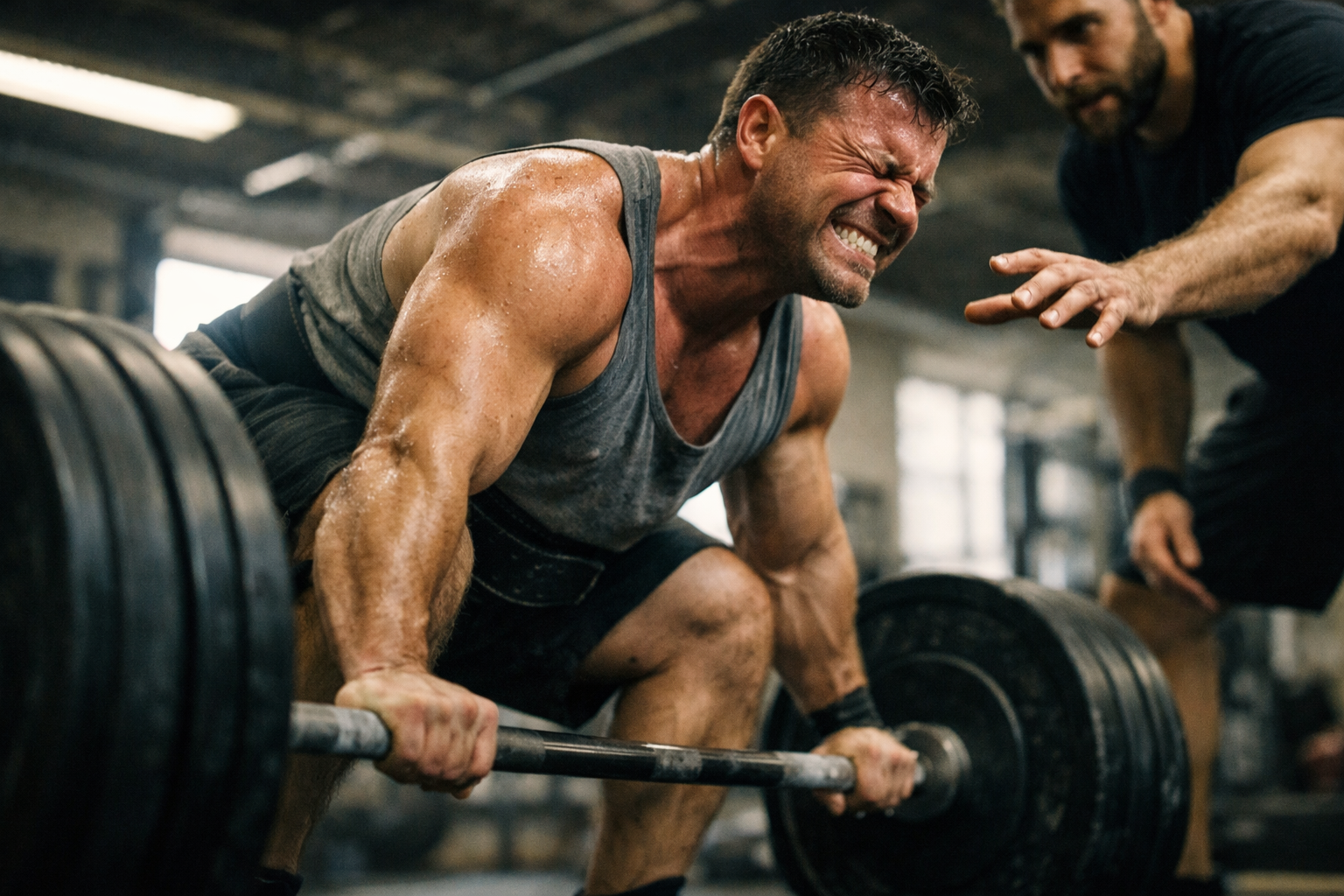
The traditional barbell deadlift builds massive posterior chain strength. Unfortunately, it also ruins countless lower backs every single day. Lifters frequently let their egos dictate the weight on the bar. As a result, their form breaks down completely during the pull. They round their lumbar spine, shifting massive loads directly onto vulnerable spinal discs.
Furthermore, fatigue drastically increases your risk of a severe injury. Source You might start with perfect posture on your first repetition. However, your core gives out by the fifth rep, leaving your spine unprotected. .
What To Do Instead
Instead of risking your spine, switch to the trap bar deadlift. The hexagonal bar allows you to step inside the center of gravity. Consequently, you maintain a much more upright torso throughout the movement. This simple equipment change drastically reduces shear force on your lower back. Alternatively, you can perform Romanian deadlifts with lighter dumbbells. Thus, you will still hammer your glutes and hamstrings safely.
Behind-the-Neck Shoulder Press
Old-school bodybuilders popularized pressing heavy barbells behind their necks. Today, many gym-goers still perform this outdated movement for shoulder growth. However, this exercise forces your shoulders into extreme external rotation and abduction. Most people simply lack the mobility to handle this awkward position safely. Therefore, the barbell grinds against the delicate structures of your rotator cuff.
Eventually, this Source repetitive grinding causes severe shoulder impingement or tears.
You might not feel the damage during your first few workouts. Yet, the micro-trauma accumulates silently over several months of consistent training. .
What To Do Instead
You should immediately swap this risky movement for seated dumbbell presses. Dumbbells allow your shoulders to move through a natural, comfortable arc. Furthermore, you can slightly tuck your elbows forward to protect your joints. As a result, you will build impressive deltoids without visiting a physical therapist. Meanwhile, the landmine press offers another fantastic, joint-friendly alternative for shoulder development.
High-Repetition Box Jumps
Cross-training programs often program box jumps for high repetitions to build endurance. Undoubtedly, jumping builds explosive power and elevates your heart rate quickly. However, performing this high-impact movement in a fatigued state invites disaster. When your legs grow tired, your jumping mechanics quickly fall apart. Consequently, you risk catching your toes on the hard wooden edge.
We have Source all seen the gruesome photos of scraped, bloody shins.
Beyond cosmetic damage, high-rep jumps place immense stress on your Achilles tendons. . Rebounding quickly off the floor creates dangerous elastic tension in your calves.
What To Do Instead
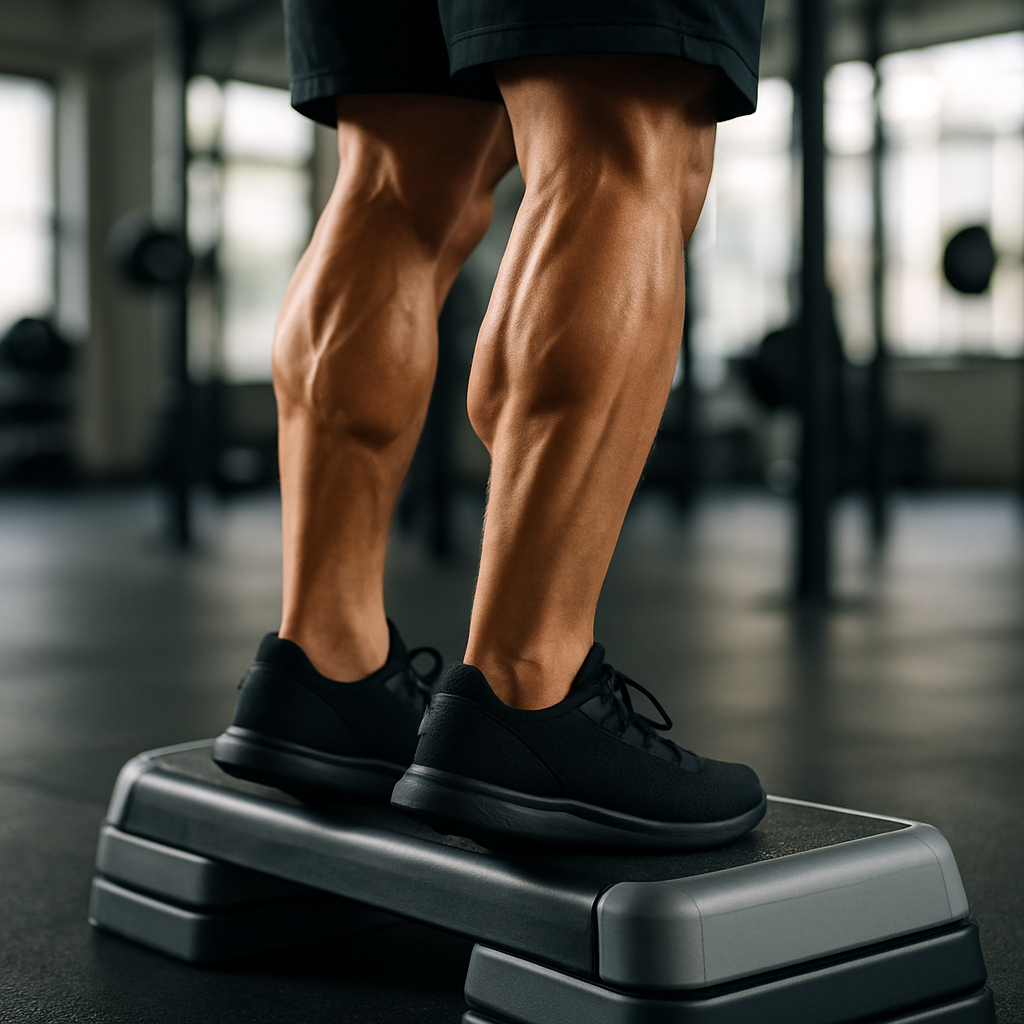
If you want explosive power, keep your box jumps to low repetitions. Perform sets of three to five crisp, high-quality jumps instead. Additionally, you must step down carefully after every single repetition. Never rebound backward off the floor to start your next jump. Alternatively, you can perform weighted step-ups to build unilateral leg strength safely. Therefore, you eliminate the impact risk while still training your fast-twitch muscle fibers.
The Traditional Upright Row
The barbell upright row practically guarantees future shoulder pain for most lifters. To perform this movement, you pull a barbell directly under your chin. This action requires internal rotation combined with shoulder elevation. Biomechanically, this combination perfectly creates subacromial impingement in your shoulder joint. Consequently, your upper arm bone pinches the supraspinatus tendon against your collarbone.
Over time, Source this pinching causes severe inflammation and chronic shoulder pain.
Many lifters mistakenly blame their pain on sleeping in a weird position. In reality, their upright rows are actively destroying their shoulder health. .
What To Do Instead
You can build massive shoulders and traps without trashing your joints. Instead of upright rows, incorporate cable face pulls into your routine. Face pulls train your rear deltoids and upper back while promoting external rotation. Thus, they actually improve your shoulder health and correct poor posture. Additionally, you can perform dumbbell lateral raises to isolate your side deltoids perfectly.
The Seated Leg Extension Machine
Walk into any commercial gym, and you will see people grinding out leg extensions. This machine isolates the quadriceps by locking the hips in place. However, it also creates massive shear force directly across your knee joint. When you kick the weight upward, the pad pulls your tibia forward. Therefore, your anterior cruciate ligament (ACL) absorbs an incredible amount of stress.
Furthermore, the machine forces your kneecap to grind against your femur. Source For anyone with pre-existing knee issues, this exercise is absolute poison. .
What To Do Instead
You should prioritize closed-kinetic-chain exercises to protect your vulnerable knees. During closed-chain movements, your feet remain firmly planted on a solid surface. Bulgarian split squats provide an incredible stimulus for your quadriceps and glutes. Additionally, they improve your balance and highlight unilateral muscle imbalances. If you struggle with balance, try performing reverse lunges holding moderate dumbbells. Consequently, your knees will thank you for making this intelligent switch.
Train Smarter for Longevity
Ultimately, your long-term health matters much more than your gym ego. Lifting heavy weights is incredibly beneficial for your bones and muscles. However, picking the wrong exercises can completely derail your fitness journey. Therefore, you must assess your current routine with a highly critical eye. Discard the movements that cause joint pain or compromise your natural biomechanics.
You can always find a safer alternative that targets the exact same muscles. Remember, consistency is the true secret to building a remarkable physique. You cannot remain consistent if you are constantly nursing preventable injuries. Listen to your body, refine your technique, and prioritize your structural longevity. As a result, you will keep lifting strong and pain-free for decades.
If you’re serious about protecting your body while still building serious strength, having the right equipment makes an enormous difference in both safety and long-term progress. One of the smartest swaps you can make for your posterior chain training is switching to a trap deadlift bar, which naturally positions your center of gravity in a way that dramatically reduces shear force on your lumbar spine compared to a conventional barbell setup. For those days when you do load up heavy on traditional pulls, wearing a quality lifting belt deadlifts support brace can provide the intra-abdominal pressure feedback your core needs to maintain a neutral spine under serious load. If you want to keep hammering your hamstrings and glutes without the spinal compression that comes with heavy barbell work, investing in a solid set of Romanian deadlift dumbbells gives you the freedom to hinge safely with a more controlled range of motion. When it comes to pressing movements that tend to overload the shoulder joint, using a seated dumbbell press set allows each arm to move independently, reducing the unnatural torque that a fixed barbell path can place on your rotator cuff tendons. Speaking of the rotator cuff, incorporating rotator cuff resistance bands into your warm-up routine is one of the most underrated habits you can develop to bulletproof your shoulders before any heavy upper body session. On days when your lower back feels fatigued or tight from heavy compound work, wearing a lumbar support back brace during lighter accessory movements can help you stay upright and maintain proper posture without putting additional strain on already taxed spinal structures. Post-workout recovery is just as critical as the training itself, and running a foam roller lower back recovery tool along your thoracic spine and glutes after each session can significantly reduce next-day stiffness and help restore healthy tissue mobility. For lifters who are ready to build a well-rounded home gym setup, a complete Olympic barbell weight plates set gives you the versatility to program a wide range of compound and accessory movements without ever needing to wait for equipment at a crowded commercial gym. If overhead pressing has been leaving your shoulders achy and restricted, working through a dedicated shoulder mobility stretching kit a few times per week can restore the range of motion and tissue quality needed to press safely and pain-free. Finally, for those dealing with chronic spinal compression from years of heavy loading, adding a spinal decompression inversion table to your recovery toolkit can provide meaningful relief by gently reversing the compressive forces that accumulate in your discs over time, helping you stay in the game for the long haul.
*As an Amazon Associate, I earn from qualifying purchases.
Many of us spend hours hunched over computers and phones. This modern lifestyle often leads to a common complaint: neck pain. A stiff, sore neck can disrupt your day and limit your activities. Fortunately, you can take proactive steps to build resilience. Strengthening the muscles in your neck is a powerful way to improve posture, reduce discomfort, and prevent future injuries. Best of all, you don’t need a gym membership or fancy equipment to get started.
A quality neck harness head harness weight is an essential fitness accessory that enhances your workout routine and supports your fitness goals. Additionally, a quality neck harness resistance band kit provides versatile strength training options for home workouts, allowing you to target multiple muscle groups effectively. You’ll also find that a quality neck rehab kit theraband resistance provides versatile strength training options for home workouts, allowing you to target multiple muscle groups effectively. Don’t forget that a door anchor resistance band exercise creates stable anchor points for resistance band exercises, expanding your workout possibilities at home. You’ll also appreciate that a quality cervical traction pillow neck support is an essential fitness accessory that enhances your workout routine and supports your fitness goals. To complete your setup, a thick yoga mat thick non slip exercise provides cushioning and support for floor exercises, protecting your joints during workouts. For best results, a heating pad microwave neck wrap warms muscles before exercise and soothes stiffness, improving blood flow and flexibility. Another great option is ice pack gel reusable neck. Additionally, a comprehensive neck exercise book guide strengthening provides detailed instructions, progressions, and rehabilitation protocols for effective home workouts. You’ll also find that a quality neck massager percussion therapy is an essential fitness accessory that enhances your workout routine and supports your fitness goals. Don’t forget that a quality resistance bands set loop bands provides versatile strength training options for home workouts, allowing you to target multiple muscle groups effectively. You’ll also appreciate that a quality posture corrector brace neck support is an essential fitness accessory that enhances your workout routine and supports your fitness goals. Finally, a quality adjustable weight plates set is an essential fitness accessory that enhances your workout routine and supports your fitness goals.
As an Amazon Associate, I earn from qualifying purchases.
Essential Neck Strengthening Movements for Daily Life
The cervical spine consists of seven vertebrae that support the weight of your head—approximately 10-12 pounds when in neutral position. However, modern lifestyle habits like prolonged computer work, smartphone use, and poor posture can increase this load dramatically, sometimes exceeding 40-60 pounds of pressure on your neck structures.
Target Muscle Groups and Movement Patterns
These carefully selected exercises engage multiple muscle groups working in synergy:
Deep cervical flexors – Located at the front of your neck, these muscles counteract forward head posture
Suboccipital muscles – Small but crucial stabilizers at the base of your skull
Upper trapezius and levator scapulae – Larger muscles that connect your neck to your shoulder girdle
Sternocleidomastoid – The prominent neck muscle responsible for rotation and lateral flexion
Progressive Training Approach
Beginner Phase (Weeks 1-2):
Start with isometric holds of 5-10 seconds
Focus on proper alignment before adding resistance
Perform 2-3 sets of each exercise
Intermediate Phase (Weeks 3-4):
Increase hold times to 15-20 seconds
Add gentle resistance band work
Progress to 3-4 sets with controlled movements
Advanced Phase (Week 5+):
Incorporate multi-planar movements
Add unstable surface training
Combine neck exercises with postural correction drills
Workplace Integration Strategy
These exercises seamlessly integrate into your daily routine:
Micro-sessions: Perform 2-3 exercises every hour during desk work
Transition periods: Use movements as active breaks between meetings
Ergonomic enhancement: Combine with proper workstation setup
Stress relief: Utilize exercises during high-tension periods
The beauty of this approach lies in its accessibility—no special equipment required, minimal time investment, and immediate applicability to combat the postural stresses of contemporary living. neck strengthening exercises
Why a Strong Neck is More Important Than You Think
We often focus on strengthening our arms, legs, and core. However, the neck muscles play a vital role in our overall well-being. A strong neck acts as a stable platform for your head. It supports proper alignment of your entire spine. When these muscles are weak, your head can drift forward, leading to a condition commonly known as “tech neck.” This poor posture places immense strain on your vertebrae and discs.
Furthermore, strengthening your neck can significantly reduce the frequency and intensity of tension headaches. Source Many headaches originate from muscle tension in the neck and upper back. By building strength, you help these muscles handle daily stress more effectively. Research shows a direct link between neck strengthening programs and a reduction in chronic neck pain . This makes these simple exercises a valuable tool for long-term health.
The Connection Between Neck Strength and Injury Prevention
For athletes and active individuals, a strong neck is a critical component of injury prevention. It helps absorb shock and protects the spine during impacts. Think about contact sports or even a sudden stop in a car. Strong, conditioned neck muscles can stabilize the head and reduce the risk of whiplash or more severe injuries. Therefore, incorporating these exercises into your routine is a smart move for anyone looking to stay active and safe. It’s not just about relieving pain; it’s about building a more resilient body from the top down.
Safety First: What to Know Before You Start
Before you begin any new exercise program, safety should be your top priority. These neck exercises are gentle, but you must perform them correctly to avoid strain. Always move slowly and with control. The goal is to feel a gentle muscle engagement, not sharp pain. If you feel any pinching or shooting pain, stop the exercise immediately.
It is also important to distinguish between strengthening and stretching. These exercises are designed to build muscle endurance. If you are experiencing acute neck pain from a recent injury, you should not perform them. Instead, consult a doctor or physical therapist for a proper diagnosis and treatment plan. They can provide guidance tailored to your specific condition. Finally, remember to breathe deeply and consistently throughout each movement. Holding your breath can increase blood pressure and create unnecessary tension.
5 Simple Neck Strengthening Exercises
Here are five equipment-free exercises to build a stronger, more stable neck. Aim to perform this routine three to four times per week for the best results. Consistency is more important than intensity. Start with a low number of repetitions and gradually increase as you feel more comfortable.
1. Isometric Neck Press (Forward and Backward)
Isometric exercises involve contracting a muscle without changing its length. This technique is excellent for building strength safely. The forward and backward press targets the muscles on the front and back of your neck.
Instructions (Forward): Sit or stand tall with your spine straight. Place the palm of your hand on your forehead. Gently press your head forward into your hand. Simultaneously, use your hand to resist the motion, so your head does not move. Hold the contraction for 10-15 seconds. Relax and repeat 3 times.
Instructions (Backward): Clasp your hands behind your head. Gently press your head backward into your hands. Use your hands to provide resistance, keeping your head still. Hold for 10-15 seconds. Relax and then repeat 3 times.
2. Isometric Side Bending
This exercise strengthens the muscles on the sides of your neck. Source These muscles are crucial for stabilizing your head during side-to-side movements and maintaining proper alignment.
Instructions: While sitting or standing tall, place your right palm on the right side of your head, just above your ear. Source Gently press your head towards your right shoulder. Use your hand to resist the movement completely. Your head should remain in a neutral position. Hold this gentle contraction for 10-15 seconds. Afterward, switch sides and repeat with your left hand. Complete 3 repetitions on each side.
3. Chin Tucks
Chin tucks are one of the most effective exercises for correcting forward head posture. They activate the deep cervical flexors, which are essential muscles for supporting the front of your neck and maintaining the natural curve of your spine.
Instructions: Sit or stand with your back against a wall, keeping your head neutral. Without tilting your head up or down, gently pull your chin and head straight back until the back of your head touches the wall. You should feel a stretch at the back of your neck and an engagement of the muscles in the front. Hold this position for 5 seconds. Release and repeat 10 times.
4. Prone Cobra Neck Lifts
Understanding the Prone Cobra’s Biomechanical Benefits
The prone cobra exercise targets the cervical extensors, rhomboids, middle trapezius, and posterior deltoids through a coordinated extension pattern that mirrors optimal postural alignment. When performed correctly, this movement activates the deep neck flexors while simultaneously engaging the thoracic spine extensors, creating a synergistic strengthening effect throughout the kinetic chain.
Lie face-down on a mat with arms at your sides, palms facing up
Position your forehead lightly touching the ground
Engage your core muscles to maintain neutral spine alignment
Movement Execution:
Initiate the movement by gently lifting your chest off the ground
Simultaneously raise your head while maintaining cervical spine neutrality
Squeeze your shoulder blades together and lift your arms slightly off the floor
Hold the peak contraction for 2-3 seconds
Lower with control back to starting position
Progressive Training Variations
Beginner Modifications:
Supported cobra: Place a small pillow under your chest for partial support
Shortened hold time: Start with 1-2 second holds
Reduced range of motion: Lift only to comfortable height
Advanced Progressions:
Extended hold times: Progress to 5-10 second isometric holds
Added resistance: Incorporate light resistance bands or small weights
Single-arm variations: Alternate lifting one arm while maintaining position
Dynamic repetitions: Perform controlled repetitions with 1-second holds
Postural Rehabilitation Applications
This exercise specifically addresses forward head posture and kyphotic positioning by strengthening the antagonist muscles that become weakened through prolonged sitting and screen time. The prone cobra helps restore proper cervical lordosis and improves thoracic extension mobility, creating lasting postural improvements when performed consistently.
Key Safety Considerations:
Avoid hyperextension of the cervical spine
Maintain neutral head position – don’t crane the neck backward excessively
Progress gradually to prevent muscle strain
Stop immediately if experiencing neck pain or dizziness
Breathe normally throughout the movement – avoid breath-holding
Instructions: Lie face down on the floor with your arms by your sides, palms facing down. Keep your forehead resting on the ground. Gently lift your head, chest, and shoulders off the floor. As you lift, squeeze your shoulder blades together and down. Keep your gaze directed towards the floor to avoid straining your neck. Hold the lifted position for 10 seconds. Slowly lower yourself back down. Aim for 8-10 repetitions.
5. Shoulder Blade Squeezes
While this exercise primarily targets the upper back muscles, it provides critical support for the neck. The trapezius and rhomboid muscles help hold your shoulders back and down, which reduces strain on your cervical spine. A strong upper back is the foundation for a healthy neck.
Instructions: Sit or stand with your arms at your sides and your shoulders relaxed. Gently squeeze your shoulder blades together as if you are trying to hold a pencil between them. Be careful not to shrug your shoulders up toward your ears. Hold the squeeze for 5 seconds, then relax. Perform 2 sets of 15 repetitions.
Building a Consistent Routine for Long-Term Success
Integrating these exercises into your daily life is key to seeing lasting benefits. You don’t need to set aside a large block of time. In fact, you can perform many of these movements during short breaks from work or while watching television.
Start by performing the routine every other day. This schedule gives your muscles time to recover and adapt. As you get stronger, you can progress in a few ways. First, you can increase the duration of the isometric holds from 10 seconds to 15 or 20 seconds. Second, you can add more repetitions or an additional set. Listen to your body and progress at a pace that feels comfortable. Consistency will yield far better results than occasionally overdoing it.
In conclusion, taking care of your neck doesn’t require a complicated or time-consuming regimen. Source These five simple, equipment-free exercises provide a powerful way to build strength, improve posture, and reduce pain. By consistently incorporating them into your routine, you invest in your long-term health and well-being. Start today, and give your neck the support it deserves for a more comfortable, active life.
Shoulder pain can derail your fitness goals. That sharp twinge during a lift is a frustrating signal to stop. However, you do not have to abandon your workout routine entirely. Smart modifications can keep you active while protecting your joints. Understanding which exercises to avoid is the first critical step. Subsequently, learning safer and equally effective alternatives will empower you to train with confidence. This guide will help you navigate the gym, protect your shoulders, and continue building strength without pain.
A quality resistance bands set shoulder exercise provides versatile strength training options for home workouts, allowing you to target multiple muscle groups effectively. Additionally, a shoulder pulley system over door helps improve range of motion and flexibility, making it ideal for shoulder rehabilitation and recovery. You’ll also find that a quality shoulder wand stretching bar collapsible is an essential fitness accessory that enhances your workout routine and supports your fitness goals. Don’t forget that a door anchor resistance band exercise creates stable anchor points for resistance band exercises, expanding your workout possibilities at home. You’ll also appreciate that a set of adjustable dumbbells set weights provides versatile weight training options without taking up much space, perfect for home gyms. To complete your setup, a quality exercise ball stability ball 55cm is an essential fitness accessory that enhances your workout routine and supports your fitness goals. For best results, a shoulder therapy kit rehabilitation helps improve range of motion and flexibility, making it ideal for shoulder rehabilitation and recovery. Another great option is heating pad microwave shoulder wrap. Additionally, a reusable ice pack gel reusable shoulder helps reduce inflammation and soreness after workouts, promoting faster recovery. You’ll also find that a thick yoga mat thick non slip exercise provides cushioning and support for floor exercises, protecting your joints during workouts. Don’t forget that a quality massage gun percussion therapy is an essential fitness accessory that enhances your workout routine and supports your fitness goals. You’ll also appreciate that a quality posture corrector brace back support is an essential fitness accessory that enhances your workout routine and supports your fitness goals. Finally, a resistance band door anchor handles creates stable anchor points for resistance band exercises, expanding your workout possibilities at home.
As an Amazon Associate, I earn from qualifying purchases.
Why Your Shoulders Are So Vulnerable
The shoulder is the most mobile joint in the human body. Source This incredible range of motion, however, comes at a cost: instability. The joint, a ball-and-socket structure, relies on a complex network of muscles and tendons called the rotator cuff to stay stable. These tissues work hard to control movement and keep the head of the humerus (the upper arm bone) centered in its socket.
Many common gym exercises can place these delicate structures under immense stress. When the rotator cuff tendons get pinched between the bones of the shoulder, it causes a painful condition called impingement. Over time, this can lead to inflammation, fraying, and even tears. Therefore, choosing exercises that respect your shoulder’s natural mechanics is crucial for long-term health and progress.
4 Common Exercises That Can Worsen Shoulder Pain
Certain popular movements are frequent culprits behind shoulder discomfort. While some people can perform them without issue, they pose a higher risk for those with existing pain or poor mechanics. Here are four exercises you should consider modifying or replacing.
1. The Overhead Press (Barbell Military Press)
The classic barbell overhead press requires significant shoulder mobility. Pressing a bar directly overhead can narrow the space where your rotator cuff tendons pass. If you lack the necessary flexibility, this movement can directly compress those tendons, leading to impingement. The fixed position of the barbell also forces your shoulders into a potentially unnatural path, adding further stress.
2. Upright Rows
Upright rows put the shoulder in a position of extreme internal rotation while under load. This motion is a well-known mechanism for causing shoulder impingement. As you lift the weight toward your chin, you dramatically reduce the space within the shoulder joint. This action effectively pinches the tendons and bursa, creating friction and inflammation. For this reason, many physical therapists and coaches advise against this exercise entirely.
3. Dips
While the dip is undeniably effective for building powerful triceps brachii and contributing to pectoralis major development, its unique movement pattern can indeed place significant and sometimes detrimental stress on the delicate structures of the glenohumeral joint (the main shoulder joint). Understanding these mechanics is crucial for injury prevention, especially for those with pre-existing shoulder concerns.
Here’s a deeper look into why dips can be problematic and how to approach them safely:
The Mechanics of Shoulder Stress During Dips
The primary concern with dips centers around the anterior shoulder capsule and the structures that stabilize the front of the joint.
Excessive Humeral Head Glide: As you descend in a dip, particularly when going deep (shoulders dropping significantly below the elbows), the humeral head (the ball of your upper arm bone) tends to translate forward and slightly inferiorly within the glenoid fossa (the socket). This excessive forward movement, known as anterior humeral head glide, stretches the anterior glenohumeral ligaments and the anterior joint capsule. Over time, this can lead to capsular laxity or even instability.
Biceps Tendon Aggravation: The long head of the biceps tendon runs through a groove at the front of the humerus (the bicipital groove) and attaches inside the shoulder joint. When the humeral head glides excessively forward and rotates internally, it can compress, shear, or friction against this tendon. For individuals with existing biceps tendinopathy or SLAP tears (a tear in the labrum where the biceps tendon attaches), this action can be acutely painful and worsen the condition.
Compromised Scapular Stability: Effective shoulder function relies heavily on the scapula (shoulder blade) moving correctly on the rib cage. In a dip, the scapula should ideally depress (move down) and retract (move back) to provide a stable base for the humerus. However, if an individual lacks adequate scapular control or strength in muscles like the lower trapezius and rhomboids, the scapula can protract (round forward) and elevate, further exacerbating the forward roll of the shoulders and increasing stress on the anterior capsule.
Internal Rotation Bias: As the shoulders roll forward, the humerus tends to internally rotate. This position can place additional strain on the rotator cuff muscles, particularly the subscapularis (an internal rotator) and can create an unfavorable environment for the other rotator cuff muscles (like the supraspinatus) which are crucial for dynamic stability.
Key Risk Factors and Poor Form Indicators
Several factors amplify the risk of shoulder injury during dips:
Excessive Depth: Allowing your shoulders to drop significantly below your elbows, or extending the range of motion past approximately 90 degrees at the elbow, dramatically increases the anterior stress on the shoulder joint. The deeper you go, the greater the stretch on the anterior capsule and ligaments.
Over-Leaning Forward: While a slight forward lean can shift emphasis towards the chest, an excessive forward lean further encourages the shoulders to roll forward and the humeral head to translate anteriorly, intensifying the stress.
Lack of Scapular Control: Failing to actively depress and retract your shoulder blades throughout the movement means you’re not properly stabilizing the shoulder girdle. This often manifests as a “shrugging” motion or allowing the shoulders to round excessively.
Pre-existing Conditions: Individuals with a history of:
Anterior shoulder instability
Shoulder impingement syndrome
Biceps tendinopathy
Rotator cuff tears or tendinitis
AC joint issues
are at a much higher risk of aggravating their condition with dips.
Practical & Actionable Advice for Shoulder Health
If you experience shoulder pain during dips, or if you have a history of shoulder issues, consider these strategies:
Prioritize Pain-Free Movement: The most critical rule is to avoid any exercise that causes sharp or increasing pain. Persistent pain is a signal that something is wrong.
Modify Your Dip Technique (If Pain-Free):
Limit Depth: Do not allow your shoulders to drop below your elbows. Aim for roughly 90 degrees at the elbow joint, or even slightly less if that feels better.
Maintain Scapular Stability: Actively depress and retract your shoulder blades. Think “chest proud” and “shoulders back and down” throughout the movement. Avoid letting your shoulders shrug up towards your ears.
Control the Eccentric Phase: Lower yourself slowly and with control. Avoid bouncing at the bottom.
Body Position: Keep your torso relatively upright. A slight forward lean is acceptable for chest emphasis, but avoid excessive leaning.
Consider Regressions and Alternatives:
Assisted Dips: Use an assisted dip machine or resistance bands looped over the dip bars to reduce your body weight and allow for better control and form.
Bench Dips (Modified): Perform dips with your hands on a stable bench behind you. To reduce difficulty and shoulder stress, keep your feet on the floor with knees bent. For more challenge, extend your legs or elevate your feet. Even with bench dips, be mindful of depth and shoulder position.
Targeted Strength Alternatives:
For Triceps:
Overhead Dumbbell Extensions: Focus on maintaining a stable shoulder position.
Triceps Pushdowns (Rope or Bar): Excellent for isolating the triceps with minimal shoulder stress.
Close-Grip Bench Press: Can be a good alternative if shoulder stability is maintained.
Skullcrushers (Lying Triceps Extensions): Perform with a slight elbow bend at the bottom to protect the joint.
For Chest:
Dumbbell Bench Press (Flat or Incline): Allows for a more natural range of motion and easier modification of depth and hand position compared to a barbell.
Push-Ups: Highly versatile, can be modified with incline (easier) or decline (harder) variations. Focus on maintaining a strong plank position and scapular control.
Cable Flyes: Provides constant tension and allows for a customizable range of motion.
Strengthen Supporting Muscles: Incorporate exercises that improve scapular stability and rotator cuff strength. Examples include:
Face Pulls
Band Pull-Aparts
Y-T-W-L Raises
Scapular Push-Ups (focus on protraction/retraction)
By understanding the biomechanics and implementing these strategies, you can either perform dips more safely or choose effective alternatives that support your fitness goals while protecting your shoulder health. Always consult with a qualified healthcare professional or certified strength coach if you have persistent shoulder pain or concerns.
4. Behind-the-Neck Pulldowns or Presses
Any exercise that involves pulling or pressing a bar behind your neck is a major red flag for shoulder health. This movement forces your shoulders into an extreme range of external rotation. It places the rotator cuff and the ligaments at the front of the shoulder under excessive tension. This position offers no significant muscle-building advantage over front-facing variations. In contrast, it dramatically increases the risk of dislocation and rotator cuff injury.
Safer and Smarter Alternatives for a Pain-Free Workout
Avoiding risky exercises does not mean you have to stop training your shoulders or upper body. In fact, many alternatives are not only safer but can also be more effective for targeting specific muscles. These movements promote better shoulder mechanics and build stability.
Instead of Overhead Press, Try the Landmine Press
The Landmine Press is a fantastic alternative. By pressing the bar upwards and forwards at an angle, you avoid direct overhead compression. This path of motion is much more natural for the shoulder joint. It still effectively targets the deltoids and triceps without pinching the rotator cuff. Furthermore, it engages your core for added stability, making it a powerful full-body movement.
Instead of Upright Rows, Try Dumbbell Lateral Raises
Advanced Medial Deltoid Development Strategies
The medial deltoid serves as the primary architect of shoulder width, creating that coveted V-taper silhouette when properly developed. Understanding the biomechanics behind effective lateral deltoid training requires examining the muscle’s anatomical function and optimal recruitment patterns.
Perfecting the Dumbbell Lateral Raise Technique
The “pouring water” cue represents a crucial biomechanical principle that addresses external rotation positioning. This thumb-up orientation accomplishes several key objectives:
Maintains optimal humeral head positioning within the glenoid fossa
Reduces subacromial impingement risk by creating more space under the acromion
Maximizes medial deltoid fiber recruitment while minimizing anterior deltoid compensation
Prevents internal rotation stress that commonly leads to rotator cuff irritation
Progressive Loading Parameters:
Beginner Phase: 8-12 reps with 2-3 second controlled lowering (eccentric)
Intermediate Phase: Add pause reps (2-second hold at top) or tempo variations
Advanced Phase: Incorporate mechanical drop sets or partial range extensions
Scaption Raise: The Anatomically Superior Alternative
Scaption raises align with the scapular plane, which sits approximately 30-40 degrees anterior to the frontal plane. This positioning offers distinct advantages:
Biomechanical Benefits:
Reduces capsular stress by following the shoulder’s natural movement arc
Optimizes length-tension relationships in the deltoid muscle fibers
Minimizes impingement potential compared to pure frontal plane movements
Enhances functional carryover to real-world movement patterns
Execution Protocol:
Position feet shoulder-width apart with slight forward lean
Initiate movement by lifting elbows first, maintaining 15-20 degree elbow flexion
Control the ascent to shoulder height over 2-3 seconds
Emphasize the eccentric phase with 3-4 second lowering tempo
Complementary Medial Deltoid Exercises
Cable Lateral Raises: Provide constant tension throughout the range of motion, particularly beneficial during the bottom portion where dumbbells offer minimal resistance.
Machine Lateral Raises: Allow for heavier loading while maintaining strict form, ideal for strength-focused phases or when fatigue limits stabilization.
Upright Rows (Modified): Using a wider grip and limiting range to chest height can effectively target medial delts while avoiding shoulder impingement.
Programming Considerations for Shoulder Health
Volume Distribution:
2-3 exercises targeting medial deltoids per session
12-20 total sets per week for intermediate trainees
48-72 hour recovery between intensive shoulder sessions
Injury Prevention Protocols:
Always perform dynamic warm-up including arm circles and band pull-aparts
Incorporate posterior deltoid strengthening to maintain shoulder balance
Monitor for any anterior shoulder discomfort and adjust angles accordingly
Instead of Dips, Try Close-Grip Push-ups or a Neutral-Grip Dumbbell Press
For a safer pressing movement, push-ups are an excellent choice. They are a closed-chain exercise, which tends to be friendlier to joints. A slightly narrower hand position will emphasize the triceps and chest without over-stretching the front of the shoulder. Another great option is the Dumbbell Bench Press with a neutral (palms facing each other) grip. This grip allows your shoulders to move more freely and naturally compared to a fixed barbell.
Instead of Behind-the-Neck Movements, Stick to the Front
The fix here is simple and effective. Perform your lat pulldowns and presses to the front of your body. Pulling the bar down to your upper chest is the standard, safe, and proven way to build a strong back. It effectively engages your latissimus dorsi muscles without putting your shoulder joints in a compromised position. There is no need to take unnecessary risks with behind-the-neck variations.
Conclusion: Train Smart for Long-Term Health
Experiencing shoulder pain does not mean your days of lifting are over. It is simply a signal from your body to be more mindful of your exercise selection and form. By swapping high-risk movements for smarter, safer alternatives, you can continue to build strength and muscle. Always prioritize a thorough warm-up and listen to your body’s feedback. Ultimately, consistency and joint health are the true keys to achieving your long-term fitness goals.
Knee pain can feel like a roadblock to an active lifestyle. The moment you decide to get moving, a familiar twinge or ache reminds you to slow down. High-impact activities like running, jumping, or intense aerobics often make the problem worse. However, this does not mean you must resign yourself to the couch. The solution lies in low-impact workouts. These exercises build strength and improve cardiovascular health without placing excessive stress on your sensitive joints. Consequently, you can stay fit, manage your weight, and potentially reduce your knee pain over time.
A quality resistance bands set shoulder exercise provides versatile strength training options for home workouts, allowing you to target multiple muscle groups effectively. Additionally, a shoulder pulley system over door helps improve range of motion and flexibility, making it ideal for shoulder rehabilitation and recovery. You’ll also find that a quality shoulder wand stretching bar collapsible is an essential fitness accessory that enhances your workout routine and supports your fitness goals. Don’t forget that a door anchor resistance band exercise creates stable anchor points for resistance band exercises, expanding your workout possibilities at home. You’ll also appreciate that a set of adjustable dumbbells set weights provides versatile weight training options without taking up much space, perfect for home gyms. To complete your setup, a quality exercise ball stability ball 55cm is an essential fitness accessory that enhances your workout routine and supports your fitness goals. For best results, a shoulder therapy kit rehabilitation helps improve range of motion and flexibility, making it ideal for shoulder rehabilitation and recovery. Another great option is heating pad microwave shoulder wrap. Additionally, a reusable ice pack gel reusable shoulder helps reduce inflammation and soreness after workouts, promoting faster recovery. You’ll also find that a thick yoga mat thick non slip exercise provides cushioning and support for floor exercises, protecting your joints during workouts. Don’t forget that a quality massage gun percussion therapy is an essential fitness accessory that enhances your workout routine and supports your fitness goals. You’ll also appreciate that a quality posture corrector brace back support is an essential fitness accessory that enhances your workout routine and supports your fitness goals. Finally, a resistance band door anchor handles creates stable anchor points for resistance band exercises, expanding your workout possibilities at home.
As an Amazon Associate, I earn from qualifying purchases.
This guide explores the best low-impact exercises for bad knees. We will cover everything from cardio to strength training. Furthermore, we will provide practical tips to help you exercise safely and effectively. You can reclaim your fitness journey without sacrificing your knees.
Understanding Low-Impact vs. High-Impact Exercise
First, let’s clarify what “low-impact” really means. An exercise is considered low-impact if it keeps at least one of your feet on the ground at all times. Think of smooth, gliding motions instead of jarring, pounding ones. Walking, cycling, and using an elliptical trainer are classic examples. These activities minimize the shock that travels through your legs and into your knee joints.
In contrast, high-impact exercises involve movements where both feet leave the ground simultaneously. Running, jumping jacks, and certain types of dancing fall into this category. While these are excellent for fitness, they can create significant force on the knees. For someone with pre-existing knee issues, this can lead to inflammation, pain, and further injury. Therefore, choosing the right type of exercise is crucial for long-term joint health.
Why Your Knees Will Thank You
Opting for low-impact workouts provides several key benefits for knee health. The most obvious advantage is reduced stress. By minimizing jarring forces, you protect the cartilage in your knee. This is the smooth tissue that cushions the ends of your bones. Protecting it is vital for preventing the progression of conditions like osteoarthritis.
Additionally, these exercises strengthen the muscles that support your knee joint, including the quadriceps, hamstrings, and glutes. Source Stronger muscles act like a natural brace for the knee. They absorb shock and improve stability, which can significantly decrease pain. In fact, strengthening these surrounding muscles is a cornerstone of managing chronic knee pain. . Finally, regular low-impact activity improves blood flow, which delivers essential nutrients to the joint tissues and helps reduce stiffness.
Top Low-Impact Cardio Workouts
Cardiovascular exercise is essential for heart health and weight management. Luckily, many excellent options are gentle on the knees. You can get your heart pumping without the painful pounding.
Swimming and Water Aerobics
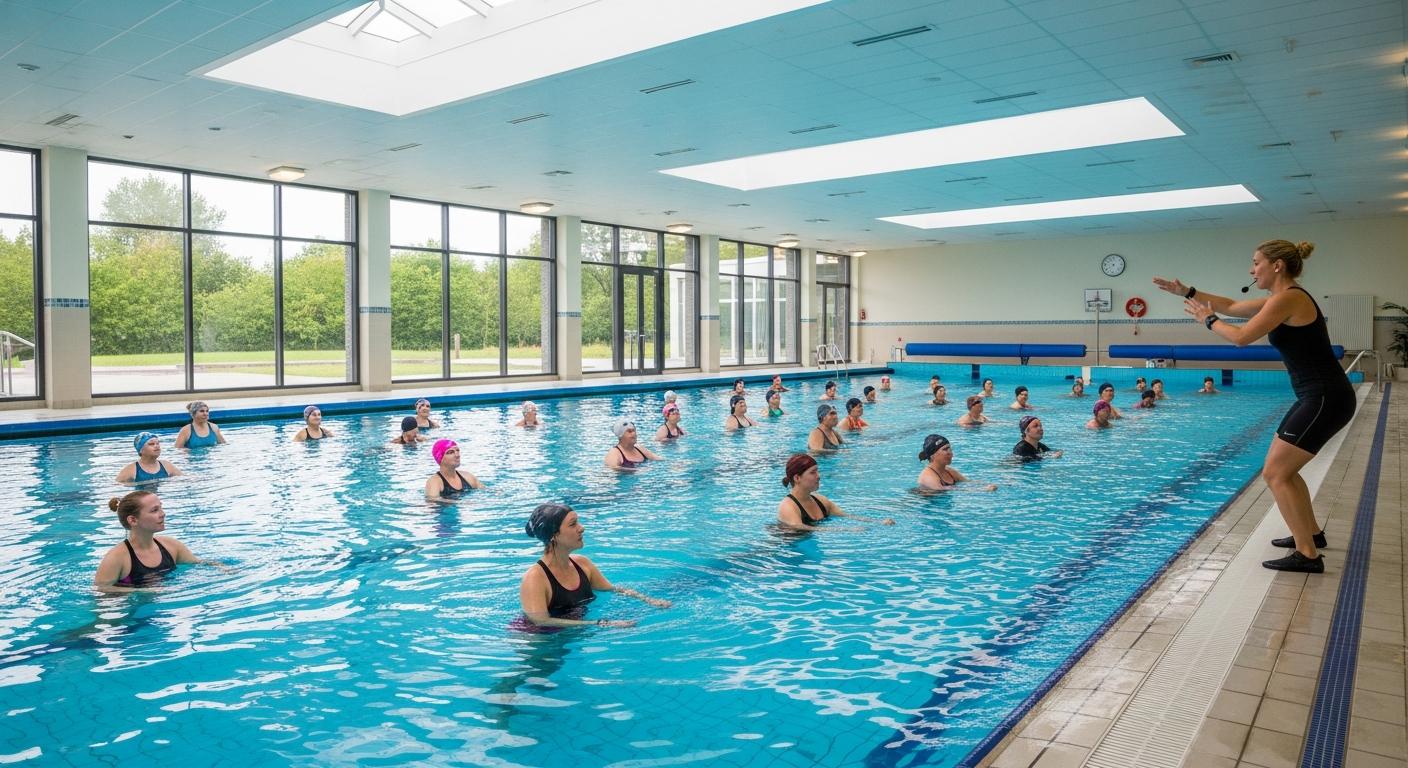
Water is your best friend when you have knee pain. The buoyancy of water supports your body weight, which dramatically reduces the impact on your joints. When you are submerged up to your chest, you are only bearing a small fraction of your actual weight. This unique environment allows you to move freely without the stress of gravity. Swimming laps, particularly using the freestyle or backstroke, provides a fantastic full-body workout.
Water aerobics is another superb choice. These classes combine cardio and resistance training in a fun, supportive setting. The water’s resistance helps build muscle strength without needing heavy weights. You can jog, kick, and perform other movements in the pool that would be painful on land. This makes it an ideal activity for people of all fitness levels.
Cycling
Cycling, whether on a stationary bike or outdoors, is a powerful low-impact cardio exercise. It involves a smooth, circular motion that limits direct stress on the knee caps. Moreover, it specifically strengthens the quadriceps and hamstrings, the primary muscles supporting your knees. Proper bike setup is critical for knee safety. Ensure your seat is at the right height. Your knee should have a slight bend (about 10-15 degrees) at the bottom of the pedal stroke. A seat that is too low can increase pressure on your kneecaps.
Start with low resistance and gradually increase it as you get stronger. If you experience any pain, try adjusting the seat or reducing the resistance. A recumbent bike, which allows you to sit in a reclined position, can be an even more comfortable option for some people as it places less weight on the joints.
The Elliptical Trainer
The elliptical machine is a gym favorite for a reason. It simulates the motion of running but without the impact. Your feet remain on the pedals throughout the entire movement, creating a smooth, gliding path. This action protects your knees, hips, and back from jarring forces. Most elliptical machines also have moving handlebars, allowing you to engage your upper body for a more comprehensive workout.
To get the most out of your elliptical session, focus on maintaining good posture. Keep your back straight and your core engaged. You can also pedal in reverse to target different muscle groups in your legs, such as your hamstrings and calves. This variety helps create balanced muscle strength around the knee.
Essential Strength Training for Knee Support
While cardio is important, strength training is non-negotiable for managing bad knees. Building muscle around the joint provides stability and acts as a shock absorber. However, you must choose your exercises wisely. Focus on movements that strengthen the glutes, quadriceps, hamstrings, and calves without straining the knee itself.
Here are some knee-friendly strength exercises:
Glute Bridges: Lie on your back with your knees bent and feet flat on the floor. Lift your hips toward the ceiling, squeezing your glutes. Hold for a moment, then lower slowly. This strengthens your glutes and hamstrings without any knee pressure.
Wall Sits: Stand with your back against a wall and slide down until your knees are at a 90-degree angle, as if sitting in a chair. Hold this position for 30-60 seconds. This builds quadriceps strength isometrically, meaning without movement in the joint.
Hamstring Curls: You can perform these standing while holding onto a chair for balance. Simply bend one knee and bring your heel toward your glute. You can also use a resistance band or a dedicated machine at the gym.
Calf Raises: Stand with your feet flat on the floor. Slowly raise your heels until you are on your tiptoes. Hold briefly, then lower. This strengthens the lower leg muscles that help stabilize your entire leg.
It is equally important to know which exercises to avoid. Deep squats, lunges, and high-impact plyometric moves like box jumps can place excessive strain on the knees and should generally be avoided or modified significantly under professional guidance.
Final Tips for Pain-Free Exercise
Consistency is key, but safety should always be your top priority. Follow these simple rules to protect your knees and get the best results from your workouts.
The Science Behind Effective Warm-Up Protocols
A comprehensive warm-up serves multiple physiological functions that directly impact knee joint health and overall exercise performance. When you engage in light cardiovascular activity, you’re gradually increasing blood flow to the working muscles, elevating core body temperature by 1-2 degrees Celsius, and enhancing synovial fluid production within the knee joint capsule. This viscous fluid acts as a natural lubricant, reducing friction between cartilage surfaces during movement.
Dynamic Movement Preparation Strategies
Dynamic stretching represents the gold standard for pre-exercise preparation, particularly for individuals managing knee discomfort. Unlike static stretching, dynamic movements take joints through their full range of motion while simultaneously activating the neuromuscular system:
Leg swings (forward/backward and lateral): Targets hip flexors, hamstrings, and adductors while promoting knee mobility
Walking high knees: Activates hip flexors and quadriceps while encouraging proper knee tracking
Butt kicks: Engages hamstrings and promotes ankle dorsiflexion
Walking lunges with rotation: Combines multi-planar movement with glute activation and hip mobility
Progressive Loading Principles
The warm-up should follow a progressive overload approach, beginning with low-intensity movements and gradually increasing complexity. Start with 2-3 minutes of gentle walking at 50-60% of your maximum heart rate, then transition to dynamic movements that mirror your planned workout activities. This movement-specific preparation enhances motor unit recruitment and improves coordination patterns essential for knee stability.
Strategic Cool-Down Implementation
The cool-down phase initiates critical parasympathetic nervous system activation, facilitating recovery and reducing exercise-induced inflammation around the knee joint. During this period, your heart rate should gradually return to within 10-20 beats of your resting rate over 5-10 minutes.
Targeted Flexibility Enhancement
Post-exercise static stretching becomes highly effective when muscles are warm and pliable. Focus on key muscle groups that directly influence knee biomechanics:
Quadriceps stretch: Hold for 30-45 seconds to address anterior thigh tightness that can increase patellofemoral pressure
Hamstring stretch: Reduces posterior knee tension and improves hip hinge mechanics
Calf stretch: Addresses gastrocnemius and soleus tightness that affects ankle mobility and knee alignment
IT band stretch: Helps alleviate lateral knee stress and improves hip abductor flexibility
Recovery Optimization Techniques
Incorporate myofascial release techniques using foam rollers or massage balls during your cool-down to address tissue quality and reduce adhesions. Target the vastus lateralis, IT band, and calf muscles with 30-60 seconds of controlled pressure. This mechanical stimulation promotes blood flow, reduces muscle tension, and can help prevent the formation of trigger points that may contribute to altered movement patterns and knee pain.
Second, listen to your body. There is a difference between the discomfort of muscle fatigue and sharp, stabbing joint pain. If you feel any sharp pain, stop the activity immediately. Pushing through pain can lead to more significant injury.
Finally, consider consulting a professional. A doctor or physical therapist can help diagnose the cause of your knee pain and recommend specific exercises tailored to your condition. Their guidance can provide a safe and effective roadmap for your fitness journey.
For those navigating the complexities of knee pain, understanding that an active, fulfilling life remains within reach is the first crucial step. The key lies in a strategic, informed approach to physical activity, focusing on modalities that support rather than stress your joints.
Embracing Joint-Friendly Movement: The Low-Impact Advantage
Low-impact exercises are foundational for individuals with knee pain because they minimize the ground reaction forces and repetitive jarring that can aggravate sensitive joints. Instead of absorbing high impact, these movements allow for controlled, fluid motion, promoting joint lubrication and strengthening surrounding musculature without excessive stress.
Aquatic Exercise: The Power of Buoyancy
How it helps: Water provides natural buoyancy, significantly reducing the body’s weight and the load on your knees. This allows for a greater range of motion and muscle activation with less pain. The hydrostatic pressure of water also aids in reducing swelling.
Specific Examples:
Swimming: Strokes like the front crawl and backstroke are excellent, engaging the core, glutes, hamstrings, and quadriceps in a non-weight-bearing environment. Avoid breaststroke if it causes knee discomfort due to the frog-kick motion.
Water Walking/Jogging: Performed in shallow or deep water with a flotation belt, this mimics land-based movement patterns without impact.
Water Aerobics: Group classes offer structured exercises like knee raises, leg swings, and gentle squats that build strength and cardiovascular fitness.
Cycling: Controlled, Cyclical Motion
How it helps: Whether on a stationary bike or outdoors, cycling offers a non-impact cardiovascular workout that strengthens the quadriceps, hamstrings, and glutes. The continuous motion helps to lubricate the knee joint.
Key Considerations for Knee Health:
Bike Fit is Paramount: Ensure your seat height allows for a slight bend in the knee (25-35 degrees) at the bottom of the pedal stroke. A seat too low can put excessive strain on the patella (kneecap), while one too high can cause overextension.
Resistance and Cadence: Start with low resistance and a higher cadence (pedal revolutions per minute) to minimize strain. Gradually increase resistance as your strength improves.
Foot Position: If using clipless pedals, proper cleat position can prevent knee rotation and discomfort.
Elliptical Trainers:
How it helps: These machines provide a smooth, gliding motion that mimics running or walking without the associated impact, engaging both upper and lower body muscles.
Targeted Strength Training: Building a Robust Support System
The cornerstone of long-term knee health is strengthening the muscles that support and stabilize the joint. This isn’t about heavy lifting; it’s about precise, controlled movements to improve muscle activation, balance, and endurance around the knee.
Focus on Key Muscle Groups:
Quadriceps (front of thigh): Essential for knee extension and patellar tracking. The vastus medialis obliquus (VMO), the teardrop-shaped muscle above the inner knee, is particularly important for patellar stability.
Hamstrings (back of thigh): Work in opposition to the quads for knee flexion and stability.
Gluteal Muscles (Gluteus Maximus, Medius, Minimus): Crucial for hip stability, which directly influences knee alignment and prevents inward collapse of the knees (valgus collapse).
Calves (Gastrocnemius & Soleus): Contribute to ankle stability and push-off during movement, impacting the entire kinetic chain.
Core Muscles (Abdominals & Lower Back): A strong core provides overall body stability, preventing compensatory movements that can strain the knees.
Actionable Strength Exercises (Perform 2-3 sets of 10-15 repetitions, focusing on control):
Isometric Quadriceps Contractions:
How to: Sit or lie with legs extended. Place a rolled towel under your knee. Press your knee down into the towel, tightening your quadriceps (especially the VMO). Hold for 5-10 seconds, then relax.
Benefit: Activates the quads without joint movement, ideal for initial stages of rehabilitation.
Straight Leg Raises (SLR):
How to: Lie on your back, one knee bent, foot flat. Keep the other leg straight, engage your quadriceps, and slowly lift the straight leg about 6-12 inches off the floor. Lower with control.
Benefit: Strengthens quads and hip flexors.
Wall Slides / Mini-Squats:
How to: Stand with your back against a wall, feet shoulder-width apart, about 1-2 feet from the wall. Slowly slide down the wall, bending your knees to a comfortable, pain-free depth (e.g., 30-45 degrees, not a full squat). Hold briefly, then slide back up.
Benefit: Builds quadriceps and gluteal strength in a controlled, supported manner, improving functional movement patterns.
Glute Bridges:
How to: Lie on your back, knees bent, feet flat on the floor hip-width apart. Engage your glutes and lift your hips off the floor until your body forms a straight line from shoulders to knees. Lower slowly.
Benefit: Excellent for strengthening the gluteus maximus, hamstrings, and core, crucial for hip stability.
Clamshells:
How to: Lie on your side, knees bent at 90 degrees, feet stacked. Keeping your feet together, open your top knee like a clamshell, engaging your gluteus medius. Lower slowly.
Benefit: Specifically targets the gluteus medius, vital for stabilizing the pelvis and preventing the knee from caving inward during movement.
Hamstring Curls (Stability Ball or Machine):
How to (Stability Ball): Lie on your back, heels on a stability ball, hips lifted slightly. Pull the ball towards your glutes by bending your knees, engaging your hamstrings. Extend legs slowly.
Benefit: Isolates and strengthens the hamstrings.
Calf Raises:
How to: Stand with feet hip-width apart. Slowly raise up onto the balls of your feet, squeezing your calves. Lower with control.
Benefit: Strengthens the gastrocnemius and soleus, improving ankle and lower leg stability.
The Pillars of Safe and Effective Training: Progression, Form, and Intuition
Embarking on a fitness journey with knee pain demands a mindful approach, prioritizing safety and long-term health.
Start Slowly and Progress Gradually (The Principle of Progressive Overload):
Your body adapts to stress, so consistent, incremental challenges are key. Begin with a comfortable duration, intensity, or resistance. Over weeks and months, slowly increase one variable at a time (e.g., add 5 minutes to a bike ride, perform an extra set of exercises, or slightly increase resistance).
Avoid “too much, too soon,” as this is a common pitfall that can lead to flare-ups and setbacks. Patience is your strongest ally.
Master Proper Form Over Weight or Speed:
Biomechanics are paramount. Incorrect form not only negates the benefits of an exercise but can actively exacerbate knee issues by placing undue stress on ligaments, tendons, and cartilage.
Seek Guidance: Consider working with a physical therapist or a certified personal trainer with experience in post-rehab or special populations. They can assess your movement patterns, correct imbalances, and ensure you’re performing exercises safely and effectively.
Self-Correction: Use mirrors or video recordings to check your form. Focus on the mind-muscle connection, truly feeling the target muscle work.
Listen to Your Body’s Signals: The Smart Approach to Pain:
Differentiate Discomfort from Pain: Muscle fatigue or a mild stretch is normal. Sharp, stabbing, persistent, or increasing joint pain during or after exercise is a warning sign.
“No Pain, No Gain” is a dangerous mantra when dealing with compromised joints. Your goal is to strengthen and support, not to push through pain.
Respond Appropriately: If you experience pain, stop the activity, modify it, or reduce the intensity. If pain persists, consult your doctor or physical therapist. Incorporate rest days to allow for recovery and adaptation.
By embracing these principles and integrating low-impact, targeted strength training into your routine, you empower yourself to build resilience, enhance functional movement, and maintain an active, vibrant lifestyle despite knee challenges. Your journey toward a stronger, healthier self is not merely possible, but entirely within your control.