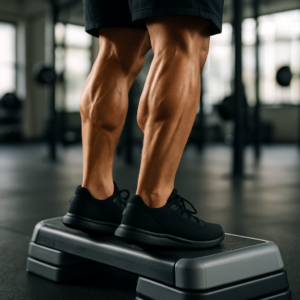
Most fitness influencers and mainstream gym content gloss over a critical reality: the exercises that build the most muscle often carry the highest injury risk, and nobody’s talking about what happens when form finally fails under fatigue. I learned this the hard way during a heavy deadlift when my spine rounded mid-pull and an electric jolt shot down my leg—I couldn’t even tie my shoes for three days afterward. That wake-up call is the foundation of this breakdown: identifying the movements most likely to damage your body over time, and finding the intelligent alternatives that actually deliver the strength and size you’re after.
The truth is that moving heavy iron demands technical precision at every stage of the lift. A number of popular exercises hide serious risks that can knock you out for months if something goes wrong. Your routine deserves real scrutiny, not blind faith in whatever program everyone else is running. We tend to sacrifice joint integrity in pursuit of bigger numbers and faster gains. But building serious strength and muscle doesn’t require wrecking your body in the process. Let’s dig into the most damaging culprits and what you should do instead.
Barbell Deadlifts Off the Floor
Few exercises build posterior chain power like a loaded barbell pull from the ground. Yet they also injure countless spines every single day across every commercial gym in the world. Ego frequently wins out over sound judgment, and lifters stack on weight they’re not ready to handle. When the load gets heavy, form deteriorates fast. The lower back rounds forward, and suddenly massive forces are compressing your spinal discs directly.

Add fatigue into the equation, and your injury risk skyrockets dramatically. Source Your first rep might look textbook perfect. By the fifth rep, your core is gassed and your spine is defenseless against those massive forces.
What To Do Instead
The trap bar deadlift is your safest upgrade. Stepping inside a hexagonal frame shifts your center of gravity and keeps your torso far more vertical throughout the entire pull. That single equipment swap cuts down the shear stress running through your lower back significantly. Or grab a pair of lighter dumbbells and pull Romanian deadlifts instead. You’ll still torch your glutes and hamstrings hard, just without the spinal risk.
Pressing Barbells Behind Your Neck
Old-time bodybuilders made this movement famous, and plenty of modern gym-goers still chase the same shoulder-building promise. Problem is, pressing weight behind your neck forces your shoulders into extreme external rotation and abduction angles. Most people just don’t have the mobility to handle that awkward position safely. The barbell ends up grinding straight into your rotator cuff and the sensitive structures surrounding your shoulder socket.
Over time, this Source constant rubbing leads to impingement or outright rotator cuff tears that sideline you for months.
The damage creeps up on you silently. Your first few sessions might feel fine, but micro-trauma accumulates invisibly over months of consistent repetitions.
What To Do Instead
Replace this risky press with seated dumbbell presses executed with control. Dumbbells permit your shoulders to move through a natural, unrestricted path. You can also angle your elbows forward slightly to safeguard your rotator cuff. The result is massive shoulder growth without the trip to physical therapy. The landmine press is another fantastic option if you want to keep building shoulder size while keeping your joints happy.
Box Jumps Done for High Reps
Many workout programs throw box jumps into high-rep sets to build conditioning and power endurance. Jumping definitely cranks up your heart rate and develops explosive strength fast. But performing rapid successive jumps when your legs are already gassed is a recipe for injury. Tired muscles can’t maintain good jumping mechanics, and suddenly your foot catches the box edge as you’re coming up.
You’ve definitely seen the Source photos of shredded shins and bloody scrapes that result.
Beyond the cosmetic damage, your Achilles tendons take a pounding from rapid-fire box jumps. The elastic stress from quick ground contact can accumulate into tendon damage that’s worse than the shin scrapes.
What To Do Instead
Keep your box jumps low in volume—stick to three to five explosive, crisp reps per set. Make sure you step down off the box after each jump instead of bouncing down. Never rebound off the floor to immediately load into your next jump. You could also substitute weighted step-ups on a box or bench to build single-leg strength safely. This way you’re still stimulating your fast-twitch fibers and building power without the impact toll.
Upright Rows With a Barbell
The upright row almost guarantees shoulder problems down the line for almost everyone who performs it regularly. You’re pulling a barbell up toward your chin, which forces your shoulders to internally rotate while lifting high. That combination of motions is biomechanically designed to jam your upper arm bone directly into your rotator cuff tendons. Your supraspinatus tendon gets pinched between your humerus and collarbone in what’s called subacromial impingement.
Repeated pinching triggers inflammation and sets you up for chronic, nagging shoulder pain that follows you for years.

People often blame their shoulder soreness on sleeping wrong or a random strain. They don’t realize their upright rows are actively destroying their shoulder joint week after week.
What To Do Instead
You can develop powerful shoulders and traps while keeping your joints intact. Cable face pulls are a superior alternative that builds your rear delts and upper back strength while promoting external rotation. They actually reinforce shoulder health and counteract desk posture problems. Dumbbell lateral raises are another excellent option to isolate your lateral deltoids and add shoulder width safely.
Seated Leg Extension Machines
Every commercial gym is packed with people sitting on leg extension machines grinding out reps. The machine isolates your quads by locking your hips in position. But that isolation comes with a steep cost: tremendous shear force gets directed straight through your knee joint. When you extend your leg against resistance, the pad pulls your shinbone forward aggressively. Your ACL absorbs enormous stress with every single repetition.
On top of that, the machine also grinds your kneecap repeatedly against your thigh bone. Source If you have any existing knee issues, this exercise becomes a fast track to more damage.
What To Do Instead
Switch to closed-chain exercises where your feet stay planted firmly on the ground. Bulgarian split squats deliver an intense quad and glute stimulus while improving your balance and exposing strength imbalances between legs. Reverse lunges with moderate dumbbells in your hands are another option if balance is an issue. Your knees will feel significantly better once you ditch the machine and switch to these safer, more functional alternatives.
Build a Better Program Around Joint Health
What matters most is your long-term ability to stay healthy and train hard for decades, not your ego in the moment. Heavy lifting delivers enormous benefits for your skeletal and muscular systems. But selecting the wrong exercises can derail your progress entirely. You need to audit your current program with genuine honesty. Cut the movements that cause joint discomfort or violate your natural biomechanical patterns.
There’s always a safer variation that targets identical muscle groups and delivers the same results. Consistency beats everything when it comes to building your physique over time. You can’t stay consistent if you’re constantly dealing with preventable injuries. Pay attention to how your body feels, refine your technique constantly, and build your training around durability. That way you’ll keep pulling heavy and staying strong for the rest of your life.
How a Trap Bar Fixed My Spine-Rounding Problem
That spine-rounding incident forced me to confront a real mobility limitation I’d been compensating around for years. Switching to a trap bar revealed how much my leverage issues were driving my form breakdown—and suddenly my back stopped folding under load.
What works
- The handles position themselves at your sides instead of requiring you to reach forward, keeping your torso naturally more vertical and eliminating the need for your lower back to compensate for poor shoulder mobility.
- You can pull heavier loads without your form collapsing, which means you build strength faster and don’t ingrain bad movement patterns that carry over to the conventional bar.
- Your wrists and shoulders face less overall stress with the neutral grip position, which is a huge advantage if you’re already banging up your joints with other pressing work.
What doesn’t
- The trap bar is a workaround, not a fix; it masks your mobility issues while you put in the actual work to improve shoulder and thoracic flexibility over time.
- Not all gyms stock them, and buying one yourself is a real investment—you’ll need access to either your own equipment or a serious facility that prioritizes quality tools.
I was skeptical the first time I loaded it—part of me felt like I was taking the “easy way out”—but after six weeks of pain-free heavy pulls, I realized I’d just made a smart coaching decision instead of a stubborn one. trap bar
Frequently Asked Questions
Why is barbell deadlifting from the floor so risky?
Heavy barbell deadlifts injure countless spines because form deteriorates fast under load. Your lower back rounds forward, compressing spinal discs directly. By the fifth rep, core fatigue leaves your spine defenseless against massive forces, skyrocketing injury risk dramatically.
What should I do instead of behind-the-neck barbell presses?
Replace behind-the-neck presses with seated dumbbell presses executed with control. Dumbbells let your shoulders move through a natural, unrestricted path. You can angle your elbows forward slightly to safeguard your rotator cuff while building massive shoulder growth.
How many box jump reps are actually safe per set?
Keep box jumps low in volume and stick to three to five explosive, crisp reps per set. Always step down off the box after each jump instead of bouncing down. Never rebound off the floor to immediately load into your next jump.
Why do upright rows damage your shoulders over time?
Upright rows force your shoulders to internally rotate while lifting high, jamming your upper arm bone into rotator cuff tendons. Your supraspinatus tendon gets pinched between your humerus and collarbone in subacromial impingement. Repeated pinching triggers inflammation and chronic shoulder pain lasting years.
About This Article

Written by Jordan Ellis. Jordan Ellis isn't a certified personal trainer — just someone who's been genuinely obsessed with training for over eight years and turned it into building smarter home gyms. He focuses on home fitness: effective training spaces, equipment that earns its price, and programs that work in a spare room or basement, not just a commercial gym. More about this site.
Scope and limits. Jordan is not a certified personal trainer, and nothing here is medical advice. Check with a physician before starting a new program, and prioritize form over load on every lift described.
Verify this against a primary source
Specifics change, and your situation may differ from the one described here. These are the authorities worth checking directly:
- Physical Activity Guidelines for Americans (HHS) — the federal physical activity guidelines
- American College of Sports Medicine — exercise prescription and position stands
- NSCA — strength and conditioning research