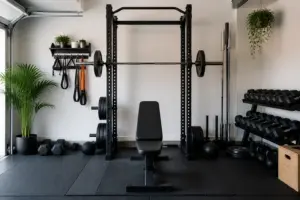

If you ask me what the single best training split is for intermediate to advanced lifters, I’ll give you the same answer every time: push pull legs. It’s not trendy. It’s not complicated. It works — and the volume of research and real-world results behind it backs that up completely. The push pull legs split organizes your training around movement patterns and muscle groups in a way that maximizes recovery, minimizes overlap, and lets you hit each muscle with enough frequency and volume to drive consistent progress. Whether your goal is building muscle, gaining strength, or both, this is the framework I come back to again and again.
| PPL Split Version | Training Frequency | Best For | Schedule Example |
|---|---|---|---|
| 6-day version | Monday–Saturday | Experienced lifters who handle high volume well | Push/Pull/Legs/Push/Pull/Legs |
| 3-day version | 3 days per week | Lifters building work capacity or with busier schedules | Monday, Wednesday, Friday |
What Is Push Pull Legs?
Push pull legs is a training split that divides your workouts into three categories based on how your muscles function during movement. It’s elegant in its simplicity, and that’s a big part of why it works so well.
- Push Day targets your chest, shoulders, and triceps — all the muscles involved in pushing movements like the bench press and overhead press.
- Pull Day targets your back, biceps, and rear delts — muscles engaged during pulling movements like rows, pull-ups, and deadlifts.
- Leg Day targets your quads, hamstrings, glutes, and calves — the full lower body in a single dedicated session.
You can run this PPL split two different ways. The 6-day version has you training Monday through Saturday in a Push/Pull/Legs/Push/Pull/Legs pattern, which is ideal if you’re an experienced lifter who can handle high volume and recover well. The 3-day version spreads the three sessions across the week — think Monday, Wednesday, Friday — which works better for lifters who are still building their work capacity or have a busier schedule. Both approaches are effective. Your recovery, lifestyle, and training age determine which one is right for you.
The Complete Push Pull Legs Routine
Below is the exact push pull legs routine I recommend to intermediate lifters. The exercise selection, rep ranges, and set volumes are all chosen with both muscle growth and long-term joint health in mind. Follow progressive overload — add weight or reps week over week — and this program will deliver results for months.
The One Thing I Track Across All Three Days Without Fail
Push pull legs demands consistency across three separate training days, each hitting different muscle groups and movement patterns. Without tracking what you actually did on each day — your rep ranges, weights, volume — you’ll inevitably repeat workouts or miss progressive overload entirely, which tanks your gains.
What works
- You can log each day’s session with enough space to note the movement pattern focus (push vs. pull emphasis) and catch when you’re neglecting weak points across the split.
- It forces you to write down actual numbers instead of trusting memory, which is how you spot the weeks you genuinely added weight versus the weeks you just felt stronger.
- The structure keeps you honest about volume per muscle group — I caught myself undershooting rear delt work on pull day until I could see it in writing.
What doesn’t
- It’s paper, which means you have to actually carry it or be disciplined about writing in it post-workout instead of checking your phone.
- There’s no built-in calculator or RPE scale guidance, so you have to know what you’re measuring and why before you start logging.
I almost ditched it after week two because I forgot to bring it to the gym twice and felt like I was wasting time writing instead of resting between sets, but once I started reviewing the past month’s data, the patterns became too valuable to ignore. Fitness Workout Journal for Women & Men
Frequently Asked Questions
What muscles does push pull legs train on each day?
Push Day targets chest, shoulders, and triceps. Pull Day targets back, biceps, and rear delts. Leg Day targets quads, hamstrings, glutes, and calves. Each day focuses on a movement pattern to minimize overlap and maximize recovery between sessions.
Should I do push pull legs 3 days or 6 days per week?
The 6-day version runs Monday through Saturday in a Push/Pull/Legs/Push/Pull/Legs pattern and suits experienced lifters who handle high volume well. The 3-day version spreads sessions across the week and works better for lifters building work capacity or with busier schedules. Both are effective based on your recovery and training age.
Why is tracking workouts important for push pull legs?
Tracking rep ranges, weights, and volume across all three days lets you spot progressive overload and catch weak points like undershooting rear delt work. Without written records, you’ll repeat workouts or miss volume targets, which tanks progress. Writing actual numbers forces honesty instead of relying on memory.
How often should I add weight in push pull legs?
Follow progressive overload by adding weight or reps week over week. This consistent progression across your three training days drives results for months when combined with proper exercise selection and rep ranges designed for muscle growth and joint health.
About This Article

Written by Jordan Ellis. Jordan Ellis isn't a certified personal trainer — just someone who's been genuinely obsessed with training for over eight years and turned it into building smarter home gyms. He focuses on home fitness: effective training spaces, equipment that earns its price, and programs that work in a spare room or basement, not just a commercial gym. More about this site.
Scope and limits. Jordan is not a certified personal trainer, and nothing here is medical advice. Check with a physician before starting a new program, and prioritize form over load on every lift described.
Verify this against a primary source
Specifics change, and your situation may differ from the one described here. These are the authorities worth checking directly:
- Physical Activity Guidelines for Americans (HHS) — the federal physical activity guidelines
- American College of Sports Medicine — exercise prescription and position stands
- NSCA — strength and conditioning research