Tag: muscle building

  • Push Pull Legs Routine: The Best Workout Split for Building Muscle

    Push Pull Legs Routine: The Best Workout Split for Building Muscle

    This post contains affiliate links. As an Amazon Associate, I earn from qualifying purchases at no extra cost to you.

    If you ask me what the single best training split is for intermediate to advanced lifters, I’ll give you the same answer every time: push pull legs. It’s not trendy. It’s not complicated. It works — and the volume of research and real-world results behind it backs that up completely. The push pull legs split organizes your training around movement patterns and muscle groups in a way that maximizes recovery, minimizes overlap, and lets you hit each muscle with enough frequency and volume to drive consistent progress. Whether your goal is building muscle, gaining strength, or both, this is the framework I come back to again and again.

    What Is Push Pull Legs?

    Push pull legs is a training split that divides your workouts into three categories based on how your muscles function during movement. It’s elegant in its simplicity, and that’s a big part of why it works so well.

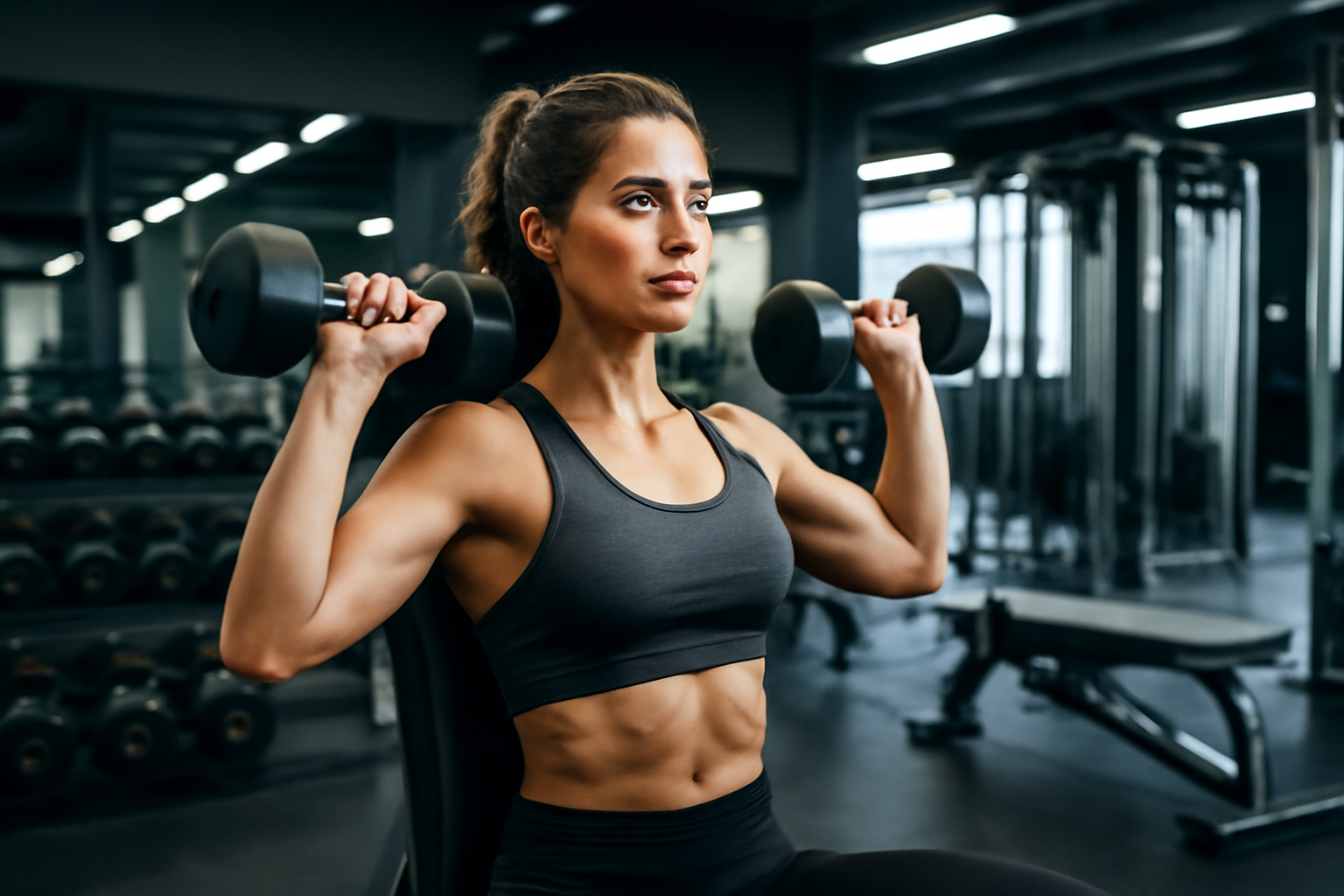
    • Push Day targets your chest, shoulders, and triceps — all the muscles involved in pushing movements like the bench press and overhead press.
    • Pull Day targets your back, biceps, and rear delts — muscles engaged during pulling movements like rows, pull-ups, and deadlifts.
    • Leg Day targets your quads, hamstrings, glutes, and calves — the full lower body in a single dedicated session.

    You can run this PPL split two different ways. The 6-day version has you training Monday through Saturday in a Push/Pull/Legs/Push/Pull/Legs pattern, which is ideal if you’re an experienced lifter who can handle high volume and recover well. The 3-day version spreads the three sessions across the week — think Monday, Wednesday, Friday — which works better for lifters who are still building their work capacity or have a busier schedule. Both approaches are effective. Your recovery, lifestyle, and training age determine which one is right for you.

    The Complete Push Pull Legs Routine

    Below is the exact push pull legs routine I recommend to intermediate lifters. The exercise selection, rep ranges, and set volumes are all chosen with both muscle growth and long-term joint health in mind. Follow progressive overload — add weight or reps week over week — and this program will deliver results for months.

    Push Day — Chest, Shoulders, Triceps

    • Bench Press — 4 sets x 6–8 reps
    • Overhead Press — 3 sets x 8–10 reps
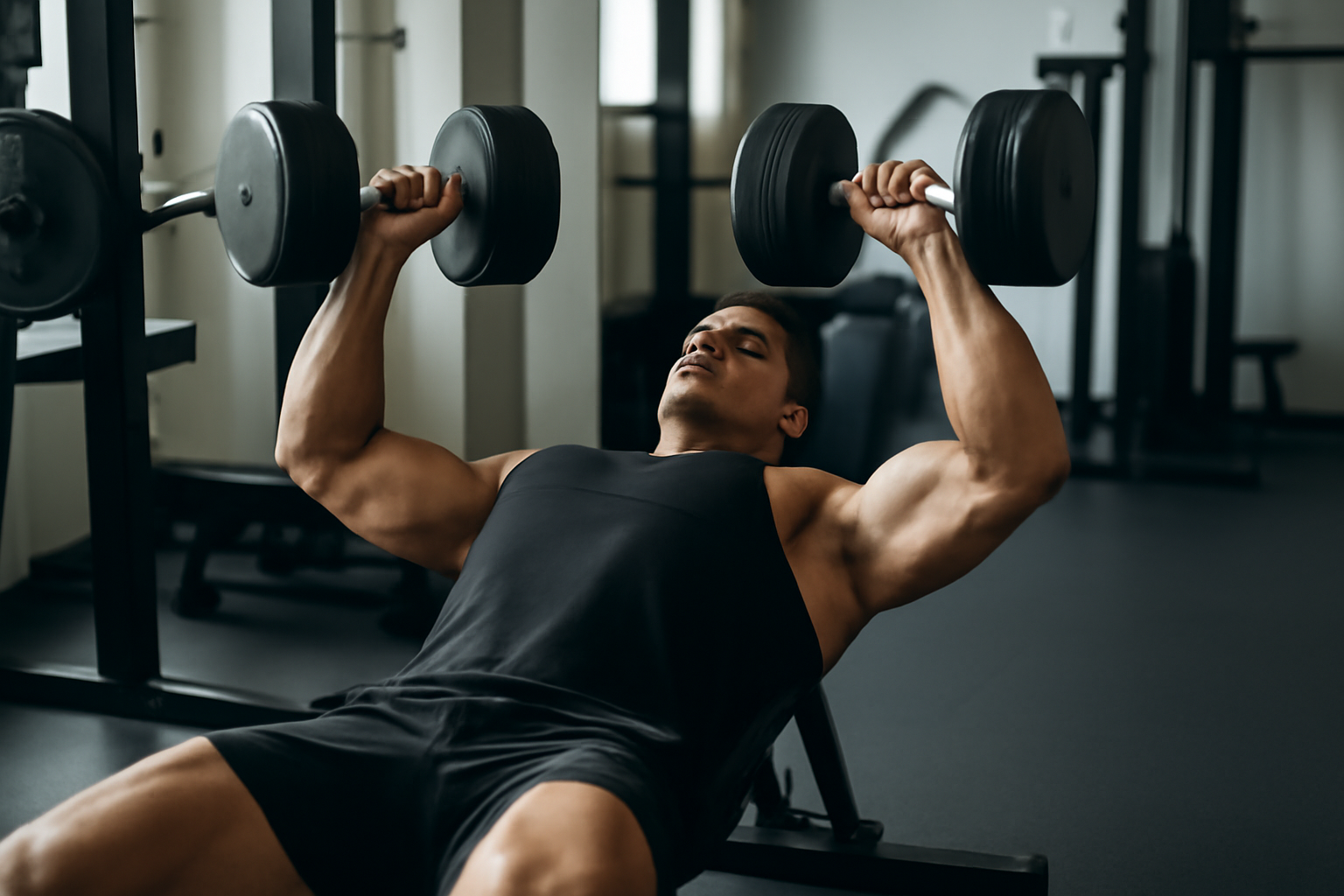
    • Incline Dumbbell Press — 3 sets x 10–12 reps
    • Lateral Raises — 3 sets x 15 reps
    • Tricep Pushdowns — 3 sets x 12 reps
    • Overhead Tricep Extension — 2 sets x 12 reps

    Tracking your lifts is something I consider non-negotiable on a push pull legs routine — and that’s where having a dedicated workout journal makes a real difference. I’ve been recommending the Fitness Workout Journal for Women & Men to my clients for a while now because it strikes the right balance between structure and flexibility. The A5 format fits easily in a gym bag, and the layout makes it simple to log sets, reps, and weights for every exercise in this program. When you’re chasing progressive overload session after session across three different training days, having a written record isn’t optional — it’s how you actually make progress.

    Pull Day — Back, Biceps, Rear Delts

    • Deadlifts — 3 sets x 5 reps (or Barbell Rows — 4 sets x 6–8 reps)
    • Pull-Ups — 3 sets x AMRAP
    • Seated Cable Rows — 3 sets x 10–12 reps
    • Face Pulls — 3 sets x 15–20 reps
    • Barbell Curls — 3 sets x 10 reps
    • Hammer Curls — 2 sets x 12 reps

    Pull day is your most taxing session of the week, especially if you’re deadlifting heavy. Nutrition timing around this session matters, and protein intake post-workout is a real factor in recovery. This is where a quality shaker bottle becomes a practical piece of equipment, not just an accessory. The VELOMIX 2-Pack 28 oz Protein Shaker Bottles are what I keep in my gym bag. The dual wire whisk design mixes protein powder cleanly with no clumps, the 28 oz capacity is generous enough for a proper post-workout shake, and getting two bottles in one pack means you always have a clean one ready to go. Leak-proof construction is something I won’t compromise on, and these deliver.

    Leg Day — Quads, Hamstrings, Glutes, Calves

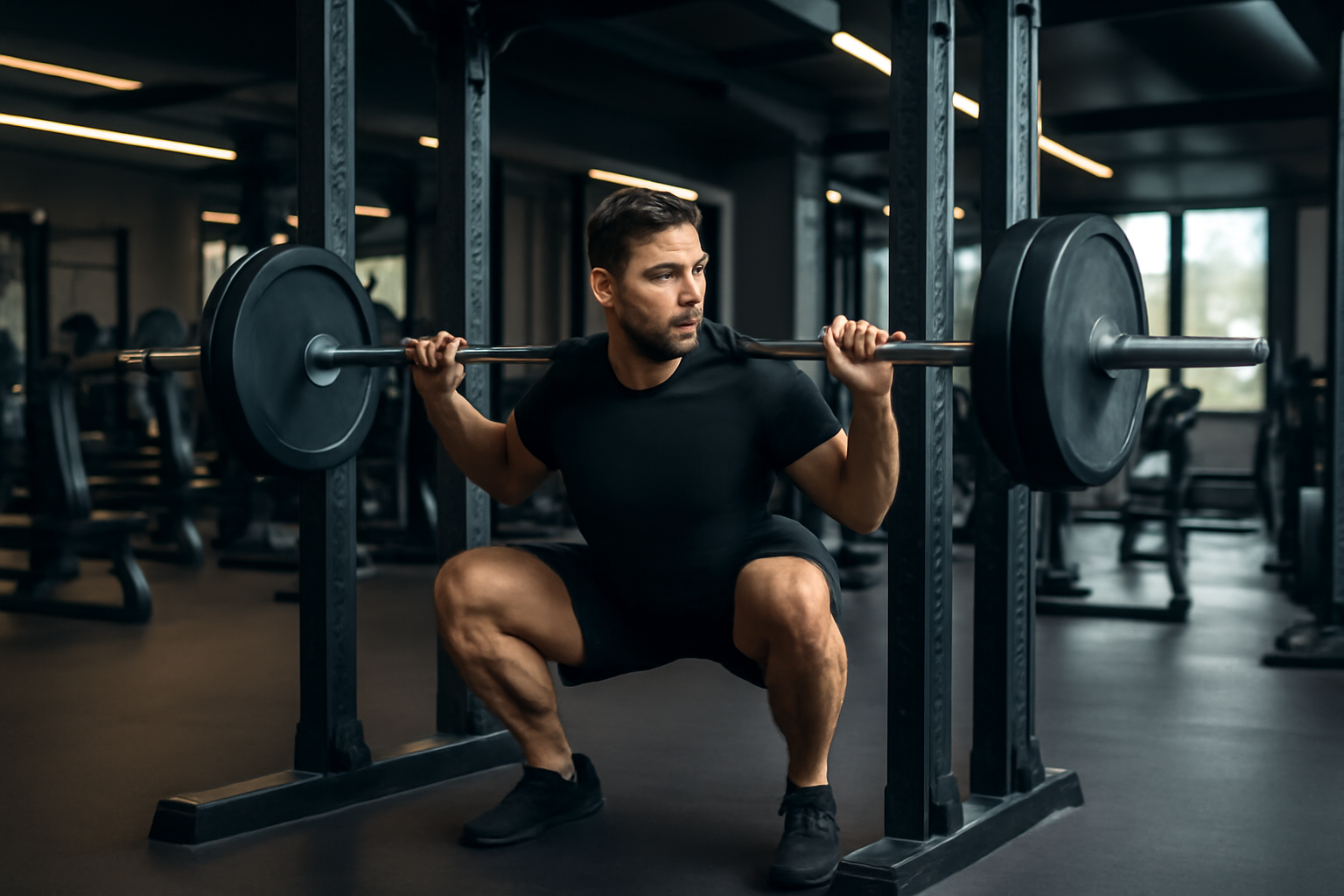
    • Squats — 4 sets x 6–8 reps
    • Romanian Deadlifts — 3 sets x 8–10 reps
    • Leg Press — 3 sets x 10–12 reps
    • Walking Lunges — 3 sets x 12 reps per leg
    • Leg Curls — 3 sets x 12 reps
    • Standing Calf Raises — 4 sets x 15 reps

    Leg day in a push pull legs routine is a grind, and staying hydrated through the session makes a noticeable difference in performance and endurance. I’ve been using the BlenderBottle Strada Insulated Stainless Steel Shaker Cup on heavy training days and it’s genuinely impressive. The insulated stainless steel construction keeps cold drinks cold for hours, which matters when you’re ninety minutes deep into squats and Romanian deadlifts. It also doubles as a clean shaker for intra-workout amino acids or post-session protein. The 24-ounce size is compact enough to sit on the rack beside you without being in the way. Most of my clients who train seriously end up with one of these.

    How to Customize PPL for Your Goals

    One of the biggest strengths of the push pull legs split is how adaptable it is. The structure stays the same — you’re always organizing training by push, pull, and legs — but the variables inside that structure flex based on what you’re chasing.

    Training for Strength

    If strength is the primary goal, shift your rep ranges down to 3–6 on the main compound lifts — bench press, overhead press, deadlifts, and squats. Rest periods should be longer, typically 3 to 5 minutes between heavy sets, to allow full neuromuscular recovery before the next effort. Keep the accessory work slightly higher in reps to maintain muscle balance without crushing your recovery. Progressive overload here means adding weight to the bar as the priority.

    Training for Hypertrophy

    For muscle growth, the moderate rep range of 8–12 is your primary zone, with rest periods of 60 to 90 seconds between sets to keep metabolic stress elevated. This is where the accessory movements in the routine — lateral raises, face pulls, hammer curls, calf raises — become especially important. Volume drives hypertrophy, so make sure you’re hitting that weekly target across both sessions if you’re running the 6-day version.

    3-Day vs 6-Day PPL: Which One Is Right for You?

    The 3-day version is the right starting point if you’ve been training for less than two years, if your recovery between sessions is slow, or if life simply doesn’t allow for six gym days per week. Each muscle group gets hit once per week, which is still enough stimulus to grow — especially if your nutrition and sleep are dialed in. The 6-day version is appropriate if you’re an experienced lifter who can recover from higher weekly volume, wants to hit each muscle group twice per week, and can commit to six sessions consistently. Twice-weekly frequency has a meaningful edge for hypertrophy in well-trained individuals, so the 6-day approach is worth the investment if you’re ready for it.

    Whether you’re running 3 days or 6, logging your workouts consistently is how you bridge the gap between effort and progress. The Nextnoid Hardcover Fitness Journal Workout Planner is one I recommend specifically because the hardcover construction holds up to daily gym use without falling apart after a few weeks. The A5 format is practical, the layout supports structured logging for both gym and home workouts, and the build quality is noticeably better than standard spiral-bound alternatives. If you’re serious about running this push pull legs routine with real accountability, this journal earns its place in your bag.

    PPL vs Upper/Lower vs Full Body: Which Split Is Best?

    The honest answer is that the best split is the one that fits your training age, schedule, and recovery capacity. But here’s how the three main options compare in practical terms.

    Full body training works best for beginners. Hitting every muscle group three times per week with relatively low per-session volume is ideal for building the neuromuscular foundation that makes all future training more effective. If you’ve been training seriously for less than a year, start here.

    Upper/lower splits are a strong middle ground for lifters who’ve outgrown full body but aren’t yet managing the volume demands of push pull legs. Four days per week, each muscle group hit twice, with manageable session lengths — it’s an efficient and well-researched approach for early intermediate lifters.

    Push pull legs is where intermediate to advanced lifters live. The higher per-muscle volume, logical grouping by movement pattern, and flexibility to run 3 or 6 days makes it the most scalable and effective option for anyone past the beginner stage. If you’ve been training consistently for 1.5 to 2 years or more and you’re ready to take volume and structure seriously, the push pull legs routine is the split I’d put you on first.

    Final Thoughts

    Push pull legs has earned its reputation as one of the most effective training frameworks in evidence-based fitness — and after years of coaching and personal training experience, I’d agree completely. The structure is logical, the recovery balance is smart, and the flexibility to run it across 3 or 6 days makes it accessible to a wide range of lifters. Follow the routine outlined here, track your progress religiously, fuel your sessions properly, and stay consistent. That formula works. Start with the 3-day version if you need to, graduate to the 6-day when you’re ready, and let the program do what it’s designed to do.

  • Full Body Workout Routine: The Most Efficient Way to Build Muscle

    Full Body Workout Routine: The Most Efficient Way to Build Muscle

    This post contains affiliate links. As an Amazon Associate, I earn from qualifying purchases at no extra cost to you.

    If you’re still running a chest-on-Monday, back-on-Tuesday, legs-on-Friday bro split, I want you to stop and ask yourself one question: how’s that actually working for you? For most people — busy professionals, parents, anyone juggling a real life outside the gym — the answer is “not as well as I’d like.” A well-structured full body workout performed three days per week is, for the vast majority of lifters, a more effective and more efficient path to building muscle and strength. I’ve trained hundreds of clients, and the shift to full body training is one of the highest-leverage changes I recommend. This guide covers the science, gives you a complete full body workout routine, and shows you how to progress so you’re actually getting stronger month after month.

    Why Full Body Workouts Build More Muscle

    The core argument against bro splits is rooted in training frequency. When you train chest once per week on a traditional split, you stimulate muscle protein synthesis once — and that elevated synthesis window largely closes within 48–72 hours. The rest of the week, that muscle group is sitting idle. A full body workout approach changes that equation completely by hitting each muscle group three times per week.

    A 2016 meta-analysis published in the Journal of Strength and Conditioning Research by Schoenfeld, Ogborn, and Krieger found that training a muscle group twice or three times per week produced significantly greater hypertrophy compared to once per week, even when total volume was equated. In other words, frequency itself is a driver of muscle growth, not just how much total work you do. Spreading your sets across three sessions rather than cramming them into one creates more frequent protein synthesis spikes, and more spikes mean more cumulative growth over time.

    There’s also a practical efficiency argument. If you’re working out three days per week and hitting every muscle group each session, you never have a “wasted” workout. Miss your leg day on a traditional split? You’ve gone two weeks without training legs. Miss a Wednesday on a full body plan? You’re back at it Friday. The redundancy built into a full body workout schedule acts as a buffer against real-life disruption.

    The Full Body Workout Routine (3 Days Per Week)

    This full body workout routine uses an A/B alternating template across Monday, Wednesday, and Friday. Week one looks like A/B/A, week two looks like B/A/B, and so on. This gives you slightly more frequency on alternating lifts without overloading any single movement pattern. Both days train the full body — they just use different exercises to provide variety, manage fatigue, and develop more complete musculature.

    Day A

    • Barbell Back Squat — 4 sets x 6 reps
    • Barbell Bench Press — 3 sets x 8 reps
    • Barbell Row — 3 sets x 8 reps
    • Overhead Press — 3 sets x 10 reps
    • Bicep Curls — 2 sets x 12 reps

    Day B

    • Deadlift — 3 sets x 5 reps
    • Incline Dumbbell Press — 3 sets x 10 reps
    • Pull-ups — 3 sets x AMRAP (as many reps as possible)
    • Leg Press — 3 sets x 12 reps
    • Tricep Pushdowns — 2 sets x 12 reps

    To execute this full body workout plan properly at home, you need a rack that can handle heavy squats, bench press, overhead press, and pull-ups without compromise. The ULTRA FUEGO Power Cage Multi-Functional Power Rack with J-Hooks, Dip Handles, Landmine Attachment and Optional Cable Pulley System covers every exercise in this program and then some. What I appreciate most about this rack is the landmine attachment — it opens up rotational pressing and rowing variations that a basic squat stand simply can’t offer. The dip handles mean your tricep work doesn’t require a separate station, and the optional cable pulley system brings the pushdowns and cable rows from Day B into your home gym without needing a commercial cable machine. If you’re serious about running this program long-term, this is the rack I’d put in my own garage.

    For lifters who want more cable variety — particularly for the pull-down and crossover movements that complement a full body workout — the GOIMU DP01 Power Cage 2000LBS Squat Rack with Cable Crossover and Dual Independent Pulley System is a serious upgrade worth considering. The dual independent pulley system is the standout feature here — it lets you perform cable crossovers, independent cable rows, and unilateral cable work that a single-stack system simply can’t replicate. A 2000 lb weight capacity means you’ll never outgrow it no matter how strong you get. Most of my more advanced clients who train at home end up in a rack like this eventually, and the GOIMU DP01 punches well above its price point for what it delivers.

    Of course, neither rack does much without quality plates and a solid barbell. For beginners and intermediate lifters building their home gym around this program, the CAP Barbell 160 lb Economy Olympic Weight Set with 7ft Chrome Barbell and Black Bumper Plates with Color Logo is an excellent starting point. The bumper plates are the key detail here — they protect your floors on deadlifts and allow you to drop the bar safely if you miss a lift, which matters when you’re training alone at home. A 160 lb total capacity is plenty of iron to run Day A and Day B as a beginner, covering squats, presses, rows, and deadlifts through the early months of linear progression.

    How to Progress on a Full Body Program

    The program above is only as good as the progression model driving it. Exercises don’t build muscle — progressive overload does. Here’s how I structure progression depending on training age.

    Beginners: Linear Progression

    If you’ve been lifting consistently for less than a year, you’re in the most privileged position in all of strength training: you can add weight to the bar every single session. Add 5 lbs per session on upper body lifts and 10 lbs per session on lower body lifts. It sounds aggressive, but your nervous system adapts faster than your muscles at this stage, and failing to push load progression is the single biggest mistake beginners make. Track every session in a notebook or app, and do not skip planned weight increases unless you genuinely failed to complete your reps.

    Intermediates: Double Progression

    Once linear progression stalls — you can’t add weight every session anymore — shift to double progression. This means you work within a rep range rather than a fixed rep target. Take bench press at 3×8 as an example: start at the bottom of the range (say, 3×6) and work up over multiple sessions until you hit 3×8 with clean form. Only then do you add 5 lbs and drop back to 3×6. This slower ramp allows you to accumulate more volume before jumping weight, which is appropriate once you’re no longer a rapid responder to every new stimulus.

    Deloads Every 4–6 Weeks

    Every 4–6 weeks, take a deload week. Drop your working weights by 40–50% and reduce volume by half. This isn’t optional softness — it’s a deliberate tool for managing accumulated fatigue and allowing connective tissue to recover. Research consistently shows that supercompensation — the performance rebound after a period of reduced training — produces strength and size gains that wouldn’t occur without the recovery phase. Come back after your deload and you’ll almost always hit new personal records.

    As your strength grows and you’re regularly deadlifting and squatting at heavier loads, your starting weight set may no longer be sufficient. The CAP Barbell 260 LB Economy Olympic Bumper Plate Set with Color Logo in Black gives you the iron to train at intermediate and advanced loads without compromising on plate quality. The bumper construction remains intact for deadlift drops, and 260 lbs of total capacity means you’re equipped for heavy squats, deadlifts, and loaded presses well into your intermediate training career. This is the set I’d recommend upgrading to once you’ve outgrown a starter kit — it’s straightforward, durable, and gives you room to grow.

    Full Body Workout at Home

    No barbell? No problem. A full body workout at home is completely viable with bodyweight and a pair of adjustable dumbbells. Here’s how to adapt the same structure:

    Home Day A

    • Goblet Squat or Bulgarian Split Squat — 4 sets x 8–10 reps
    • Dumbbell Floor Press or Push-ups (weighted vest) — 3 sets x 10–12 reps
    • Dumbbell Row — 3 sets x 10 reps each side
    • Dumbbell Overhead Press — 3 sets x 10–12 reps
    • Dumbbell Curl — 2 sets x 12–15 reps

    Home Day B

    • Romanian Deadlift (dumbbells) — 3 sets x 10–12 reps
    • Incline Push-ups or Dumbbell Incline Press — 3 sets x 10–12 reps
    • Pull-ups or Inverted Rows — 3 sets x AMRAP
    • Dumbbell Reverse Lunge — 3 sets x 10 reps each leg
    • Overhead Tricep Extension (dumbbell) — 2 sets x 12–15 reps

    The same progression principles apply here. Add reps until you hit the top of your rep range, then increase dumbbell weight. The home version is genuinely effective — I’ve seen clients build significant muscle training exclusively this way for months before transitioning to a barbell setup.

    Final Thoughts

    A well-programmed full body workout three days per week is not a compromise — it’s a smart, evidence-based training strategy that outperforms low-frequency splits for the majority of natural lifters. You’re hitting every muscle group more often, stimulating protein synthesis more frequently, and building in structural redundancy that keeps progress moving even when life gets in the way. Whether you’re training in a commercial gym, building a home setup around one of the power racks above, or working with nothing but dumbbells and your bodyweight, the framework in this guide will get you stronger. Run this full body workout routine, track your progress, add weight consistently, and deload when scheduled. That’s the whole system — and it works.

  • The Best Chest Workout for Mass: Exercises, Sets, and Programming That Actually Work

    The Best Chest Workout for Mass: Exercises, Sets, and Programming That Actually Work

    This post contains affiliate links. As an Amazon Associate, I earn from qualifying purchases at no extra cost to you.

    Ask any guy in the gym what muscle he trains most, and the answer is almost always chest. Ask him why his chest still looks flat after two years of training, and you’ll get a blank stare. In my experience training clients across all fitness levels, the chest is simultaneously the most trained and most poorly developed muscle group in recreational lifters. People default to the same flat bench routine, quarter-rep their way through heavy sets, skip incline work entirely, and then wonder why their upper pec looks like a dinner plate instead of a shelf. A well-designed chest workout isn’t complicated — but it does require you to stop letting your ego write your program. This guide cuts through the noise and gives you exactly what the evidence supports: the right exercises, the right volume, and the right way to execute each rep.

    The Best Chest Exercises (Ranked by Muscle Activation)

    Not all chest exercises are created equal. EMG research and decades of practical coaching both point to a handful of movements that consistently outperform the rest. Here’s how I rank them — and why.

    Barbell Bench Press (Flat) — The King for Overall Mass

    If you want a thick, full chest, the flat barbell bench press is still the most efficient path to get there. It allows you to load the pectorals heavier than almost any other movement, recruits the anterior deltoid and triceps as strong synergists, and has a mountain of research supporting its effectiveness for hypertrophy. The key is executing it correctly: full range of motion, controlled eccentric, bar touching your lower chest — not bouncing off your sternum. Done properly, this is the cornerstone of the best chest workout you can build.

    Incline Dumbbell Press (30–45 Degrees) — Upper Chest Emphasis

    The clavicular head of the pec major — what most people call the “upper chest” — is chronically underdeveloped in lifters who only flat bench. Incline pressing at 30 to 45 degrees shifts the emphasis upward and creates that full, three-dimensional look that separates a trained chest from a flat one. Dumbbells are preferable to a barbell here because they allow greater range of motion and let each arm move independently, correcting strength imbalances over time. If you have an adjustable bench at home, this exercise alone justifies the investment.

    Speaking of which — if you’re building a home setup, the Cometofit Adjustable Bench is one I genuinely recommend. It handles incline, flat, and decline positions, which means you’re not buying three separate pieces of equipment. The build quality is solid, it doesn’t wobble under load, and the incline adjustability hits that sweet spot of 30 to 45 degrees perfectly for upper chest work. Most of my clients who train at home use something in this category, and this bench punches above its price point.

    Dumbbell Flyes / Cable Flyes — Stretch and Squeeze

    Pressing movements are essential, but they don’t fully stress the pec through its stretched position the way fly variations do. Research on muscle hypertrophy increasingly points to the importance of training at long muscle lengths — and cable flyes or dumbbell flyes deliver exactly that. The key is keeping a slight bend in the elbow, feeling a genuine stretch at the bottom, and not turning the movement into a press. These aren’t ego-lifting exercises. Use a weight that lets you feel the chest, not just move the load.

    Dips (Weighted If Possible) — Lower Chest and Overall Mass

    Weighted dips are one of the most underutilized chest exercises in most programs. Leaning slightly forward during the dip shifts the load from the triceps onto the lower pec, creating thickness in the sternal portion of the chest that pressing alone won’t build. If you can add a dip belt and some plates, even better — progressive overload on this movement produces serious results. Bodyweight dips are a solid starting point, but once you can hit 15 or more clean reps, it’s time to add resistance.

    Push-Ups — As a Finisher or for Beginners

    Push-ups get dismissed by intermediate lifters, but they deserve a spot in almost every chest workout. They allow serratus anterior activation, natural scapular movement that a bench press restricts, and when used as a finisher at the end of a session, they create a serious pump that reinforces the mind-muscle connection. For beginners, push-ups are the safest and most accessible entry point into chest training — and there are enough variations to keep them challenging for months.

    The Complete Chest Workout: Sets, Reps, and Rest

    Here is a sample chest workout built around the exercises above. This is the structure I use with intermediate clients training two to three times per week.

    • Flat Barbell Bench Press: 4 sets × 6–8 reps | Rest 2–3 minutes
    • Incline Dumbbell Press (30–45°): 3 sets × 8–10 reps | Rest 90–120 seconds
    • Cable or Dumbbell Flyes: 3 sets × 12–15 reps | Rest 60–90 seconds
    • Weighted Dips: 3 sets × 8–12 reps | Rest 90 seconds
    • Push-Up Finisher: 2 sets to failure | Rest 60 seconds

    That gives you 15 working sets per session — right in the middle of the 10 to 16 weekly set range that current hypertrophy research identifies as the sweet spot for most natural lifters. Going much higher doesn’t produce proportionally better results and dramatically increases recovery demand. Going much lower leaves gains on the table. The goal is accumulating enough volume with enough intensity to force adaptation — not destroying yourself for the sake of it.

    Progressive overload is non-negotiable. Every week, your goal is to add either a rep or a small amount of weight to each working set. It doesn’t have to be dramatic — 2.5 lbs or one extra rep counts. Over months, that compounds into real size and strength gains. If you’re training at home, having adjustable dumbbells with enough weight range to progress is critical, and this is where quality equipment pays for itself.

    The TYZDMY Adjustable Dumbbells Set is one of the better options I’ve come across for serious home training. At 52.5 lbs per dumbbell — 105 lbs total — with 15 weight increments, this set covers the full range you need from warm-up flyes all the way to heavy incline pressing. The quick-adjust mechanism is genuinely fast, which matters between sets when you don’t want to break your rest timing. If you’re committed to building a real chest at home, a set like this removes the excuse of not having enough weight to progress.

    Common Chest Workout Mistakes

    I’ve watched enough chest workouts in commercial gyms to write a horror novel. Here are the mistakes I see most consistently — and the ones costing people the most progress.

    Ego Lifting on Bench (Partial Reps, Bouncing)

    Loading the bar with more than you can control and grinding out four-inch range of motion reps is one of the most common ways to train chest without actually training chest. Partial reps at heavy loads shift tension to the shoulders and triceps, reduce time under tension in the pec, and dramatically increase injury risk. The bar should touch your chest — lightly, under control — on every rep. If it doesn’t, strip the weight until it does.

    Skipping Incline Work

    The flat bench is not a complete chest workout on its own. Skipping incline presses consistently produces a low, flat chest with no development in the upper portion — the area most visible when you’re standing upright. Incline work should be in your program every single session. No exceptions.

    Ignoring the Stretch Position

    Cutting the range of motion short to protect the ego means missing the most hypertrophically valuable part of many chest exercises. Emerging research suggests the stretched position under load is where a significant portion of muscle growth stimulus occurs. Let the dumbbells come down far enough on flyes and presses to actually feel a stretch in the pec. Controlled, not reckless — but the full range matters.

    Too Much Volume, Not Enough Intensity

    Twenty sets of chest work spread across five exercises with weights that never challenge you is not a productive chest workout. It’s cardio with dumbbells. Volume matters, but intensity — training close to muscular failure — is what actually drives adaptation. Keep your sets hard. The last two reps of each set should require genuine effort.

    Chest Workout at Home (No Bench Required)

    No gym, no bench, no problem — within reason. You can build a genuinely effective chest workout at home if you’re strategic about exercise selection.

    Push-Up Variations

    • Wide-grip push-ups: Emphasizes the sternal (middle and lower) pec
    • Decline push-ups (feet elevated): Shifts load to upper chest, mimicking incline pressing
    • Close-grip push-ups: Greater tricep involvement, inner chest emphasis
    • Archer push-ups: Single-arm loading, increases difficulty significantly

    The FDS1 Adjustable Dumbbell Set is worth highlighting here because it does something clever — it functions as a push-up stand in addition to a full adjustable dumbbell set, kettlebell, and barbell. That 5-in-1 design is genuinely useful in a home gym context where you want to maximize versatility without cluttering your space. The upgraded nut mechanism keeps the weight secure during dynamic movements, which matters when you’re using them as push-up handles. It’s one of those pieces of equipment that earns its floor space.

    Resistance Band Alternatives

    Resistance bands anchored to a door or a post can replicate cable fly mechanics surprisingly well. The key advantage is that bands provide accommodating resistance — increasing tension as you move through the range of motion — which actually mimics the cable fly stimulus more closely than you might expect. Band chest presses and band crossovers are both legitimate options when weights aren’t available.

    Why the Floor Press Works Better Than You Think

    The floor press — lying on the ground and pressing dumbbells — eliminates the leg drive and arch of a traditional bench press, forcing more honest chest and tricep recruitment. The limited range of motion is a drawback, but for home training without a bench, it’s a legitimate pressing option that loads the chest meaningfully. Pair it with decline push-ups and resistance band flyes, and you have a complete at-home chest workout that actually produces results.

    If you’re ready to upgrade from floor pressing, an adjustable bench is the single best investment for home chest training. The YOLEO Adjustable Weight Bench stands out for a few reasons — it’s ASTM-certified to hold 827 lbs, comes 98% pre-assembled (which means you’re actually using it within minutes of unboxing), and offers 84 positions across incline, flat, and decline. The wider seat adds genuine stability during heavy pressing. In my experience, the bench is the piece of home gym equipment clients get the most use out of, and this one is built to last.

    Final Thoughts

    The best chest workout is not the one with the most exercises or the heaviest weight — it’s the one executed with full range of motion, appropriate intensity, and enough consistency to force progressive overload over time. Stick to compound pressing movements as your foundation, add targeted isolation work to fill in the gaps, train close to failure without destroying your joints, and give the chest adequate recovery before hitting it again. Do that for twelve months, and the results will speak for themselves. Skip the shortcuts, ditch the ego, and train the muscle — not the mirror.