Category: Saunas

  • Infrared Sauna Benefits: A Deep Dive into Modern Heat Therapy

    Infrared Sauna Benefits: A Deep Dive into Modern Heat Therapy

    The Science Behind Infrared Heat Therapy

    My college roommate was a biology major obsessed with exercise science, and our late-night debates about training methods were basically my real fitness education. One topic he kept circling back to was infrared heat therapy — specifically how it worked on a completely different physiological level than anything else we’d tried. Unlike a traditional sauna that simply heats the air around you, infrared technology works within a precise range of the electromagnetic spectrum, using wavelengths between 700 and 1000 nanometers to penetrate directly into human tissue. That distinction, as I’d eventually learn, isn’t just scientific trivia — it’s the reason infrared saunas produce a uniquely powerful response in the body that conventional heat exposure simply can’t replicate.

    What I Recommend

    If you’re doing light movement or stretching inside an infrared sauna, heat-resistant resistance bands are a game-changer. They won’t degrade from the intense heat like regular bands, and they give you a way to actually work your muscles while reaping the recovery benefits of the sauna.

    A quality heat-resistant exercise mat makes sauna workouts infinitely more comfortable and hygienic. I use one every time I do any floor work in the heat—it protects your skin and keeps your workout stable.

    Hydration is absolutely critical when you’re using infrared saunas regularly, and an insulated stainless steel water bottle keeps your water cool and accessible before, during, and after your session. I always have one nearby—dehydration will erase any benefits you’re trying to get.

    When you’re sweating heavily in an infrared sauna, your electrolytes are leaving your body along with the water. An electrolyte powder supplement mixed into your water ensures you’re replacing what you’ve lost and maintaining proper cellular function during recovery.

    A good microfiber quick-drying towel is essential sauna gear. Regular towels hold moisture and bacteria; microfiber dries fast and actually wicks sweat away efficiently—exactly what you need after intense heat exposure.

    If you want to monitor your cardiovascular response during infrared sauna sessions, a waterproof chest strap heart rate monitor gives you real-time data on how your body is adapting. I use one to track heart rate variability and ensure I’m staying in a safe zone during longer sessions.

    For someone who can’t access a sauna regularly or wants supplemental heat therapy at home, an infrared sauna blanket is a solid investment. It delivers localized infrared benefits without needing a full cabin, making it practical for recovery work on off days.

    After exiting the heat, a cooling towel accelerates your body’s return to normal temperature and pairs perfectly with post-sauna recovery. I’ve found it reduces the lightheadedness some people get when cooling down too quickly.

    Combining sauna sessions with targeted recovery work is smart, and a quality foam roller is one of my go-to tools. Use it before sauna to prep your muscles or after to enhance the recovery effect heat therapy provides.

    A massage gun complements infrared sauna recovery perfectly by targeting muscle tension and increasing blood flow to specific areas. I use mine 10-15 minutes after sauna sessions for accelerated soft tissue recovery.

    Tracking your recovery metrics over time makes a real difference, and a fitness tracker smartwatch with heart rate monitoring gives you the data to see how infrared sauna affects your resting heart rate, HRV, and overall recovery trends.

    If you incorporate stretching or mobility work into your sauna routine, yoga blocks make certain positions more accessible and safer when your body is in a heightened state of heat sensitivity.

    A dedicated sauna workout guide is genuinely helpful if you’re serious about maximizing your sessions. It covers everything from breathing techniques to safe exercise protocols inside the heat—knowledge that separates casual users from people who actually get results.

    Finally, proper non-slip sauna slippers protect your feet and prevent accidents on wet floors. Safety matters just as much as the therapy itself, and having footwear specifically designed for sauna environments is a simple way to train smarter.

    As an Amazon Associate, I earn from qualifying purchases.

    How Infrared Technology Transforms Your Recovery Session

    The far-infrared waves penetrate approximately 1.5-2 inches into muscle tissue, creating heat from the inside out. This deep tissue warming mechanism offers several advantages for athletes and fitness enthusiasts:

    • Enhanced muscle recovery through improved circulation at the cellular level
    • Reduced delayed onset muscle soreness (DOMS) following intense training sessions
    • Improved flexibility as heated muscle fibers become more pliable and responsive to stretching
    • Accelerated metabolic processes that support protein synthesis and tissue repair

    Temperature Optimization for Maximum Training Benefits

    Traditional saunas operate between 160-200°F, which can be overwhelming and limit session duration. Infrared saunas function effectively at 120-140°F, allowing for:

    1. Extended exposure periods of 30-45 minutes versus 10-15 minutes in conventional saunas
    2. Better hydration maintenance due to reduced ambient heat stress
    3. Improved comfort during active recovery protocols
    4. Enhanced focus on breathing techniques and meditation practices

    Physiological Adaptations and Performance Enhancement

    The direct heating mechanism triggers specific cardiovascular adaptations similar to moderate aerobic exercise. Your heart rate increases by 20-30 beats per minute, mimicking the effects of a brisk walk or light jog. This cardiovascular stimulation provides:

    • Improved stroke volume and cardiac output efficiency
    • Enhanced capillary density in targeted muscle groups
    • Increased heat shock protein production, which supports cellular protection and recovery
    • Elevated growth hormone release, particularly beneficial for muscle repair and adaptation

    Practical Integration with Training Protocols

    Infrared sauna sessions complement various periodization strategies and training phases:

    Post-Workout Recovery Protocol:

    • Schedule 20-30 minute sessions within 2-4 hours after intense training
    • Combine with static stretching routines to maximize flexibility gains
    • Focus on diaphragmatic breathing to enhance parasympathetic recovery

    Active Recovery Days:

    • Utilize longer 40-45 minute sessions on rest days
    • Incorporate gentle mobility work or foam rolling during the session
    • Practice mindfulness techniques to reduce cortisol levels and training stress

    Pre-Competition Preparation:

    • Use shorter 15-20 minute sessions to promote muscle activation and circulation
    • Combine with dynamic warm-up movements performed at lower intensities
    • Focus on mental preparation and visualization techniques
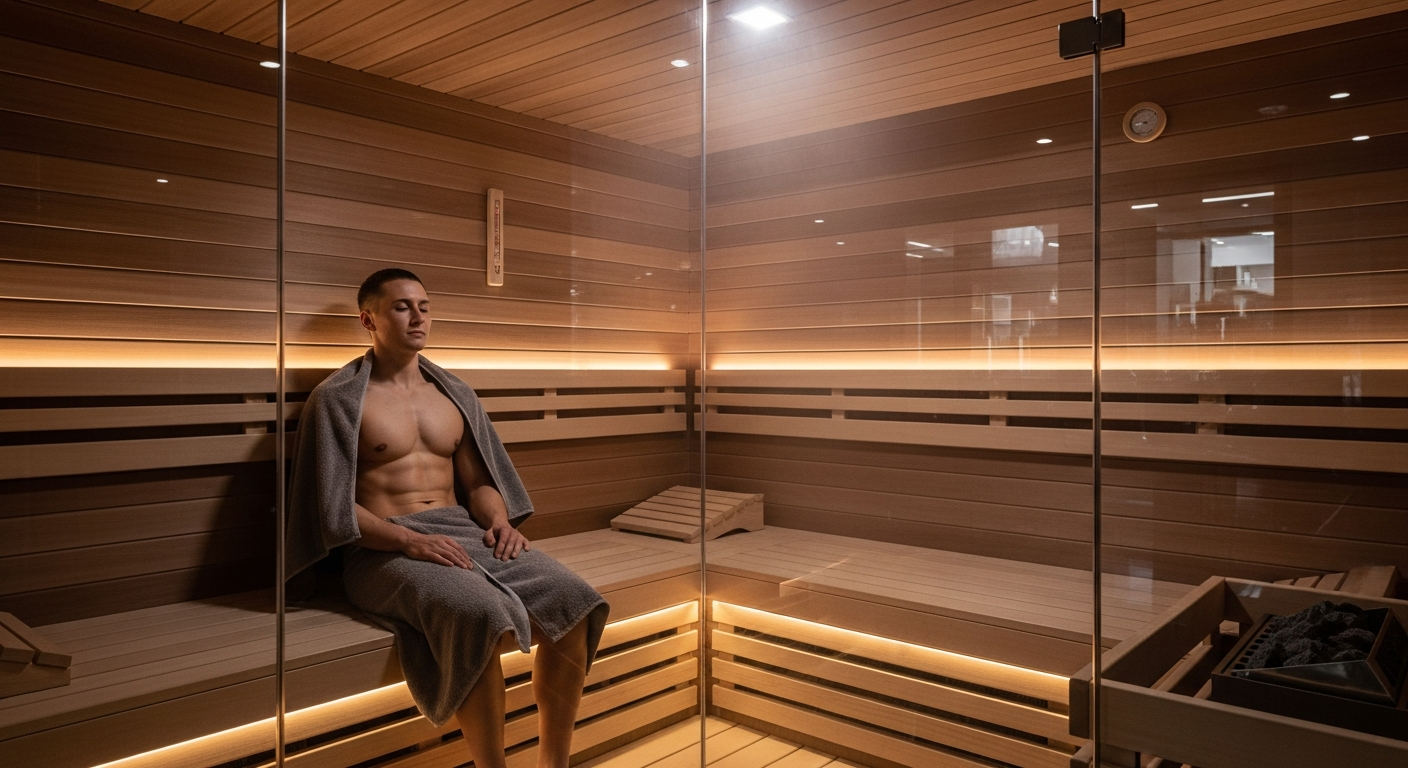
    A person sitting peacefully in a beautifully crafted wooden sauna with warm, honey-colored cedar or pine panels lining the walls and benches. Soft, ambient lighting creates a cozy, therapeutic atmosphere with gentle shadows dancing across the natural wood grain. The individual appears relaxed and se

    How Does Infrared Heat Therapy Work?

    Understanding Infrared Technology in Athletic Recovery

    Infrared wavelengths operate within the electromagnetic spectrum at frequencies between 700 nanometers and 1 millimeter, creating a unique form of radiant energy that penetrates human tissue more effectively than traditional convective heat sources. Unlike conventional Finnish saunas that heat the surrounding air to extreme temperatures (often exceeding 180°F), infrared technology directly warms your body at the cellular level while maintaining more comfortable ambient temperatures of 120-140°F.

    The Science Behind Deep Tissue Penetration

    This targeted heating mechanism allows infrared energy to reach depths of 1.5 to 2 inches into muscle tissue, making it particularly beneficial for athletes and fitness enthusiasts dealing with:

    • Deep muscle tension in the glutes, hamstrings, and quadriceps following intense leg training
    • Chronic tightness in the latissimus dorsi and rhomboids from repetitive pulling movements
    • Joint stiffness in the shoulders, hips, and ankles that limits range of motion during compound exercises

    Enhanced Recovery for Specific Training Modalities

    Strength athletes who regularly perform heavy deadlifts, squats, and overhead presses often experience deep muscular fatigue that surface-level heat therapy cannot adequately address. The penetrating nature of infrared energy reaches the Type II fast-twitch muscle fibers that are predominantly recruited during high-intensity resistance training, promoting faster recovery between training sessions.

    Endurance athletes benefit from infrared therapy’s ability to target the oxidative muscle fibers in the calves, tibialis anterior, and deep postural muscles that maintain running economy and cycling efficiency. The deep heating effect helps flush metabolic byproducts like lactate and inflammatory markers from these hardworking tissues.

    Progressive Heat Adaptation for Performance

    The controlled, gradual warming provided by infrared technology allows for systematic heat acclimatization without the shock of extreme temperatures. This progressive approach enables athletes to:

    1. Build heat tolerance gradually over 2-3 weeks of consistent exposure
    2. Maintain proper hydration during longer 20-30 minute sessions
    3. Focus on breathing techniques and mobility work without respiratory distress
    4. Combine recovery modalities such as gentle stretching or meditation practices

    Safety Considerations and Implementation

    The medical-grade safety profile of infrared technology makes it suitable for daily use as part of a comprehensive recovery protocol. Unlike traditional saunas where overheating can occur rapidly, the gentler heating curve allows users to monitor their body’s response and adjust exposure duration based on training load and recovery needs.

    For optimal results, consider scheduling infrared sessions 2-4 hours post-workout when core body temperature has normalized but muscle temperature remains elevated from exercise-induced thermogenesis.

    Most infrared saunas utilize far-infrared waves. These are the longest waves on the spectrum. They excel at raising your core body temperature. This action triggers a deep, detoxifying sweat at the cellular level. Some advanced saunas also incorporate near-infrared and mid-infrared waves. Near-infrared waves can help with skin rejuvenation and cell health. Meanwhile, mid-infrared waves are effective for improving circulation and reducing muscle pain.

    The Science of Deep Sweating

    The thermoregulatory cascade triggered by infrared heat exposure creates a sophisticated physiological response that extends far beyond surface-level perspiration. When infrared wavelengths penetrate 1.5-2 inches into muscle tissue and subcutaneous fat layers, they activate heat shock proteins and stimulate cellular metabolism at depths traditional convection heating cannot reach.

    The Science of Deep Tissue Heat Penetration

    Unlike conventional saunas that heat the air around you, infrared technology directly warms your body’s core structures:

    • Muscle fibers experience increased blood flow and oxygen delivery
    • Adipose tissue undergoes enhanced lipolysis (fat breakdown) processes
    • Connective tissue becomes more pliable, improving flexibility and recovery
    • Lymphatic vessels dilate, promoting enhanced toxin removal pathways

    Enhanced Detoxification Mechanisms

    The bioaccumulation of environmental toxins in fat-soluble tissues creates a unique opportunity during infrared sauna sessions. As core temperature rises to 100.4-102°F (compared to 98.6°F baseline), several detoxification pathways activate simultaneously:

    Primary Elimination Routes:

    1. Sebaceous gland activation – releases stored lipophilic compounds
    2. Increased glomerular filtration – kidneys process toxins more efficiently
    3. Enhanced hepatic metabolism – liver enzymes work more effectively
    4. Improved cellular autophagy – damaged cellular components are cleared

    Training Recovery Applications

    For athletes and fitness enthusiasts, this deep heating mechanism offers specific performance benefits:

    • Post-workout inflammation reduction – heat therapy decreases inflammatory markers like C-reactive protein
    • Accelerated muscle protein synthesis – elevated core temperature stimulates recovery hormones
    • Enhanced flexibility maintenance – warmed connective tissue retains improved range of motion longer
    • Glycogen replenishment support – improved circulation aids nutrient delivery to depleted muscle stores

    Optimal timing protocols suggest 15-20 minute sessions within 2-4 hours post-exercise maximize these recovery adaptations while avoiding interference with the body’s natural inflammatory healing response.

    The cumulative effect of regular infrared exposure creates measurable improvements in cardiovascular efficiency, with heart rate responses similar to moderate-intensity exercise (120-140 BPM), making it a valuable active recovery modality for periodized training programs.

    Top Health Benefits of Infrared Saunas

    The Science Behind Infrared Heat Penetration

    Unlike traditional saunas that heat the air around you, infrared saunas utilize electromagnetic radiation to directly warm your body tissues at a cellular level. This penetrating heat reaches depths of 1.5 to 2 inches beneath the skin surface, creating a more efficient therapeutic response at lower ambient temperatures (typically 120-140°F versus 180-200°F in conventional saunas).

    Enhanced Recovery for Athletic Performance

    The deep tissue warming effect makes infrared saunas particularly valuable for athletes and fitness enthusiasts seeking optimal recovery:

    Muscle Recovery Benefits:

    • Increased blood flow to deep muscle fibers accelerates the removal of metabolic waste products like lactic acid
    • Enhanced delivery of oxygen and nutrients to damaged tissue following intense training sessions
    • Reduced delayed onset muscle soreness (DOMS) when used within 30 minutes post-workout
    • Improved flexibility and range of motion through increased tissue pliability

    Training Integration Strategies:

    1. Post-strength training: 15-20 minute sessions help relax tight quadriceps, hamstrings, and glutes after heavy squats or deadlifts
    2. Between workout days: Active recovery sessions promote circulation without additional physical stress
    3. Pre-mobility work: Warm tissues before stretching routines to improve hip flexor and thoracic spine mobility

    Cardiovascular Conditioning Through Heat Stress

    Regular infrared sauna use creates beneficial cardiovascular adaptations similar to moderate aerobic exercise:

    Physiological Responses:

    • Heart rate elevation to 100-150 beats per minute mimics Zone 2 cardio training
    • Increased stroke volume and cardiac output strengthen the cardiovascular system
    • Enhanced heat shock protein production improves cellular resilience
    • Improved VO2 max and endurance capacity over time

    Safety Protocols for Athletes:

    • Maintain proper hydration with 16-20 ounces of water before sessions
    • Monitor heart rate to avoid exceeding 80% of maximum during heat exposure
    • Allow 2-3 hours between intense training and sauna use to prevent overheating
    • Start with 10-minute sessions and gradually progress to 20-30 minutes

    Targeted Pain Management for Common Training Issues

    The deep-penetrating infrared heat addresses specific musculoskeletal concerns that plague active individuals:

    Joint and Soft Tissue Applications:

    • Lower back pain: Heat penetration relaxes erector spinae and multifidus muscles often tight from deadlifts and rows
    • Shoulder impingement: Improved circulation to rotator cuff muscles and surrounding fascia
    • IT band syndrome: Enhanced blood flow to lateral thigh structures without mechanical stress
    • Plantar fasciitis: Deep warming of foot arch tissues promotes healing and reduces morning stiffness

    Progressive Treatment Protocol:

    1. Begin with 10-minute sessions focusing on problem areas
    2. Combine with gentle stretching or myofascial release techniques
    3. Increase duration by 2-3 minutes weekly as tolerance improves
    4. Integrate breathing exercises to enhance relaxation response

    Profound Pain Relief

    One of the most celebrated benefits is natural pain relief. The deep-penetrating infrared heat increases blood circulation and reduces inflammation in sore muscles and joints. As blood flow increases, more oxygen-rich blood reaches injured areas. This process helps to speed up the healing process. For those with chronic conditions like arthritis or fibromyalgia, regular sessions can provide significant comfort. Furthermore, it helps ease the minor aches and pains that come from an active lifestyle or a strenuous workout.

    Enhanced Detoxification

    Every day, we are exposed to toxins from our environment, food, and water. Your body works constantly to eliminate these harmful substances. Infrared saunas support this natural process by inducing a powerful sweat. By raising your core temperature, the sauna helps your body sweat out toxins like heavy metals and chemicals. This provides a valuable boost to your body’s detoxification systems. Consequently, regular use can help you feel more energized and refreshed.

    Improved Circulation and Heart Health

    Cardiovascular Training Without Movement

    This elevated heart rate response creates a unique form of passive cardiovascular conditioning30275-1/fulltext) that can complement your regular training routine. Research indicates that a typical 15-20 minute sauna session can increase heart rate to 100-150 beats per minute – similar to what you’d experience during:

    • Brisk walking at 3.5-4 mph on flat terrain
    • Light jogging for beginners or active recovery days
    • Moderate cycling at a leisurely 12-15 mph pace
    • Low-intensity steady-state cardio on elliptical machines

    The Physiological Cascade

    The heat-induced cardiovascular response triggers several beneficial adaptations:

    Enhanced Blood Flow Patterns Your body redirects blood flow toward the skin’s surface to facilitate cooling, while simultaneously maintaining circulation to vital organs. This process strengthens the cardiovascular system’s efficiency and improves overall circulation patterns – benefits that translate directly to improved performance during actual exercise sessions.

    stroke volume Improvements Regular sauna exposure can lead to increased stroke volume (the amount of blood pumped per heartbeat), which means your heart becomes more efficient at delivering oxygen-rich blood to working muscles during physical activity.

    Training Integration Strategies

    Smart athletes incorporate sauna sessions strategically within their training cycles:

    1. Post-Workout Recovery – Use 10-15 minute sessions immediately after strength training to enhance muscle relaxation and promote blood flow to recently worked muscle groups
    1. Active Recovery Days – Replace low-intensity cardio with longer 20-25 minute sauna sessions to maintain cardiovascular stimulus while allowing musculoskeletal recovery
    1. Deload Weeks – Maintain cardiovascular fitness during reduced training volumes by incorporating 3-4 sauna sessions throughout the week

    This cardiovascular mimicry makes sauna therapy particularly valuable for injured athletes who cannot perform traditional cardio exercises, or for individuals looking to supplement their existing aerobic base building without additional mechanical stress on joints and muscles.

  • Sauna for Athletes: Enhancing Recovery and Performance

    Sauna for Athletes: Enhancing Recovery and Performance

    The first CrossFit class I walked into, I couldn’t do a single strict pull-up and I finished dead last in the workout — that was the most educational hour of my fitness life, because it taught me that the athletes winning weren’t just training harder, they were recovering smarter. I started obsessing over every edge I could find: sleep, nutrition, mobility work, and eventually, something that felt almost too simple to be legitimate — the sauna. What looked like a luxury reserved for spa days turned out to be one of the most powerful recovery and performance tools I’ve ever used, and the science behind it is anything but casual. Strategic heat exposure can help athletes bounce back faster from brutal sessions, build greater physiological resilience, and show up stronger for the next challenge. This ancient practice has finally caught up with modern research, and once I understood how to use it correctly, it changed the way I approach training entirely.

    What I Recommend

    If you’re doing any light stretching or mobility work before or after sauna sessions, heat-resistant resistance bands are essential. Regular bands will degrade in high temperatures, but these are specifically designed to hold up in sauna environments. They’re perfect for gentle activation work when your body is warm and ready to move.

    A quality heat-resistant exercise mat transforms your sauna experience if you’re doing any floor work or stretching routines. I use one to keep my body off the hot benches during mobility sessions, and it’s durable enough to withstand repeated sauna use without breaking down. It’s a small investment that adds serious comfort and longevity to your routine.

    Hydration is non-negotiable during and after sauna sessions, which is why I keep an insulated stainless steel water bottle within arm’s reach. It keeps your water cold and accessible, which makes it way easier to drink consistently and maintain proper fluid intake while you’re heating up. The insulation means you’re not wasting ice trying to keep lukewarm water palatable.

    During heavy sauna use, you’re losing significant electrolytes through sweat—plain water isn’t enough. An electrolyte powder hydration supplement replaces sodium, potassium, and magnesium lost during sessions, which accelerates recovery and prevents cramping. I mix mine into my water bottle and notice a measurable difference in how I feel post-sauna.

    You need a reliable towel that dries fast and handles the heat without falling apart. Microfiber quick-drying sauna towels are specifically engineered for this job—they absorb sweat efficiently, dry in minutes, and last forever. I keep one dedicated just for sauna use because standard towels simply don’t cut it in these conditions.

    If you’re serious about tracking how sauna use affects your cardiovascular system, a waterproof chest strap heart rate monitor gives you real data on your heart rate response to heat exposure. This lets you monitor intensity safely and see how your cardiovascular fitness improves over time. It’s the only way to objectively measure what’s actually happening physiologically during your sessions.

    For athletes who can’t access a traditional sauna regularly, an infrared sauna blanket offers a practical alternative you can use at home. It delivers similar thermal stress and recovery benefits in a more portable format, which is huge if you travel or train at odd hours. I’ve used one during heavy training blocks and it genuinely helps with soreness and inflammation.

    Post-sauna cooling is just as important as the heat exposure itself, and a cooling towel for exercise recovery speeds up your body’s return to baseline temperature safely. It prevents the uncomfortable residual overheating that can linger after intense sauna sessions and helps your parasympathetic nervous system kick in faster for recovery.

    Sauna sessions accelerate recovery, and pairing them with a foam roller for exercise recovery amplifies the effect even more. The heat makes your muscle tissue more pliable, so foam rolling after a sauna session is far more effective at breaking up tension and improving mobility. It’s one of my favorite recovery stacking strategies.

    A massage gun with percussion therapy is another excellent complement to sauna recovery work. The heat from your session makes muscle tissue more receptive to this kind of deep tissue stimulation, so using one post-sauna gets deeper penetration and faster tissue adaptation. I use mine 10-15 minutes after cooling down to accelerate blood flow and reduce soreness.

    To track the full recovery picture—how sauna use impacts your resting heart rate, sleep quality, and overall readiness—a fitness tracker smartwatch with heart rate monitoring gives you actionable data. This takes the guesswork out of recovery and shows you exactly how sauna sessions influence your training capacity day-to-day. The trends reveal whether you’re actually recovering better or just feeling like it.

    If you incorporate stretching or yoga into your post-sauna routine, yoga blocks and props make it more comfortable and effective when your body is heated and more mobile. The support lets you hold deeper stretches without strain, and the heat from your sauna session means you can access ranges of motion you normally couldn’t. It’s a legitimate edge for mobility work.

    Before you jump into sauna training full-time, grab a solid sauna workout guide book to understand best practices, programming, and safety protocols. Having a reference resource prevents the rookie mistakes that waste time and reduce results—it’s worth the small investment to get sauna use dialed in from day one.

    Safety starts with proper footwear, and non-slip sauna slippers prevent burns and slips on wet, hot surfaces. Bare feet or regular shoes don’t cut it—these are designed specifically for sauna floors and protect your skin while maintaining your grip. It’s a small detail that makes a real difference in comfort and injury prevention.

    As an Amazon Associate, I earn from qualifying purchases.

    A fit athlete sits peacefully in a sleek modern sauna with warm wood paneling and soft ambient lighting. The person appears relaxed and meditative, with a calm expression and towel draped around their shoulders, steam gently rising in the background. The sauna features clean geometric lines, natural

    The Science of Heat: How Saunas Impact an Athlete’s Body

    When you step into a sauna, your body immediately responds to the intense heat. Your heart rate increases, pumping more blood to your skin to help regulate temperature. This process mimics the effects of moderate cardiovascular exercise. Consequently, this increased circulation delivers more oxygen and nutrients to tired muscles, which is crucial for repair. Furthermore, your body begins to produce what are known as heat shock proteins (HSPs). These specialized proteins help protect your cells from heat-related stress and play a vital role in repairing damaged proteins within your muscles. Think of them as an internal repair crew that gets activated by heat, helping your body recover at a cellular level.

    This physiological response is central to the sauna’s benefits for athletes. The improved blood flow helps flush out metabolic byproducts like lactate, which contributes to muscle fatigue. Meanwhile, the activation of HSPs supports muscle integrity and reduces inflammation. Therefore, a session in the sauna is not passive relaxation; it is an active recovery process that prepares your body for the next demanding training session. Understanding these mechanisms helps athletes use heat therapy more effectively.

    Accelerating Post-Workout Recovery

    One of the most celebrated benefits of sauna use for athletes is its impact on recovery. Intense training causes microscopic tears in muscle fibers, leading to soreness and inflammation. Proper recovery allows these fibers to rebuild stronger than before. Saunas can significantly speed up this process. The enhanced blood flow, as mentioned earlier, is a key factor. It efficiently clears metabolic waste from muscle tissue while delivering the necessary resources for repair. This helps alleviate the delayed onset muscle soreness (DOMS) that often follows a tough workout. As a result, athletes may feel less stiff and more prepared for their next session.

    Boosting Human Growth Hormone

    Beyond simple muscle repair, heat stress from saunas can also influence hormonal responses. Source Specifically, research has shown a powerful connection between sauna use and the release of Human Growth Hormone (HGH). HGH is essential for muscle growth, tissue repair, and overall recovery. Certain sauna protocols have been found to dramatically increase HGH levels. . This hormonal boost provides a substantial advantage, accelerating the body’s natural repair cycles and promoting lean muscle mass preservation.

    Enhancing Athletic Performance

    Sauna bathing does more than just aid recovery; it can also directly improve performance metrics. A key mechanism for this is improved cardiovascular efficiency. Regular sauna use can increase plasma volume and red blood cell count. This adaptation means your blood can carry more oxygen and better regulate core body temperature during exercise. Consequently, your heart doesn’t have to work as hard to supply your muscles with the oxygen they need. This leads to improved endurance and a lower heart rate during submaximal exercise, allowing you to sustain effort for longer periods.

    Additionally, consistent sauna use helps athletes become heat-acclimated. The body becomes more efficient at sweating and maintaining a stable core temperature when exposed to heat. This is a massive advantage for anyone competing in hot climates. An athlete who is heat-acclimated will experience less cardiovascular strain and a lower risk of heat-related illness during competition. Therefore, integrating sauna sessions into a training regimen can be a strategic way to prepare for events held in challenging environmental conditions.

    A fit athletic person running on a scenic mountain trail during golden hour, their face showing determination and focus as they stride forward with perfect form. The warm sunlight creates a dramatic backlit silhouette, casting long shadows on the dirt path while highlighting the runner's strong post

    Practical Sauna Protocols for Athletes

    To maximize benefits, athletes should follow specific protocols rather than using the sauna randomly. Timing, duration, and hydration are all critical components of an effective sauna strategy.

    When to Use the Sauna

    The ideal time for a sauna session is after your workout. Post-exercise, your muscles are primed for the increased blood flow and nutrient delivery that heat provides. Using a sauna before a workout can cause dehydration and fatigue, which may impair your performance and increase injury risk. On rest days, a sauna session can also be beneficial for promoting relaxation and continued recovery without adding training stress.

    Optimal Temperature and Duration For most athletes, a [sauna temperature](https://pubmed.ncbi.nlm.nih.gov/31915060/) between 175-195°F (80-90°C) is effective. Start with shorter sessions of 10-15 minutes to allow your body to adapt. You can gradually increase the duration to 20-30 minutes as you become more comfortable. It is often more beneficial to do multiple shorter sessions with cool-down breaks in between rather than one prolonged session. Always listen to your body and exit immediately if you feel dizzy, lightheaded, or unwell.

    Hydration is Non-Negotiable Saunas cause significant fluid loss through sweating. Therefore, proper hydration is absolutely essential. Drink plenty of water throughout the day leading up to your session. It is also wise to drink 16-20 ounces of water afterward to replenish lost fluids. Consider adding [electrolytes](https://www.acsm.org) to your water, as you lose important minerals like sodium and potassium through sweat. Dehydration can negate the benefits of the sauna and poses serious health risks.

    Conclusion: A Powerful Tool for the Modern Athlete

    In summary, the sauna is much more than a place to relax. For athletes, it is a powerful tool that can accelerate recovery, enhance endurance, and provide a competitive edge. By increasing blood flow, boosting growth hormone, and improving heat acclimation, sauna bathing directly supports the physiological demands of intense training. However, it is crucial to approach sauna use with a clear strategy. By timing sessions correctly, managing duration and temperature, and prioritizing hydration, athletes can safely unlock these remarkable benefits. Integrating a consistent sauna routine can be a game-changing addition to any serious training program.

  • Sauna and Detoxification: Separating Fact from Fiction

    Sauna and Detoxification: Separating Fact from Fiction

    For about three years in my early twenties, pickup basketball on Sunday afternoons was my main form of exercise — and trying to keep up with guys ten years younger forced me to actually learn how training works. That curiosity led me down a lot of rabbit holes, including the popular idea that sitting in a sauna after a hard session could help your body purge toxins and speed up recovery. The claim always sounded compelling, especially after a brutal game when I was desperate for any edge I could find. But the more I dug into the science, the more I realized the concept of detoxification is one of the most misunderstood ideas in the wellness world. So let’s take an honest look at how your body actually handles toxins — and what role, if any, a sauna genuinely plays in that process.

    As an Amazon Associate, I earn from qualifying purchases.

    A tranquil modern sauna interior featuring warm, honey-colored wooden benches arranged in tiers against smooth timber walls. Soft, ambient lighting casts a gentle glow throughout the space, creating peaceful shadows and highlighting the natural wood grain textures. Steam gently rises in the air, cre

    Understanding Your Body’s Natural Detox System

    Before we discuss saunas, we must first understand detoxification. Your body has a highly efficient, built-in system for filtering waste. This system works around the clock to keep you healthy. It doesn’t require special sessions in a hot room to function. The primary organs responsible for this incredible task are your liver and kidneys.

    Your liver is the main detoxification powerhouse. It acts like a sophisticated filter, identifying harmful substances in your blood. Then, it converts them into water-soluble compounds. Subsequently, your body can easily eliminate these compounds. The kidneys also play a crucial role. They filter your blood, remove waste products, and excrete them through urine. Together, these organs handle the vast majority of detoxification, neutralizing everything from environmental pollutants to metabolic byproducts.

    What’s Really in Your Sweat?

    Sweating is your body’s primary way to cool down. When your internal temperature rises, your sweat glands release a fluid onto your skin. This fluid evaporates, which helps lower your body temperature. But what is this fluid made of? Sweat consists almost entirely of water. Specifically, it is about 99% water.

    The remaining 1% contains small amounts of other substances. Source These include electrolytes like sodium, potassium, and chloride. You can also find trace amounts of urea, lactate, and ammonia. While sweat can contain minuscule levels of heavy metals and other environmental toxins like BPA, the concentration is incredibly low. The primary exit route for these harmful compounds is not your skin. Your liver and kidneys do the heavy lifting, eliminating them through urine and feces. Indeed, research shows that sweat is not a significant pathway for eliminating toxins from the body .

    The Myth of Sweating Out Toxins

    The Science Behind Sweat: What Really Happens During Sauna Sessions

    When examining the physiological mechanisms of thermoregulation during sauna exposure, it becomes clear that sweat production serves primarily as a cooling mechanism rather than a toxin elimination system. Your body’s eccrine glands respond to elevated core temperature by releasing a fluid composition that is approximately 99% water, with minimal concentrations of metabolic waste products.

    Breaking Down Sweat Composition: The Reality Check

    Research consistently demonstrates that human sweat contains:

    • Water: 99-99.5% of total volume
    • Electrolytes: Primarily sodium chloride (salt)
    • Trace minerals: Potassium, magnesium, calcium in minimal amounts
    • Metabolic byproducts: Less than 1% of total composition

    The concentration of actual toxins or heavy metals in sweat remains so low that it’s physiologically insignificant. Chromium, nickel, copper, and other heavy metals appear in sweat at concentrations measured in parts per billion – essentially negligible amounts that pale in comparison to your body’s primary detoxification pathways.

    Your Body’s True Detox Champions: Organs That Actually Work

    While you’re sitting in that 180°F sauna environment, your liver and kidneys are performing the heavy lifting of toxin removal:

    Liver Function During Heat Exposure:

    • Processes approximately 1.5 liters of blood per minute
    • Metabolizes toxins through Phase I and Phase II detoxification pathways
    • Converts fat-soluble toxins into water-soluble compounds for elimination
    • Maintains this efficiency even during heat stress

    Kidney Performance:

    • Filters roughly 120-150 liters of blood daily
    • Removes urea, creatinine, and other metabolic waste products
    • Eliminates heavy metals at rates thousands of times more efficient than sweat
    • Continues optimal function regardless of sauna session duration

    The Mathematics of Inefficiency: Time vs. Results

    Consider this practical comparison for lead elimination:

    1. Kidney filtration: Removes approximately 95% of blood lead in a single pass
    2. Sweat elimination: Contains 0.1-1.0 micrograms per liter of lead
    3. Time requirement: You would need to produce roughly 100-200 liters of sweat to match what your kidneys eliminate in 30 minutes

    This translates to 40-80 hours of continuous high-intensity sauna sessions – a physiologically impossible and dangerous scenario that would result in severe dehydration and electrolyte imbalances long before achieving meaningful detoxification.

    Performance Implications: What Saunas Actually Deliver

    Instead of chasing mythical detox benefits, focus on sauna’s evidence-based performance advantages:

    Cardiovascular Adaptations: – Increased heart rate variability through heat shock protein activation – Enhanced plasma volume expansion supporting endurance performance – Improved thermoregulatory efficiency for hot weather training

    Recovery Enhancement:

    • Reduced delayed onset muscle soreness (DOMS) through increased blood flow
    • Accelerated metabolic waste clearance via improved circulation
    • Enhanced parasympathetic nervous system activation for better sleep quality

    Training Adaptation Support:

    • Heat acclimation protocols for athletes competing in warm climates
    • Increased growth hormone release supporting muscle protein synthesis
    • Improved insulin sensitivity benefiting nutrient uptake and recovery

    Smart Integration: Using Saunas Effectively in Your Training Program

    Rather than viewing saunas as detox tools, incorporate them strategically:

    • Post-workout sessions: 15-20 minutes following strength training to enhance recovery
    • Heat acclimation blocks: 3-4 sessions weekly for 2-3 weeks before hot weather competitions
    • Active recovery days: Combine with light stretching or mobility work
    • Sleep optimization: Evening sessions 2-3 hours before bedtime to promote deeper sleep

    The bottom line: your body’s natural detoxification systems operate with remarkable efficiency without requiring external heat intervention. Focus on supporting these systems through proper hydration, nutrition, and sleep rather than seeking shortcuts through sweat-based myths.

    Furthermore, focusing too much on sweating can be counterproductive. Excessive sweating without proper hydration can strain your kidneys. This actually hinders your body’s primary detox system. Therefore, it is vital to support your liver and kidneys through a healthy diet, regular exercise, and adequate hydration. These habits provide a far more effective detoxification strategy than sitting in a sauna.

    The Real, Science-Backed Benefits of Saunas

    While saunas may not be the detox machines they are claimed to be, they offer numerous other fantastic health benefits. These advantages are supported by scientific research and can significantly improve your overall well-being. So, you should definitely still consider incorporating sauna sessions into your routine.

    A serene person sitting peacefully in a wooden sauna room, with warm ambient lighting casting gentle shadows on cedar-planked walls. Steam rises softly in the background, creating a misty atmosphere. The individual appears completely relaxed with closed eyes and a tranquil expression, wearing a whit

    Improved Cardiovascular Health

    Regular sauna use can have a positive impact on your heart. The heat causes your heart rate to increase and your blood vessels to widen. This process, known as vasodilation, improves circulation and can lower blood pressure over time. In fact, some studies compare the cardiovascular effects of a sauna session to those of moderate-intensity exercise. This makes it a great complementary activity for heart health.

    Stress Reduction and Relaxation

    The Science Behind Sauna-Induced Relaxation

    The physiological mechanisms that create sauna’s profound relaxation effects extend far beyond simple heat exposure. When your body encounters temperatures between 165-195°F (74-90°C), it triggers a cascade of neurological and hormonal responses that directly impact your training recovery and stress management.

    Nervous System Adaptation and Recovery

    The sauna environment creates what exercise physiologists call “controlled thermal stress,” which activates your parasympathetic nervous system – the body’s primary recovery mechanism. This shift is crucial for athletes and fitness enthusiasts because:

    • Heart rate variability improves within 10-15 minutes of heat exposure
    • Cortisol levels decrease by up to 23% during regular sauna use
    • Muscle tension releases as heat increases blood flow to tight areas like the trapezius, rhomboids, and lower back muscles

    Endorphin Release and Exercise Performance

    The heat-induced endorphin response mirrors what occurs during high-intensity training, but without the physical stress on your musculoskeletal system. Research shows that sauna sessions can:

    1. Increase beta-endorphin levels by 86% after just 20 minutes
    2. Enhance pain tolerance – beneficial for pushing through challenging workouts
    3. Improve mood regulation similar to moderate aerobic exercise

    Strategic Timing for Maximum Training Benefits

    Post-Workout Recovery Protocol:

    • Enter sauna 15-20 minutes after training when core temperature is already elevated
    • Spend 12-20 minutes in heat to maximize growth hormone release
    • Follow with cold shower or ice bath for enhanced recovery adaptation

    Pre-Sleep Optimization: – Schedule sauna sessions 2-3 hours before bedtime for optimal sleep quality – The natural temperature drop after leaving the sauna mimics your body’s circadian rhythm cooling patternDeep sleep phases increase by 13-16% with regular evening sauna use

    Stress Hormone Regulation for Better Training

    Chronic stress elevates cortisol levels, which can impair muscle protein synthesis and slow recovery. Sauna therapy acts as a hormetic stressor – providing beneficial stress that strengthens your body’s adaptive capacity:

    • Reduces baseline cortisol by 20-30% with consistent use
    • Improves stress resilience similar to progressive overload training principles
    • Enhances recovery between high-intensity training sessions

    This thermal conditioning creates a powerful tool for managing the physical and mental demands of consistent exercise programming.

    Pain and Muscle Soreness Relief

    Beyond immediate comfort, the physiological mechanisms at play during and after a sauna session offer a profound advantage for athletic recovery and overall physical well-being.

    Here’s a deeper dive into how sauna use can amplify your fitness journey:

    Accelerating Muscle Recovery and Reducing DOMS

    The enhanced blood flow isn’t just a general increase; it’s a targeted delivery system and waste removal service for your hard-working muscles.

    • Optimized Nutrient Delivery: Intense exercise, especially strength training or high-intensity interval training (HIIT), causes microscopic tears in muscle fibers. To repair and rebuild stronger, these muscles require a rapid supply of oxygen, amino acids (the building blocks of protein), and glucose for energy. The vasodilation (widening of blood vessels) induced by heat significantly increases the rate at which these vital nutrients reach the damaged tissues, facilitating faster cellular repair and regeneration.
    • Efficient Metabolic Waste Removal: Workouts also produce metabolic byproducts like lactic acid (more accurately, hydrogen ions and lactate), which contribute to muscle fatigue and delayed onset muscle soreness (DOMS). Increased circulation helps flush these inflammatory compounds and waste products from the muscle tissues more rapidly. By clearing these irritants, the sauna effectively shortens the duration and reduces the intensity of DOMS, allowing for quicker return to training.
    • Mitochondrial Biogenesis & Heat Shock Proteins: Regular sauna use can also stimulate the production of heat shock proteins (HSPs), which play a crucial role in protein folding, preventing protein damage, and aiding in cellular repair. Some research also suggests a potential link between heat exposure and mitochondrial biogenesis, leading to more efficient energy production within muscle cells, further enhancing recovery and endurance capacity over time.

    Enhancing Muscle Relaxation and Joint Mobility

    The soothing warmth penetrates deep, influencing both your muscular and nervous systems.

    • Neuromuscular Relaxation: Heat directly impacts the neuromuscular junction, helping to relax overly tense muscle fibers. This reduces the activity of muscle spindles, which are sensory receptors that detect changes in muscle length and contribute to muscle tone. By mitigating excessive muscle tension, the sauna helps alleviate the stiffness that often follows demanding workouts like heavy compound lifts (e.g., deadlifts, squats) or prolonged endurance activities.
    • Increased Connective Tissue Elasticity: Beyond muscle fibers, heat also affects the collagenous connective tissues – your fascia, tendons, and ligaments. Warming these tissues makes them more pliable and elastic. This increased elasticity is crucial for improving range of motion (ROM), reducing stiffness, and allowing for greater flexibility. For athletes, this translates to:
    • Deeper Squats: Improved hip and ankle mobility allows for a greater depth, engaging more muscle fibers and enhancing strength gains.
    • Overhead Mobility: Better flexibility in the shoulder girdle and thoracic spine can improve form during overhead presses or snatches, reducing injury risk.
    • Reduced Risk of Injury: By improving the extensibility of muscles and connective tissues, a post-sauna stretch can be more effective, helping to prevent strains and tears during subsequent training sessions.
    • Soothing Joint Pain: For individuals dealing with arthritis or general joint stiffness, the heat’s ability to increase circulation around the joint capsule and relax surrounding musculature can significantly reduce pain and improve joint function. This can make activities that were previously painful, such as walking or light resistance exercises, more manageable.

    Practical Application for Athletes and Fitness Enthusiasts

    Integrating sauna use into your recovery protocol requires mindful practice.

    1. Timing is Key:
    • Post-Workout: Aim for a sauna session after your cool-down and static stretching, allowing your body temperature to normalize slightly first. This maximizes the recovery benefits by accelerating blood flow to already fatigued muscles.
    • Rest Days: On active recovery or rest days, a sauna can still provide significant benefits for relaxation, flexibility, and overall well-being, helping to prepare your body for the next training session.
    1. Hydration is Paramount: Always hydrate generously before, during (if applicable, with water breaks), and especially after a sauna session. Replenish electrolytes lost through sweat with water, electrolyte drinks, or coconut water.
    2. Listen to Your Body: Start with shorter durations (e.g., 10-15 minutes at moderate temperatures) and gradually increase as your body adapts. Avoid overdoing it, especially if you’re new to sauna use or have underlying health conditions.
    3. Combine with Mobility Work: Consider performing light static stretches or mobility drills immediately after your sauna session while your muscles and connective tissues are warm and pliable. This can significantly enhance your flexibility gains and range of motion.

    By strategically incorporating sauna sessions into your fitness regimen, you’re not just seeking comfort; you’re actively employing a powerful tool to enhance muscle recovery, reduce DOMS, improve flexibility, and ultimately, optimize your athletic performance and long-term physical health.

    How to Use a Sauna Safely

    To get the most out of your sauna experience, you need to use it safely. Proper preparation and awareness can help you avoid potential risks and maximize the benefits.

    Optimal Hydration Strategies for Sauna Training

    Pre-sauna hydration should begin 2-3 hours before your session with approximately 16-20 ounces of water. This allows your body to achieve proper fluid balance without feeling overly full during heat exposure. Consider adding a pinch of sea salt or electrolyte powder to support sodium retention, especially if you’re combining sauna use with intense training sessions.

    During-Session Fluid Management

    • Small, frequent sips: Take 2-3 ounces of water every 5-7 minutes during longer sessions (15+ minutes)
    • Temperature matters: Room temperature or slightly cool water absorbs more efficiently than ice-cold fluids
    • Listen to your body: Excessive thirst, dizziness, or rapid heart rate are signals to hydrate immediately

    Post-Sauna Recovery Protocol

    Your rehydration window extends 4-6 hours after heat exposure. Follow this systematic approach:

    1. Immediate replacement: Consume 150% of fluid lost (weigh yourself before and after)
    2. Electrolyte restoration: Include sodium, potassium, and magnesium within 30 minutes
    3. Gradual intake: Spread fluid consumption over several hours rather than rapid consumption

    Substances That Compromise Heat Adaptation

    Alcohol consumption creates a dangerous combination with sauna use by:

    • Impairing your body’s thermoregulatory response
    • Reducing antidiuretic hormone production, accelerating fluid loss
    • Masking early dehydration symptoms like fatigue and confusion
    • Increasing cardiovascular stress during heat exposure

    Caffeine also requires consideration – while not as problematic as alcohol, it can enhance diuresis and should be limited 2 hours before sauna sessions.

    Performance Integration Benefits

    Proper hydration supports heat shock protein activation and cardiovascular adaptations that transfer to exercise performance, including improved VO2 max and enhanced endurance capacity during training in hot environments.

    When integrating sauna use into your fitness regimen, understanding your body’s unique response to heat is paramount. This isn’t just about general discomfort; it’s about discerning physiological signals that indicate whether your body is adapting safely or approaching a state of undue stress.

    Understanding Your Body’s Signals

    • Biofeedback and Subjective Perception: Just as you monitor your Rate of Perceived Exertion (RPE) during a workout, apply a similar awareness to sauna sessions. Pay close attention to subtle cues like:
    • Dizziness or Lightheadedness: A clear sign of potential hypotension or early dehydration.
    • Nausea: Can indicate your body is struggling to manage core temperature.
    • Excessive Fatigue or Weakness: Beyond general relaxation, this can signal overexertion of your thermoregulatory system.
    • Rapid, Pounding Heartbeat: While a moderate increase in heart rate is normal, an excessively high or irregular pulse suggests significant cardiovascular strain.
    • The “Comfort” Threshold: Your goal is to feel warm and eventually sweat profusely, but never to the point of acute distress. Think of it as a controlled stressor for adaptation, similar to how resistance training stresses muscles to build strength, rather than pushing to failure every set.

    The Principle of Progressive Overload (Sauna Edition)

    For those new to heat exposure, starting with very short durations (5-10 minutes) is a critical application of progressive overload.

    • Physiological Rationale: Your body needs time to acclimatize to the elevated temperatures and humidity. Initial sessions trigger a significant cardiovascular response (increased heart rate, vasodilation) and activate your thermoregulatory mechanisms (sweating).
    • Initial Stress Response: A beginner’s body will expend more energy and experience greater strain to maintain core temperature stability.
    • Preventing Overexertion: Jumping into long sessions can lead to rapid dehydration, electrolyte imbalances, and potentially heat exhaustion, especially if your body’s heat-dissipation mechanisms aren’t yet efficient.
    • Individual Variability: Just like some individuals have higher cardiovascular fitness or muscle strength, heat tolerance varies significantly. Your starting point should be dictated by your body’s current conditioning, not by what others do.

    Gradual Adaptation: Your Path to Comfort and Benefit

    As your body adapts, you can strategically increase your sauna exposure, much like increasing volume or intensity in a workout program.

    • Incremental Progression:
    • Small Steps: Increase duration by just 1-2 minutes per session, or per week, once you feel completely comfortable with the current duration.
    • Focus on Consistency: Prioritize regular, shorter sessions over infrequent, longer ones for optimal adaptation.
    • Monitor Recovery: Ensure you feel fully recovered and rehydrated between sessions.
    • What “Comfortable” Means Physiologically:
    • Improved Sweating Efficiency: Your body will start sweating sooner and more profusely, indicating a more efficient cooling response.
    • Reduced Cardiovascular Strain: For the same duration and temperature, your heart rate response may be lower, and you’ll experience less perceived exertion.
    • Enhanced Thermoregulation: Your body becomes better at maintaining a stable core temperature despite the external heat.

    Optimal Duration: Finding Your Sweet Spot

    While the benefits of sauna use are well-documented, there’s a point of diminishing returns for general fitness and well-being, typically around 15-20 minutes.

    • Maximizing Benefits, Minimizing Risks: Most of the acute physiological adaptations (e.g., increased heat shock proteins, cardiovascular conditioning, improved endothelial function) are largely achieved within this timeframe for regular users.
    • Increased Risk Factors Beyond the Cap:
    • Dehydration and Electrolyte Imbalance: Prolonged sweating leads to significant fluid and electrolyte loss. Beyond 20 minutes, the risk of severe dehydration and depletion of essential minerals (sodium, potassium, magnesium) increases dramatically, potentially impacting neuromuscular function and cardiac rhythm.
    • Cardiovascular Stress: While beneficial in moderation, excessive heat exposure can place undue stress on the heart, especially for individuals with pre-existing conditions like hypertension or coronary artery disease.
    • Heat Exhaustion/Stroke: Pushing beyond your body’s capacity for thermoregulation can lead to dangerous conditions.
    • Crucial Hydration Strategy:
    • Pre-Sauna: Ensure you are well-hydrated before entering.
    • During (if tolerated): Sip water if you feel the need, especially during longer sessions.
    • Post-Sauna: Rehydrate aggressively with water and consider electrolyte-rich fluids (e.g., coconut water, sports drinks) to replenish lost minerals, particularly after intense or prolonged sessions.

    By approaching sauna use with the same mindful, progressive strategy you apply to your physical training, you can safely harness its many benefits for enhanced recovery, cardiovascular health, and overall well-being. Always prioritize safety and listen intently to your body’s feedback.

    Finally, some individuals should exercise caution. People with certain medical conditions, such as unstable heart disease or low blood pressure, should consult their doctor before using a sauna. Pregnant women are also typically advised to avoid them. When in doubt, always seek medical advice.

    The Final Verdict: Enjoy Saunas for the Right Reasons

    While the allure of “detoxification” often draws individuals to the sauna, it’s crucial for fitness enthusiasts to understand where its true value lies. Your body’s robust internal machinery – primarily the liver and kidneys – are the undisputed champions of filtering metabolic waste and neutralizing harmful substances. Sweat, though a vital thermoregulatory mechanism, contributes only a negligible amount to this complex biological process.

    However, dismissing the sauna based on the debunked detox myth would be a significant oversight. For those committed to exercise, training, and optimizing physical performance and recovery, the sauna offers a wealth of evidence-based benefits that directly enhance your fitness journey.

    The Real Fitness Benefits of Sauna Use:

    1. Cardiovascular Health and Endurance Enhancement:
    • Mimics Light Aerobic Exercise: Spending time in a sauna elevates your heart rate and increases cardiac output, mimicking the physiological demands of low-to-moderate intensity cardiovascular activity. Regular exposure can contribute to improved endothelial function (the health of your blood vessel linings) and help regulate blood pressure.
    • Improved Blood Flow: The heat causes vasodilation, increasing blood flow throughout the body, including to working muscles. This enhanced circulation aids in nutrient delivery and oxygen transport, which is fundamental for both performance and recovery.
    • Heat Acclimation: For athletes training in hot climates or preparing for endurance events, consistent sauna use can induce heat acclimation. This adaptation improves your body’s ability to regulate temperature, reduces physiological strain during exercise in the heat, and can even lead to improvements in VO2 max (your body’s maximum oxygen utilization) and overall endurance capacity.
    1. Accelerated Muscle Recovery and Reduced Soreness:
    • Alleviates DOMS (Delayed Onset Muscle Soreness): Increased blood flow helps flush out metabolic byproducts that accumulate during intense exercise, such as lactic acid, which contribute to soreness. While not a “detox,” this improved circulation can significantly reduce the severity and duration of DOMS, allowing for quicker return to training.
    • Muscle Relaxation: The heat promotes muscle relaxation, which can be particularly beneficial after strenuous workouts involving heavy lifting or high-impact activities. Relaxed muscles are less prone to spasms and can facilitate a smoother recovery process.
    • Heat Shock Proteins (HSPs): Sauna exposure stimulates the production of Heat Shock Proteins. These proteins play a vital role in cellular repair, preventing protein degradation, and aiding in the synthesis of new proteins, all of which are critical for muscle adaptation and growth following resistance training.
    1. Enhanced Flexibility and Mobility:
    • Increased Tissue Extensibility: Heat can temporarily increase the extensibility of connective tissues, including muscles, tendons, and ligaments. This makes them more pliable, potentially allowing for greater range of motion (ROM) during stretching or mobility work.
    • Optimal Timing: Incorporating light stretching or dynamic mobility drills after a sauna session, when tissues are warm and relaxed, can be highly effective for improving flexibility, addressing muscle imbalances, and reducing the risk of injury. Focus on major muscle groups like the hamstrings, hip flexors, pectorals, and lats.
    1. Mental Well-being and Stress Reduction (Indirect Performance Boost):
    • Parasympathetic Activation: Sauna use can activate the parasympathetic nervous system, promoting a state of relaxation and reducing stress. High stress levels can impair recovery, disrupt sleep, and negatively impact training consistency and performance. A relaxed mind is crucial for optimal physical function.
    • Improved Sleep Quality: By promoting relaxation, saunas can contribute to better sleep. Quality sleep is indispensable for muscle repair, hormonal balance, and cognitive function, all of which directly impact your ability to perform and recover from exercise.

    Practical Application for Fitness Enthusiasts:

    • Timing is Key:
    • Post-Workout: Ideal for muscle recovery, reducing DOMS, and promoting relaxation. Aim for 10-20 minutes.
    • On Rest Days: Can be used to enhance cardiovascular health and facilitate active recovery without the impact of exercise.
    • Hydration is Non-Negotiable: You will sweat profusely. Drink plenty of water before, during, and after your sauna session to prevent dehydration, which can impair performance and recovery. Consider adding electrolytes.
    • Listen to Your Body: Start with shorter sessions (5-10 minutes) and gradually increase duration as tolerated. If you feel lightheaded, nauseous, or experience discomfort, exit immediately.
    • Safety First:
    • Avoid alcohol consumption before or during sauna use.
    • Individuals with heart conditions, high blood pressure, or pregnant women should consult their doctor before using a sauna.
    • Do not stay in the sauna for excessively long periods.

    By understanding the true physiological impact of sauna use, fitness enthusiasts can strategically integrate it into their routine, leveraging its power to enhance recovery, improve cardiovascular health, boost endurance, and optimize overall well-being, ultimately supporting their journey toward peak performance.

    Saunas offer a wealth of proven health benefits, from improving heart health and reducing stress to relieving muscle pain. They provide a wonderful way to relax, recover, and support your overall wellness. So, enjoy the comforting heat of the sauna. Embrace it for the relaxation and genuine health perks it provides, not for the fictional detox it promises.

    This post contains affiliate links. As an Amazon Associate, I earn from qualifying purchases at no extra cost to you. When clients ask me about getting sauna benefits at home without the price tag of a full unit, I point them to the RRGFB Infrared Sauna Blanket. In my experience training people who want to support recovery and relaxation — the two benefits heat therapy actually delivers on — consistency matters more than the setup. This blanket’s adjustable timer and full-body coverage make it practical enough to use regularly, which is the only way you’ll see real results. Skip the overcomplicated detox claims and just use it after hard training sessions.

    In my experience training clients who’ve tried every wellness trend imaginable, the ones who stick with infrared sauna therapy long-term are the ones who invest in quality equipment with safety features they can trust. The Lifepro RejuvaWrap Infrared Sauna Blanket stands out because of its low-EMF carbon fiber heating — something I actually look for and most budget options skip entirely. Nine temperature levels let you build heat exposure gradually rather than going all-in and hating the experience. The waterproof interior and carry bag mean it’s durable and portable enough that you’ll actually use it consistently.

    In my experience training people who take heat therapy seriously, one of the most overlooked tools is also the cheapest — a reliable way to monitor your environment. The Sauna Thermometer and Hygrometer Combo gives you actual data on temperature and humidity instead of guessing. I always tell clients: if you’re serious about understanding what’s happening in your sauna sessions — and cutting through the fiction this post covers — start by knowing your real heat exposure. This gauge reads up to 250°F and tracks humidity from 0–100%, which is genuinely useful whether you’re in a traditional or infrared setup.

  • The Health Benefits of Saunas: What the Research Says

    The Health Benefits of Saunas: What the Research Says

    Coaching youth soccer on weekends while training myself put me in the weird position of explaining fitness concepts I didn’t fully understand — and nothing exposed that gap faster than when a parent asked me why I was recommending cold plunges and sauna sessions after practice. That embarrassment sent me deep into the research, and what I found genuinely surprised me. Cultures around the world have used saunas for centuries for relaxation and social connection, but modern science is now confirming something far more significant: regular sauna use can drive meaningful improvements in both physical and mental health through a process called hormesis, or heat stress. By exposing your body to manageable heat in a controlled way, you trigger powerful adaptive responses that strengthen your systems over time. Here’s what the research actually says about those benefits.

    What I Recommend

    If you’re serious about sauna training, heat-resistant resistance bands let you maintain your strength work even in high temperatures. I use them to keep my upper body engaged during longer sauna sessions without worrying about the bands degrading from the heat.

    A quality heat-resistant exercise mat gives you a safe, non-slip surface if you want to do light mobility work or stretching inside the sauna. It protects both you and the sauna floor while keeping everything hygienic.

    Staying hydrated before, during, and after sauna use is non-negotiable, and an insulated stainless steel water bottle keeps your water cool and accessible. I always bring one into the sauna room to sip on throughout my session.

    Since sauna use causes significant fluid loss, electrolyte powder should be part of your post-sauna recovery routine. Plain water alone won’t replace the minerals you sweat out, and electrolytes help your body retain hydration more effectively.

    A good quick-drying microfiber towel is essential sauna gear—it absorbs way more sweat than regular towels and dries fast so you’re not sitting in dampness. I keep one specifically designated for sauna sessions.

    For serious tracking of your sauna’s cardiovascular impact, a waterproof chest strap heart rate monitor gives you accurate data on how your heart responds to heat stress. This removes the guesswork and lets you train smart instead of just hot.

    If you don’t have access to a traditional sauna, an infrared sauna blanket brings many of the same benefits into your home. I’ve used portable options like this on travel, and the research on infrared specifically shows real cardiovascular and recovery benefits.

    After leaving the sauna, a cooling towel accelerates your temperature drop and speeds recovery. It’s a practical tool for managing the transition between intense heat and normal body temperature.

    Recovery doesn’t end in the sauna—a quality foam roller complements sauna sessions by addressing muscle tension and improving circulation in the hours after. The combination of heat and self-myofascial release is genuinely effective.

    A percussion massage gun enhances post-sauna recovery by breaking up muscle adhesions and flushing metabolic waste. I use mine right after cool-down to maximize the recovery window the sauna creates.

    For overall health monitoring during and after regular sauna use, a fitness tracker smartwatch gives you real-time heart rate, recovery trends, and sleep metrics. Data-driven training means you’ll actually see the cardiovascular adaptations the research talks about.

    If you’re incorporating yoga or mobility work into your sauna routine, yoga blocks and props help you maintain proper form when joints and muscles are warm and more flexible. They prevent overextending and keep your practice safe.

    A dedicated sauna workout guide teaches you how to structure sauna sessions strategically rather than just showing up and sweating randomly. Knowledge of how to time exposure, intensity, and frequency makes a real difference in results.

    Don’t overlook sauna-specific non-slip slippers—wet floors are slippery, and you need proper foot protection to move safely. I always wear mine inside the sauna to prevent falls and protect my feet from the hot surfaces.

    As an Amazon Associate, I earn from qualifying purchases.

    A tranquil modern sauna interior featuring warm honey-colored wooden benches arranged in tiers against smooth cedar walls. Soft, ambient lighting emanates from hidden LED strips, casting a gentle golden glow throughout the space. Steam rises subtly in the air, creating a peaceful, spa-like atmospher

    Boost Your Cardiovascular Health

    Your heart may be one of the biggest beneficiaries of regular sauna sessions. When you sit in a sauna, your body temperature rises. Consequently, your heart rate increases to a level similar to moderate-intensity exercise. This process helps improve cardiac output and strengthens the heart muscle over time. Furthermore, the heat causes your blood vessels to dilate, or widen. This dilation improves circulation throughout your body and can lead to a temporary reduction in blood pressure.

    Cardiovascular Adaptations Through Heat Stress Training

    The cardiovascular adaptations that occur through regular sauna exposure mirror many of the beneficial changes seen in traditional aerobic training programs. When your body is subjected to the controlled heat stress of a sauna session, several physiological mechanisms activate that directly support heart health and circulatory efficiency.

    Heat-Induced Cardiovascular Responses

    During sauna bathing, your body initiates a cascade of cardiovascular responses similar to moderate-intensity exercise:

    • Heart rate elevation typically increases to 100-150 beats per minute
    • Stroke volume increases as the heart pumps more blood per beat
    • Cardiac output can rise by 60-70% above resting levels
    • Peripheral vasodilation improves blood flow to skin and extremities

    Training Effect Mechanisms

    The heat stress from regular sauna use creates specific adaptations that enhance cardiovascular performance:

    1. Improved Blood Volume and Composition

    • Increased plasma volume by 10-15% through enhanced fluid retention
    • Greater red blood cell production supporting oxygen delivery
    • Enhanced blood viscosity optimization for improved circulation

    2. Enhanced Vascular Function

    • Endothelial function improvements through increased nitric oxide production
    • Arterial compliance increases, reducing blood pressure
    • Capillary density may improve in peripheral tissues

    3. Autonomic Nervous System Adaptations

    • Heart rate variability improvements indicating better cardiovascular recovery
    • Enhanced parasympathetic tone supporting rest and recovery
    • Reduced sympathetic stress response during daily activities

    Integration with Exercise Programming

    For optimal cardiovascular benefits, consider incorporating sauna sessions strategically within your training regimen:

    Post-Workout Protocol:

    • Schedule 15-20 minute sauna sessions immediately after resistance training
    • Allow 2-3 hours between sauna and high-intensity interval training (HIIT)
    • Use sauna as active recovery following long steady-state cardio sessions

    Standalone Cardiovascular Sessions:

    • 3-4 sauna sessions per week can provide measurable VO₂ max improvements
    • Progressive heat exposure protocols starting at 10 minutes, building to 20-25 minutes
    • Temperature ranges of 175-195°F (80-90°C) for optimal cardiovascular stimulus

    Performance Transfer Benefits

    The cardiovascular adaptations from regular sauna use translate directly to improved exercise performance across multiple domains:

    • Endurance activities benefit from increased blood volume and improved thermoregulation
    • Strength training sessions show enhanced recovery between sets due to improved circulation
    • High-intensity efforts demonstrate better lactate clearance and reduced perceived exertion
    • Heat tolerance improvements support performance in warm weather conditions

    Enhance Mental Well-being and Cognitive Function

    The Science Behind Sauna-Induced Mental Recovery

    The immediate psychological benefits of sauna therapy mirror the mental restoration athletes experience during active recovery sessions. Just as a gentle yoga flow or light stretching routine helps transition the nervous system from high-intensity training stress to parasympathetic recovery, the sauna environment creates an optimal setting for mental decompression.

    Cortisol Regulation and Athletic Performance

    When your body experiences the controlled thermal stress of sauna heat, it triggers a cascade of hormonal responses that directly benefit your training capacity:

    • Improved stress hormone balance: Regular sauna use can reduce baseline cortisol levels by 15-30%, similar to the effects of consistent meditation practice
    • Enhanced recovery between training sessions: Lower cortisol means better protein synthesis and reduced muscle breakdown
    • Optimized sleep quality: The post-sauna cooling effect naturally promotes deeper REM sleep cycles, crucial for muscle repair and memory consolidation

    The Endorphin Connection to Exercise Performance

    The endorphin release experienced in a sauna creates physiological changes remarkably similar to what occurs during moderate-intensity cardiovascular exercise:

    Heat-Induced Endorphin Production:

    1. Beta-endorphin elevation: Sauna sessions can increase these natural opioids by 50-200% within 20 minutes
    2. Dopamine pathway activation: Similar to the neurochemical response from completing a challenging workout
    3. Sustained mood elevation: Effects can persist for 2-4 hours post-session, comparable to a “runner’s high”

    Practical Applications for Athletes and Fitness Enthusiasts

    Pre-Workout Mental Preparation:

    • 10-15 minute sauna sessions before training can enhance mind-muscle connection and focus
    • The meditative environment allows for visualization of proper movement patterns and technique cues
    • Improved mental clarity translates to better exercise form and reduced injury risk

    Post-Workout Recovery Protocol:

    • Schedule sauna time 30-60 minutes after intense training when core temperature has normalized
    • Combine with deep breathing exercises (4-7-8 breathing pattern) to maximize parasympathetic activation
    • Use this time for mental review of training performance and goal visualization

    Stress Management for Overtraining Prevention:

    • Monitor your response to sauna heat as an indicator of autonomic nervous system balance
    • Difficulty tolerating usual sauna temperatures may signal accumulated training stress
    • Regular sauna practice builds heat tolerance and stress resilience that transfers to challenging workouts

    The psychological sanctuary created by consistent sauna use becomes a powerful tool for maintaining the mental resilience required for long-term fitness success and athletic development.

    Beyond immediate mood enhancement, sauna use may also protect your brain long-term. Improved blood flow benefits not only your heart but also your brain, delivering more oxygen and nutrients. Some research suggests a link between frequent sauna use and a reduced risk of neurodegenerative diseases. For example, one study indicated that men who used saunas regularly had a lower risk of developing dementia and Alzheimer’s disease. While more research is needed, the initial evidence points toward a neuroprotective effect. This makes sauna bathing a relaxing ritual that also supports cognitive resilience.

    Soothe Aches and Accelerate Muscle Recovery

    The Science Behind Heat-Induced Recovery

    The physiological mechanisms underlying sauna-induced recovery extend far beyond simple muscle relaxation. When core body temperature rises to 101-104°F during a typical sauna session, several cascading physiological responses occur that directly benefit athletic performance and recovery.

    Vascular Adaptations and Blood Flow Enhancement

    Heat exposure triggers vasodilation – the widening of blood vessels – which can increase blood flow by up to 60-70% compared to resting levels. This enhanced circulation creates a delivery system that rivals the effectiveness of active recovery methods like light jogging or cycling. The improved blood flow specifically targets:

    • Deep muscle tissue that may not receive adequate circulation during passive rest
    • Fascial layers surrounding muscle groups, helping to reduce adhesions and improve tissue quality
    • Joint capsules and synovial fluid production, enhancing mobility in weight-bearing joints like hips, knees, and ankles

    Metabolic Waste Clearance Mechanisms

    During high-intensity training sessions – whether anaerobic intervals, heavy compound movements like deadlifts and squats, or sport-specific drills – muscles accumulate various metabolic byproducts:

    1. Lactate and hydrogen ions from glycolytic energy production
    2. Inflammatory markers like creatine kinase and C-reactive protein
    3. Cellular debris from microscopic muscle fiber damage

    The enhanced circulation from sauna exposure accelerates the lymphatic drainage process, effectively creating a “flushing effect” that can reduce these waste products by 15-25% faster than passive recovery alone.

    Heat Shock Protein Activation

    Regular sauna use stimulates the production of heat shock proteins (HSPs), particularly HSP70, which act as cellular repair mechanisms. These proteins:

    • Protect muscle fibers from oxidative stress during subsequent training sessions
    • Enhance protein synthesis rates, supporting muscle adaptation and growth
    • Improve cellular resilience to future thermal and mechanical stressors

    Progressive Recovery Protocols

    For optimal results, athletes should implement structured sauna protocols that complement their training periodization:

    Post-Strength Training Sessions:

    • 15-20 minutes at 160-180°F
    • Focus on major muscle groups worked (quadriceps, hamstrings, glutes after leg day)
    • Follow with cold shower or ice bath for contrast therapy benefits

    Post-Endurance Training:

    • 10-15 minutes at 140-160°F
    • Emphasize lower extremity circulation after running or cycling
    • Combine with gentle stretching of hip flexors, calves, and IT bands

    Competition Recovery:

    • Multiple shorter sessions (8-10 minutes each)
    • Target specific areas of tension based on sport demands
    • Swimmers focus on shoulder girdle; runners emphasize leg compartments

    This systematic approach to heat therapy can reduce delayed onset muscle soreness (DOMS) by 24-48 hours and improve range of motion measurements by 8-12% within 24 hours post-exercise.

    The Science Behind Heat Therapy for Chronic Pain Management

    The therapeutic benefits of sauna heat therapy extend far beyond simple relaxation, particularly for individuals managing persistent musculoskeletal conditions. Heat-induced vasodilation increases blood flow to affected tissues by up to 50%, delivering essential nutrients and oxygen while facilitating the removal of inflammatory metabolites that contribute to pain and stiffness.

    Targeted Relief for Specific Conditions

    Arthritis sufferers experience significant improvements through regular sauna use because elevated temperatures help:

    • Reduce synovial fluid viscosity, allowing joints to move more freely
    • Decrease inflammatory cytokines like TNF-alpha and IL-6
    • Improve range of motion in affected joints by 15-20% following sessions
    • Enhance proprioception and joint awareness through increased sensory input

    For fibromyalgia patients, the gentle heat provides multi-layered benefits by targeting the condition’s complex pain mechanisms. The sustained warmth helps reset pain threshold sensitivity while promoting deeper sleep patterns essential for tissue recovery and pain modulation.

    Endorphin Release and Natural Pain Management

    Sauna sessions trigger a cascade of beneficial neurochemical responses:

    1. Beta-endorphin production increases by 200-300% during heat exposure
    2. Serotonin levels rise, improving mood and pain perception
    3. GABA activity enhances, promoting relaxation and reducing muscle tension
    4. Heat shock proteins activate, providing cellular protection and repair mechanisms

    Progressive Heat Therapy Protocol

    For optimal chronic pain management, consider this structured approach:

    Week 1-2: Foundation Phase

    • 10-15 minute sessions at 160-170°F
    • Focus on gentle stretching post-sauna while muscles remain warm
    • 2-3 sessions per week

    Week 3-4: Adaptation Phase

    • 15-20 minute sessions at 170-180°F
    • Incorporate light mobility work between sauna rounds
    • 3-4 sessions per week

    Maintenance Phase

    • 20-25 minute sessions at preferred temperature
    • Combine with targeted movement therapy for affected areas
    • 4-5 sessions per week as tolerated

    Movement Integration Strategies

    Maximize pain relief by combining sauna therapy with specific exercises:

    • Post-sauna stretching protocols targeting tight muscle groups
    • Gentle range-of-motion exercises while tissues remain warm and pliable
    • Isometric strengthening for supporting musculature
    • Breathing exercises to enhance relaxation response and pain management

    This integrated approach transforms passive heat therapy into an active component of comprehensive pain management, offering sustainable relief without pharmaceutical dependence.

    Close-up view of clear water cascading over heated volcanic stones in a wooden sauna, creating billowing white steam that rises dramatically in the warm, dimly lit environment. The smooth, dark stones glisten with moisture as vapor swirls upward, capturing the peaceful, therapeutic atmosphere of a t

    Understand the Potential Risks and Best Practices

    Critical Safety Protocols for Optimal Sauna Performance

    Hydration strategies form the cornerstone of safe sauna practice, particularly for athletes and fitness enthusiasts who already lose significant fluids through training. Your body can lose up to 2-4 pounds of water weight during a single 20-minute sauna session, making pre-loading with fluids absolutely essential.

    Pre-Sauna Hydration Protocol

    Begin your hydration strategy 2-3 hours before entering the sauna:

    1. Consume 16-20 ounces of water upon waking if planning a morning sauna session
    2. Add electrolytes through natural sources like coconut water or a pinch of sea salt
    3. Monitor urine color – aim for pale yellow before beginning your session
    4. Avoid caffeine in the 2 hours prior, as it acts as a mild diuretic

    During-Session Fluid Management

    Keep a water bottle within arm’s reach and follow these guidelines:

    • Take small sips every 5-7 minutes rather than large gulps
    • Cool water (50-60°F) helps with core temperature regulation
    • If experiencing dizziness or nausea, exit immediately and rehydrate in a cool environment
    • Listen to your thirst cues – they become heightened in the heat stress environment

    Post-Sauna Recovery Hydration

    Your rehydration window extends well beyond leaving the sauna:

    • Weigh yourself before and after sessions to calculate fluid loss
    • Replace 150% of lost fluid weight over the next 4-6 hours
    • Include sodium and potassium through whole foods like bananas, dates, or a balanced electrolyte drink
    • Cool down gradually with room temperature fluids before consuming anything cold

    Alcohol and Performance Implications

    Alcohol consumption creates a perfect storm of physiological stress when combined with sauna use. Ethanol acts as a vasodilator, meaning it widens blood vessels and can cause dangerous drops in blood pressure when combined with heat exposure. This dual effect can lead to:

    • Orthostatic hypotension (dizziness when standing)
    • Impaired thermoregulation and reduced sweating efficiency
    • Compromised decision-making regarding heat tolerance limits
    • Delayed recovery from both training sessions and sauna benefits

    For athletes using saunas as part of their heat acclimation protocol or recovery routine, maintaining a 24-hour alcohol-free window ensures maximum physiological adaptation and safety margins.

    Understanding Your Personal Risk Profile

    Before incorporating sauna sessions into your fitness recovery routine, it’s essential to evaluate your individual health status and potential contraindications. Cardiovascular conditions require particular attention, as the heat stress from sauna use significantly impacts your circulatory system. The elevated temperatures cause peripheral vasodilation – your blood vessels expand to help dissipate heat, which can dramatically affect blood pressure regulation.

    High-Risk Health Conditions

    Heart-related concerns that warrant medical consultation include:

    • Recent myocardial infarction or cardiac surgery
    • Uncontrolled arrhythmias or atrial fibrillation
    • Severe aortic stenosis or other valvular disorders
    • Heart failure with reduced ejection fraction
    • Unstable angina or recent cardiac interventions

    Blood pressure irregularities present unique challenges in heat environments. Individuals with hypotension (systolic pressure below 90 mmHg) may experience dangerous drops in blood pressure as their body redirects blood flow to the skin for cooling. Conversely, those with poorly controlled hypertension should monitor their response carefully, as the initial cardiovascular stress can temporarily elevate blood pressure before the relaxation response occurs.

    Pregnancy considerations extend beyond general heat exposure risks. The developing fetus cannot regulate temperature independently, and maternal core body temperature elevations above 102°F (38.9°C) during the first trimester have been associated with neural tube defects. Pregnant athletes who previously used saunas for recovery should discuss modified protocols with their healthcare providers.

    Progressive Heat Acclimatization Protocol

    Heat adaptation follows similar principles to exercise training – progressive overload and systematic progression. Your body’s thermoregulatory system requires time to develop enhanced cooling mechanisms, including increased plasma volume, improved sweat rate efficiency, and better electrolyte retention.

    Beginner’s Sauna Progression Framework

    Week 1-2: Foundation Phase

    • Duration: 5-8 minutes maximum
    • Temperature: 160-170°F (71-77°C)
    • Frequency: 2-3 sessions per week
    • Focus: Physiological adaptation and comfort assessment

    Week 3-4: Adaptation Phase

    • Duration: 8-12 minutes
    • Temperature: 170-180°F (77-82°C)
    • Frequency: 3-4 sessions per week
    • Focus: Building heat tolerance and extending comfortable exposure

    Week 5+: Maintenance Phase

    • Duration: 12-20 minutes
    • Temperature: 180-195°F (82-90°C)
    • Frequency: 4-6 sessions per week
    • Focus: Maximizing recovery benefits and maintaining adaptation

    Monitoring Your Physiological Response

    Track these biometric indicators during your progression:

    1. Resting heart rate – Should remain stable or decrease over time
    2. Sweat onset time – Faster sweating indicates improved heat adaptation
    3. Post-sauna recovery – Quicker return to baseline heart rate and temperature
    4. Sleep quality – Enhanced recovery often improves sleep patterns
    5. Perceived exertion – Heat stress should feel more manageable with adaptation

    Recognition and Response to Heat Stress Symptoms

    Understanding your body’s warning signals during sauna use is crucial for safe practice. Heat stress manifests through a predictable cascade of physiological responses that require immediate attention.

    Early Warning Signs

    Mild heat stress indicators:

    • Increased heart rate beyond comfortable levels (typically >120 bpm at rest)
    • Excessive sweating or sudden cessation of sweating
    • Mild headache or feeling of pressure in the head
    • Slight dizziness when changing positions
    • Increased respiratory rate or feeling short of breath

    Immediate Action Protocol

    When experiencing any concerning symptoms:

    1. Exit immediately – Don’t attempt to “push through” discomfort
    2. Cool gradually – Move to a cooler environment, avoid ice-cold showers initially
    3. Rehydrate systematically – Consume electrolyte solutions rather than plain water
    4. Monitor vital signs – Check pulse and assess mental clarity
    5. Rest completely – Allow 15-20 minutes for full recovery assessment

    Advanced heat illness symptoms requiring medical attention include:

    • Confusion or altered mental state
    • Nausea and vomiting
    • Rapid, weak pulse combined with low blood pressure
    • Hot, dry skin (indicating failed thermoregulation)
    • Core body temperature above 103°F (39.4°C)

    Integration with Training Periodization

    For athletes and serious fitness enthusiasts, sauna timing within your training mesocycle affects both safety and effectiveness. Post-workout sauna sessions should be scheduled when your core temperature has partially normalized but while muscle blood flow remains elevated for optimal recovery benefits. Avoid sauna use immediately before high-intensity training sessions, as residual heat stress can impair performance and increase injury risk through compromised neuromuscular coordination.

    A Warm Path to Better Health

    In summary, the traditional practice of sauna bathing is much more than a method for relaxation. It is a powerful wellness tool backed by a growing body of scientific evidence. From strengthening your heart and protecting your brain to soothing sore muscles and improving your mood, the benefits are extensive. By increasing your body’s core temperature, you trigger a cascade of positive physiological responses.

    Incorporating regular sauna sessions into your routine can be a simple yet profound investment in your long-term health. Source Remember to always prioritize safety by staying hydrated and listening to your body’s signals. When used responsibly, the sauna offers a tranquil and therapeutic path toward a healthier, more balanced life.