Category: Nutrition & Workout Fuel

  • BCAAs vs EAAs vs Whole Protein: Which Amino Acid Supplement Is Actually Worth It

    BCAAs vs EAAs vs Whole Protein: Which Amino Acid Supplement Is Actually Worth It

    You’re standing in the supplement aisle — or scrolling through Amazon at midnight — staring at a wall of amino acid products. BCAAs, EAAs, whole protein powders… and you’re thinking, “Which one do I actually need?” I’ve had this exact conversation with clients more times than I can count, and the confusion is totally understandable. The BCAA vs EAA supplement comparison alone could fill a textbook. But don’t worry — I’m going to cut through the noise and give you the straight answer so you can stop guessing and start fueling smarter.

    This post contains affiliate links. As an Amazon Associate, I earn from qualifying purchases. This helps keep the lights on at WorkoutAnswers.com — and I only recommend products I’d actually use myself or suggest to my clients.

    First, Let’s Break Down What These Actually Are

    Before we get into which one wins, you need to understand what you’re comparing. Amino acids are the building blocks of protein. Your body uses them to build and repair muscle, support immune function, produce enzymes, and a whole lot more. There are 20 total amino acids your body works with, and they fall into two main categories.

    Essential Amino Acids (EAAs) are the 9 amino acids your body cannot produce on its own. You have to get them from food or supplements. These are: histidine, isoleucine, leucine, lysine, methionine, phenylalanine, threonine, tryptophan, and valine.

    BCAAs (Branched-Chain Amino Acids) are actually a subset of EAAs — specifically leucine, isoleucine, and valine. These three are called “branched-chain” because of their molecular structure, and they’re heavily marketed because they play a direct role in muscle protein synthesis (fancy phrase for building new muscle tissue). Leucine in particular acts like a trigger that tells your muscles, “Hey, time to grow.”

    Whole protein — think whey, casein, or a plant-based blend — contains all 20 amino acids, including all 9 EAAs, in meaningful amounts. It’s the complete package, delivered through a food-derived source.

    BCAA vs EAA Supplement Comparison: Where the Science Actually Lands

    Here’s where it gets interesting — and where the supplement industry has done a great job of creating confusion for profit.

    For years, BCAAs were king. Every gym bag had a shaker bottle with some fruity powder, and the marketing made it sound like you’d lose all your gains without it. But research over the last decade has told a more nuanced story.

    Yes, BCAAs — especially leucine — stimulate muscle protein synthesis. But here’s the catch: muscle protein synthesis requires all 9 EAAs to actually complete the process. It’s like having the ignition key to a car with no engine. BCAAs can flip the switch, but without the other essential amino acids present, your body can’t fully follow through on building muscle. Studies have shown that EAA supplementation produces a superior muscle-building response compared to BCAAs alone.

    So does that mean BCAAs are useless? Not at all. They still have real value — particularly for reducing muscle soreness, preventing muscle breakdown during fasted training, and providing a quick energy source during endurance work. If you’re training in a fasted state or you’re between meals and need something light, BCAAs can absolutely fill that gap.

    But if you’re comparing BCAAs to EAAs head-to-head for muscle building? EAAs have the edge.

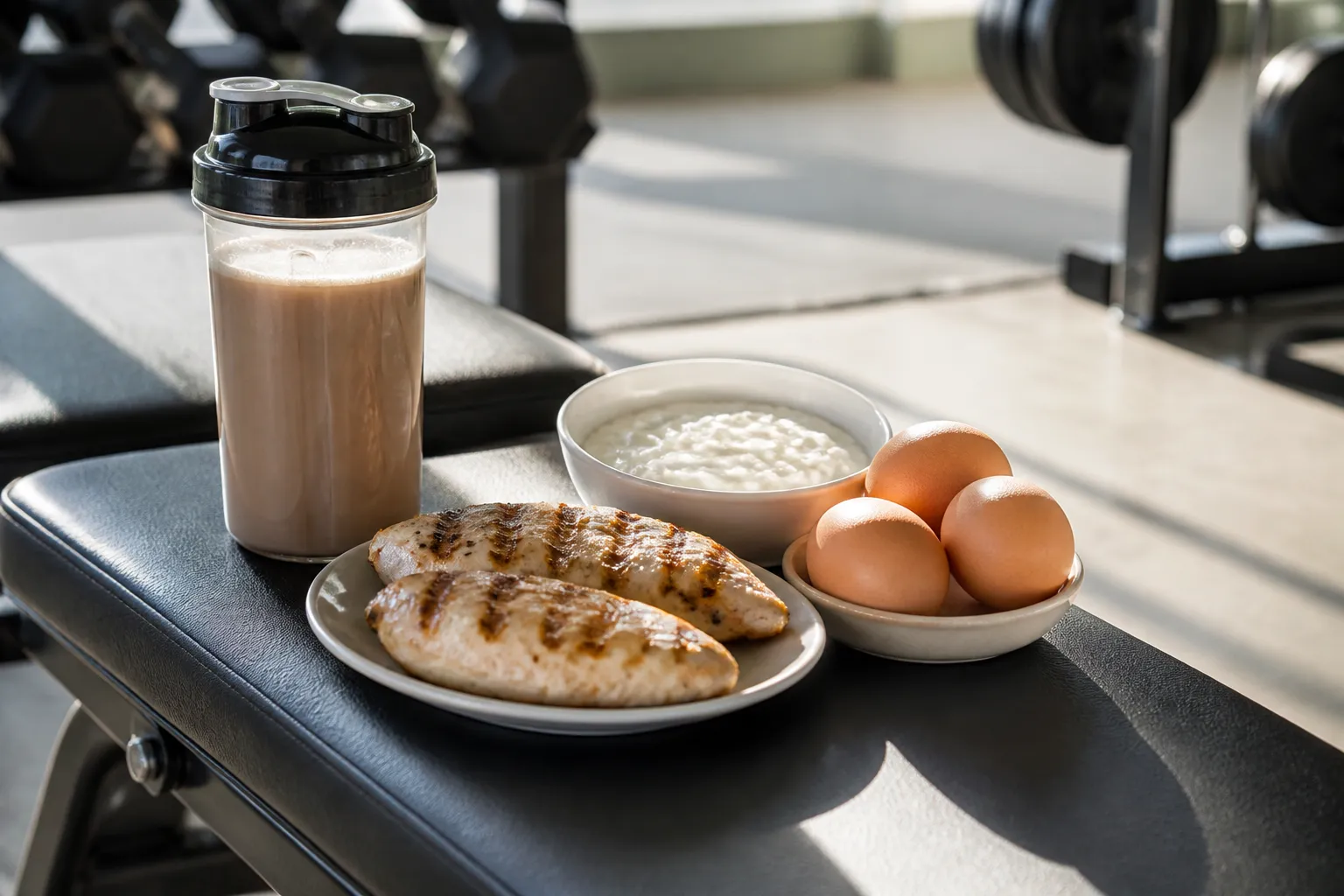
    Now, what about whole protein? If you’re hitting your daily protein targets through whole food and quality protein powder, you’re already getting all the EAAs your body needs. A good whey protein shake post-workout arguably does more than either a BCAA or EAA supplement on its own. The supplements shine most when whole food isn’t practical — early morning fasted sessions, long endurance events, or when digestion is a concern.

    So Who Should Take What? Here’s My Simple Breakdown

    Take BCAAs If…

    • You train fasted (before eating in the morning) and want to protect muscle
    • You’re already hitting your daily protein goals and want extra recovery support
    • You want an inexpensive, easy-to-dose powder you can sip during your workout
    • You’re on a calorie deficit and want to minimize muscle loss

    Take EAAs If…

    • You want the most complete amino acid supplement for muscle building
    • You’re not always hitting your daily protein targets through food
    • You want one supplement that covers what BCAAs do AND more
    • You follow a plant-based diet and worry about amino acid gaps

    Stick With Whole Protein If…

    • You want the most bang for your buck overall
    • You don’t mind a fuller supplement with calories and macros
    • You prefer real food sources and a post-workout shake
    • You’re new to supplementing and want to keep things simple

    Products Worth Trying

    I always recommend keeping things simple and cost-effective. Here are the specific products I point people toward depending on what they’re looking for:

    For BCAAs — Clean, No-Frills Options

    If you want BCAAs without the artificial dyes, sweeteners, and fillers that pad out a lot of products, go unflavored and mix it yourself. Two solid picks:

    The BulkSupplements BCAA 2:1:1 Powder is about as clean as it gets — pure, unflavored, gluten-free, and dosed at 1g per serving so you can dial in exactly what you want. It’s a great bulk buy for consistent trainers.

    For flavored-but-clean options, Nutricost is a reliable brand I recommend often. Their BCAA Powder 2:1:1 (90 Servings, No Flavor Added) is excellent for those who want a straightforward product at a fair price.

  • Electrolytes and Hydration for Athletes: Why Water Alone Isn’t Always Enough

    Electrolytes and Hydration for Athletes: Why Water Alone Isn’t Always Enough

    You just crushed a 90-minute workout. You drank water the whole time — before, during, and after. So why do you still feel drained, crampy, and foggy an hour later? I hear this all the time, and it’s one of the most common mistakes I see athletes and fitness enthusiasts make. The truth is, when it comes to electrolytes hydration for athletes, plain water only tells half the story. If you’re sweating hard and only replacing fluids without replacing the minerals you’re losing, your body is going to let you know — and not in a fun way.

    This post contains affiliate links. As an Amazon Associate, I earn from qualifying purchases. This means I may earn a small commission if you purchase through my links, at no extra cost to you. I only recommend products I genuinely believe in.

    What Are Electrolytes and Why Do Athletes Need Them?

    Let’s break this down simply. Electrolytes are minerals in your body that carry an electric charge. The big ones you need to know are sodium, potassium, magnesium, and calcium. These aren’t just buzzwords on a sports drink label — they are literally responsible for muscle contractions, nerve signaling, fluid balance, and keeping your heart beating correctly. Every single one of those things matters when you’re training.

    When you sweat, you’re not just losing water. You’re losing sodium and other electrolytes at a significant rate. Depending on how hard and how long you train — and yes, how much you sweat naturally — you can lose anywhere from 500mg to over 2,000mg of sodium in a single session. That’s a big deal. Sodium is the main electrolyte that controls how much fluid your cells actually hold. Without it, water just passes right through you instead of being absorbed where it needs to go.

    Potassium works alongside sodium to keep muscles firing properly. Magnesium plays a role in over 300 enzymatic reactions in the body, including the ones that regulate energy production and muscle relaxation. When these levels drop, you get the classic signs: muscle cramps, fatigue, brain fog, and decreased performance. Sound familiar?

    Electrolytes Hydration for Athletes: When Water Alone Falls Short

    I’m not here to tell you water is bad — water is essential and you should absolutely be drinking it. But there are specific situations where water alone genuinely isn’t enough, and knowing those situations can be a game changer for your performance and recovery.

    You Need More Than Water When:

    • Your workout lasts longer than 60 minutes
    • You’re training in heat or high humidity
    • You’re a heavy or salty sweater (you’ll notice white residue on your skin or clothes)
    • You’re following a low-carb or keto diet (your kidneys excrete more sodium on these diets)
    • You’re doing back-to-back training days with limited recovery time
    • You feel crampy, dizzy, or unusually fatigued even though you’ve been drinking water

    There’s actually a condition called hyponatremia — low blood sodium — that can occur when someone drinks too much water without replacing sodium. It sounds counterintuitive, but over-hydrating with plain water can dilute the sodium in your bloodstream to dangerous levels. This is more common in endurance athletes, but it’s a real reminder that hydration isn’t just about volume — it’s about balance.

    How to Actually Replenish Electrolytes (Without Chugging Sugar)

    Here’s where I want to be real with you. Most commercial sports drinks are loaded with sugar, artificial colors, and minimal actual electrolytes. They were designed for marketing as much as performance. You deserve better than that, especially if you’re putting in the work to train right and eat well. The good news is there are some excellent electrolyte products that give you exactly what your body needs without the junk.

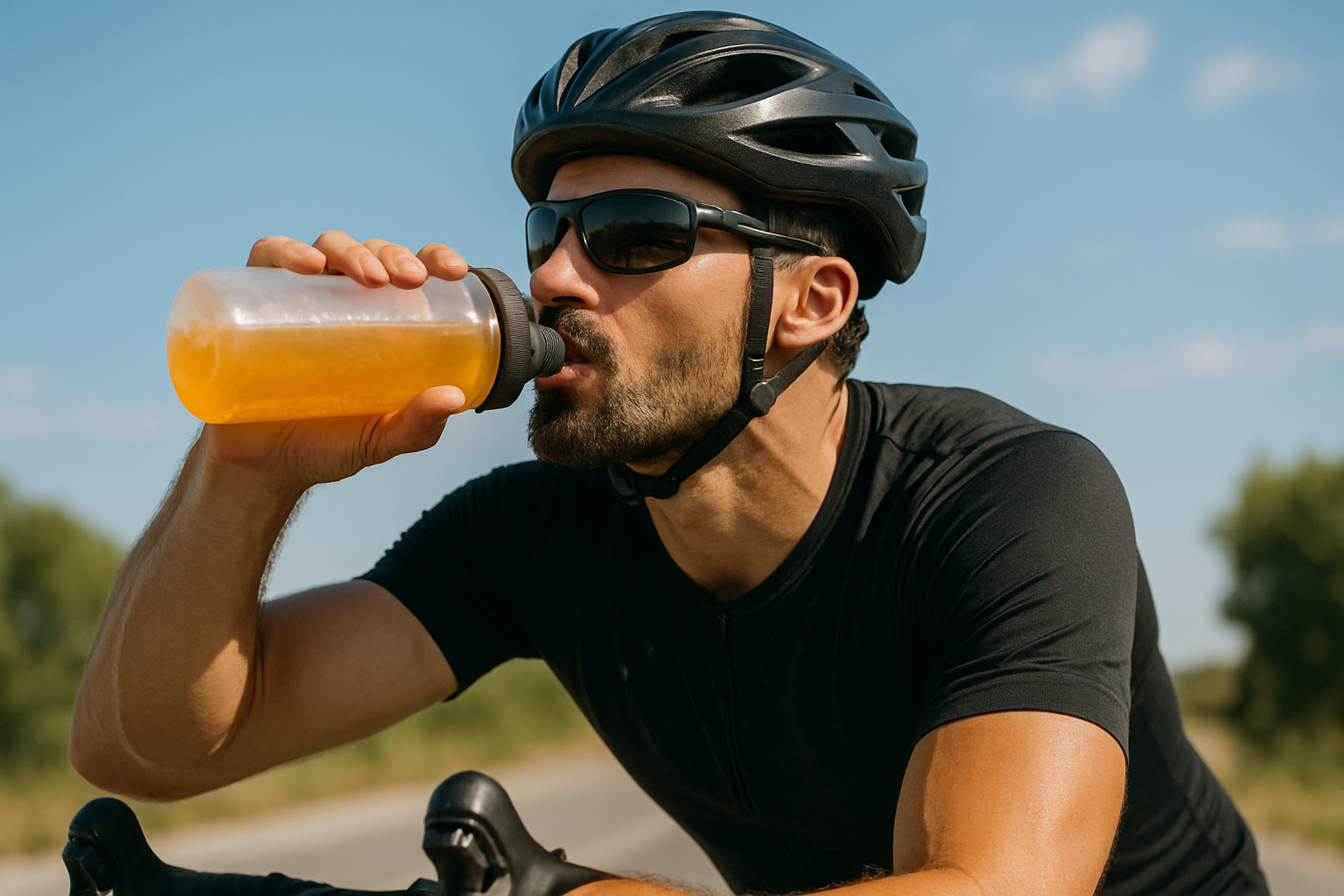
    Timing matters too. I recommend sipping on an electrolyte drink or mixing electrolyte powder into your water during workouts longer than an hour, and also prioritizing electrolytes within 30–60 minutes after an intense session to kickstart recovery. On hot days or when doing two-a-days, I’ll even start the morning with an electrolyte mix before I’ve had coffee.

    Products Worth Trying

    I’ve tried a lot of electrolyte products over the years, and these are the ones I keep coming back to and recommend to my clients. Whether you want something flavorless, fruity, or paired with recovery amino acids, there’s something here for every type of athlete.

    Best No-Frills, No-Flavor Option: FAST LYTE No Sugar Electrolytes Powder

    This one is a personal favorite for anyone who doesn’t want to change the taste of what they’re already drinking. FAST LYTE No Sugar Electrolytes Powder is completely unflavored and unsweetened, which means you can stir it into your water, your morning coffee, a smoothie, or even a bowl of soup. No sweeteners, no artificial flavors, non-GMO, vegan, and keto-friendly. It’s as clean as it gets. I love recommending this to clients who are sensitive to sweeteners or who just want pure electrolyte replenishment without any fuss.

    Best for Performance and Recovery: Sport Electrolytes Powder No Sugar (Tropical Pineapple)

    If you want an electrolyte mix that also supports your workout performance, this is a standout choice. The Sport Electrolytes Powder in Tropical Pineapple packs in sodium, potassium, magnesium, and coconut water alongside L-Glutamine (which supports gut health and muscle recovery) and Beta Alanine (which helps buffer muscle fatigue during high-intensity efforts). At 52 servings per container, it’s also great value. The tropical pineapple flavor is genuinely good — not overly sweet, just refreshing.

    Best for Recovery Days: XTEND Sport BCAA Powder

    On your recovery days or during lighter training sessions, you might not need a full performance electrolyte hit, but you still want to stay on top of hydration and muscle repair. XTEND Sport BCAA Powder in Blue Raspberry Ice combines BCAAs (branched-chain amino acids — the building blocks your muscles use to repair themselves) with an electrolyte blend. It’s a smart two-for-one: stay hydrated and support muscle recovery at the same time. The blue raspberry flavor is a crowd-pleaser, and this is one of the most trusted names in the BCAA

  • Creatine: The Most Researched Supplement in Fitness and How to Use It Right

    Creatine: The Most Researched Supplement in Fitness and How to Use It Right

    You’ve probably seen it at the gym — someone loading up a shaker bottle with white powder before a lift and swearing it’s the reason they just hit a new personal record. Maybe you’ve wondered if creatine is worth the hype, or maybe you’ve already tried it and weren’t sure if you were doing it right. Either way, if you’re looking for a solid creatine supplement guide how to use it effectively, you’re in the right place. I’ve been coaching and training for years, and creatine is the one supplement I recommend without hesitation — because the science backs it up harder than almost anything else on the shelf.

    This post contains affiliate links. As an Amazon Associate, I earn from qualifying purchases. This means if you click a link and make a purchase, I may earn a small commission at no extra cost to you. I only recommend products I genuinely stand behind.

    What Is Creatine and Why Does It Actually Work?

    Let’s start with the basics. Creatine is a naturally occurring compound your body makes from amino acids — the building blocks of protein. You also get small amounts from eating red meat and fish. Your muscles store creatine as phosphocreatine, which your body uses to rapidly produce ATP (adenosine triphosphate). Think of ATP as your muscles’ instant energy currency. The more phosphocreatine you have stored, the faster you can recharge that energy — especially during short, explosive bursts like lifting, sprinting, or jumping.

    When you supplement with creatine, you’re essentially topping off those fuel tanks beyond what diet alone can provide. That translates to more power output, better endurance during high-intensity sets, faster recovery between rounds, and over time, more muscle growth. Over 500 peer-reviewed studies have examined creatine monohydrate — it’s genuinely the most researched sports supplement in existence, and the results are consistently positive.

    The Complete Creatine Supplement Guide: How to Use It for Best Results

    Which Form of Creatine Should You Choose?

    Walk into any supplement store and you’ll see creatine in a dozen different forms — monohydrate, HCl, ethyl ester, buffered, and more. Here’s my honest take: creatine monohydrate is the gold standard. It’s the form used in the majority of research, it’s the most affordable, and it works. Creatine HCl (hydrochloride) is a newer variation that’s more water-soluble, which means you can take a smaller dose and it may be gentler on the stomach. It’s a solid option if you experience bloating with monohydrate. Both forms work — it really comes down to preference and how your body responds.

    Dosing: Loading Phase vs. Maintenance

    There are two approaches to starting creatine. The loading phase involves taking around 20 grams per day (split into 4 doses) for 5–7 days to saturate your muscles quickly, then dropping to a 3–5 gram maintenance dose daily. The slow load approach skips loading entirely and just starts with 3–5 grams per day — your muscles will reach full saturation in about 3–4 weeks. Both methods get you to the same place. Loading just gets you there faster. I typically recommend the slow approach for most people since it’s simpler and reduces the chance of any digestive discomfort.

    When Should You Take It?

    Timing matters less than consistency. Some studies suggest taking creatine post-workout may have a slight edge for muscle gains, but the difference is minimal. What matters most is that you take it every day — whether that’s with breakfast, in your post-workout shake, or before bed. Pick a time you’ll remember and stick with it. Consistency wins every time.

    Hydration Is Non-Negotiable

    Creatine draws water into your muscle cells — that’s actually part of how it works. But it also means you need to stay well hydrated. Aim for at least half your body weight in ounces of water per day, and bump that up on training days. Skimping on water is one of the most common creatine mistakes I see, and it can leave you feeling sluggish instead of strong.

    Products Worth Trying

    I’ve used a lot of creatine products over the years. Here are the ones I actually recommend to clients and training partners — no fluff, just solid options at different price points and preferences.

    Best Overall: Optimum Nutrition Micronized Creatine Monohydrate

    Optimum Nutrition has been a trusted brand in fitness for decades, and their micronized creatine monohydrate is as clean and reliable as it gets. “Micronized” means the particles are smaller, so it mixes more easily in water without the gritty texture. If you’re committed to a long-term creatine routine, the 600-gram, 120-serving container gives you the best value per dose. If you want to try it first or you’re just getting started, the 300-gram, 60-serving size is a perfect starting point. Unflavored, easy to mix into anything, and backed by real research — this is my go-to recommendation.

    Best Budget Pick: Nutricost Creatine Monohydrate Powder

    If you want quality without breaking the bank, Nutricost Creatine Monohydrate delivers 100 servings of 5 grams each at a price that’s hard to beat. It’s micronized, unflavored, and straightforward — exactly what creatine should be. Nutricost is a brand I trust for no-nonsense supplements that do what they say.

    Best for Sensitive Stomachs: Creatine HCl Options

    If monohydrate gives you any bloating or stomach discomfort, creatine HCl is worth switching to. The CON-CRET Creatine HCl Capsules are NSF Certified (meaning independently tested for quality and purity) and made in the USA — a huge plus if you care about what goes into your body. For another solid capsule option, Nutricost Creatine HCl Capsules use the same CON-CRET ingredient at 750mg per capsule, giving you a clean and convenient daily dose. Capsules are also great for travel or anyone who just doesn’t want to deal with mixing powder.