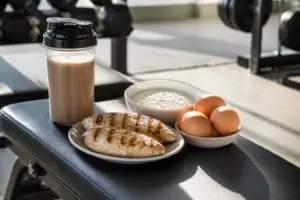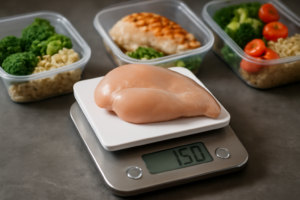

Back in my early training days, I was obsessed with getting the timing perfect. I’d finish a set and immediately start counting down the minutes, convinced that every second mattered — that I had a narrow window to consume protein or lose all my gains. The reality I discovered later? That urgency was based on hype, not hard evidence. Most people can eat a normal meal a couple hours before training and never need to panic about when they consume their next protein source. The disconnect between what fitness culture preaches and what research actually shows is exactly what we’re going to clear up here.
Understanding the “Anabolic Window” and Its Origins
The concept describes a brief post-workout phase — commonly cited as 30 to 60 minutes — where the body allegedly absorbs protein and carbs at peak efficiency to trigger muscle recovery and development. Gyms embraced this narrative throughout the late 1990s and 2000s, turning it into an almost religious belief among lifters.
The origin of this claim, however, tells a different story. Most supporting evidence came from studies where participants trained on an empty stomach — they hadn’t consumed food for extended periods. Under those circumstances, timing does become more pressing. However, for the average person eating a regular meal two or three hours before training? The urgency evaporates almost entirely.
Work by Alan Aragon and Brad Schoenfeld in a Journal of the International Society of Sports Nutrition review showed that the muscle-building opportunity extends much farther than the 30-minute panic zone suggests — likely encompassing hours both before and after your training session. This finding fundamentally challenged the time-pressure narrative that had dominated fitness culture for decades.
What Research Actually Reveals About Protein Timing for Muscle Development
The evidence is clear on one point: how much total protein you eat each day matters infinitely more than the precise moment you eat it. Most studies recommend roughly 0.7 to 1 gram of protein per pound of bodyweight daily for people actively trying to build muscle. Meet that threshold consistently, and you’ve already handled the nutritional foundation.
That doesn’t mean timing is worthless. Instead, here’s a more practical framework:
- Getting protein before you train sets you up well. A protein-rich meal consumed two to three hours earlier keeps your muscles supplied with amino acids throughout your session. You won’t suddenly undo your work by delaying a post-training shake.
- Post-workout protein has real value. Not because a magic window is closing, but because it’s an opportune moment to consume protein when most people naturally feel hungry — and the consistency matters for hitting daily totals.
- Spreading protein across multiple meals beats front-loading it. Consuming 20 to 40 grams across four or five eating occasions throughout the day drives muscle protein synthesis more effectively than consuming most of your daily amount in one or two sittings.
- Protein consumed before sleep gets overlooked. Muscle building continues overnight. Adding a slow-digesting casein source before bed has been supported by research as a way to sustain amino acid delivery while you’re sleeping.
How to Build a Protein Strategy That Actually Sticks
Here’s the straightforward approach I rely on — both for myself and when advising others. It strips away the complexity and delivers results:
1. Include Protein in Your Pre-Training Meal
Eat 25 to 40 grams of protein in a meal two to three hours before your session. Lean meat with starch, dairy with fruit, or legumes with grain all work equally well. Having protein on board before you start training means your muscles are already accessing the amino acids they need.
2. Consume Protein Within Two Hours After Training
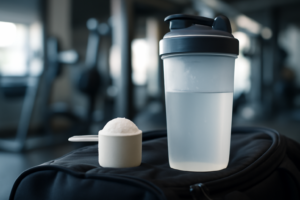
Skip the midset panic. Instead, aim to get protein in during the two hours following your final rep — you have a real window of opportunity, not a ticking countdown. A fast-absorbing whey shake is the most convenient option available. I pack a shaker bottle on every training day because mixing takes less than a minute and handles this requirement immediately.
3. Add Protein to Your Evening Routine
Most lifters skip this entirely. Muscle development doesn’t pause once you’re in bed. A slow-digesting casein protein drink before sleep feeds your muscles steadily through the night rather than leaving them without amino acid support for seven to eight hours straight.
Recommended Products for Your Protein Strategy
Below are products that align with this timing framework. I either use them consistently myself or recommend them regularly:
The Post-Workout Shake That Let Me Stop Stressing About Timing
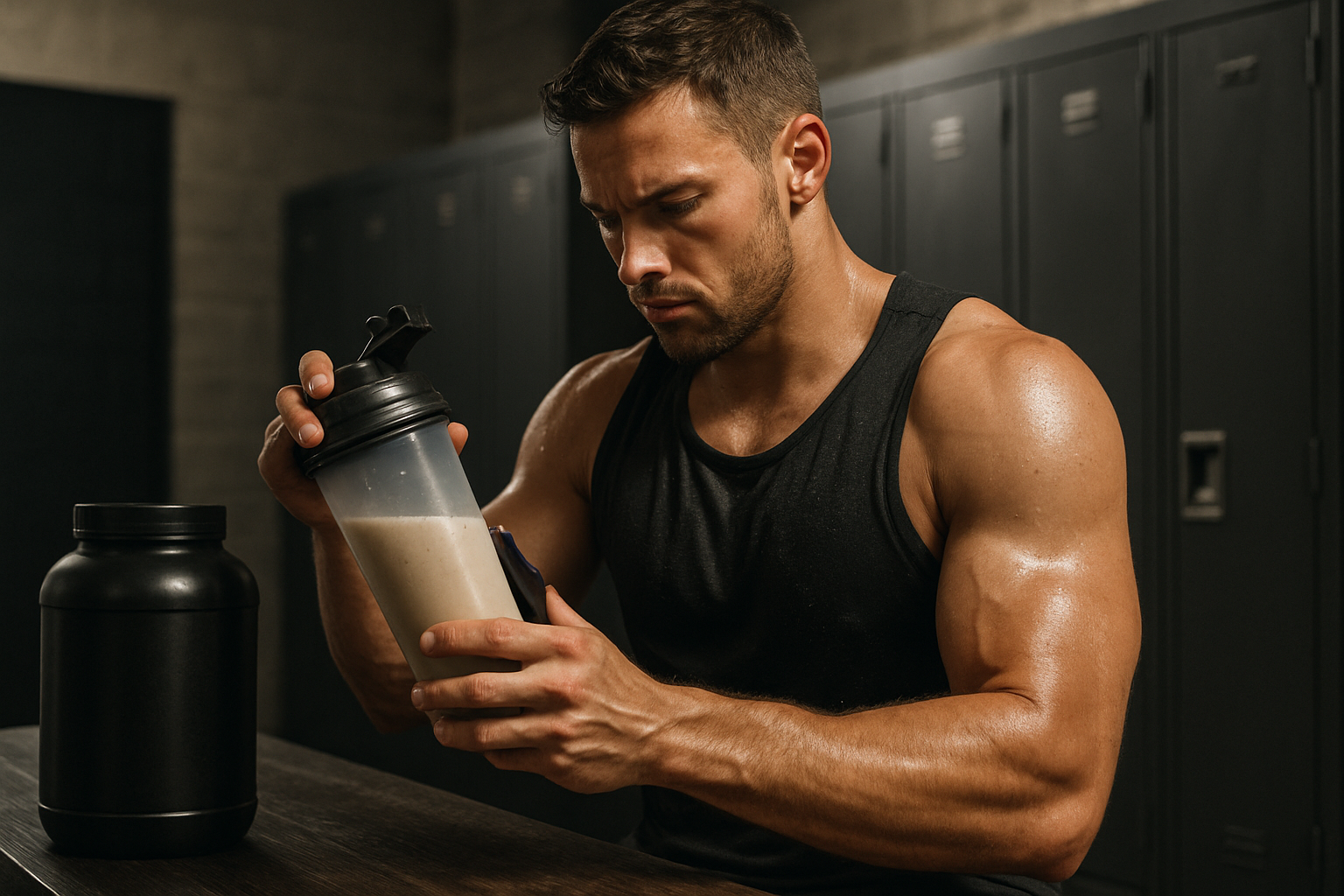
Once the anabolic window turned out to be less of a race, I stopped treating my post-workout nutrition like a time-sensitive emergency. But I still wanted a dependable, quick-mixing protein I could rely on after sessions when solid food wasn’t immediately available — something palatable enough that I’d actually consume it regularly without forcing it down.
Where it excels
- Blends smoothly with just a shaker bottle — no blender required, no residue, no grit that gets stuck between your teeth during training.
- Buying the 5lb container brings the per-serving cost down significantly compared to smaller packs, so I’m not anxious about using a serving even if my timing isn’t perfectly optimized.
- Sits well in my stomach through and after heavy lifts — I’ve had it on squat days without the discomfort that cheaper alternatives gave me.
Where it falls short
- Flavor options are stripped down relative to mainstream brands — it’s intentionally basic, which serves its purpose, but this isn’t a creamy dessert experience.
- A 5lb container demands cupboard real estate, and opening it means you’re locked in to using it up within a reasonable window or it deteriorates.
I almost gave up on powder altogether after a batch I bought tasted chalky and made me regret every rep, but switching to this one reminded me that consistency beats perfection — and a decent shake that you’ll actually drink matters way more than the exact timing of when you drink it.
Frequently Asked Questions
Do I really have a 30 minute window to drink protein after lifting?
No. Research by Alan Aragon and Brad Schoenfeld shows the muscle-building opportunity extends much farther than 30 minutes — likely encompassing hours both before and after training. For average people eating regular meals, the urgency is overstated. You have a real window of about two hours post-workout, not a ticking countdown.
How much protein per day do I need to build muscle?
Most studies recommend roughly 0.7 to 1 gram of protein per pound of bodyweight daily for people actively trying to build muscle. Meeting that threshold consistently matters infinitely more than the precise timing of when you eat it throughout the day.
Should I eat protein before or after my workout?
Eating 25 to 40 grams of protein in a meal two to three hours before training means your muscles access amino acids during your session. Post-workout, aim to get protein in within two hours after your final rep. Both matter for consistency, not timing perfection.
What should I eat before bed for muscle growth?
A slow-digesting casein protein drink before sleep feeds your muscles steadily through the night. Muscle building continues overnight, and casein sustains amino acid delivery for seven to eight hours, preventing your muscles from lacking support while you sleep.
About This Article

Written by Jordan Ellis. Jordan Ellis isn't a certified personal trainer — just someone who's been genuinely obsessed with training for over eight years and turned it into building smarter home gyms. He focuses on home fitness: effective training spaces, equipment that earns its price, and programs that work in a spare room or basement, not just a commercial gym. More about this site.
Scope and limits. Jordan is not a certified personal trainer, and nothing here is medical advice. Check with a physician before starting a new program, and prioritize form over load on every lift described.
Verify this against a primary source
Specifics change, and your situation may differ from the one described here. These are the authorities worth checking directly:
- Physical Activity Guidelines for Americans (HHS) — the federal physical activity guidelines
- American College of Sports Medicine — exercise prescription and position stands
- NSCA — strength and conditioning research