
The weight bar felt heavier than usual on that third rep, and my grip was already slipping by the fifth — a sign I’d learned to recognize as poor pre-session fueling. Back then, I’d either roll into the gym on an empty stomach or make the opposite mistake: eating a massive meal so close to training that I’d spend the whole workout feeling sluggish and bloated. It wasn’t until much later that I understood the real culprit wasn’t a lack of effort or commitment — it was my approach to pre-workout nutrition. The moment I started timing my meals strategically and choosing the right foods, my energy improved, my lifts climbed, and recovery became noticeably faster. That’s exactly why I put together this guide — so you can skip the trial-and-error phase and dial in a pre-workout eating strategy that actually works.
Why Pre-Workout Nutrition Actually Matters
Your muscles need fuel to perform. During training, they draw from glycogen — carbohydrates stored in muscle tissue and the liver — to generate energy. Show up underfed and your strength drops, fatigue sets in faster, and the recovery process takes longer afterward. It’s similar to asking your body to run a sprint without any gas in the tank.
Beyond carbs, there’s more at play. Consuming protein beforehand shields muscle tissue from excessive breakdown during intense efforts (particularly valuable in strength-focused work), while staying hydrated keeps your muscles contracting efficiently. Get all three components right — carbohydrates, protein, and fluids — and you’ll enter every training session operating at your peak.
When and What to Eat: A Pre-Workout Nutrition Timeline
The window matters as much as the food itself. Here’s how I approach this for most trainees, regardless of whether you’re training at dawn, midday, or in the evening:
2–3 Hours Out: Your Primary Meal Opportunity
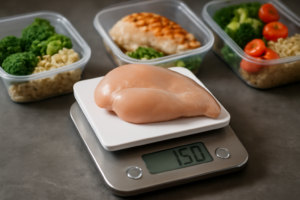
When your schedule allows, this is your best shot at a full, well-rounded meal. Combine complex carbohydrates, lean protein sources, and a modest serving of healthy fat. Examples: baked salmon with quinoa and roasted broccoli, or oatmeal topped with eggs and berries. This timeframe lets digestion happen gradually, converting your meal into available energy without stomach upset during work.
45–60 Minutes Before: The Light Snack Zone
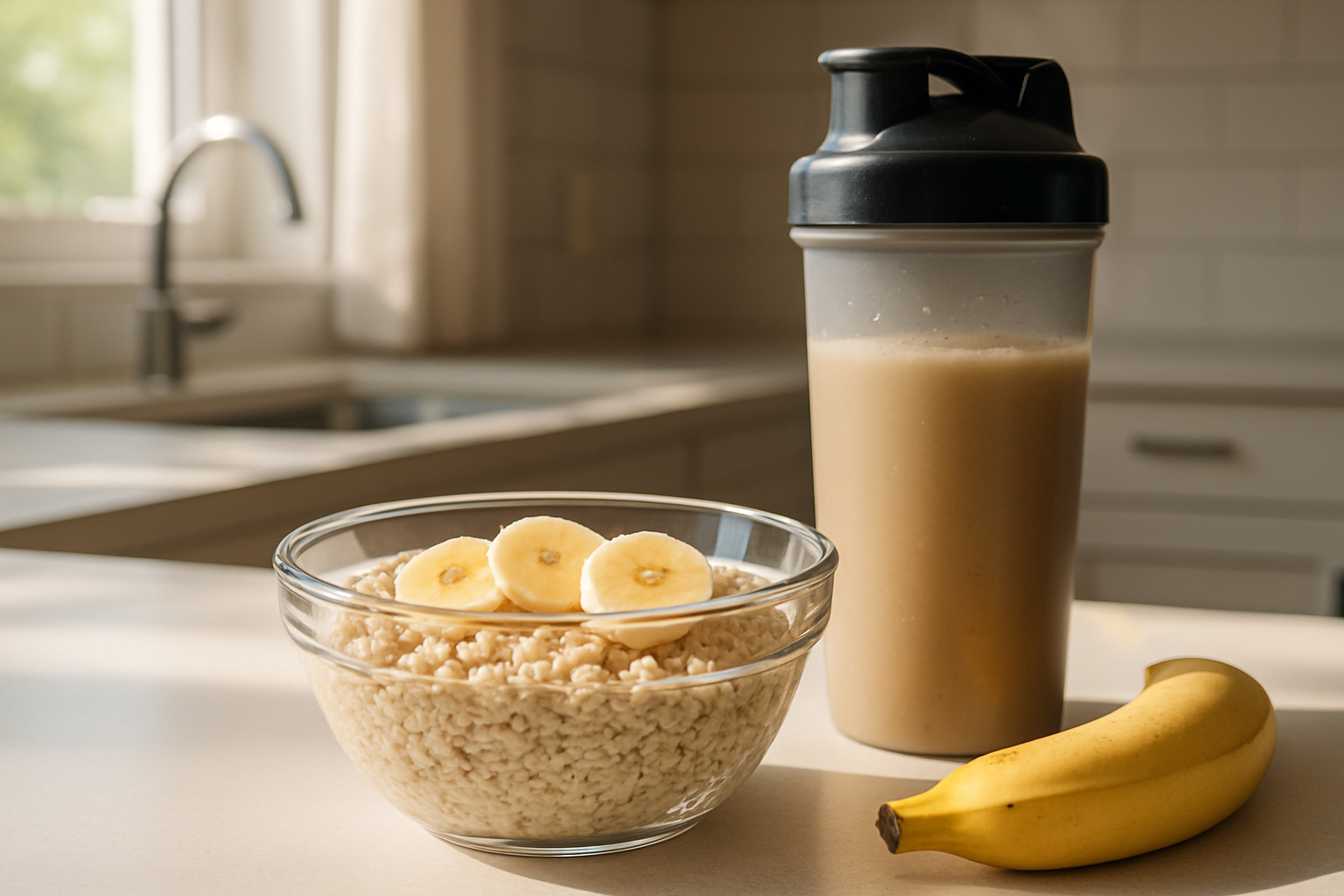
This is where a smaller, easy-to-digest option shines. Keep complexity low — fast carbs paired with moderate protein. Consider a piece of fruit with almond butter, a cup of Greek yogurt with berries, or a simple protein smoothie. Steer clear of high-fat and high-fiber choices at this stage because they slow your digestive system and risk cramping or discomfort during exercise. That’s something worth avoiding.
15–30 Minutes Out: The Supplement Window
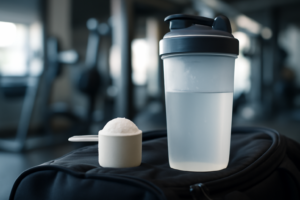
This is when a solid pre-workout formula or amino acid drink becomes useful — especially when mornings are hectic and sitting down for a meal isn’t feasible. Hydration also becomes your focus point here. Shoot for 16–20 oz of water sometime in the hour leading into your workout.
Essential Nutrients for Pre-Workout Performance
- Carbohydrates: Your main energy substrate. Choose complex varieties (oats, sweet potatoes, brown rice) for full meals, and simple varieties (bananas, white rice) closer to your session start.
- Protein: Target 20–40g in your pre-workout meal to support muscle building and minimize muscle loss. Lean meats, eggs, Greek yogurt, whey powder, or BCAAs (branched-chain amino acids — the core molecules that make up muscle tissue) all fit here.
- Hydration: Even slight dehydration (loss of 2% of body mass through fluid) measurably tanks your output. Water should always be your foundation.
- Caffeine: Study after study confirms caffeine boosts strength, aerobic capacity, and mental sharpness when dosed 30–60 minutes prior to activity. For most people, 150–300mg delivers results.
- Beta-Alanine: An amino acid that counteracts lactic acid accumulation in muscles, letting you extend your work before exhaustion arrives. The tingling sensation you might notice in some formulas is this ingredient at work and is completely harmless.
Products Worth Considering
I stick to recommending things I’d genuinely suggest to anyone training seriously. Here are some standout picks based on different training situations:
The Liquid Pre-Workout Formula That Won’t Leave You Feeling Stuffed
When you’re eating at the right time but still dragging through your sets feeling full and uncomfortable, switching to a liquid amino formula beats whole food because it enters your bloodstream quickly and fuels your muscles without the heavy feeling. I discovered this after years of battling my stomach when I’d eat solid food too close to my training window.
Why it works
- Absorption takes 10-15 minutes flat — the energy hits your system before your warm-up wraps, not halfway through your workout
- The active ingredients (caffeine and amino acids) sharpen your mind on early sessions and cut through grogginess better than black coffee alone
- No particles, no residue, no waiting around for powders to settle — it dissolves instantly and you’re ready to train immediately
Where it falls short
- This format alone won’t cut it if you’re doing hard training for longer than 45 minutes on an otherwise empty stomach — a longer session or high-volume leg work will still deplete you
- Flavor fatigue is real; switching between flavors every couple of months keeps the appeal alive, otherwise it becomes a chore
I doubted it would actually make a difference the first time I tried it 20 minutes before a 6am session, convinced I was just buying expensive water — but 15 minutes in, I was moving faster without that full feeling. Pick up Optimum Nutrition Amino Energy Powder Plus Focus if your pre-workout timing is solid but your digestion is working against you.
Frequently Asked Questions
How much protein should I eat before working out?
Target 20–40g in your pre-workout meal to support muscle building and minimize muscle loss. Lean meats, eggs, Greek yogurt, whey powder, or BCAAs all work well as protein sources.
What should I eat 45 to 60 minutes before training?
Choose a light snack with fast carbs paired with moderate protein, such as a piece of fruit with almond butter, Greek yogurt with berries, or a simple protein smoothie. Avoid high-fat and high-fiber options at this stage because they slow digestion and risk cramping.
How much caffeine is safe before a workout?
For most people, 150–300mg of caffeine dosed 30–60 minutes prior to activity delivers results by boosting strength, aerobic capacity, and mental sharpness.
How much water should I drink before exercising?
Shoot for 16–20 oz of water sometime in the hour leading into your workout. Even slight dehydration—loss of 2% of body mass through fluid—measurably reduces your output.
About This Article

Written by Jordan Ellis. Jordan Ellis isn't a certified personal trainer — just someone who's been genuinely obsessed with training for over eight years and turned it into building smarter home gyms. He focuses on home fitness: effective training spaces, equipment that earns its price, and programs that work in a spare room or basement, not just a commercial gym. More about this site.
Scope and limits. Jordan is not a certified personal trainer, and nothing here is medical advice. Check with a physician before starting a new program, and prioritize form over load on every lift described.
Verify this against a primary source
Specifics change, and your situation may differ from the one described here. These are the authorities worth checking directly:
- Physical Activity Guidelines for Americans (HHS) — the federal physical activity guidelines
- American College of Sports Medicine — exercise prescription and position stands
- NSCA — strength and conditioning research