
Back when I was first assembling a home setup with nothing but a pair of secondhand dumbbells and a doorway pull-up bar, I spent months convinced I was building genuine core resilience through repetitive flexion movements. Only after getting access to a proper facility did I observe something striking: people with visibly sculpted abdominals would lose all composure trying to stabilize themselves on a single leg or react to unexpected directional forces, while others with less prominent midsections demonstrated remarkable control and power under dynamic conditions. This disparity isn’t coincidental—it stems from a fundamental distinction the fitness world rarely explains clearly: how core stability operates versus how core strength functions. Learning to differentiate between the training methodology athletes employ for their midsection and the approach bodybuilders take will fundamentally reshape the way you condition that region of your body.
| Approach | Primary Goal | Key Exercises | Target Tissues |
|---|---|---|---|
| Core Stability | Withstand movement and maintain spinal alignment | Dead bugs, Pallof press, unilateral leg movements, Swiss ball progressions | Transverse abdominis, multifidus, obliquus internus, pelvic floor |
| Core Strength | Produce measurable force and muscle growth | Cable crunches, vertical leg raises, machine crunches, loaded sit-ups | Rectus abdominis |
Core Strength vs Core Stability: They’re Not the Same Thing
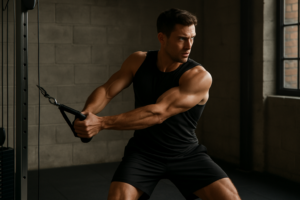
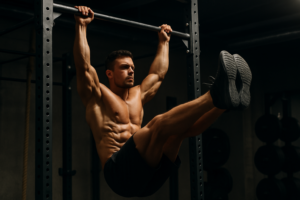
Let me separate these concepts. Core strength refers to the capacity of your core musculature to produce measurable force. Picture weighted exercises like cable crunches, vertical leg movements, and machine-based abdominal work — situations where your midsection actively shortens to overcome external resistance. You’re generating contractile power. Those pursuing muscle size favor this method because noticeable muscle expansion (tissue growth) is the objective. A more voluminous, thicker rectus abdominis — that’s the segmented “six-pack” appearance — is the desired outcome.
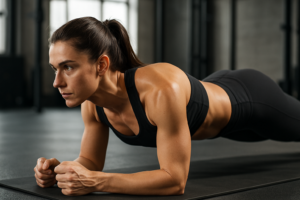
Core stability, by contrast, is your midsection’s capacity to withstand movement and maintain spinal alignment when exposed to load or throughout complex movement patterns. We’re referring to the underlying layers: the transverse abdominis, multifidus, obliquus internus, and pelvic floor musculature. These tissues don’t photograph well for social media, yet they’re what allows a defensive player to absorb contact force and what prevents a distance runner from breaking down at kilometer 30. Stability centers on restraint and command, not muscular contraction.
Each plays a role. Nevertheless, competitive athletes and muscle-builders emphasize them based on divergent objectives — and each approach has solid reasoning.
Why Competitive Athletes Prioritize Core Stability
For those competing in organized sports — or simply wanting to move with quality and avoid setback — core stability forms the bedrock upon which everything else builds. The Journal of Athletic Training contains mounting evidence that compromised core stability stands as a significant predictor of posterior chain injuries and extremity issues such as anterior cruciate ligament rupture. Your spinal column requires a solid support structure to transmit power effectively through your limbs.
Consider a baseball pitcher launching the ball downfield. His lower body creates initial force, his trunk rotates, and momentum travels upward through his midsection to power his throwing arm. If his midsection can’t maintain that stability, energy dissipates. He sacrifices distance and precision, and accumulated repetition creates tissue damage. That identical principle holds true when you’re executing a backhand stroke in tennis, accelerating into a sprint, or simply hoisting a case of water from ground level.
What stability-focused core programming looks like:
- Dead bugs (managing arm and leg positioning while maintaining spinal contact with the surface)
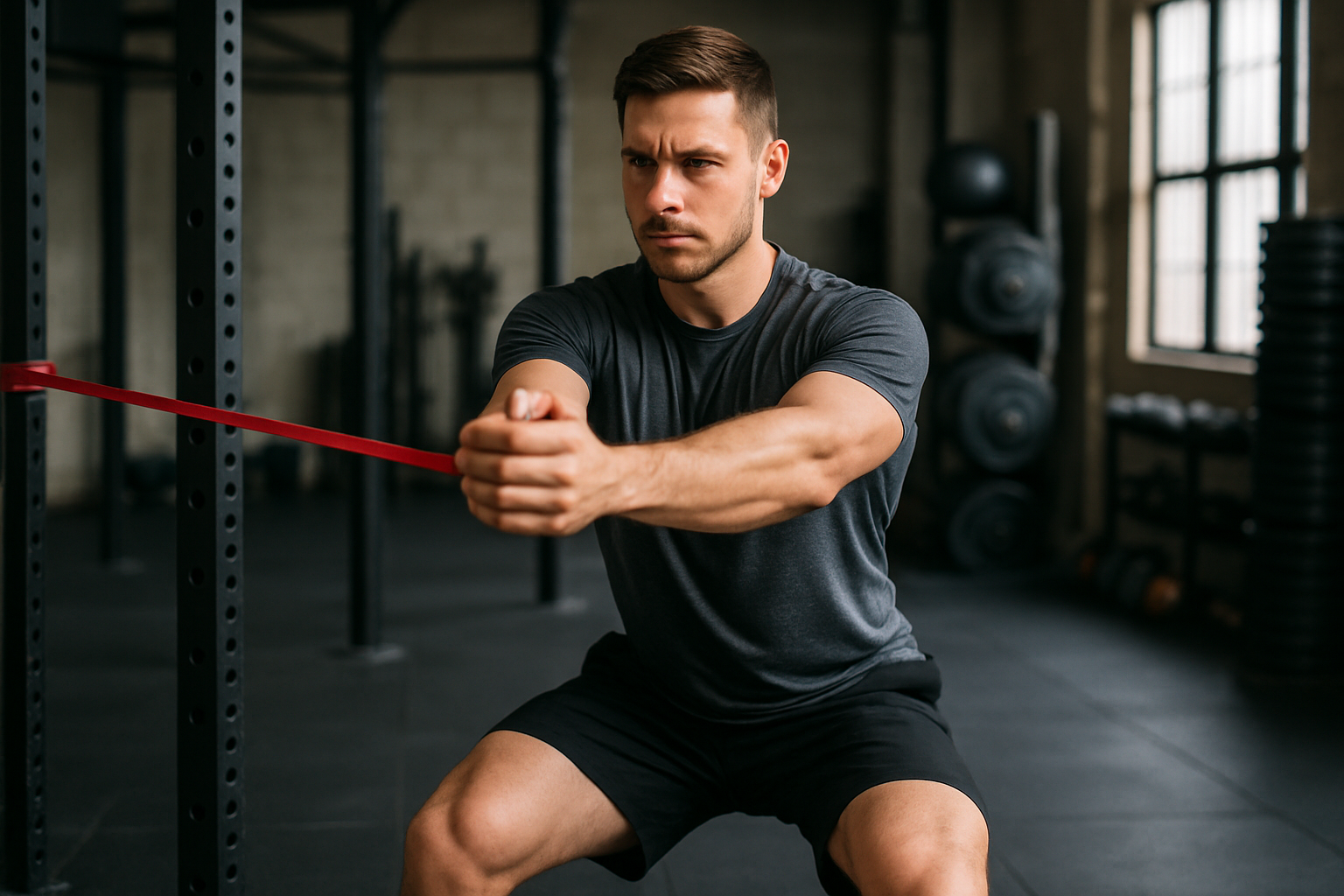
- Pallof press (counteracting twisting tension from a cable machine)
- Unilateral leg movements that demand equilibrium
- Swiss ball progressions that demand continuous engagement of interior core layers
- Rotational resistance and flexion-resistance patterns
Observe the pattern: the midsection functions to restrict motion, not produce it. That’s the critical takeaway.
Why Bodybuilders Approach Core Strength Distinctly
Those pursuing hypertrophy aren’t mistaken — they’re pursuing a distinct outcome. When the target is maximum tissue volume and visual definition, you need to generate tension and metabolic fatigue in the target tissue. That demands moving through complete ranges with external load. Rope-attached crunches, machine crunches, vertical leg raises, and loaded sit-ups accomplish that effectively.
The rectus abdominis adapts to rising stimulus the same way your pectorals or upper arm musculature does. Progressive resistance must be applied consistently if you want thickness gains. Stability patterns alone cannot produce that muscular expansion — you need directed, resistance-based shortening work for tissue growth.
Even so, hypertrophy-focused trainees gain significant value from establishing stability. A compromised, unstable midsection cannot handle heavier loads without risk. Prioritize stability fundamentals, then add strength and expansion work afterward. This progression makes sense regardless of whether your target is performance or appearance.
Equipment Options for Core Stability and Strength Work
Regardless of whether you’re conditioning for athletic output or muscular development, appropriate equipment matters considerably. Below are the items I regularly train with and suggest to others:
Stability Balls — Essential Gear for Core Stability
A quality stability ball is among the most functional pieces of midsection apparatus available. It mandates that your interior stabilizing muscles remain engaged constantly, transforming even straightforward actions into significant stability demands. I’ve tested multiple manufacturers and these three deliver results:
- The Core Balance Exercise Ball (55cm, Teal) is anti-burst and slip-resistant, comes with a pump, and works great for stability training, physical therapy movements, and even pregnancy-safe exercises. Solid all-around choice.
- The GalSports Anti-Burst Stability Ball is another excellent option built for home gym and physical therapy use. It’s durable, holds pressure well, and the slip-resistant surface gives you confidence during dynamic movements.
- If you want something gym-grade, the ProBody Pilates Exercise Ball (65cm, Blue) is a fan favorite. It comes in multiple sizes, works as a balance ball chair, and handles serious fitness, yoga, and therapy work without hesitation.
Cable Connections for Strength-Focused Core Work
On the hypertrophy and strength dimension of midsection training, a cable station becomes essential equipment. These connector pieces maximize your cable training effectiveness:
- The Yes4All Tricep Rope (27″) isn’t just for triceps — it’s the go-to attachment for cable crunches, one of the most effective weighted ab exercises you can do. Grab it, kneel down, and crunch that resistance. Your rectus abdominis will thank you later.
- The Pastoralist Resistance Bands with Clips let you clip banded resistance onto cable-style core moves — a cheap way to load kneeling crunches when you have no cable stack.
- The rope maintains position across your upper body rather than rolling like a bar attachment, allowing you to feel the movement distinctly and govern the lowering phase without chasing the hardware.
- At 27 inches in total length, you get adequate room to position yourself and pile on load without jamming into your collarbone area—knowledge earned from time spent with undersized options.
- Knotted terminations remain stable, making plate changes between work sets quick enough to maintain session momentum without dead time between efforts.
- A polyurethane exterior accumulates grime and becomes slippery following extended use in sweaty conditions—I’ve found myself cleaning it mid-workout to preserve hand contact.
- It functions exclusively as a cable tool; it won’t serve dual-purpose utility, which means if square footage is limited, it occupies permanent real estate on your attachment system.
- Physical Activity Guidelines for Americans (HHS) — the federal physical activity guidelines
- American College of Sports Medicine — exercise prescription and position stands
- NSCA — strength and conditioning research
When Rope Attachments Transform Loaded Core Movement
Plenty of individuals limit core stability thinking to bodyweight statics and minimal-movement patterns—unloaded positions that don’t cultivate true functional strength. Yet cable-based crunches with a rope teach your midsection to generate tension while externally loaded, which is what athletes require when deflecting force or staying fixed during explosive directional changes.
What performs well
What underperforms
I almost ditched it after my first heavy set—the angle felt weird kneeling instead of standing—but once I dialed in the pin height and stopped overthinking it, the tension through my entire core was undeniable. Grab the Yes4All Tricep Rope (27″) and load it up.
Frequently Asked Questions
What’s the difference between core stability and core strength?
Core strength is your midsection’s capacity to produce measurable force through weighted exercises like cable crunches and vertical leg raises, which creates muscle growth. Core stability is your ability to withstand movement and maintain spinal alignment through deep layers like the transverse abdominis and multifidus, emphasizing restraint rather than contraction.
Should I do cable crunches or stability exercises for athletic performance?
Athletes should prioritize stability work first—dead bugs, Pallof press, unilateral leg movements, and Swiss ball progressions—because research in the Journal of Athletic Training shows compromised core stability predicts posterior chain and extremity injuries. Stability prevents energy loss during movements like throwing and sprinting.
Can bodyweight core exercises build visible abdominal muscle?
No. Stability patterns alone cannot produce muscular expansion in your rectus abdominis. You need resistance-based shortening work like rope-attached crunches, machine crunches, and loaded sit-ups to generate the tension and metabolic fatigue required for tissue growth and definition.
What length rope attachment works best for cable crunches?
A 27-inch rope like the Yes4All Tricep Rope works best for cable crunches. This length gives you adequate room to position yourself and load weight without jamming into your collarbone, and the rope maintains position across your upper body better than a bar attachment.
About This Article

Written by Jordan Ellis. Jordan Ellis isn't a certified personal trainer — just someone who's been genuinely obsessed with training for over eight years and turned it into building smarter home gyms. He focuses on home fitness: effective training spaces, equipment that earns its price, and programs that work in a spare room or basement, not just a commercial gym. More about this site.
Scope and limits. Jordan is not a certified personal trainer, and nothing here is medical advice. Check with a physician before starting a new program, and prioritize form over load on every lift described.
Verify this against a primary source
Specifics change, and your situation may differ from the one described here. These are the authorities worth checking directly: