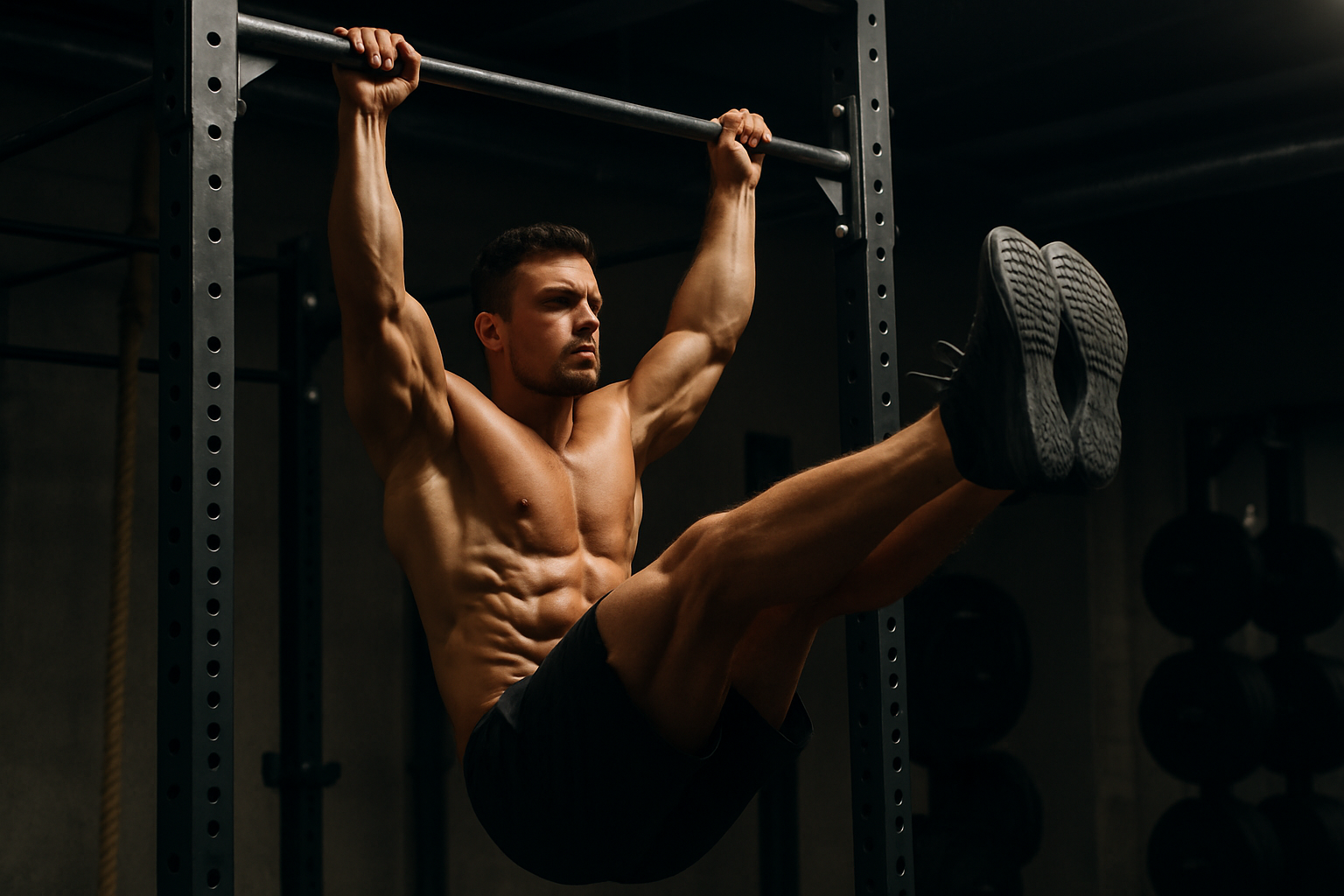

Can you actually isolate your lower abs, or do your hip flexors just take over every time you try? That’s the real question—because most people spend months grinding leg raises and crunches only to discover their hip flexors have been doing the heavy lifting all along. Years into training, I realized something had been holding back my own progress: the lower stomach barely responds when your iliopsoas and rectus femoris muscles step in and monopolize the work. The rectus abdominis runs as a single muscle down your midsection, but activating its lower fibers specifically requires a completely different approach than what most routines teach. This guide covers the biomechanics behind why that happens and, crucially, which movements actually place demand on the lower abs while keeping your hip flexors from hijacking every repetition.
Why Your Lower Abs Are So Hard to Isolate
Anatomically, the rectus abdominis doesn’t split into discrete “upper” and “lower” sections. It functions as one unified muscle—the problem is that your hip flexors (iliopsoas and rectus femoris in particular) possess an almost magnetic ability to activate during leg-driven movements, which means the lower rectus fibers stay relatively quiet. Hip flexor dominance leaves you with hip discomfort and minimal stimulus to your core.
The solution hinges on pelvic positioning. Rather than concentrating on bringing your legs upward toward your chest, redirect attention to curling or rotating your pelvis backward—what’s called a posterior pelvic tilt. This neurological shift forces the lower rectus fibers into sustained tension. That single adjustment in strategy makes all the difference.
Lower Ab Work That Produces Genuine Results
Time to examine the exercises that actually deliver. The movements here all prioritize pelvic control and minimize hip flexor interference.
1. Dead Bug (With Intention)
Dead bugs often get overlooked as foundational fluff, yet performed with precision they rank among the best lower ab tools available. Position yourself supine, arms extended skyward, knees folded at 90 degrees and elevated. Drive your lumbar spine flat into the ground—that’s your posterior pelvic tilt locked in place—and maintain it throughout. Extend one arm back while lowering the opposite heel, moving with control. Your lower back must stay pressed down the entire duration. If it lifts, core tension vanishes. Complete 3 sets of 6 repetitions each side.
2. Reverse Crunch
The reverse crunch remains a proven lower ab developer when technique stays strict. Recline supine, palms positioned underneath your glutes, legs at 90 degrees overhead. Contract through your abs to lift your hips off the deck, drawing knees inward. The motion stays modest and purposeful—you’re curling the pelvis, not swinging limbs. Descend with restraint. Repping out 3 sets of 12–15 controlled repetitions outperforms rushing through 30 uncontrolled ones.
3. Hanging Knee Raises (With a Pelvic Curl)
A pull-up bar paired with ab straps transforms this movement into something genuinely valuable. The trick lies in finishing with a posterior pelvic tilt—curling your tailbone toward your navel at the peak of the motion—which is where lower rectus demand peaks. Grip the bar, drive knees upward to hip level, then tilt your hips beneath you by tucking. That final curl component cannot be skipped; without it, you’re essentially just exercising your hip flexors.
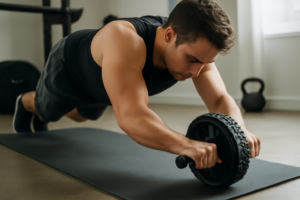
4. Ab Wheel Rollout (From Knees)
When your pelvis sits in posterior tilt and you roll the wheel forward deliberately, your lower abs must work intensely to prevent your lower back from caving into extension. Begin from your knees, brace thoroughly, and extend only as much as you maintain a neutral spine. Rollouts emphasize anti-extension strength—a core capacity standard crunches never address.
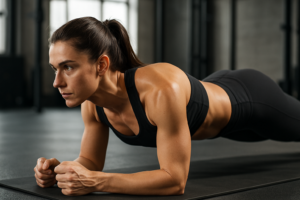
5. Slider Pike or Tuck
Place sliders or fabric under your feet in a plank stance on a slick surface. From a solid plank position, pull both feet toward your torso by tucking your hips—not by elevating your butt toward the ceiling. Notice the distinction? That hip tuck means your lower rectus is firing hard. Performed correctly, this becomes an exhausting movement and a cornerstone in effective programming.
Ab Straps as a Solution for Hip Flexor Interference
Knee tucks and leg raises seemed straightforward initially, but the instant I increased difficulty or slowed the speed, my hip flexors took charge and my lower abs faded out of the picture. Ab straps addressed this by anchoring your upper body so the movement force originates from your core and nothing else, not swinging hips or flexing hip joints.
What’s Effective
- Torso stabilization through the arm support allows you to sense genuine lower rectus tension rather than watching your limbs pendulum through repetitions.
- You gain command over movement speed independent of momentum—slowing the eccentric phase intensifies the difficulty since ab recruitment stays elevated throughout.
- Forearm cushioning distributes load across a wider surface, sparing your grip strength and wrist integrity from becoming limiting factors during the set.
What Falls Short
- A familiarization period spanning the first few sessions exists—arm position and grip alignment feel unintuitive until you dial in your positioning, and poor setup undermines the entire rep.
- Setup demands a pull-up bar with sufficient load capacity for your bodyweight plus dynamic movement, ruling them out on equipment that cannot sustain that demand.
I almost ditched them after my first session because I felt nothing in my abs and everything in my shoulders—until I realized I was shrugging instead of hanging loose, which changed everything the moment I fixed it. If you’re serious about hitting lower abs without hip flexor compensation, grab the DMoose Fitness Hanging Ab Straps.
Frequently Asked Questions
How many reps should I do for dead bugs targeting lower abs?
Complete 3 sets of 6 repetitions each side. The key is maintaining your lower back pressed firmly into the ground throughout every rep—if it lifts, you’ve lost core tension. Control matters far more than volume here.
What’s the difference between reverse crunches and regular crunches?
Reverse crunches curl your pelvis backward instead of lifting your torso, which actually targets lower rectus fibers. Perform 3 sets of 12–15 controlled repetitions. Rushing through uncontrolled reps wastes the movement’s lower ab benefit.
Why do hanging knee raises need a pelvic curl at the top?
The posterior pelvic tilt at the peak—tucking your tailbone toward your navel—is where lower rectus demand peaks. Without that final curl component, you’re mostly just exercising your hip flexors instead of your lower abs.
Can ab straps really prevent hip flexors from taking over?
Yes. Ab straps anchor your upper body so movement force originates purely from your core, preventing hip swinging and joint flexion from compensating. Setup takes practice—poor positioning channels tension into shoulders instead of abs.
About This Article

Written by Jordan Ellis. Jordan Ellis isn't a certified personal trainer — just someone who's been genuinely obsessed with training for over eight years and turned it into building smarter home gyms. He focuses on home fitness: effective training spaces, equipment that earns its price, and programs that work in a spare room or basement, not just a commercial gym. More about this site.
Scope and limits. Jordan is not a certified personal trainer, and nothing here is medical advice. Check with a physician before starting a new program, and prioritize form over load on every lift described.
Verify this against a primary source
Specifics change, and your situation may differ from the one described here. These are the authorities worth checking directly:
- Physical Activity Guidelines for Americans (HHS) — the federal physical activity guidelines
- American College of Sports Medicine — exercise prescription and position stands
- NSCA — strength and conditioning research