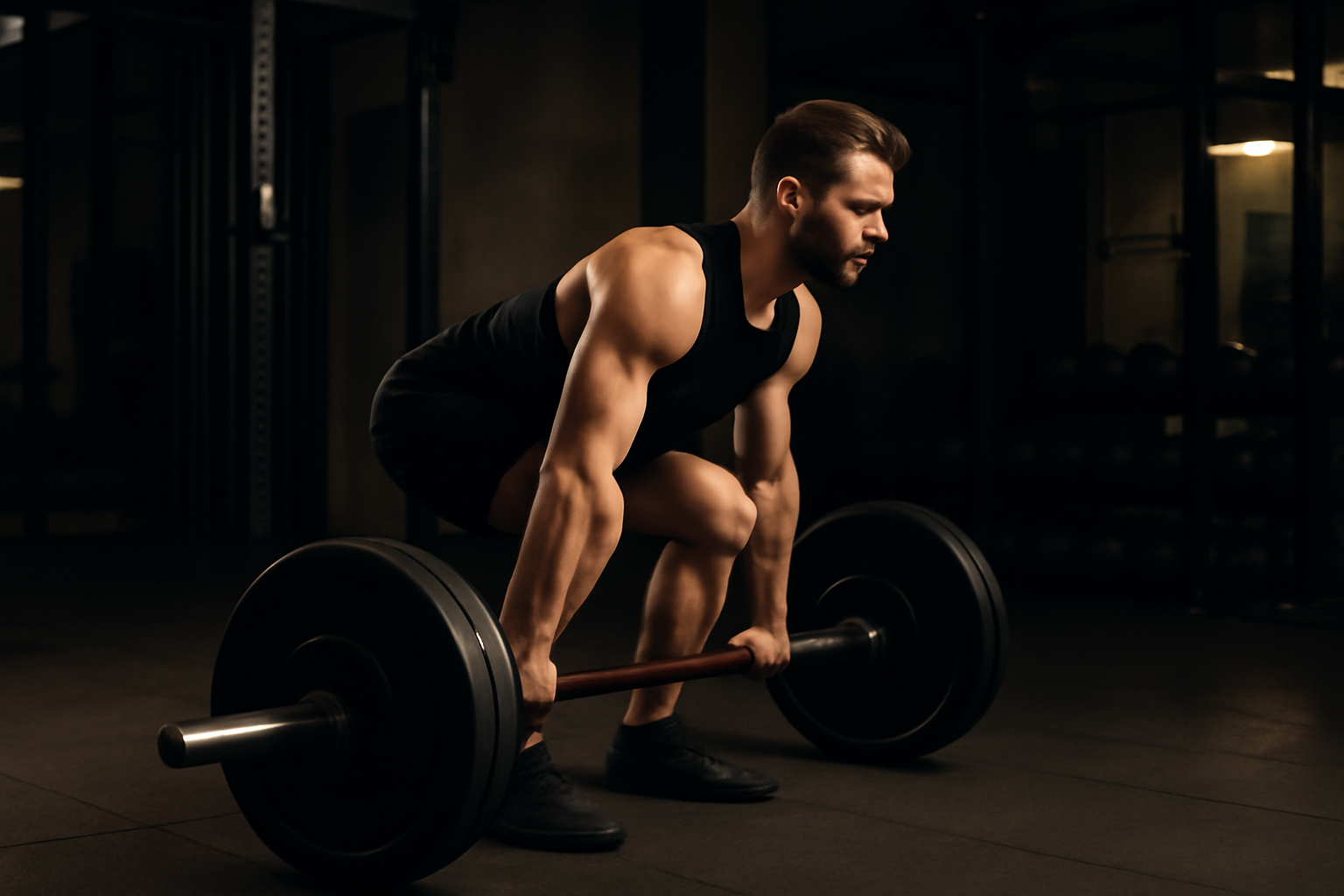

If I could only teach one exercise for the rest of my time training, it would be the deadlift — no contest. No other movement builds raw strength through the posterior chain, improves posture, and transfers directly to real-world function quite like this one. Knowing how to deadlift properly is one of the most valuable physical skills you can develop. But here’s the catch: the deadlift is also one of the most frequently butchered exercises in any gym. Poor deadlift form doesn’t just limit your progress — it puts serious stress on your lumbar spine, knees, and hips in ways that can sideline you for months. This guide walks you through every detail of setup, execution, and common mistakes so you can pull heavy and pull safely for years to come.
Deadlift Setup: Getting Into Position
The setup is where most lifters lose the rep before it even begins. Get this right and the lift almost takes care of itself.
Foot Position
Stand with your feet roughly hip-width apart — that’s narrower than most people think. Your mid-foot should be directly under the bar, which means the bar is sitting about an inch from your shins when you look down. Do not walk up and press your shins into the bar before you’ve hinged. That error forces the bar forward before the lift even starts.
Grip
Reach down and grip the bar just outside your knees. A double overhand grip is my default recommendation for anyone under 80–85% of their max — it builds balanced grip strength. For heavier sets, a mixed grip (one hand over, one under) adds security. Hook grip is another option for advanced lifters willing to tolerate some thumb discomfort.
Hip Hinge — Not a Squat
This is the single most misunderstood element of deadlift form. To get into position, push your hips back — don’t sit down. Your hips should be higher than your knees, and your shoulders slightly in front of the bar. If your hips drop too low, you’ve turned the movement into a squat, which changes the mechanics entirely and shifts the bar away from your center of mass.
Stable Feet Changed How I Cue the Setup
The deadlift demands a rock-solid foundation, and I noticed early on that lifters wearing running shoes or soft-soled trainers were losing tension before the bar even left the floor. A deadlift shoe with a firm, flat base removes that variable and lets you focus entirely on positioning and tension.
What works
- The flat, rigid sole keeps your foot planted—no sinking or shifting mid-pull, which means more stability through the entire range of motion.
- When your foundation is locked in, your nervous system doesn’t waste energy compensating, so heavier weights feel more controllable from rep one.
- The minimal drop lets you maintain proper shin angle and bar path without the forward lean that softer shoes force you into.
What doesn’t
- They’re noticeably stiffer and less comfortable for casual wear—you won’t want to walk around the gym in them between sets like you do with regular shoes.
- The price point is higher than a standard training shoe, so it’s a real commitment if you’re still deciding whether deadlifting is worth the investment for you.
I actually questioned whether the stiffness was worth it during my first heavy session—my feet felt claustrophobic—but by week two I realized I’d stopped thinking about my shoes and started thinking only about the bar. Grab the MANUEKLEAR Deadlift Shoes if you’re serious about dialing in your foundation.
Frequently Asked Questions
Should I use double overhand or mixed grip for deadlifts?
Use double overhand grip as your default for lifts under 80–85% of your max — it builds balanced grip strength. Switch to mixed grip (one hand over, one under) for heavier sets to add security. Hook grip is another option if you’re an advanced lifter willing to tolerate thumb discomfort.
Where should my feet be positioned for deadlifts?
Stand with your feet roughly hip-width apart. Your mid-foot should be directly under the bar, which means the bar sits about an inch from your shins when you look down. Don’t walk up and press your shins into the bar before you’ve hinged, as that forces the bar forward before the lift starts.
Why is hip hinge more important than squatting in deadlifts?
Push your hips back and keep them higher than your knees during setup — don’t sit down. If your hips drop too low, you’ve turned the deadlift into a squat, which changes the mechanics and shifts the bar away from your center of mass.
Do deadlift shoes actually make a difference?
A deadlift shoe with a firm, flat base removes variables and lets you focus on positioning and tension. The flat, rigid sole keeps your foot planted with no sinking or shifting mid-pull, meaning more stability through the entire range of motion and heavier weights feel more controllable.
About This Article

Written by Jordan Ellis. Jordan Ellis isn't a certified personal trainer — just someone who's been genuinely obsessed with training for over eight years and turned it into building smarter home gyms. He focuses on home fitness: effective training spaces, equipment that earns its price, and programs that work in a spare room or basement, not just a commercial gym. More about this site.
Scope and limits. Jordan is not a certified personal trainer, and nothing here is medical advice. Check with a physician before starting a new program, and prioritize form over load on every lift described.
Verify this against a primary source
Specifics change, and your situation may differ from the one described here. These are the authorities worth checking directly:
- Physical Activity Guidelines for Americans (HHS) — the federal physical activity guidelines
- American College of Sports Medicine — exercise prescription and position stands
- NSCA — strength and conditioning research