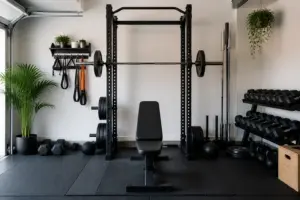

The bench press is the single most popular exercise in the gym — and also one of the most commonly butchered. Walk into any commercial gym on a Monday and you’ll see dozens of people loading up the bar, flaring their elbows, bouncing the bar off their chest, and wondering why their shoulders ache every Tuesday morning. Learning how to bench press correctly isn’t just about ego or aesthetics. It’s about building real, transferable upper body strength while keeping your shoulders, wrists, and elbows healthy for years to come. Whether you’re a complete beginner or someone who’s been training for years with sloppy habits, this guide will break down every element of bench press form from the ground up.
Bench Press Setup: The Foundation of a Good Rep
Most people treat the setup like an afterthought — they lie down, grab the bar, and go. That’s a mistake. The setup determines everything. A solid, repeatable setup is what separates lifters who progress consistently from those who stall and get hurt.
Foot Position
Plant your feet flat on the floor, roughly hip-width apart, and drive them into the ground throughout the entire lift. Your legs aren’t just sitting there — they’re actively contributing to stability and leg drive. Some lifters tuck their feet back toward their hips to increase arch and lat engagement, which is valid, but beginners should start with a flat-footed stance until the rest of the movement is dialed in.
Back Arch
Let’s clear something up: a natural arch in the lower back is not only acceptable during the bench press — it’s correct. A flat back with your spine pressed into the bench is actually a less stable, less powerful position that puts more stress on the anterior shoulder. You’re not trying to do a full powerlifting arch off the bench; you’re simply maintaining the natural curve of your lumbar spine. Your glutes and upper back should stay in contact with the bench at all times.
Shoulder Blades: Retracted and Depressed
Before you touch the bar, squeeze your shoulder blades together and pull them down toward your back pockets. This is what coaches call the “packed” or “pockets” position. Doing this shortens the range of motion slightly, creates a stable shelf for the bar path, and — most importantly — protects your rotator cuff by keeping the shoulder joint in a mechanically sound position. If your shoulder blades are winging off the bench during the press, you’ve lost your base.
Grip Width
A grip roughly 1.5 times your shoulder width works well for the majority of lifters. On a standard Olympic bar, most people end up with their index fingers just outside the smooth center knurling, or with their pinkies on the power rings. A grip that’s too wide increases shoulder stress; a grip that’s too narrow shifts load entirely to the triceps and changes the movement pattern entirely. Find your width, mark it mentally, and use it consistently every session.
Wrist Wraps That Actually Keep Your Wrists Stable Through Heavy Reps
One of the first things I notice in lifters with wrist pain during bench press is excessive wrist extension—the bar rolls forward, your wrists collapse backward, and suddenly you’re fighting instability on every rep instead of just pressing. A solid pair of wrist wraps locks your wrist in a neutral position so you can drive through the bar without compensation.
What works
- The 18-inch length gives you enough material to wrap tight without running out of strap halfway through your set—I can get multiple passes around the wrist and still have room to secure it cleanly.
- They hold tension through a full bench session without loosening or slipping, which means you’re not re-wrapping between rep clusters and losing focus on the lift.
- The thumb loop keeps everything in place during the unrack and walkout, so you’re spending mental energy on form, not babysitting your gear.
What doesn’t
- They take genuine practice to wrap correctly—your first five sessions will feel fiddly, and you’ll probably wrap too loose the first time and wonder why you bought them.
- If you have smaller wrists, 18 inches might be more material than you need, and you’ll end up with excess strap that doesn’t add anything beyond what a 16-inch wrap would give you.
I actually questioned whether I was wrapping mine correctly for the first week—the support felt so subtle that I thought I’d done it wrong—but once I hit a heavy triple, the difference in wrist stability was undeniable. Grab the Fitgriff® Wrist Wraps for Weightlifting (18″) and give yourself at least three sessions to dial in the wrap technique.
Frequently Asked Questions
Should I arch my back during bench press?
Yes. A natural arch in your lower back is correct form, not a flaw. A flat back pressed into the bench is actually less stable and puts more stress on your anterior shoulder. Maintain your lumbar spine’s natural curve while keeping your glutes and upper back in contact with the bench.
What grip width should I use for bench press?
A grip roughly 1.5 times your shoulder width works well for most lifters. This typically places your index fingers just outside the smooth center knurling or your pinkies on the power rings. Too wide increases shoulder stress; too narrow shifts all load to your triceps and changes the movement pattern.
How do I position my shoulder blades when benching?
Before touching the bar, squeeze your shoulder blades together and pull them down toward your back pockets—what coaches call the packed position. This shortens your range of motion, creates a stable shelf for the bar, and protects your rotator cuff by keeping your shoulder joint mechanically sound.
Why does my wrist hurt when I bench press?
Excessive wrist extension causes the bar to roll forward and your wrists to collapse backward, creating instability. Wrist wraps lock your wrist in a neutral position so you can drive through the bar without compensation and avoid this pain pattern.
About This Article

Written by Jordan Ellis. Jordan Ellis isn't a certified personal trainer — just someone who's been genuinely obsessed with training for over eight years and turned it into building smarter home gyms. He focuses on home fitness: effective training spaces, equipment that earns its price, and programs that work in a spare room or basement, not just a commercial gym. More about this site.
Scope and limits. Jordan is not a certified personal trainer, and nothing here is medical advice. Check with a physician before starting a new program, and prioritize form over load on every lift described.
Verify this against a primary source
Specifics change, and your situation may differ from the one described here. These are the authorities worth checking directly:
- Physical Activity Guidelines for Americans (HHS) — the federal physical activity guidelines
- American College of Sports Medicine — exercise prescription and position stands
- NSCA — strength and conditioning research