Category: Strength Training & Weightlifting

  • Strength Training After 50: How to Build Muscle Safely Without Wrecking Your Joints

    Strength Training After 50: How to Build Muscle Safely Without Wrecking Your Joints

    I can’t tell you how many times I’ve heard some version of this: “I want to start lifting weights again, but I’m 50 now — won’t that hurt my knees? My back? My everything?” Sound familiar? Here’s the truth: strength training after 50 safe isn’t just possible — it’s one of the smartest things you can do for your body, your energy, and your long-term independence. The real danger isn’t lifting weights in your 50s, 60s, or beyond. The real danger is doing nothing at all.

    This post contains affiliate links. As an Amazon Associate, I earn from qualifying purchases. This means if you click a link and make a purchase, I may earn a small commission at no extra cost to you. I only recommend products I genuinely think are worth your time and money.

    Why Strength Training After 50 Is Non-Negotiable

    Here’s a hard fact most people don’t want to hear: after age 30, you naturally start losing muscle mass at a rate of about 3–8% per decade. After 60, that rate accelerates. This process is called sarcopenia — basically, your muscles shrinking from disuse and hormonal shifts. Less muscle means a slower metabolism, weaker bones, worse balance, and a higher risk of injury from everyday activities like carrying groceries or climbing stairs.

    The good news? Research consistently shows that resistance training directly reverses sarcopenia. A landmark study published in the Journal of Applied Physiology found that older adults who trained with weights two to three times per week significantly increased muscle mass, strength, and functional movement — even participants in their 70s and 80s. Your muscles don’t know how old you are. They respond to the right stimulus no matter what your birthday says.

    Strength Training After 50 Safe: The Rules That Actually Matter

    Training smart after 50 isn’t about doing less — it’s about doing it right. Here are the principles I coach every client on when they walk through the door past their 50th birthday.

    1. Start With Movement Quality, Not Weight

    Before you load a barbell, you need to earn the right to lift it. Focus first on your range of motion and form. A squat with perfect depth and a neutral spine using just your bodyweight is worth ten times more than a heavy squat that rounds your lower back and grinds your knees. Spend your first few weeks dialing in your movement patterns. Trust me — your joints will thank you later.

    2. Embrace Resistance Bands as a Foundation Tool

    Resistance bands are genuinely underrated for older lifters. Unlike free weights, bands provide accommodating resistance — meaning the tension increases as you extend through a movement, which actually reduces stress on joints at their most vulnerable angles. Bands are also incredibly versatile and low-impact, making them perfect for building a foundation before progressing to heavier equipment.

    3. Prioritize Recovery More Than You Think You Need To

    After 50, your recovery window is longer. Full stop. Your body needs more time to repair muscle tissue between sessions. Training three days per week with at least one rest day between sessions is a sustainable, effective approach. Sleep, hydration, and protein intake are your best recovery tools — aim for 0.7–1 gram of protein per pound of bodyweight daily to support muscle repair.

    4. Warm Up Like You Mean It

    A five-minute warm-up isn’t optional at this stage — it’s mandatory. Dynamic stretching (leg swings, arm circles, hip rotations) and light cardio get blood flowing to your joints and lubricate them before you load them. Cold joints and heavy weights are a recipe for injury. Give yourself 10–15 minutes to prepare, and your workouts will feel exponentially better.

    The Best Exercises for Lifters Over 50

    You don’t need a complex program to see serious results. The best exercises for this age group hit multiple muscle groups, build functional strength, and respect joint health. Here’s what I recommend building your program around:

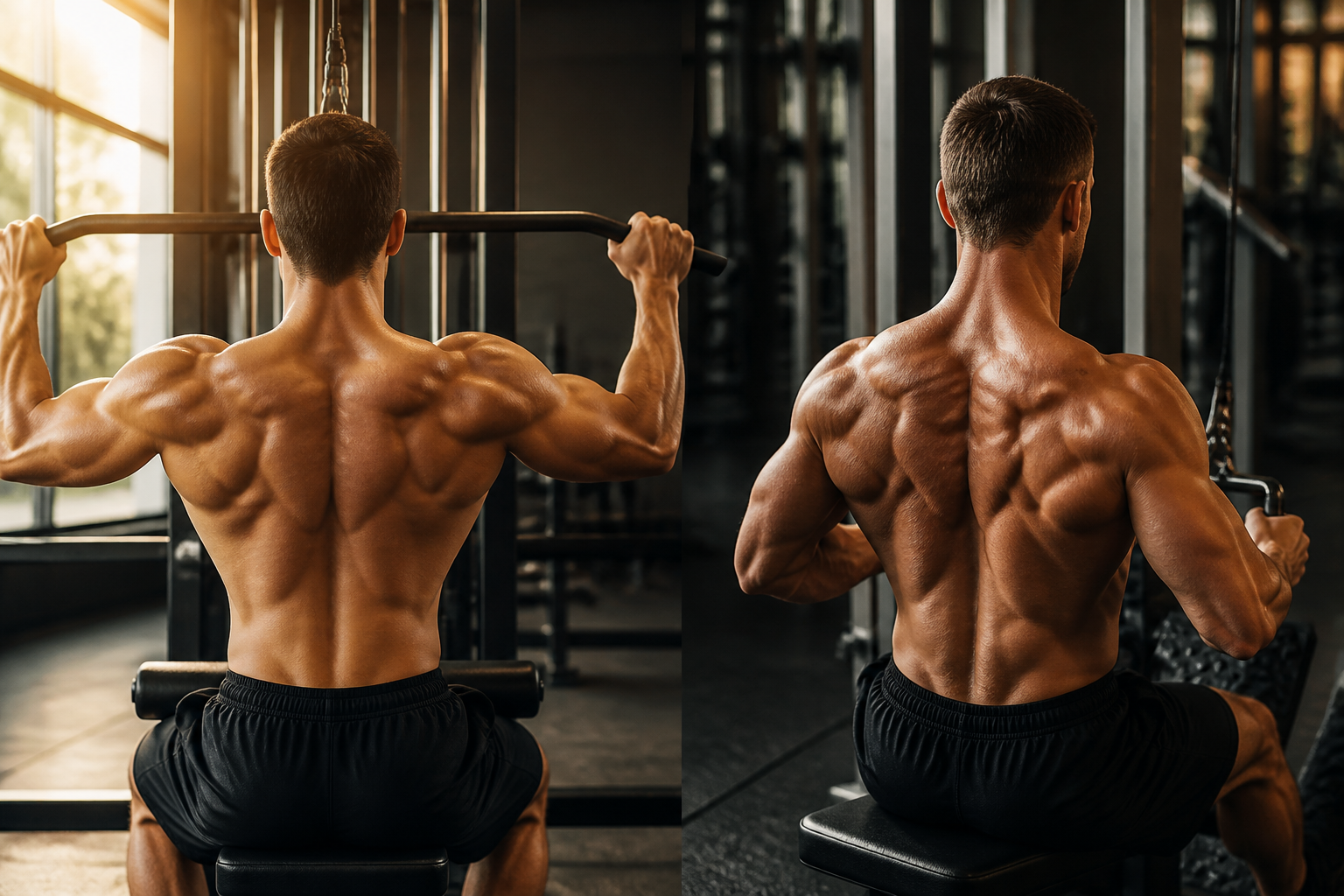
    • Seated or standing rows — builds upper back strength critical for posture
    • Lat pulldowns — develops the back and shoulders without overhead pressing stress
    • Goblet squats — knee-friendly squat variation that naturally encourages good form
    • Resistance band chest press — builds pushing strength with joint-friendly resistance
    • Hip hinges and deadlifts — strengthens the posterior chain (glutes, hamstrings, lower back) for injury prevention
    • Chair-supported exercises — excellent for beginners or anyone managing balance issues

    Gear I Recommend for Strength Training After 50

    You don’t need a commercial gym membership to train effectively. Here’s the equipment I point my older clients toward — all of it practical, joint-friendly, and worth every dollar.

    Best for Beginners or Anyone Starting From Scratch

    If you’re just getting started or coming back from an injury, the Healthy Seniors Chair Exercise Program is a fantastic entry point. It comes with two resistance bands, handles, and a printed exercise guide — everything you need to start building real strength from a chair. It’s also a thoughtful gift idea if you have a parent or grandparent you want to help get moving safely.

    Similarly, the Relaxgiant 2-Piece Resistance Band Set with Handles is another solid option for chair-based training. It comes in two resistance levels (yellow and green) so you can start light and progress as you get stronger. Simple, effective, and easy to use anywhere.

    Best Resistance Bands for Full-Body Workouts

    Once you’re ready to expand your training, the WHATAFIT Resistance Bands Set is one of the best values out there. These come in multiple resistance levels with comfortable handles, making them versatile enough for rows, presses, curls, squats, and more. They’re durable, stackable, and perfect for a home gym setup.

    Best for Home Gym Cable Training

    Cable machines are some of the most joint-friendly pieces of

  • Dumbbell vs Barbell Training: Which One Builds More Muscle for Your Goals

    Dumbbell vs Barbell Training: Which One Builds More Muscle for Your Goals

    You walk into the gym, and there they are — two camps. On one side, lifters loading up a barbell for squats and bench press. On the other, someone cranking out dumbbell curls and lunges. You’ve probably asked yourself at some point: which one is actually better for building muscle? The dumbbell vs barbell training comparison is one of the most common debates in strength training, and honestly, it’s one worth having. Because the answer isn’t as simple as “one beats the other” — it depends on your goals, your experience level, and how you’re training. Let me break it all down for you.

    This post contains affiliate links. As an Amazon Associate, I earn from qualifying purchases.

    Dumbbell vs Barbell Training Comparison: Understanding the Key Differences

    Before we crown a winner, let’s talk about what makes each tool unique. A barbell loads both hands on a single fixed bar — this lets you move heavier weight overall because your stronger side can compensate for your weaker side. That’s great for raw strength, but it can also mask muscle imbalances over time. Dumbbells, on the other hand, require each arm or leg to work independently. That independence is a huge deal when it comes to correcting imbalances and building functional, real-world strength.

    Here’s another big factor: range of motion. When you do a dumbbell bench press, your hands can travel further down and across your chest compared to a barbell, which stops at your sternum. More range of motion typically means more muscle fiber recruitment — and more muscle fiber recruitment means more growth stimulus. Studies on muscle activation back this up, showing that free-weight exercises performed through a full range of motion produce greater hypertrophy (that’s just a fancy word for muscle growth) compared to restricted-range movements.

    When Barbells Have the Edge

    Let me be straight with you — if your goal is maximum strength and you want to lift the heaviest weight possible, barbells win. Exercises like the barbell squat, deadlift, and bench press are the gold standard for building raw, foundational strength. You can progressively overload (gradually increase the weight over time) more easily with a barbell because the increments are smaller and the range of available weights is virtually unlimited.

    Barbells also shine for compound movements that target multiple muscle groups at once. A heavy barbell deadlift works your hamstrings, glutes, lower back, traps, and core all in one shot. That kind of total-body tension is hard to replicate with dumbbells. If you’re training for powerlifting, athletic performance, or just want to move serious weight, the barbell is your best friend.

    Best Barbell Exercises for Muscle Building

    • Barbell Back Squat — king of lower body strength
    • Conventional Deadlift — total posterior chain builder
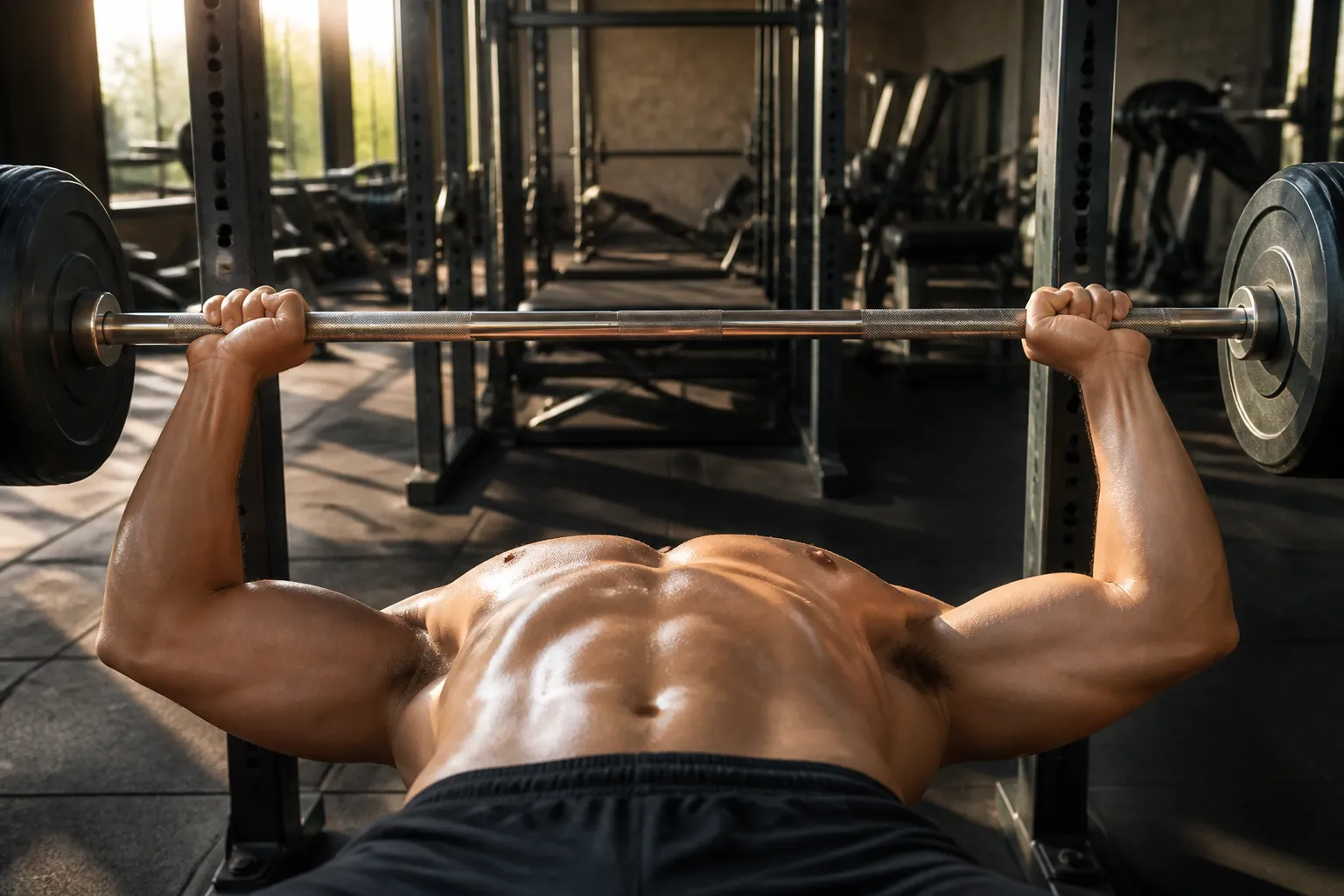
    • Barbell Bench Press — upper body mass staple
    • Barbell Row — back thickness and pulling strength
    • Overhead Press — shoulder and upper body power

    When Dumbbells Have the Edge

    Here’s where it gets interesting — and where a lot of people underestimate dumbbells. For hypertrophy (building muscle size), dumbbells are incredibly effective, sometimes even more so than barbells. Why? Because of that unilateral training benefit I mentioned. Each side of your body has to pull its own weight, literally. This forces your stabilizer muscles — smaller muscles that support joints and control movement — to work harder. Over time, that means more balanced, symmetrical muscle development.

    Dumbbells are also significantly safer for solo training. There’s no barbell to get pinned under if you miss a rep. For beginners especially, learning movement patterns with dumbbells first builds the body awareness and joint stability needed before loading up a barbell. And for home gym training? Dumbbells are practical, space-efficient, and versatile enough to cover almost every muscle group.

    Best Dumbbell Exercises for Muscle Building

    • Dumbbell Romanian Deadlift — hamstrings and glutes with great control
    • Single-Arm Dumbbell Row — corrects back imbalances fast
    • Dumbbell Bench Press — deeper chest stretch than barbell
    • Dumbbell Lunges — lower body unilateral strength and balance
    • Dumbbell Shoulder Press — natural wrist rotation reduces joint stress

    Gear I Recommend: The Best Dumbbells for Home and Gym Training

    Whether you’re training at home or setting up a solid workout space, having the right dumbbells makes a massive difference. Here are my top picks depending on your budget and needs:

    If you’re just starting out or want a compact, affordable option, the Adjustable Dumbbells Set 25LB is a solid entry-level pick. It covers five weight settings from 5 to 25 pounds with an anti-slip handle — perfect for beginners working on form and building that strength base.

    Ready to level up? The 2026 Latest Adjustable Dumbbell Set (110LB total) is a beast of a home gym investment. With a total of 110 pounds of weight and 3–6 pound increments, you have plenty of room to progressively overload and keep those gains coming. The included tray keeps everything tidy too.

    For serious lifters who want maximum versatility in one set, check out the TYZDMY Adjustable Dumbbells 52.5LB Pair (105LB total). This 15-in-1 system replaces an entire rack and works for both men and women. If space is tight but your ambitions aren’t, this one delivers.

    Prefer traditional hex dumbbells? The CAP 150 LB Rubber Coated Hex Dumbbell Set with Vertical Storage Rack gives you a full set with a sleek rack to keep your space organized. Rubber coating protects your floors and the chrome handles feel great in hand during heavy sets.

    You’ve been hitting the gym consistently for months. You show up, you put in the work, you sweat — but the scale on the barbell hasn’t moved in weeks. Sound familiar? This is one of the most common frustrations I hear from people who are serious about getting stronger. The culprit almost every single time? They’ve stopped applying progressive overload strength training. It’s not a fancy term or some secret only elite athletes know about — it’s actually the most fundamental principle behind every strength gain you’ve ever made or will ever make. Let me break it down for you.

    This post contains affiliate links. As an Amazon Associate, I earn from qualifying purchases. If you click a link and make a purchase, I may earn a small commission at no extra cost to you. I only recommend gear I genuinely believe in.

    What Is Progressive Overload and Why Does It Drive Every Strength Gain?

    Progressive overload is the practice of gradually increasing the demand you place on your muscles over time. Your body is incredibly smart — and lazy. Once it adapts to a given workload, it stops changing. It has no reason to build more muscle or get stronger if the challenge stays the same. To keep making progress, you have to keep raising the bar — sometimes literally.

    The science behind this goes back decades. In the 1940s, physician Thomas DeLorme developed progressive resistance exercise to help rehabilitate injured soldiers. He discovered that systematically increasing resistance led to faster, more consistent strength improvements than fixed-load training. Modern sports science has confirmed this over and over again — progressive overload is not optional if you want to get stronger. It’s the mechanism.

    Here’s the key thing most people miss: progressive overload doesn’t just mean adding weight to the bar every single session. That’s one method, and it’s a great one, but it’s not the only tool in the box.

    Progressive Overload Strength Training: 6 Ways to Apply It

    Let’s talk about the actual methods you can use. These are practical, real-world strategies you can start implementing this week.

    1. Add More Weight

    The most straightforward approach. If you squatted 185 lbs for 3 sets of 5 last week, try 190 lbs this week. Small, consistent jumps beat big sporadic leaps every time. This is where fractional plates become an absolute game-changer, especially on lifts where even a 5 lb jump feels too big. More on those in the gear section below.

    2. Do More Reps

    If you hit 3 sets of 8 last week, try going for 3 sets of 9 or 10 this week at the same weight. Once you hit the top of your rep range consistently, that’s your green light to increase the load.

    3. Add More Sets

    Increasing total training volume — the total amount of work you do — is another proven overload method. Going from 3 sets to 4 sets on your main lifts can drive serious gains over time.

    4. Reduce Rest Time

    Doing the same work in less time increases training density, which is its own form of overload. Gradually cutting rest from 3 minutes to 2 minutes challenges your body in a different but very real way.

    5. Improve Range of Motion

    Going deeper on a squat or getting a fuller stretch on a Romanian deadlift increases the muscular demand even at the same weight. Better range of motion means more muscle fiber recruitment — that counts as overload.

    6. Slow Down the Eccentric Phase

    The eccentric phase is the lowering portion of a lift — think lowering the bar to your chest on a bench press. Slowing this down (called “tempo training”) increases time under tension, which is a powerful overload stimulus even without adding a single pound.

    Gear I Recommend for Progressive Overload Training at Home

    If you’re training at home or building out a garage gym, having the right equipment makes applying progressive overload so much easier. Here’s what I personally recommend.

    Build Your Foundation with a Quality Bumper Plate Set

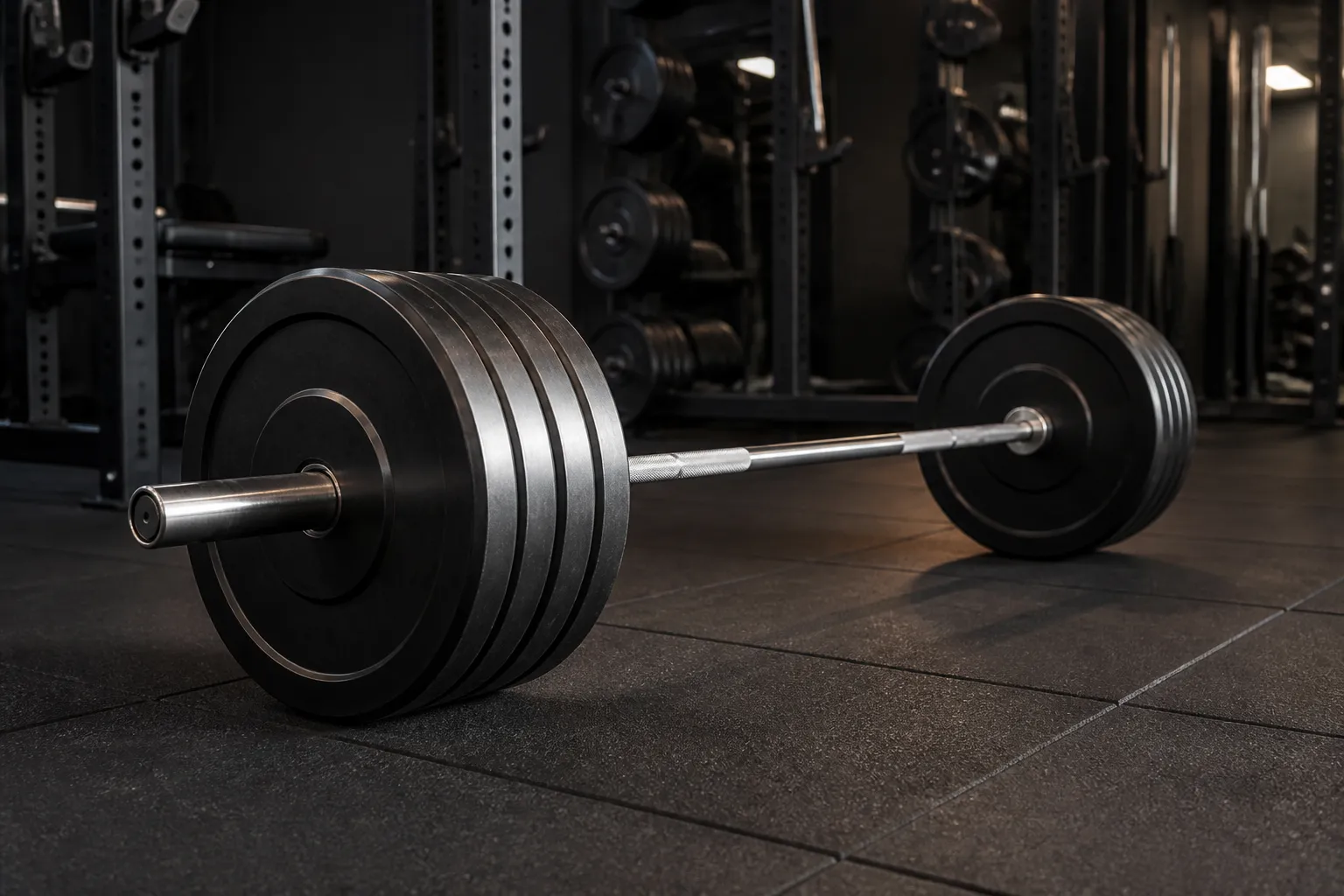
    You can’t progressively overload without enough weight to actually progress with. If you’re starting out or expanding your home gym, the CAP Barbell 160 lb Economy Olympic Weight Set with 7ft Chrome Barbell and Black Bumper Plates is a solid all-in-one starting point. You get a full bar and enough plates to get serious work done.

    Once you’re ready to go heavier, I’d look at the CAP Barbell 260 LB Economy Olympic Bumper Plate Set with Color Logo or the CAP Barbell Economy Speckled Olympic Bumper Plate Set, also 260 lbs. Both give you a serious weight range to keep progressing for a long time. The speckled version has a great look if aesthetics matter to you in your training space.

    Fractional Plates: The Secret Weapon for Consistent Progress

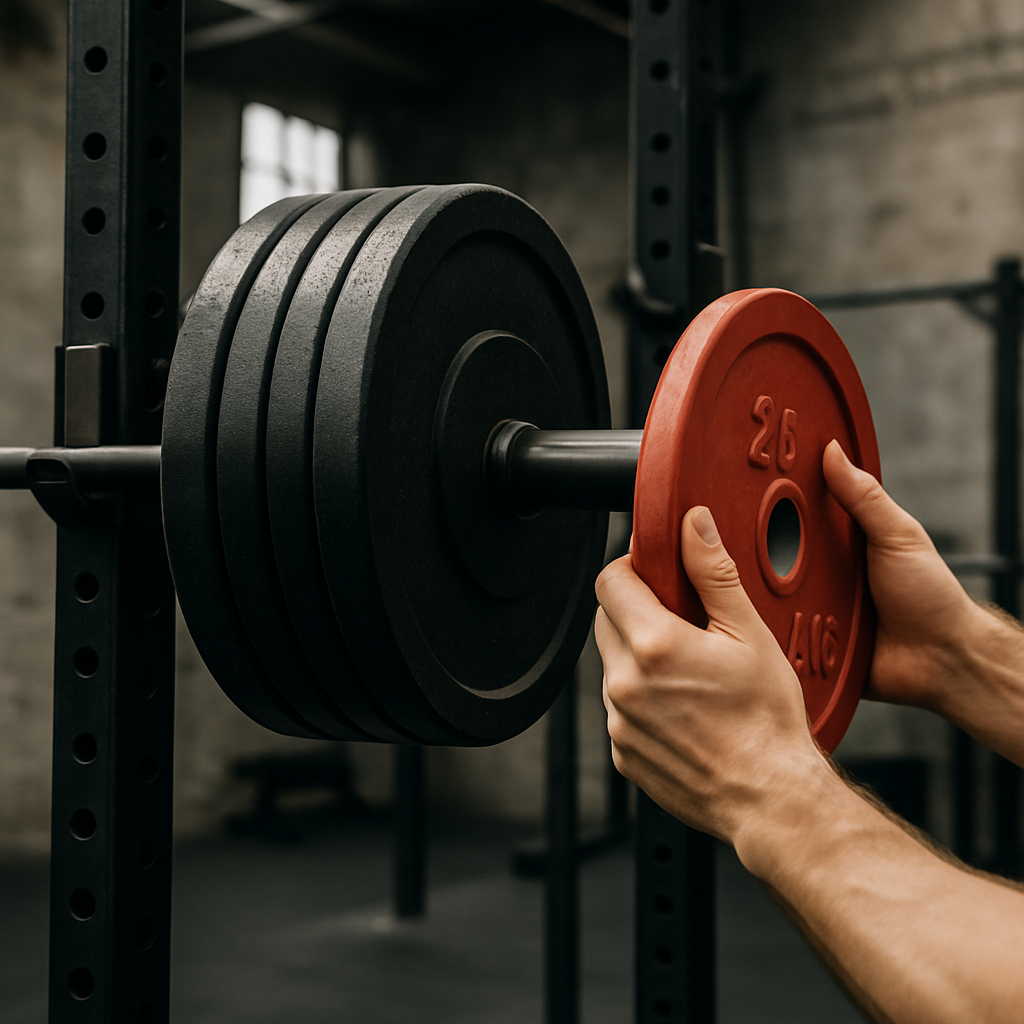
    This is the piece of equipment most home gym lifters don’t have but absolutely should. Fractional plates let you make micro-jumps in weight — as small as 0.25 lbs per side — instead of being forced to jump 5 or 10 lbs at a time. This is especially crucial on upper body lifts like overhead press or bench press where big jumps can stall progress fast.

    Two great options here: the EVERYMATE Fractional Weight Plates Set of 8 and the GOLDNITE Fractional Micro Weight Plates Set of 8. Both sets include 0.25 lb, 0.5 lb, 0.75 lb, and 1 lb pairs, fitting standard Olympic barbells. If you’ve ever felt stuck on a lift, adding fractional plates to your setup could be the unlock you’ve been looking for. Seriously — don’t sleep on these.

    Common Progressive Overload Mistakes (And How to Avoid Them)

    Even once people understand the concept, they tend to make a few predictable mistakes. Here’s what to watch out for.

    • Trying to
  • How to Build a Beginner Strength Training Program That Actually Sticks

    How to Build a Beginner Strength Training Program That Actually Sticks

    You walk into the gym, look around at all the equipment, and have absolutely no idea where to start. Or maybe you’ve started — twice — but quit after two weeks because you weren’t seeing results and the whole thing felt overwhelming. Sound familiar? I hear this almost every single day, and here’s what I tell people: the problem usually isn’t motivation or discipline. It’s that nobody showed you how to build a proper beginner strength training program — one that’s simple enough to actually follow through on, but structured enough to get real results. Let’s fix that today.

    This post contains affiliate links. As an Amazon Associate, I earn from qualifying purchases. This helps keep WorkoutAnswers.com running at no extra cost to you — I only recommend gear I’d genuinely point a client toward.

    Why Most Beginners Quit Before They See Results

    Here’s the hard truth: most beginner programs fail not because they’re too hard, but because they’re too complicated. People jump into six-day splits (training different muscle groups on six separate days), try to track fifteen different exercises, and burn out before their body even has a chance to adapt. The science here is actually on your side — research consistently shows that beginners respond incredibly well to simple, full-body training performed three days per week. You don’t need complexity. You need consistency.

    The other big mistake? Going too heavy too fast. Progressive overload — the practice of gradually increasing the weight, reps, or difficulty of your exercises over time — is the single most important principle in strength training. But it only works if you start at a manageable level. Think of your first few weeks as building the foundation. You’re teaching your nervous system how to move, developing coordination, and creating habits. The strength gains come after that foundation is solid.

    How to Build a Beginner Strength Training Program That Actually Works

    Let me give you the framework I use with new clients. It’s straightforward, it’s backed by exercise science, and most importantly — it’s sustainable.

    Step 1: Train Three Days Per Week

    Three non-consecutive days is the sweet spot for beginners. Think Monday, Wednesday, Friday — or any combination that gives you a rest day in between. These rest days aren’t wasted time; they’re when your muscles actually repair and grow stronger. Skipping them is one of the fastest ways to stall your progress or end up injured.

    Step 2: Focus on Compound Movements

    Compound movements are exercises that work multiple muscle groups at the same time. These are your best friend as a beginner. Here are the core movements to build your program around:

    • Squat — builds your quads, hamstrings, glutes, and core
    • Deadlift — works your entire posterior chain (the muscles along your backside)
    • Bench Press or Dumbbell Press — chest, shoulders, and triceps
    • Bent-Over Row — upper back and biceps
    • Overhead Press — shoulders and upper body stability

    You don’t need to do all five every session. Pick three or four per workout and rotate. Each session should hit your whole body in some way.

    Step 3: Use Sets and Reps That Match Your Goal

    For building strength and muscle as a beginner, the research strongly supports working in the 3 sets of 8–12 reps range for most exercises. This rep range builds both strength and muscle size (called hypertrophy) simultaneously — which is exactly what you want early on. Rest about 60–90 seconds between sets. When you can complete all your reps with good form and it feels manageable, increase the weight slightly the next session. That’s progressive overload in action.

    Step 4: Track Everything

    Use a notebook, your phone notes, or a free app to log your exercises, weights, sets, and reps every single session. This feels tedious at first, but it becomes your roadmap. When you can look back and see that you deadlifted 10 more pounds than you did three weeks ago, that’s real, measurable progress ��� and it’s incredibly motivating.

    Gear I Recommend for Getting Started at Home or the Gym

    You don’t need a fully equipped commercial gym to run a solid beginner program. A good set of adjustable dumbbells or a basic barbell setup can get you 80% of the way there. Here’s what I’d point you toward depending on your setup and budget.

    Best for Beginners — Adjustable Dumbbells

    Adjustable dumbbells are hands-down the most space-efficient and cost-effective way to start training at home. Instead of buying an entire rack of dumbbells, you get one set that adjusts to multiple weights.

    If you’re just starting out and want something lightweight and easy to use, the Adjustable Dumbbells Set 25LB is a great entry point. It adjusts from 5 to 25 lbs per dumbbell, has an anti-slip handle, and covers the weight range most beginners will actually use in their first several months of training.

    Ready to go heavier from the start — or planning to grow into your program? The TYZDMY Adjustable Dumbbells Set gives you up to 52.5 lbs per dumbbell (105 lbs total), with 15 weight settings. This is a smart investment if you want a single set that will last you well beyond the beginner stage.

    For something genuinely versatile, the FITPLAM 4-in-1 Adjustable Dumbbell Set is worth a serious look. At 45 lbs, it converts into a kettlebell, barbell, and push-up stand — meaning one piece of equipment covers a huge range of exercises. Ideal if you want maximum versatility in a small space.

    Best for Barbell Training at Home

    If you want to go the barbell route — which I highly recommend eventually, since barbells allow for the most efficient progressive overload — here are two solid options.

    The