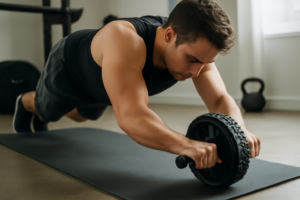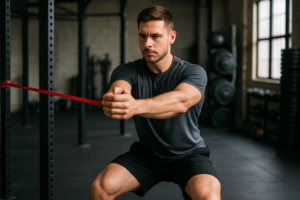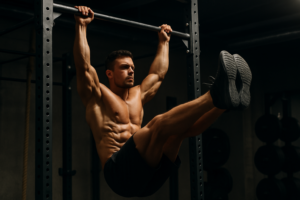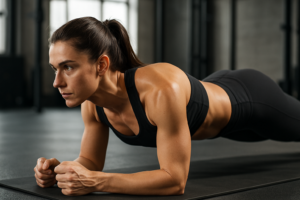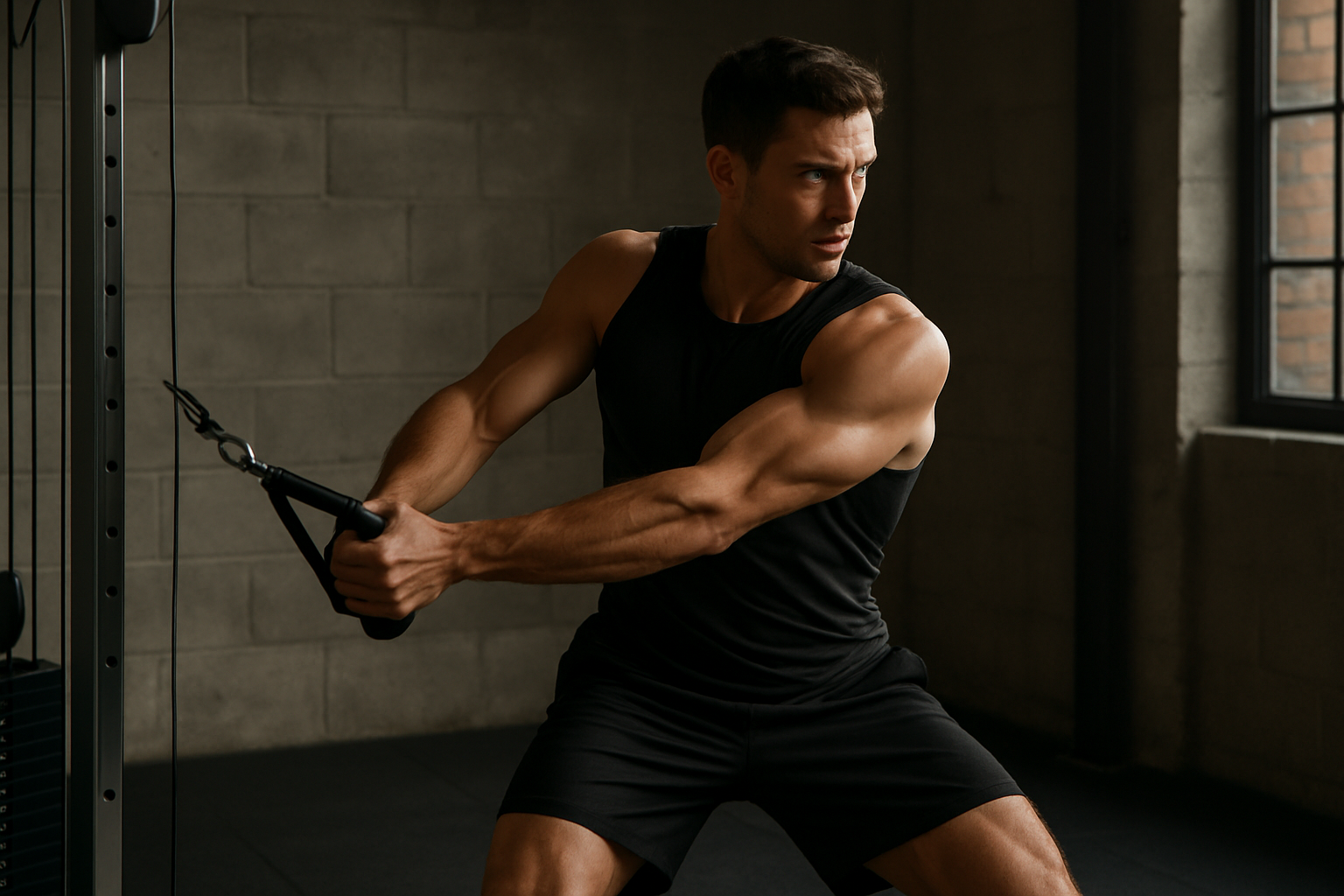

Study data shows that core strength imbalances—particularly underworked lateral trunk muscles—correlate with decreased lifting performance and postural degradation in lifters who focus exclusively on anterior core work. That finding stuck with me because it explained something I’d overlooked in my own training for far too long. I was hammering away with crunches and planks, racking up volume without real results, until I realized the culprit: I’d almost entirely neglected oblique core training. Most people fall into this same trap, fixating on the front abdominals—the rectus abdominis and its coveted six-pack appearance—while ignoring the diagonal side trunk musculature that actually stabilizes heavy movement. The moment I started directly loading my obliques, the changes became obvious. My spinal stability improved under compound loads, my torso control tightened in rotational patterns, and my core aesthetics shifted in ways anterior-only work never achieved.
Here’s what the obliques actually accomplish, what happens when you train them deliberately, and which exercises and equipment deliver the most reliable results.
What Are the Obliques and Why Do They Matter So Much?
The obliques are paired muscles arranged in diagonal bands across your lateral trunk. Two distinct layers make up this system: the external obliques (superficial, running downward and medially in the direction your hands naturally hang in your pockets) and the internal obliques (deeper, oriented in the opposite diagonal direction). These muscles handle rotation, lateral flexion (bending sideways), and contribute substantially to maintaining spinal stiffness throughout movement.
Functionally, this means your obliques activate when you rotate your torso to reach for an object, when you execute rotational athletic movements like throwing or swinging, or when you simply walk with natural hip drive. They also function as a muscular corset, bracing the midsection during heavy compound work like deadlifts and squats to protect spinal segments. Underdeveloped obliques create instability throughout the kinetic chain—power leaks out, and injury risk climbs proportionally.
Oblique Movements That Deliver Real Strength and Muscle Gains
Below are the key exercises worth prioritizing. I’ve organized them by training stimulus so you can assemble a well-rounded program.
Why Loaded Rotation Outperforms Static Oblique Work
Pure stability drills have their place, but obliques build strength and size most reliably when you add resistance through actual spinal rotation—a demand that’s difficult to meet in most home setups without proper cable equipment. Once I started applying genuine load to rotational patterns instead of relying on isometric holding, my old attachment inventory proved inadequate for the stimulus I needed.
What delivers results
- A rope attachment offers a wide grip surface that lets you apply substantial force through rotation without the cable slipping or bunching—I saw immediate improvement in rep quality and tension maintenance on high-load sets.
- Having multiple interchangeable heads means you can move between cable chops, Pallof presses, and rotational carries in a single session without constant equipment swapping, keeping work density high.
- Secure screw-on attachment points prevent equipment failure during max-effort rotational pulls—the reliability eliminates distraction when you’re moving heavy weight.
What limits effectiveness
- The rope can deteriorate noticeably with frequent heavy use; mine showed significant fraying within roughly 3 months when performing cable chops 4–5 times per week.
- These attachments require an existing cable machine or dual-pulley frame—they’re not a complete solution on their own, so compatibility with your current setup is non-negotiable.
The first time I loaded heavy and rotated fast, I was half-convinced the handles would strip off the threading, but they held solid for dozens of sets. That peace of mind alone is why I grabbed the Cable Machine Attachments Home Gym Set.
Frequently Asked Questions
What do obliques do during heavy compound lifts?
Your obliques function as a muscular corset, bracing the midsection during heavy compound work like deadlifts and squats to protect spinal segments. They maintain spinal stiffness throughout movement, and underdeveloped obliques create instability that causes power leaks and increases injury risk.
Why is loaded rotation better than static oblique exercises?
Obliques build strength and size most reliably when you add resistance through actual spinal rotation rather than pure stability drills. Loading rotation demands genuine force application, which static holds cannot meet adequately and is difficult to achieve without proper cable equipment.
How often can rope cable attachments handle heavy use?
Rope attachments can deteriorate noticeably with frequent heavy use. The author’s rope showed significant fraying within roughly three months when performing cable chops four to five times per week, though they held solid through dozens of sets at heavy loads.
What exercises work obliques with cable attachments?
Cable chops, Pallof presses, and rotational carries all work obliques effectively with rope attachments. Multiple interchangeable heads let you move between these exercises in a single session without constant equipment swapping, keeping work density high.
About This Article

Written by Jordan Ellis. Jordan Ellis isn't a certified personal trainer — just someone who's been genuinely obsessed with training for over eight years and turned it into building smarter home gyms. He focuses on home fitness: effective training spaces, equipment that earns its price, and programs that work in a spare room or basement, not just a commercial gym. More about this site.
Scope and limits. Jordan is not a certified personal trainer, and nothing here is medical advice. Check with a physician before starting a new program, and prioritize form over load on every lift described.
Verify this against a primary source
Specifics change, and your situation may differ from the one described here. These are the authorities worth checking directly:
- Physical Activity Guidelines for Americans (HHS) — the federal physical activity guidelines
- American College of Sports Medicine — exercise prescription and position stands
- NSCA — strength and conditioning research