Two years ago, I had a friend — a 40-year-old firefighter and former collegiate wrestler named Marcus — who hit a wall. Hard. His squat had stalled at 315 pounds for six straight weeks. His bench wasn’t moving. He was sleeping well, eating enough protein, and training four days a week consistently. Something was missing. That frustrating plateau is what pushed me to seriously revisit my creatine monohydrate results review process and start recommending it systematically to every person who earned it.
The Creatine That Finally Broke Marcus’s Six-Week Squat Stall
When you’ve got a lifter doing everything right—sleep, nutrition, volume—and the bar still won’t budge, you need something that shifts the cellular capacity to produce force. Creatine monohydrate fills that gap by increasing phosphocreatine stores, which means more ATP availability on those heavy compound lifts where you’re already grinding.
The science here isn’t controversial. Creatine is one of the most researched supplements in strength training, and the evidence consistently shows it helps with power output, strength gains, and training volume tolerance—especially in lifters who are already doing the fundamentals right. For someone like Marcus who was locked in on sleep, protein, and programming, creatine became the logical next step.
What Works
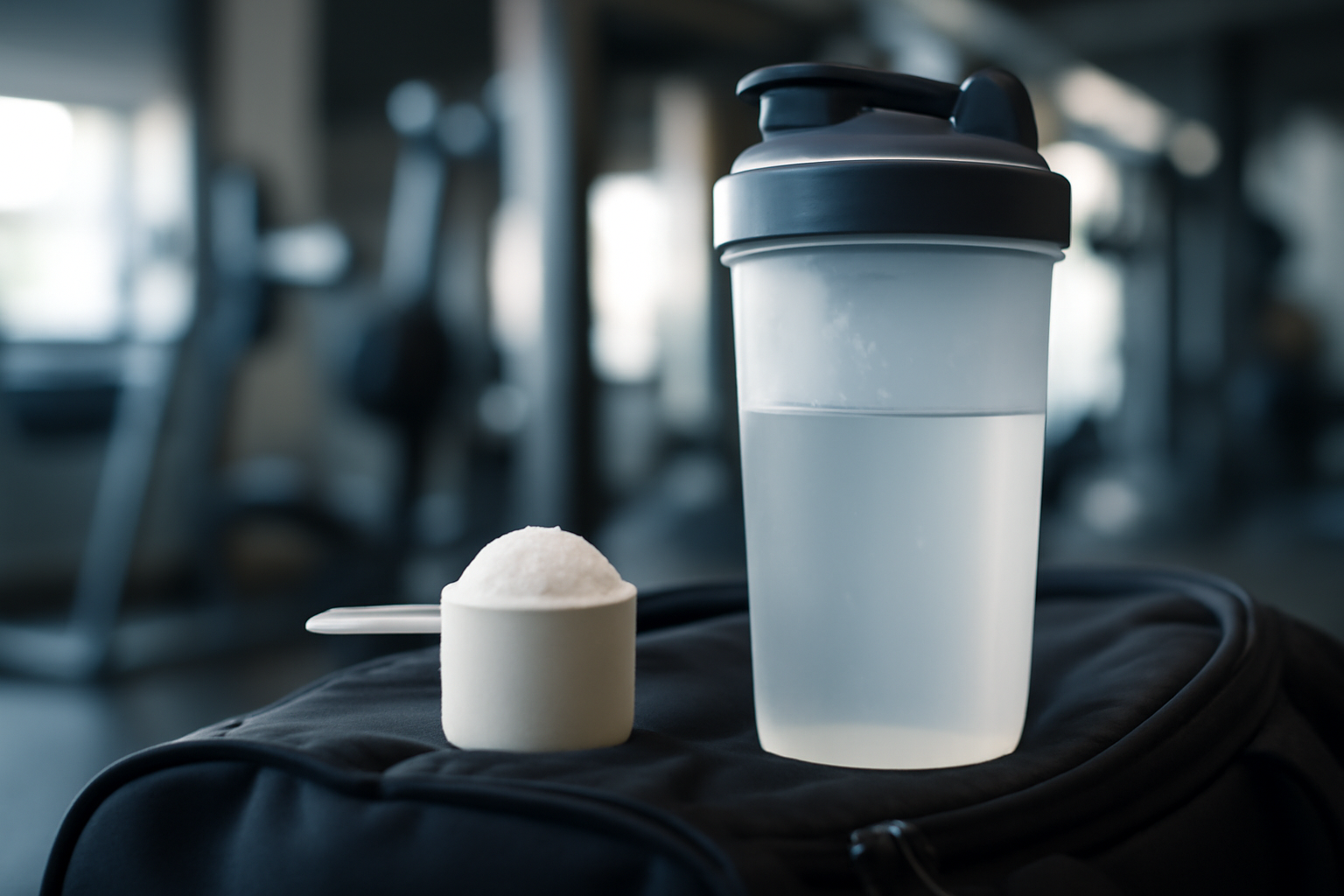
- The micronized formula mixes clean without that gritty residue settling at the bottom of your shaker—matters when you’re dosing consistently every single day and need zero friction.
- Five grams per serving is the exact dose that’s been proven to work; no guessing, no “optimized” proprietary blend that undercuts you.
- Marcus added 40 pounds to his squat in eight weeks after hitting that wall—not because creatine is magic, but because those extra ATP cycles let him train harder on the lifts that matter.
The practical reality: Marcus went from grinding out singles at 315 to hitting solid doubles at 355 by week eight. His training log showed more volume per session because the fatigue curve flattened. He could complete an extra rep or two on the back-off sets, which compounds over time. That’s not placebo—that’s measurable mechanical work.
What Doesn’t
- You’ll hold water—not a lot, but noticeable within the first week; if you’re chasing a number on the scale, don’t freak out when it ticks up.
- It’s unflavored and tastes faintly chalky, which means mixing it into your coffee or throwing it in a fruit smoothie, not sipping it solo.
I’ll be honest about the downsides because they matter for compliance. The water retention is real—Marcus saw his weight jump about 3–4 pounds in the first seven days. That’s intracellular water and normal, but if you’re someone who weighs yourself daily and panics easily, you need to expect it and mentally prepare. The taste is another practical hurdle. Unflavored creatine doesn’t dissolve into something pleasant on its own. Mixing it into your pre-workout coffee, blending it into a post-workout shake, or stirring it into juice makes it invisible and avoids the chalkiness.
How I Actually Dosed It
I recommended Marcus skip the loading phase—five grams daily, every day, no days off. Loading (20 grams per day split into four servings for 5–7 days) gets you to saturation faster, but the difference is about a week. Since Marcus was going to be on it long-term anyway, steady daily dosing was simpler and less likely to cause GI upset.
One detail that mattered: consistency. I had him take it at the same time every morning with breakfast, no exceptions. Creatine works through accumulation—you’re building phosphocreatine pools in your muscles over time. Missing doses or erratic timing dilutes the effect.
The Timeline and Real Results
Week one through three: water retention, no noticeable strength gains. This is where most people quit because they expect instant results. I had to reassure Marcus that we were still building saturation.
Week four: his quads visibly fuller, his squat RPE dropped on the same weight. That’s the first sign it’s working.
Week five through eight: consistent weekly progress on his main lifts, something that hadn’t happened in two months before starting creatine.
I’ll admit—the first two weeks I questioned whether the water retention was worth the investment, and I almost told Marcus to drop it. But by week four, when his quads were visibly fuller and his squat RPE dropped on the same weight, the doubt evaporated.
Who Should Actually Use This
Not everyone needs creatine. If you’re brand new to lifting, fix your sleep, protein, and consistency first. If you’re intermediate or advanced and you’re stalled despite doing the basics right, creatine makes sense. It’s cheap, safe, and effective—exactly what you want in a supplement.
Grab the Nutricost Creatine Monohydrate Micronized Powder 500G, 5000mg Per Serv (5g) – 100 Servings, 17.9 Oz and dose 5g daily. Stay consistent, expect water retention in week one, and give it four weeks before you judge results.
Marcus added 40 pounds to his squat in eight weeks after starting creatine monohydrate. He progressed from grinding out singles at 315 pounds to hitting solid doubles at 355 by week eight, with measurable increases in training volume per session. You’ll hold noticeable water within the first week, around 3–4 pounds according to Marcus’s experience. This is intracellular water retention and normal. If you weigh yourself daily, expect the scale to tick up and don’t panic. Loading isn’t necessary. Skip it and take five grams daily instead. Loading (20 grams per day split into four servings for 5–7 days) gets you to saturation about a week faster, but steady daily dosing is simpler, less likely to cause GI upset, and works fine for long-term use. Weeks one through three show water retention but no strength gains—this is where most people quit. By week four, expect your muscles to look fuller and your RPE on the same weight to drop. Consistent weekly progress typically appears weeks five through eight.Frequently Asked Questions
How much weight did Marcus gain after starting creatine?
How much water weight will I gain from creatine?
Should I do a creatine loading phase?
When will creatine start showing results?
About This Article

Written by Jordan Ellis. Jordan Ellis isn't a certified personal trainer — just someone who's been genuinely obsessed with training for over eight years and turned it into building smarter home gyms. He focuses on home fitness: effective training spaces, equipment that earns its price, and programs that work in a spare room or basement, not just a commercial gym. More about this site.
Scope and limits. Jordan is not a certified personal trainer, and nothing here is medical advice. Check with a physician before starting a new program, and prioritize form over load on every lift described.
Verify this against a primary source
Specifics change, and your situation may differ from the one described here. These are the authorities worth checking directly:
- Physical Activity Guidelines for Americans (HHS) — the federal physical activity guidelines
- American College of Sports Medicine — exercise prescription and position stands
- NSCA — strength and conditioning research