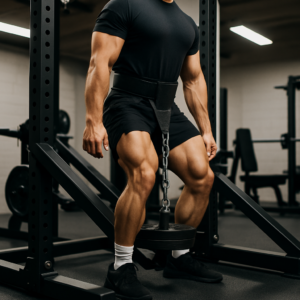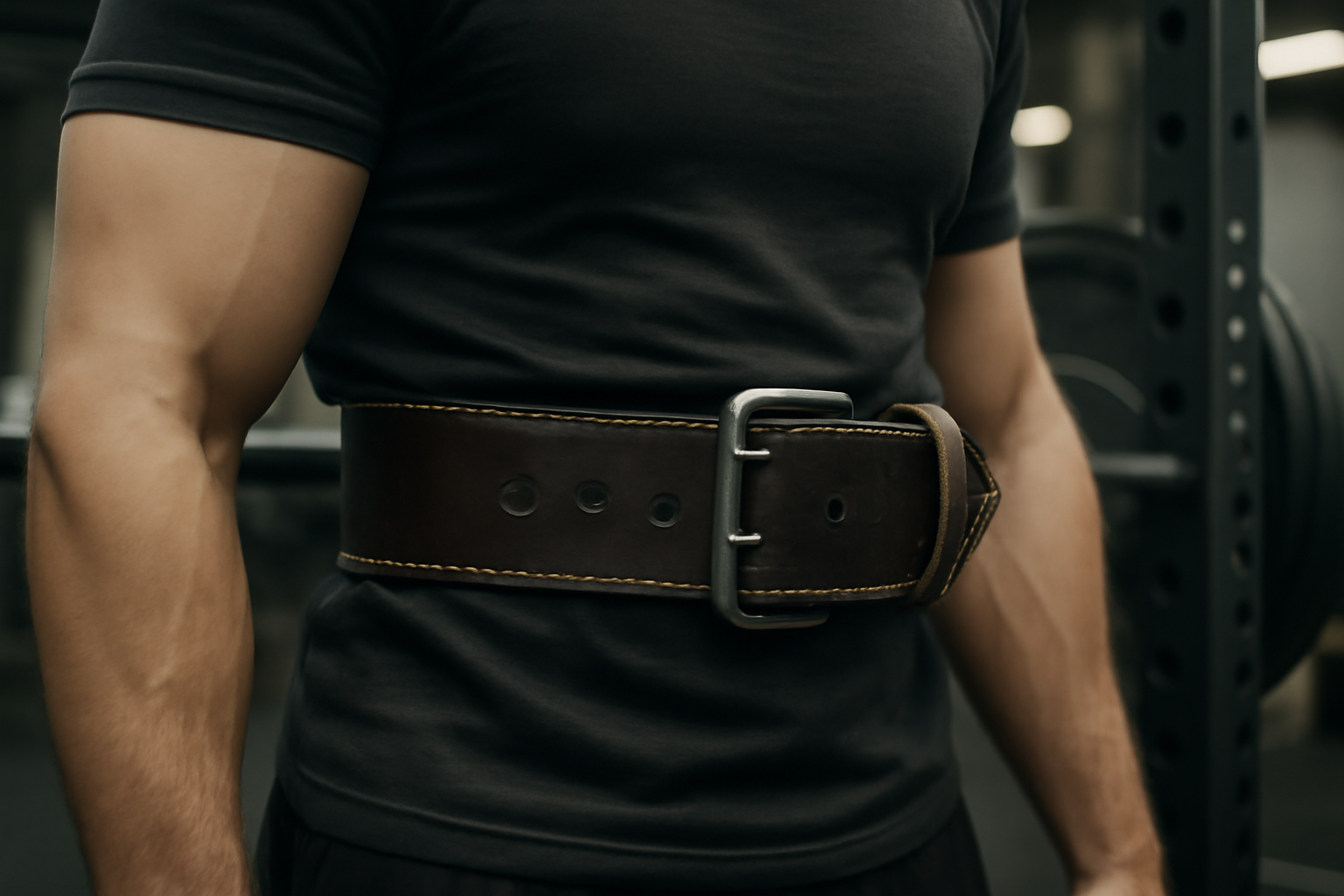
The 13mm Belt That Finally Gave Me Consistent Feedback Under Heavy Squats
A lifting belt only works if it gives you something solid to brace against. I’d spent years in thinner belts that moved too much under load, and that inconsistency was translating directly into form breakdown at heavy weights. I wasn’t sure if upgrading to a premium option like the SBD belt would actually make a difference, or if I was just chasing gear at that point. Three months in, I can tell you it did—but maybe not for the reasons I expected.
Why Belt Quality Actually Matters for Your Squat
When you’re bracing for a heavy squat, your belt does two critical jobs: it provides an external surface to push your core against (which increases intra-abdominal pressure), and it should stay stable and predictable throughout the entire lift. A belt that shifts, creeps, or doesn’t provide consistent rigidity forces your stabilizer muscles to compensate, which often shows up as form breakdown on the descent or a loss of tightness at the bottom.
The difference between a 10mm and 13mm belt isn’t just about thickness—it’s about how much that belt can actually resist your core pressure without deforming. That rigidity is what I was missing.
What Works
- The 13mm thickness actually stays rigid against your core during the descent—I could feel the difference in my brace stability within the first working set. Unlike my previous 10mm belt, this one didn’t compress or flex noticeably under load.
- The lever buckle tightens fast and holds pressure without creeping loose between reps, which matters when you’re grinding through a heavy triple. I also appreciated that the lever doesn’t require the two-handed adjustments some pin buckles do.
- The break-in period was shorter than expected; by week two, it felt like part of my body, not like I was wearing a weight belt. Leather-only belts can take months to truly conform; this one cooperated much faster.
- The positioning stays consistent. Once I dialed in where the belt sits on my torso, it didn’t migrate up or down during sets, which kept my bracing cue reliable.
What Doesn’t
- The price tag is significantly higher than budget alternatives, and if you’re just starting out with belts, that jump can feel steep. A basic 10mm leather belt costs a fraction of what the SBD runs.
- The lever system takes deliberate practice to adjust efficiently—I fumbled it for the first week before it became second nature. If you’re used to a pin buckle or a velcro strap, expect a learning curve.
- The 13mm thickness means it’s less flexible for movements where you want a lighter feel, like front squats or overhead pressing. For back squats and deadlifts it’s ideal; for accessory work, sometimes I miss having a more compact option.
Did It Actually Change My Squat?
I questioned whether the extra rigidity was actually changing my squat or if I was just experiencing placebo—until I went back to my old belt for a single session and immediately felt how much feedback I’d been missing. The moment I started descending in my old belt, I noticed a softness in the brace that I’d completely adapted to before. That comparison was eye-opening.
Over the three months, I didn’t suddenly add fifty pounds to my squat, but I did see more consistent form at weights I was already working with, and I felt more stable under max-effort attempts. That stability translated to better confidence and fewer missed lifts due to form breakdown rather than actual strength limitations.
Who Should Actually Buy This Belt
The SBD belt makes sense if you’re regularly squatting heavy (working sets above 85% of your one-rep max), if you’re running a serious programming block, or if you’ve outgrown a budget belt and can feel the difference. If you’re still building a base or training casually, a cheaper option will serve you fine—the main thing is to use a belt consistently enough to understand how to brace with it.
If you do decide to invest, give yourself at least two weeks before judging the fit. The lever buckle and the break-in period both require a real adjustment, and forming an honest opinion before that happens isn’t fair to the equipment.
SBD 13mm Powerlifting & Weight Lifting Belt
The 13mm belt resists core pressure without deforming, staying rigid during the descent, while thinner belts compress or flex noticeably under load. The difference is how much rigidity the belt can maintain against your bracing pressure, not just thickness alone. The break-in period was shorter than expected; by week two, it felt like part of the body rather than like wearing a weight belt. The author recommends giving yourself at least two weeks before judging the fit, since the lever buckle requires real adjustment. The 13mm thickness is less flexible for movements where you want a lighter feel, like front squats or overhead pressing. It’s ideal for back squats and deadlifts, but for accessory work, a more compact option sometimes felt better. The SBD belt makes sense if you’re regularly squatting heavy with working sets above 85% of your one-rep max or running a serious programming block. If you’re still building a base or training casually, a cheaper option will serve you fine.Frequently Asked Questions
What is the difference between a 10mm and 13mm lifting belt?
How long does an SBD belt take to break in?
Is a 13mm belt good for front squats and overhead pressing?
Who should buy an expensive powerlifting belt?
About This Article

Written by Jordan Ellis. Jordan Ellis isn't a certified personal trainer — just someone who's been genuinely obsessed with training for over eight years and turned it into building smarter home gyms. He focuses on home fitness: effective training spaces, equipment that earns its price, and programs that work in a spare room or basement, not just a commercial gym. More about this site.
Scope and limits. Jordan is not a certified personal trainer, and nothing here is medical advice. Check with a physician before starting a new program, and prioritize form over load on every lift described.
Verify this against a primary source
Specifics change, and your situation may differ from the one described here. These are the authorities worth checking directly:
- Physical Activity Guidelines for Americans (HHS) — the federal physical activity guidelines
- American College of Sports Medicine — exercise prescription and position stands
- NSCA — strength and conditioning research