I see this constantly with people who feel like their deadlift or barbell row has flatlined: they assume it is a back strength problem, program more rows, more deadlifts, more back accessory work — and nothing moves. Then I watch them lift, and the bar is drifting out of their hands two reps before their back ever hits its limit. The grip gave out first. That is not a back problem. That is a grip problem wearing a back problem’s clothes, and it is one of the most common and most fixable stalls I see in the gym.
A grip strength deadlift plateau is not always what it looks like. Most lifters never test their grip capacity in isolation, so they have no idea whether their hands or their posterior chain is the limiting factor. They just know the bar slips, or they can’t hold the weight for their intended reps, and they blame the back. The fix is simpler than adding another day of rows: you need to diagnose your grip weakness and address it directly.
In this post, I’m going to show you how to identify whether grip is your real stall, how to test it, and exactly which protocols work fastest to fix it. This is the work that will actually move your deadlift and rows again.
How to Know If Grip Is Your Real Problem
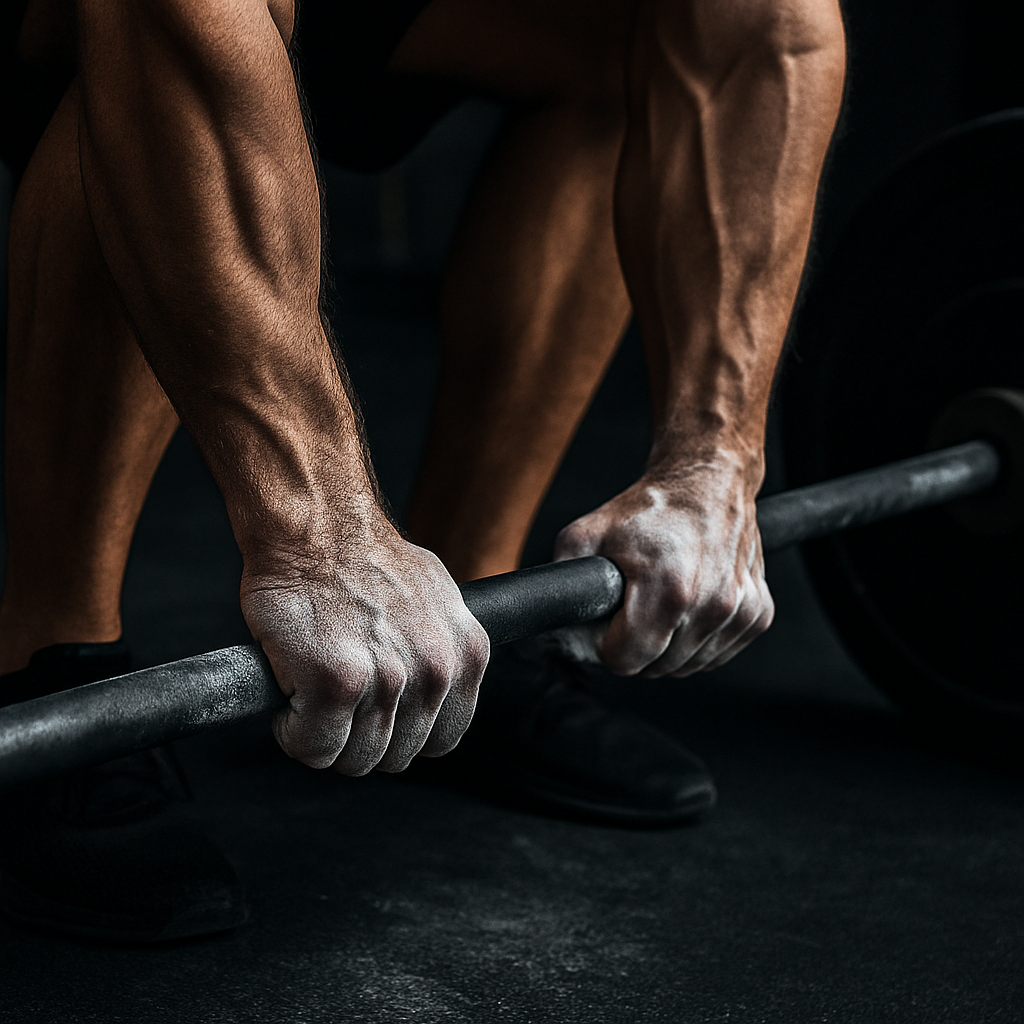
Before you reprogram, you need to know. Here are the signs I watch for in my gym:
- The bar rolls out of your fingers on the second or third rep of a heavy set, but your back feels fresh.
- You can hit a number on deadlifts with straps, but fail 2–3 reps earlier without them.
- Your form stays clean for the first rep or two, then the bar drifts away from your body as the set goes on.
- You finish a set and feel soreness in your lower back, but your forearms and hands feel fine — no pump, no fatigue signal.
- Your grip fails on rows before you feel a real contraction in your lats.
If you’re seeing three or more of these patterns, grip is almost certainly your bottleneck. The trap is that your back will adapt to accommodate weak hands — you’ll shift the load forward, round your lower back, or reduce range of motion unconsciously. This doesn’t feel like a grip problem; it feels like you’re weak. You’re not. Your hands just checked out.
Here’s the test: load your deadlift or row to 80% of your current maximum, but this time focus only on how the bar feels in your hands during each rep. Can you keep constant pressure on the bar, or does your grip loosen after rep 2? If your grip breaks before rep 5, and your back still has fuel in the tank, you have found your real problem.
The Three Types of Grip Weakness
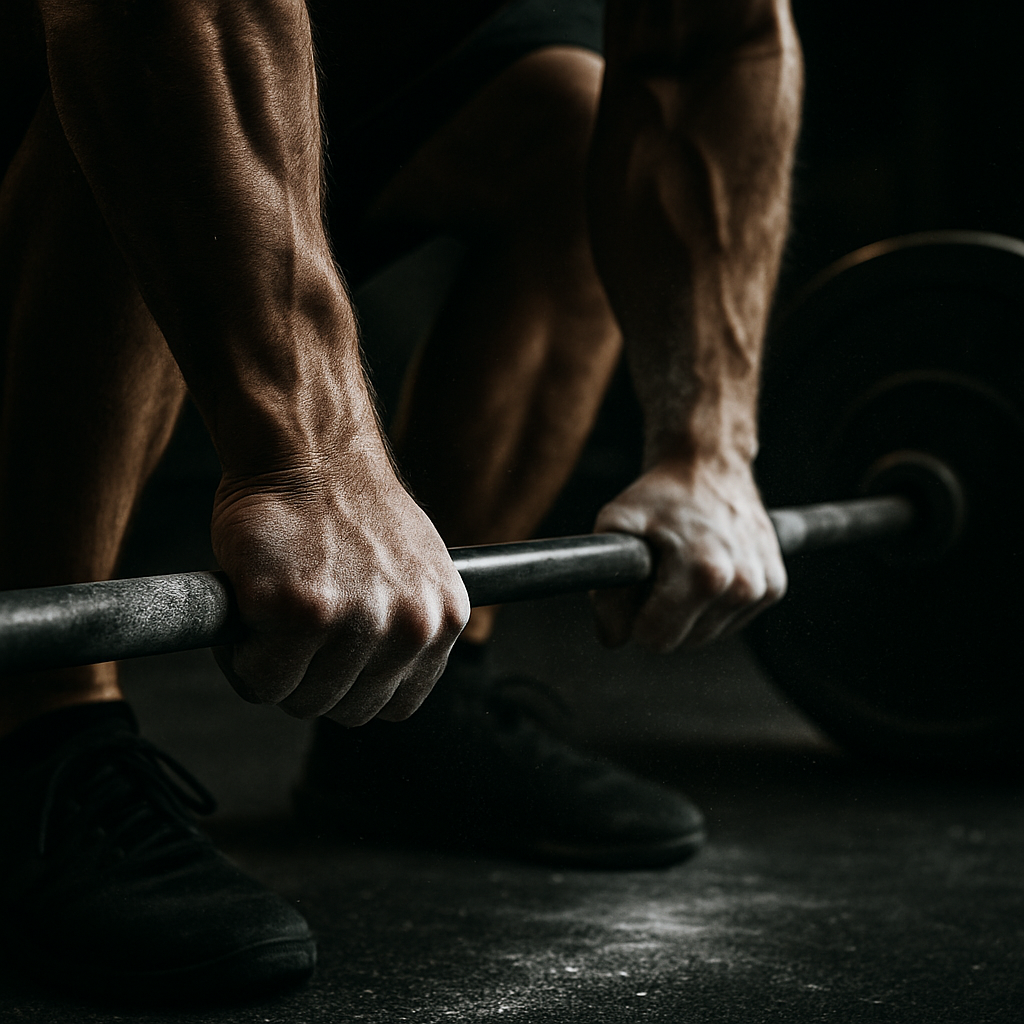
Not all grip failures are the same, and the fix depends on which type you have. I screen for this with three simple tests, and I recommend you do the same.
Crushing Strength (Finger Flexors)
This is the ability to squeeze and hold weight. Your fingers and forearms close around the bar. Most lifters who think they have a grip problem actually have this issue. You can hold 60 pounds in each hand (25-pound plate in each hand) for less than 30 seconds, or your fingers start to slip on heavy singles after the third rep.
Test it: grab a dumbbell or plate in one hand and see how long you can hold it before your fingers open. If you’re under 45 seconds at moderate weight, crushing strength is your weakness.
Support Strength (Static Hold)
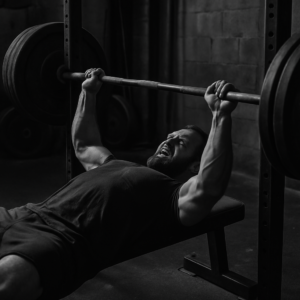
This is how long you can maintain a grip under load without fatigue setting in. You load a barbell to your deadlift max, pull it, and hold it at chest level for time. Weak support strength means the bar starts to slip around rep 5 of a heavy set, even if crushing strength is fine.
Test it: grab your deadlift max or near-max weight, pull it to lockout, and hold it. Can you hold it for 15 seconds without the bar rolling? If not, support strength is your limiting factor.
Endurance (Submaximal Reps)
This is grip under repeated submaximal loading. Your hands fatigue before your back does on a set of 8–10 reps at 70–75% of max. Crushing and support strength test fine, but grip still fails when the reps add up.
Test it: perform a set of 10 reps at 75% of your deadlift max with no straps. Does your grip fail on rep 7, 8, or 9, while your back feels like it has 2–3 reps left? If so, you need endurance work.
The Grip Protocol That Actually Works
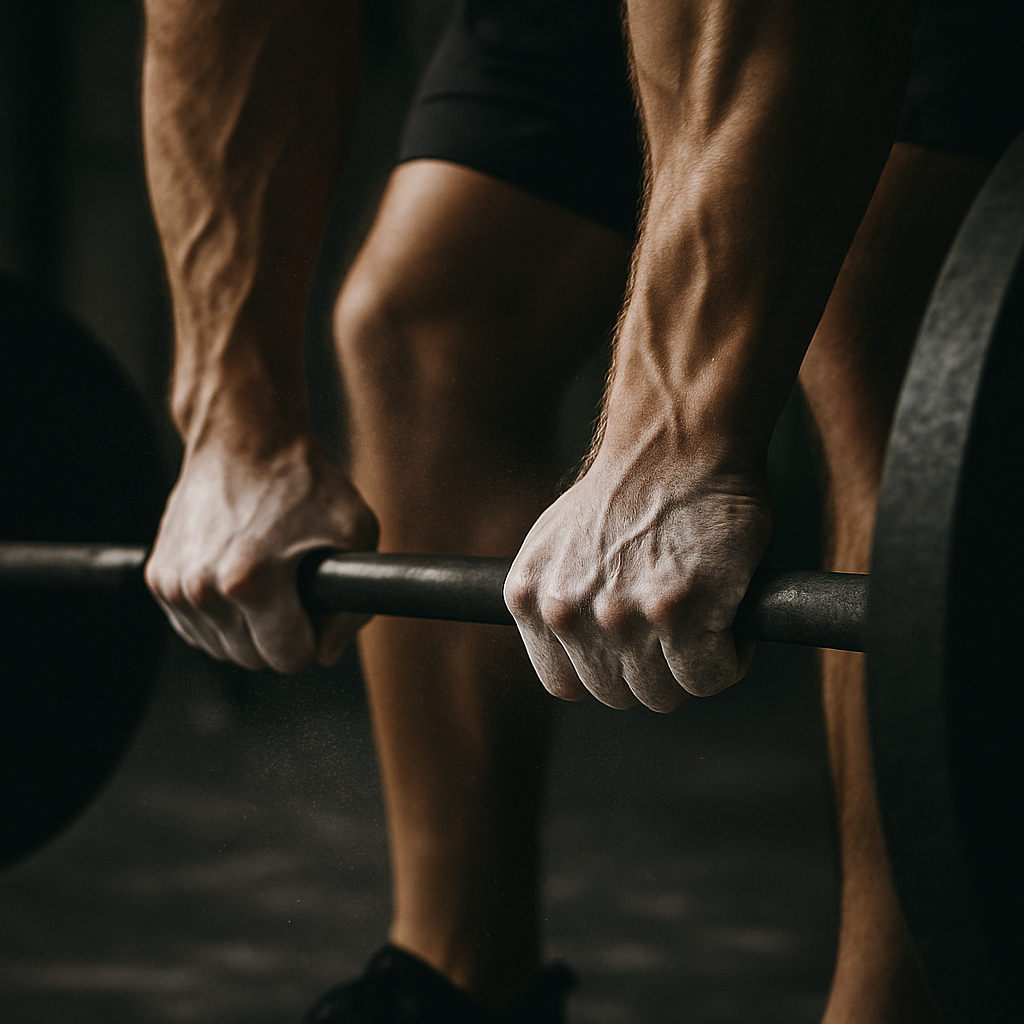
Once you know which type of grip weakness you have, add one of these protocols to your training week. I do not recommend adding random grip work; I recommend replacing one less-important accessory with a targeted grip protocol that matches your weakness.
For Crushing Strength (Finger Flexors)
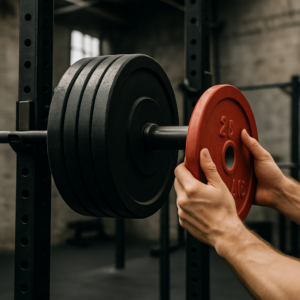
Perform heavy plate holds 1–2 times per week. Load two 25-pound or 35-pound plates smooth-side-out and hold them in each hand for 3 sets of 20–30 seconds. Rest 90 seconds between sets. When you can hold for 30 seconds easily, move to the next plate size. This is brutally simple and works in 2–3 weeks. I’ve seen people go from slipping at rep 3 to holding weight comfortably by week 4.
For Support Strength (Static Hold)
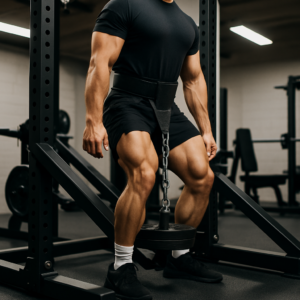
Perform loaded carries or dead-hang holds from a pull-up bar with added weight (a belt with a chain or dumbbell) for 2–3 sets of 20–30 seconds, 1–2 times per week. Alternatively, pull your deadlift max off the rack, hold it at chest or lockout for time, and work up to 45–60 seconds. Add 5 pounds each week. This trains your hand’s ability to maintain grip under static load, which translates directly to holding the bar during rows and deadlifts.
For Endurance (Submaximal Reps)
Perform sets of 8–12 reps with straps to keep the bar in your hands, then strip the straps and do 1–2 additional reps unstrapped. Work 2–3 sets per session, once or twice per week. Start at 65–70% of your max. The straps prevent early grip failure, so your back gets the training stimulus it needs, then the final reps challenge your grip endurance without full failure. Over 3–4 weeks, you’ll build the capacity to hold weight for more reps.
I recommend the endurance protocol specifically because it trains grip in the context of actual pulling, rather than isolation. Your back and grip get stronger together, which means your deadlift and row numbers climb faster than if you only worked grip in a vacuum.
Why You Haven’t Fixed This Yet
Most lifters who stall on deadlifts and rows do one of two things: they either add more pulling volume (which doesn’t fix grip weakness), or they add random grip work with no structure (which takes weeks to show results because the stimulus is too light). Neither works fast.
The grip strength deadlift plateau persists because the lifter is training the symptom (weakness on heavy sets) instead of the cause (inadequate grip capacity). You don’t need more deadlifts. You need 2–4 weeks of targeted grip work that matches your specific weakness, then the stall will disappear.
I’ve watched this play out dozens of times in my gym. A person adds plate holds for three weeks, then returns to deadlifts and suddenly pulls 5–10 pounds heavier for the same reps. The weight didn’t get lighter; the grip got stronger. Once the grip is no longer the limiting factor, the back can finally be trained hard enough to grow.
Your Next Step
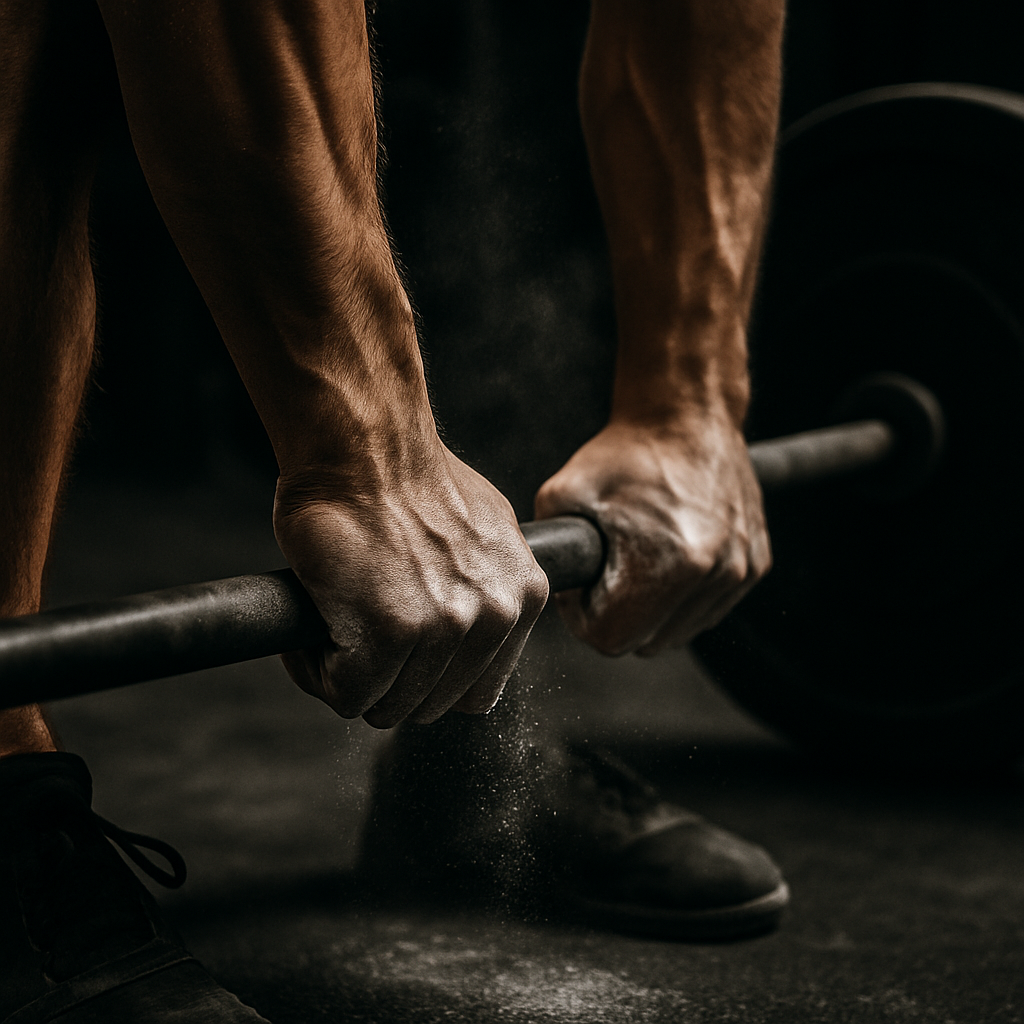
Do this today: test your grip using the three tests I outlined above. Which one fails first — crushing strength, support strength, or endurance? Once you know, add the matching protocol to your training once or twice per week for the next 3–4 weeks. Remove a less-important accessory to keep your volume balanced. Don’t overthink it.
Your deadlift and rows did not stall because your back ran out of strength. They stalled because your grip ran out first, and your nervous system shut down the lift early to protect your hands. Fix the grip, and the stall disappears. This is one of the fastest, most reliable fixes you can implement right now.
Now go get it.
Frequently Asked Questions
How do I know if grip is limiting my deadlift, not my back?
Watch for these signs: the bar rolls out on rep 2–3 but your back feels fresh, you lift heavier with straps than without, the bar drifts away mid-set, or your grip fails on rows before you feel a real lat contraction. If you see three or more patterns, grip is your bottleneck. Test by loading 80% of your max and checking if grip breaks before rep 5 while your back still has fuel.
What is the plate hold test for crushing strength?
Grab a dumbbell or plate in one hand and hold it until your fingers open. If you’re under 45 seconds at moderate weight, crushing strength is your weakness. Alternatively, hold 60 pounds in each hand (a 25-pound plate in each hand) for less than 30 seconds, or your fingers slip on heavy singles after rep 3.
How long should I hold my deadlift max to test support strength?
Pull your deadlift max or near-max weight to lockout and hold it at chest level. If you can’t hold it for 15 seconds without the bar rolling, support strength is your limiting factor. Weak support strength causes the bar to slip around rep 5 of a heavy set.
What grip protocol works fastest for crushing strength weakness?
Perform heavy plate holds 1–2 times per week. Load two 25-pound or 35-pound plates smooth-side-out and hold them in each hand for 3 sets of 20–30 seconds, resting 90 seconds between sets. When you can hold for 30 seconds easily, move to the next plate size. This works in 2–3 weeks.
How do I train grip endurance without losing back gains?
Perform sets of 8–12 reps with straps to keep the bar in your hands, then strip the straps and do 1–2 additional reps unstrapped. Work 2–3 sets per session, once or twice per week, starting at 65–70% of your max. This trains grip in context of actual pulling so your back and grip get stronger together over 3–4 weeks.
About This Article

Written by Jordan Ellis. Jordan Ellis isn't a certified personal trainer — just someone who's been genuinely obsessed with training for over eight years and turned it into building smarter home gyms. He focuses on home fitness: effective training spaces, equipment that earns its price, and programs that work in a spare room or basement, not just a commercial gym. More about this site.
Scope and limits. Jordan is not a certified personal trainer, and nothing here is medical advice. Check with a physician before starting a new program, and prioritize form over load on every lift described.
Verify this against a primary source
Specifics change, and your situation may differ from the one described here. These are the authorities worth checking directly:
- Physical Activity Guidelines for Americans (HHS) — the federal physical activity guidelines
- American College of Sports Medicine — exercise prescription and position stands
- NSCA — strength and conditioning research