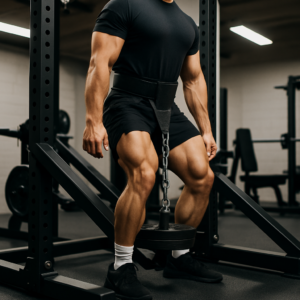
Calves are the muscle group I get asked about more than almost any other, usually with some version of the same complaint: “I train them every week and they look exactly the same as two years ago.” Calves have a reputation for being stubborn, and there is some truth to that — they are built for endurance, not size, because you use them thousands of times a day just walking. But most of the “genetically stubborn calves” I actually look at in the gym are not stubborn at all. They are undertrained, in a very specific and very fixable way.
The reason your calves won’t grow isn’t genetics. It isn’t bad luck. It’s that you’re treating them like a finisher when they need to be treated like a priority muscle group — which means different loading, different volume, and most importantly, a different position. I’ve worked through this exact problem with a lot of friends, and the fix is always the same once you understand what’s actually happening under the bar.
The Real Problem: You’re Not Using Full Range of Motion
Here’s what I see constantly in the gym. Someone gets on the leg press or standing calf machine, and they press up onto their toes — maybe half an inch of movement — then come back down. They do 15 or 20 reps, their calves get a mild pump, and they feel like they’ve trained them. They haven’t. Not really.
The calf muscle has two heads — the gastrocnemius and the soleus — and both of them have a full range of motion that includes deep dorsiflexion (your foot pulled back toward your shin) and full plantarflexion (your foot pointed away). When you start from a position where your heel is already elevated or where you’re not getting a real stretch, you’re training maybe 60 percent of the available range. That’s why your calves won’t grow. You’re not creating tension through the entire muscle belly.
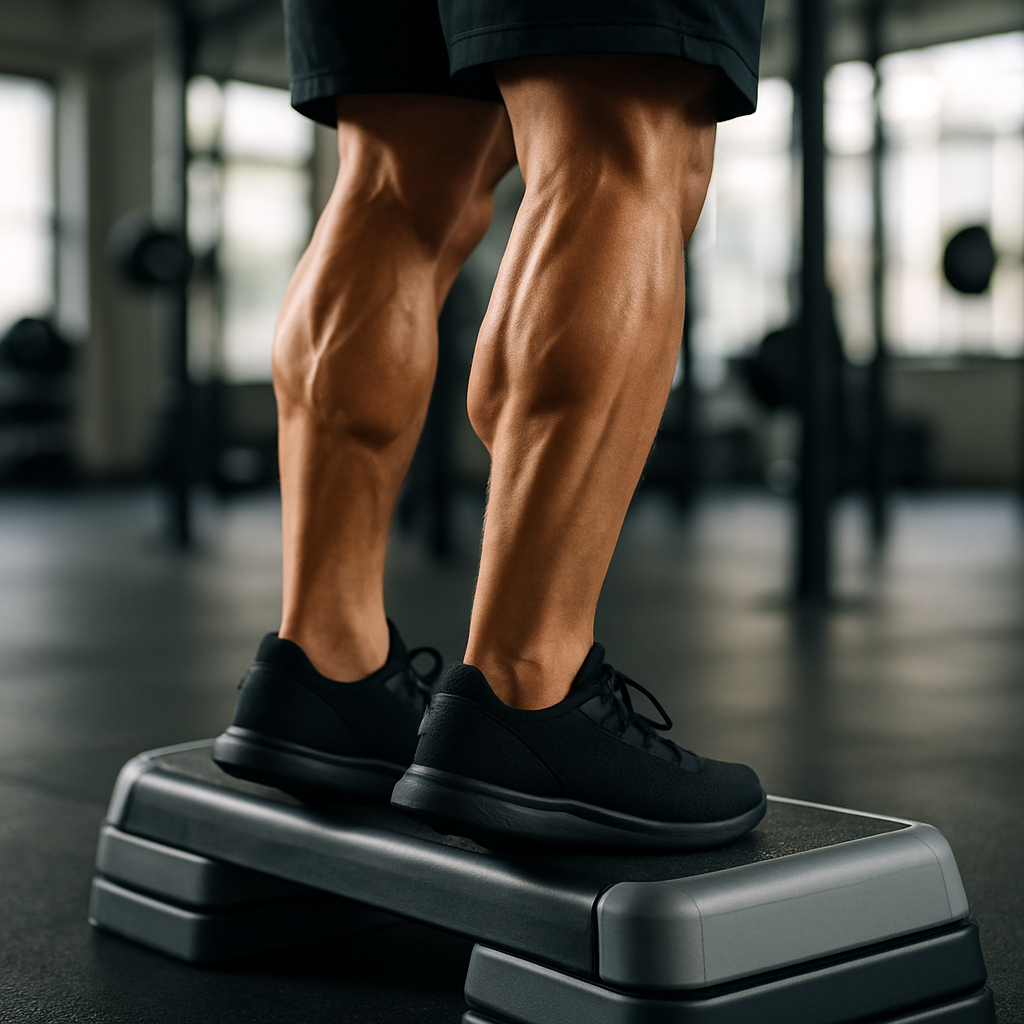
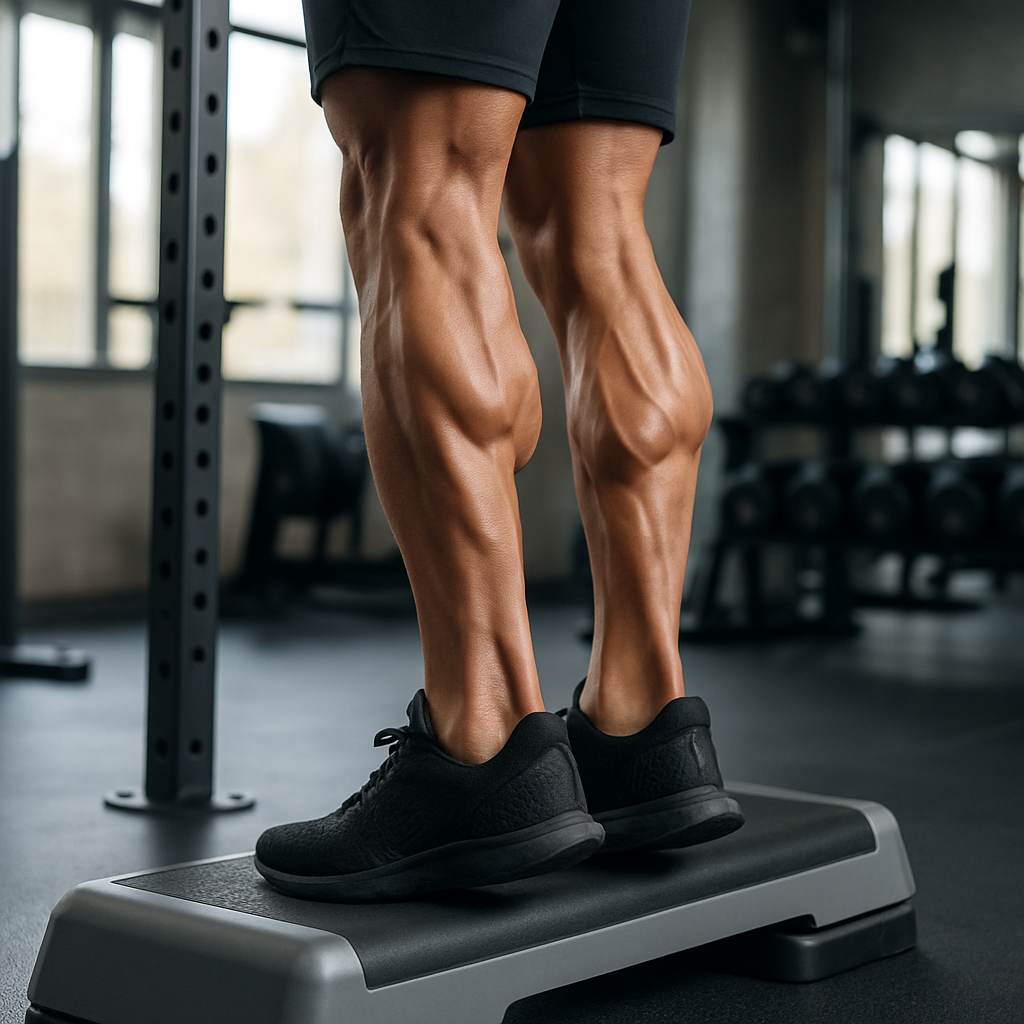
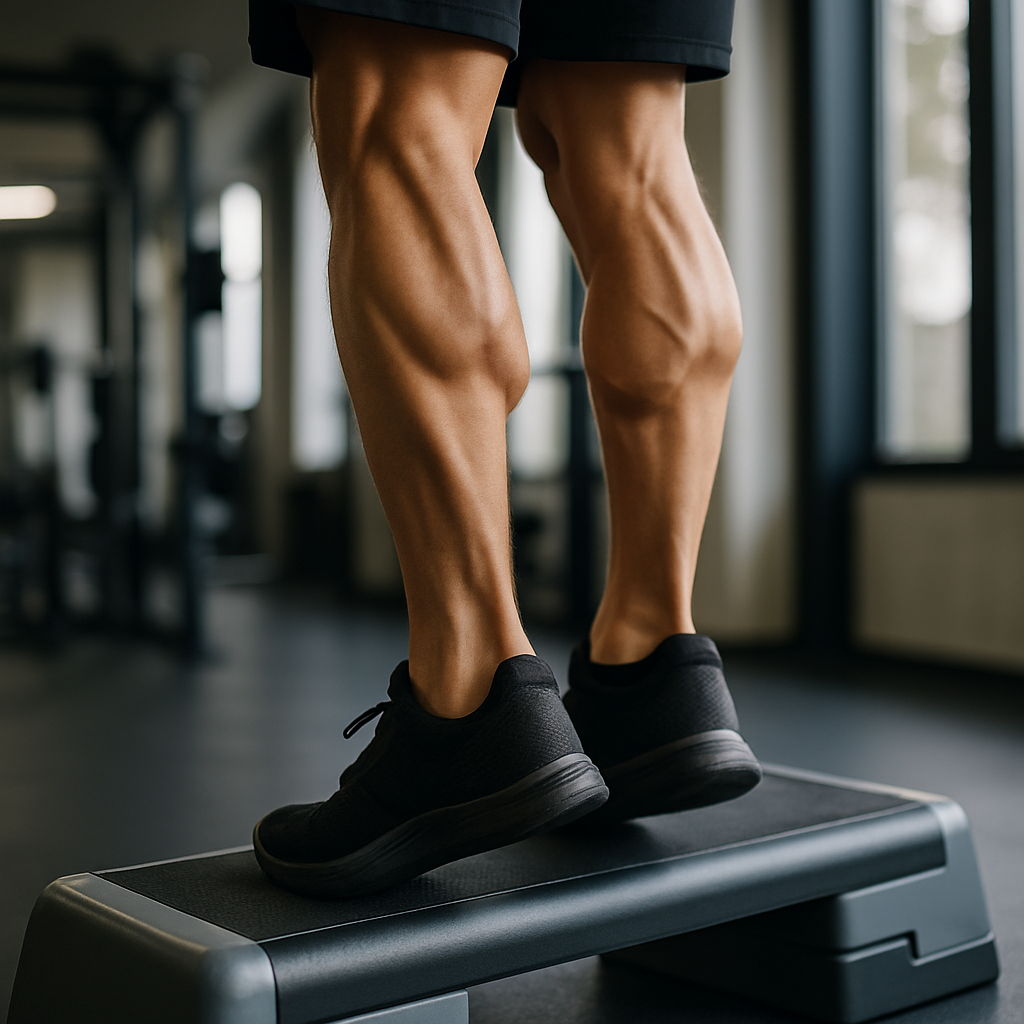
The fix is immediate: start with your heel significantly below the ball of your foot — I’m talking a 2 to 3 inch drop at minimum — and feel a genuine stretch at the bottom position. Then press all the way up onto your toes until you’re on the very front portion of your foot and your calf is fully contracted. That’s one rep. Do that for 12 to 15 controlled reps, and I guarantee your calves will feel different than they have in months.

Volume Is the Second Missing Piece
Once you have the range of motion dialed in, the next reason your calves won’t grow is insufficient volume. Most lifters dedicate maybe 30 to 60 seconds per week to calf training. They do one set of calf raises at the end of leg day and move on. That’s not a training program — that’s a courtesy nod to the muscle group.
Calves need volume because they’re used to volume. Every single day, you walk thousands of steps, go up stairs, stand, move. The muscle has adapted to handle repeated contractions. To force growth, you need to give it more stimulus than it’s accustomed to, which means more sets and more total reps.
Here’s the protocol I recommend: perform 12 to 16 total weekly sets per calf muscle group, split across at least two sessions. That sounds like a lot if you’ve been doing one set a week, but it’s the minimum dose needed to create adaptation. A practical structure looks like this:
- Session 1 (usually after leg day): 4 sets of 12-15 reps on a standing calf raise with a 2-3 second pause at the top
- Session 2 (2-3 days later, usually a secondary day or at the end of another session): 3-4 sets of 15-20 reps on a seated calf raise or leg press calf raise
The total is 7-8 sets per session, roughly 12-16 sets per week, and you’re hitting both the gastrocnemius (standing movement) and the soleus (seated movement, where the knee is bent). This is the volume density your calves need to grow.
Load Progression Matters More Than You Think
The third reason calves stop growing is stagnation in load. When I ask someone how much weight they use on their standing calf raise, they often don’t know. They grab the same machine, do the same reps, week after week. There’s no progression. Without progression in load or reps, there’s no reason for the muscle to adapt.
Calves respond to progressive overload just like any other muscle. You need a structured approach to adding load over time. Here’s what works: every 1-2 weeks, aim to add 1-2 reps to your working sets, or add 5-10 pounds to the weight. When you hit the rep target for a set — say, all 4 sets for 15 clean reps with full range of motion — you add weight the following week and dial the reps back slightly. Then you grind back up to the rep target again.
This doesn’t require jumping from 200 pounds to 300 pounds. It’s smaller, consistent jumps. On a standing calf raise, a 10-pound increase might be the difference between week 1 and week 3, but that small load progression, repeated consistently, drives adaptation. Without it, your muscle sees no new stimulus, so why would it grow?
The Soleus Muscle Needs Its Own Attention
One more reason your calves won’t grow: you’re probably only training the gastrocnemius, the larger, more visible head of the calf. The soleus — the deeper muscle underneath — is the foundation of calf size. When the soleus is underdeveloped, even a big gastroc looks flat and small from most angles.
The soleus is activated when your knee is bent, which is why seated calf raises and leg press calf raises are non-negotiable. These movements take the gastroc partially out of the equation and force the soleus to do the work. Many people skip these because they feel easier, but that ease is exactly why they’re so important — they isolate the muscle you’re actually neglecting.
Include 3-4 sets of seated calf raises or leg press calf raises per week, done for 15-20 reps with a full range of motion. Use the same progressive overload approach — add reps or weight consistently — and you’ll see the calf muscle thicken and round out within 6-8 weeks.
What to Do Starting This Week
Stop thinking of calves as a finisher. They are a primary muscle group that deserves programming, volume, progression, and full range of motion. If you implement these changes — full stretch and contraction, 12-16 weekly sets split across two sessions, load progression every 1-2 weeks, and dedicated soleus work — you will see calf growth within 6-8 weeks. I’ve seen this result consistently across dozens of people who had “stubborn” calves for years.
The reason your calves won’t grow is fixable. It was never your genetics. It was your training approach. Fix the approach, and the muscle will respond.
Frequently Asked Questions
How much heel drop do I need for calf raises?
You need a 2 to 3 inch drop at minimum, with your heel significantly below the ball of your foot. Start from this low position to feel a genuine stretch, then press all the way up onto your toes until your calf is fully contracted. This full range of motion is essential for growth.
How many calf sets per week should I do?
Aim for 12 to 16 total weekly sets per calf muscle group, split across at least two sessions. A practical structure is 4 sets of 12-15 reps on standing calf raises after leg day, then 3-4 sets of 15-20 reps on seated calf raises 2-3 days later, totaling 7-8 sets per session.
When should I increase weight on calf raises?
Every 1-2 weeks, add 1-2 reps to your working sets or add 5-10 pounds to the weight. When you hit your rep target for all sets with full range of motion, increase weight the following week and dial reps back slightly. Then work back up to the rep target again.
Why are seated calf raises important for growth?
Seated calf raises activate the soleus, the deeper muscle underneath the gastrocnemius. When your knee is bent, the soleus does most of the work. A developed soleus thickens and rounds out the entire calf. Include 3-4 weekly sets of seated calf raises for 15-20 reps with progressive overload.
About This Article
Written by Jordan Ellis. Jordan Ellis isn't a certified personal trainer — just someone who's been genuinely obsessed with training for over eight years and turned it into building smarter home gyms. He focuses on home fitness: effective training spaces, equipment that earns its price, and programs that work in a spare room or basement, not just a commercial gym. More about this site.
Scope and limits. Jordan is not a certified personal trainer, and nothing here is medical advice. Check with a physician before starting a new program, and prioritize form over load on every lift described.
Verify this against a primary source
Specifics change, and your situation may differ from the one described here. These are the authorities worth checking directly:
- Physical Activity Guidelines for Americans (HHS) — the federal physical activity guidelines
- American College of Sports Medicine — exercise prescription and position stands
- NSCA — strength and conditioning research