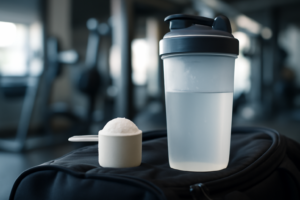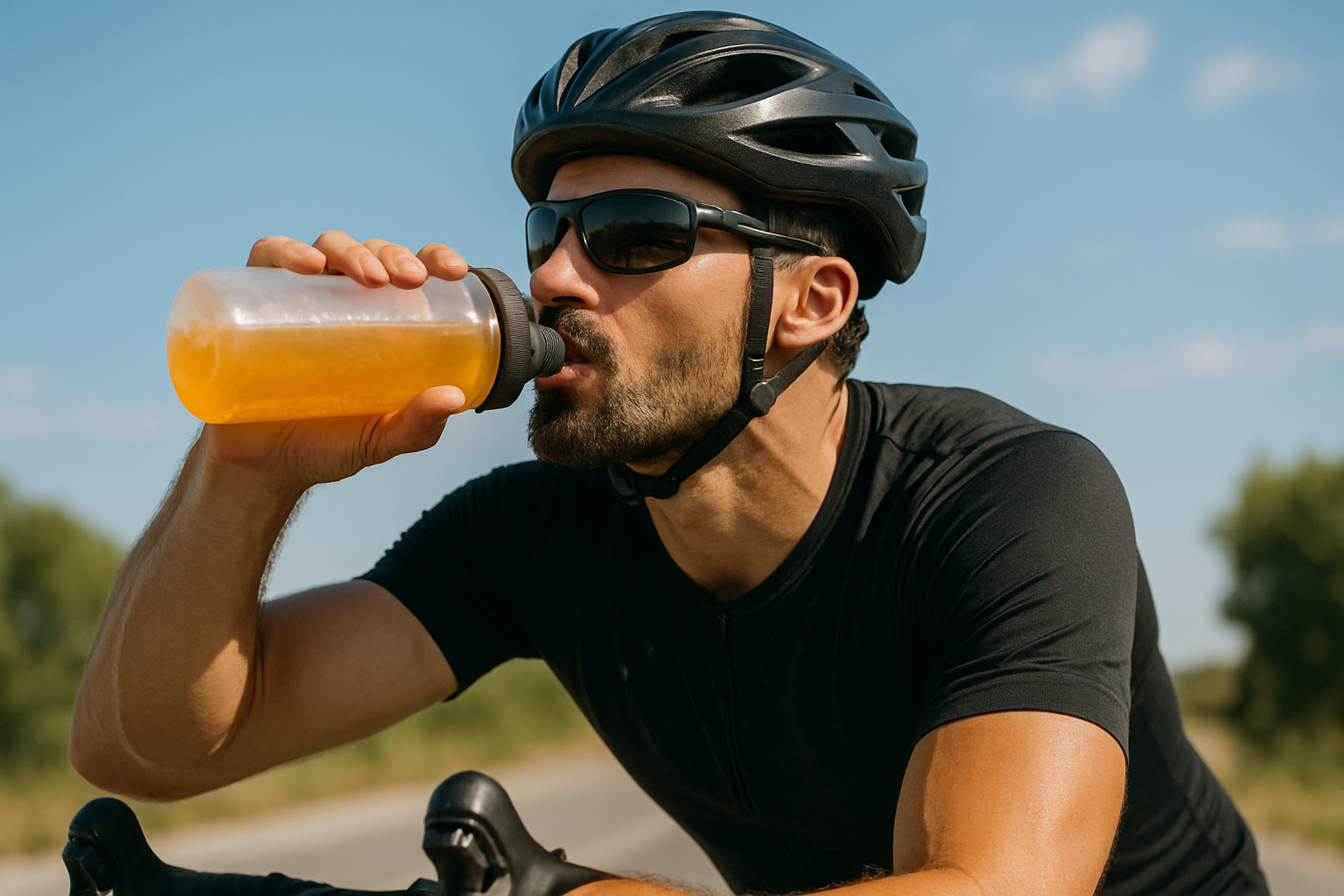

My blender sits on the counter next to a half-empty container of electrolyte powder I’ve been mixing into my water during longer training sessions. For years, I thought hydration was straightforward: sweat comes out, water goes in, problem solved. Then I started noticing something odd after pushing through 90-minute garage sessions — my muscles would cramp, my thinking felt cloudy, and I’d feel wrecked even though I’d been sipping water continuously the whole time. The real issue wasn’t that I wasn’t drinking enough. It was that I wasn’t replacing what my body was actually losing when it sweated. Plain water addresses part of the equation, but electrolytes and hydration for athletes requires understanding the mineral side of the story too. Skip that piece, and you’ll pay for it with cramping, mental fatigue, and sluggish recovery — lessons my body taught me the hard way.
What Are Electrolytes and Why Do Athletes Need Them?
Let’s get specific about what electrolytes do. These are minerals that exist in your body as electrically charged particles. The key ones are sodium, potassium, magnesium, and calcium. They’re far more than labels on a beverage bottle — they regulate muscle contraction, enable nerve communication, manage fluid distribution throughout your system, and maintain proper heart rhythm. All of these functions become critical during training.
Sweat contains more than just water. You’re also shedding electrolytes at a rate that varies depending on exercise intensity, duration, and individual sweat characteristics. A single hard training session can deplete anywhere from 500mg to more than 2,000mg of sodium. This matters because sodium is what controls cellular water retention. Without adequate sodium, the water you drink doesn’t stay where your body needs it — it simply gets excreted.
Potassium partners with sodium to maintain proper muscle function and contraction. Magnesium participates in more than 300 metabolic processes throughout your body, including energy synthesis and muscle recovery. When these minerals drop below optimal levels, you experience the telltale symptoms: muscle tightness and spasms, exhaustion, difficulty concentrating, and a noticeable dip in workout capacity. Recognize any of these?
When Standard Hydration Isn’t Sufficient for Athletes
I’m absolutely not arguing that water is unnecessary — it’s the foundation of any hydration strategy. But there are distinct scenarios where water by itself falls short, and identifying these situations can transform how you perform and recover.
Add Electrolytes to Your Strategy If:
- Your training session extends past the one-hour mark
- You’re exercising in elevated temperatures or muggy conditions
- You perspire heavily or salt visibly (white stains on skin or apparel after training)
- You’re eating a ketogenic or carbohydrate-restricted diet (sodium excretion increases in these states)
- You’re doing consecutive sessions with minimal time between them
- You’re experiencing muscle tightness, lightheadedness, or unexpected tiredness despite consistent water intake
There’s a physiological condition called hyponatremia — essentially a sodium deficit in the bloodstream — that develops when someone consumes excessive plain water without replenishing lost sodium. The mechanism seems backward, but consuming too much water without electrolyte replacement can drop blood sodium to unsafe levels. Endurance athletes face this risk more often, but it’s a crucial reminder that successful hydration requires equilibrium, not just drinking volume.
Practical Electrolyte Strategies (Beyond Sugary Sports Drinks)
Here’s my honest take. The majority of mainstream sports drinks pack in excessive sugar, synthetic additives, and artificial dyes while delivering minimal actual electrolytes. They were engineered for brand recognition more than performance. You deserve an approach that matches your training commitment and nutritional standards. Fortunately, plenty of electrolyte options exist that supply exactly what your physiology requires without unnecessary ingredients.
The timing of electrolyte consumption makes a real difference. For workouts extending beyond 60 minutes, I recommend regularly consuming an electrolyte beverage or mixing electrolyte powder into your water. After intense training, get electrolytes in within 30–60 minutes to support recovery. On particularly hot days or when you’re doing multiple sessions, starting your morning with an electrolyte drink — even before your first coffee — can be beneficial.
Electrolyte Products I Actually Use
Through consistent experimentation, I’ve identified electrolyte solutions I routinely use and suggest to friends I train with. Whether you’re after a neutral taste, fruit flavors, or formulas that include amino acids for recovery support, there’s an option that fits your preferences and training style.
The Electrolyte Product That Eliminated Midworkout Fatigue and Cramping
Plain water doesn’t restore what exits your body through sweat during extended or intense efforts, and my performance proved it through persistent cramping and loss of mental sharpness. You require sodium, potassium, and magnesium functioning as an integrated system — not simply basic fluid replacement.
What makes it effective
- Eliminates that foggy sensation that typically emerges partway through challenging work — my mental clarity during the second and third rounds of effort noticeably improves when I’m using this consistently.
- Genuinely flavorless, which seems unremarkable until you’re 40 minutes into a session and grateful you’re not dealing with artificial sweetness in your mouth.
- No energy dip in the hours after your session — your vitality remains consistent rather than that uncomfortable surge-and-crash pattern that leaves you more exhausted than before.
The drawbacks
- The powder formula separates readily if you’re not continuously agitating the container — early portions taste less potent than the remaining amount.
- The absence of strong flavor means it’s simple to drink without thinking about it, so you need to track your consumption deliberately to meet your targets.
I was skeptical the first time I used it on a 90-minute training block — thought I’d need more flavor cues to remind me to drink — but by session four I’d stopped thinking about it and just felt noticeably better. Grab the FAST LYTE No Sugar Electrolytes Powder and see if it fixes what water alone can’t.
Frequently Asked Questions
How much sodium do I lose in a single hard training session?
A single hard training session can deplete anywhere from 500mg to more than 2,000mg of sodium. This matters because sodium controls cellular water retention — without adequate sodium, the water you drink gets excreted instead of staying where your body needs it.
What electrolytes should I replace when I sweat?
The key electrolytes are sodium, potassium, magnesium, and calcium. They regulate muscle contraction, enable nerve communication, manage fluid distribution, and maintain proper heart rhythm. During training, these minerals drop below optimal levels and cause muscle tightness, exhaustion, difficulty concentrating, and reduced workout capacity.
When should I start drinking electrolytes during my workout?
For workouts extending beyond 60 minutes, regularly consume an electrolyte beverage or mix electrolyte powder into your water throughout the session. After intense training, get electrolytes in within 30–60 minutes to support recovery.
Can drinking too much plain water without electrolytes be harmful?
Yes. A condition called hyponatremia develops when someone consumes excessive plain water without replenishing lost sodium, dropping blood sodium to unsafe levels. Successful hydration requires equilibrium between fluid intake and electrolyte replacement, not just drinking volume.
About This Article

Written by Jordan Ellis. Jordan Ellis isn't a certified personal trainer — just someone who's been genuinely obsessed with training for over eight years and turned it into building smarter home gyms. He focuses on home fitness: effective training spaces, equipment that earns its price, and programs that work in a spare room or basement, not just a commercial gym. More about this site.
Scope and limits. Jordan is not a certified personal trainer, and nothing here is medical advice. Check with a physician before starting a new program, and prioritize form over load on every lift described.
Verify this against a primary source
Specifics change, and your situation may differ from the one described here. These are the authorities worth checking directly:
- Physical Activity Guidelines for Americans (HHS) — the federal physical activity guidelines
- American College of Sports Medicine — exercise prescription and position stands
- NSCA — strength and conditioning research