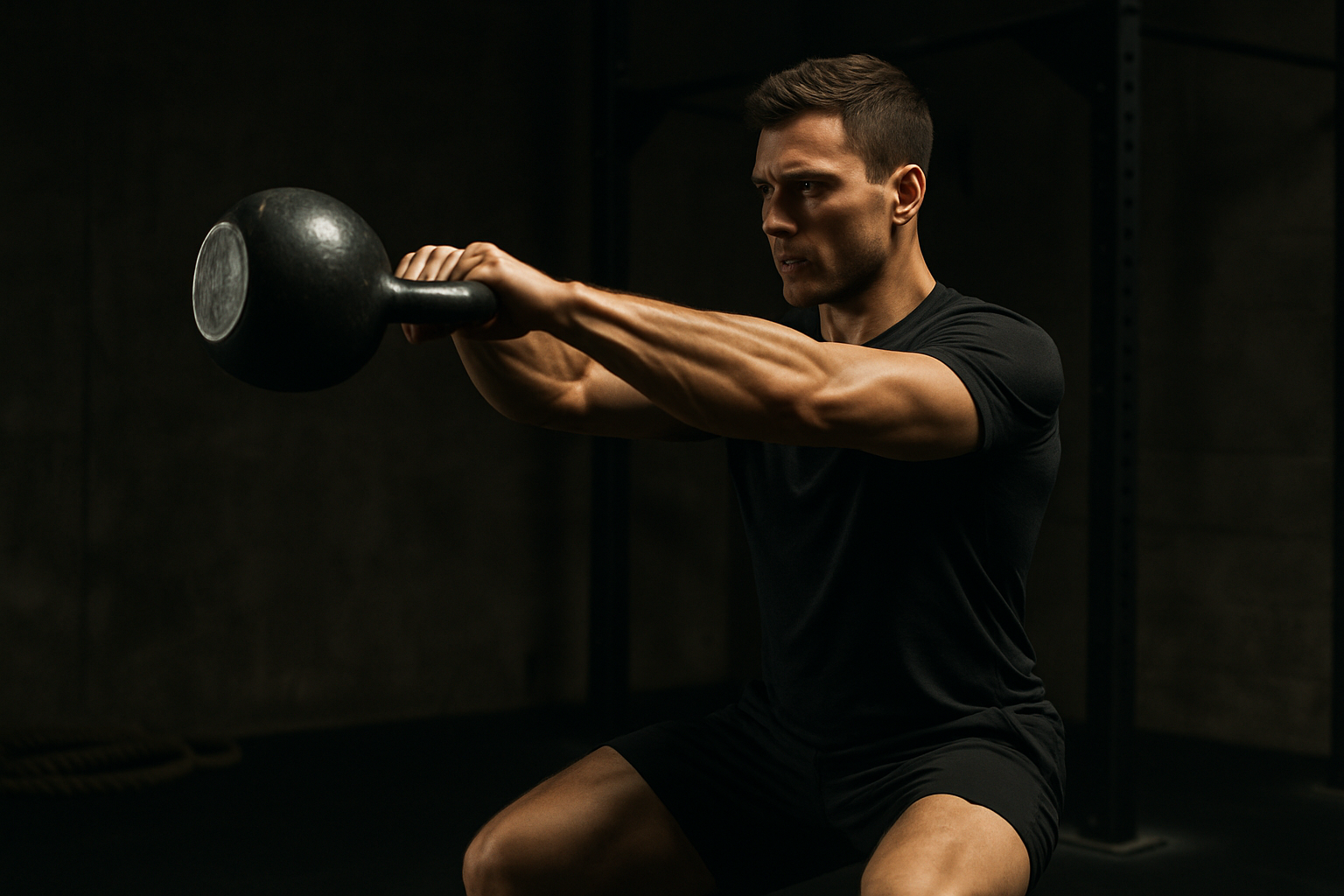

I own a 35-pound kettlebell that’s been sitting in the corner of my home gym for the past eight months, and it’s done more for my conditioning and total-body strength than most of the equipment I initially thought I needed. That single bell—offset weight, compact footprint, zero learning curve on loading—opened my eyes to why kettlebell training has stayed relevant across so many different fitness contexts. The scope of what one kettlebell accomplishes—building strength, driving cardiovascular adaptation, improving mobility, generating explosive power through a single, straightforward implement—deserves real attention, and this breakdown covers the science behind why kettlebells work and which models actually hold up to serious use.
Why Kettlebells Are Built Differently (And Why That Matters)
What most people miss is that a kettlebell isn’t simply a dumbbell with a handle attached. Because the mass sits lower than your grip point, the shifted load distribution creates an entirely different stimulus on your body. Your stabilizing muscles—the intricate network keeping your joints aligned and protected—remain engaged continuously. Your midsection stays under constant tension. Your hips fire through the movement. Each repetition demands substantially more from your entire system than performing an identical lift with a regular dumbbell.
The Journal of Strength and Conditioning Research published findings showing that kettlebell training produces measurable gains in both postural stability and core musculature when stacked against conventional strength work. Another investigation demonstrated that 20 minutes of kettlebell snatches burned approximately 20 calories per minute—matching the metabolic output of running at a 6-minute-mile pace. Let that register. One tool. Twenty minutes. Results matching high-intensity sprinting. That’s the payoff we’re after.
Essential Kettlebell Movements and What They Build
I’ll outline the fundamental patterns and what each one does for your system. You’re not chasing complexity here. Five movements. Deliberate repetition. That’s your starting point.
The Kettlebell Swing
This is the foundation lift. The swing targets your posterior chain—the glutes, hamstrings, and spinal erectors—using a forceful hip extension pattern. Visualize it as a horizontal jump rather than a downward squat, with a weight in your hands. It develops explosive hip extension, taxes your aerobic system hard, and reinforces safe force absorption and generation. Begin with a bilateral grip before advancing to single-arm variations.
The Turkish Get-Up
This movement appears awkward at first glance. You recline with a kettlebell pressed overhead and then rise to standing—that’s fundamentally all there is to it. But it’s among the most technically intricate, joint-friendly motions you can perform. It demands exceptional shoulder stability, hip range of motion, and integrated movement coordination across your entire body. Physical therapists prescribe it. Strength coaches program it. Your joints will thank you once you nail the pattern.
Goblet Squat
Grip the bell by its horns—both sides of the handle—and hold it at sternum level while you descend into a squat. It’s the single best instructional tool for teaching proper squat mechanics to beginners I’ve come across. The front-loaded weight naturally encourages deeper positions while maintaining an upright torso. When you add load progressively, it becomes a formidable glute and quad developer.
Single-Arm Press and Clean
The clean transitions the bell from the swing position into your shoulder—known as the rack position—while the press extends it skyward. These paired movements generate shoulder resilience, upper back development, and a powerful grip that translates across all your daily activities and training.
Kettlebell Row
Hinge from your hips, brace your core, and drive the bell toward your ribs. Direct. Punishing. Reliable. This builds the upper and middle back—the very muscles most people allow to deteriorate from hours spent hunched over a desk.
Finding Your Kettlebell: Which Models Deliver
Different kettlebells suit different needs. Here’s how I assess them based on what you’re trying to accomplish.
The Progression-Ready Set for Consistent Growth
A single kettlebell gets the job done initially, but you’ll surpass its limitations rapidly—especially once your aerobic work improves and you’re ready to stack heavier lower-body and upper-body movements into the same session. Having three kettlebells in ascending weights lets you choose the right load for each movement without sacrificing the fluid, snappy mechanics that make kettlebell training so efficient.
The advantages
- Incremental jumps between weights mean you advance without sudden big jumps that compromise technique on demanding patterns like Turkish get-ups and single-arm snatches.
- Cast iron construction withstands repeated dropping, hard use, and time—I’ve never witnessed a handle break or surface deterioration with quality cast iron.
- The cost is modest enough that you actually follow through with kettlebell training rather than second-guessing yourself about whether a barbell makes more sense.
The drawbacks
- Cast iron handles tend toward thickness, which feels awkward for people with smaller hands during high-repetition sets when grip fatigue compounds.
- You’re stuck with standard cast iron appearance—no coating variety, no personalized finishes if aesthetics factor into your space.
I almost talked myself into buying four separate kettlebells the first time I felt my grip slip on a heavy swing with the thicker handle, but I realized the issue was my setup, not the equipment—better chalk and tighter form fixed it immediately. If you’re ready to build a real kettlebell practice, grab the Fitvids 3-Piece Kettlebell Set.
Frequently Asked Questions
How many calories does kettlebell training burn per minute?
Twenty minutes of kettlebell snatches burned approximately 20 calories per minute, matching the metabolic output of running at a 6-minute-mile pace. This demonstrates the intensity and cardiovascular demand of kettlebell work in a single, compact timeframe.
What kettlebells should I buy for consistent strength progression?
A three-kettlebell set in ascending weights lets you choose the right load for each movement without sacrificing mechanics on demanding patterns. Incremental jumps between weights mean you advance without sudden big jumps that compromise technique on movements like Turkish get-ups and single-arm snatches.
Why is kettlebell weight distribution different from dumbbells?
Because the mass sits lower than your grip point, the shifted load distribution creates an entirely different stimulus. Your stabilizing muscles remain engaged continuously, your midsection stays under constant tension, and each repetition demands substantially more from your entire system than an identical lift with a regular dumbbell.
What does the Turkish get-up movement build?
The Turkish get-up demands exceptional shoulder stability, hip range of motion, and integrated movement coordination across your entire body. It’s among the most technically intricate, joint-friendly motions you can perform, and physical therapists and strength coaches program it regularly.
About This Article

Written by Jordan Ellis. Jordan Ellis isn't a certified personal trainer — just someone who's been genuinely obsessed with training for over eight years and turned it into building smarter home gyms. He focuses on home fitness: effective training spaces, equipment that earns its price, and programs that work in a spare room or basement, not just a commercial gym. More about this site.
Scope and limits. Jordan is not a certified personal trainer, and nothing here is medical advice. Check with a physician before starting a new program, and prioritize form over load on every lift described.
Verify this against a primary source
Specifics change, and your situation may differ from the one described here. These are the authorities worth checking directly:
- Physical Activity Guidelines for Americans (HHS) — the federal physical activity guidelines
- American College of Sports Medicine — exercise prescription and position stands
- NSCA — strength and conditioning research