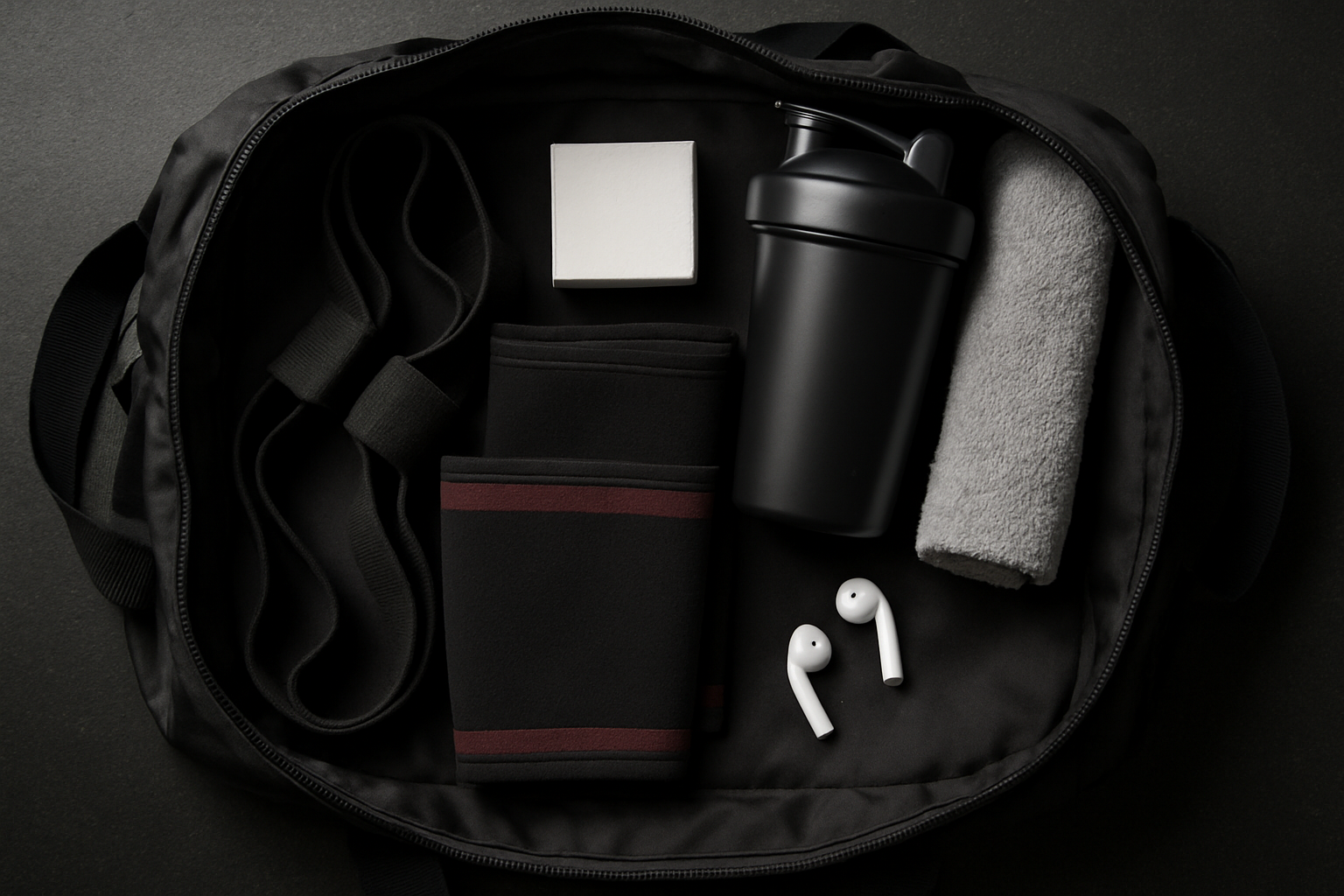

Throughout my early training years, I pushed myself with the intensity of someone fighting for something — six days weekly, year-round, zero recovery periods — only to hit a wall before I could really capitalize on the work. The collapse came not from a lack of commitment, but from fundamental ignorance about how to construct training that lasts. Those early sessions were chaotic: I’d arrive with whatever bag was lying around, no grip aid, missing my straps, maybe half a snack bar crammed somewhere — and the cost showed up in wasted sets and disappointing performances. Learning this the hard way taught me something crucial: the gap between sessions that move your numbers forward and sessions that just eat up your time usually hinges on how well you’ve prepared beforehand, especially regarding what you bring. If lifting matters to you, knowing what belongs in your gym bag is absolutely foundational — this breakdown covers the essentials, why each one counts, and how dialing in your setup has transformed every workout into something focused and deliberate.
Why Your Gym Bag Setup Actually Matters
Simply arriving isn’t enough. Hunting through your bag for a belt, changing into dry clothes partway through, or wasting time hunting earbuds between exercises drains your mental sharpness and physical intensity — both critical to performing well. The science of athletic preparation confirms that structured pre-performance protocols lower stress and sharpen concentration. A thoughtfully assembled gym bag functions as a concrete tool supporting that mental readiness. It tells your nervous system: I’ve got this dialed in, I’m locked in, let’s move.
On top of the psychological edge, the actual equipment you carry directly shapes how hard you can push and how fast you recover. Grip powder enhances your hold and drops injury likelihood during loaded pulling movements. A proper water bottle sustains hydration so your muscles contract with full power. Appropriate sole geometry beneath your feet makes a real difference in squat mechanics and deadlift stability. Everything packed should justify being there — unnecessary items just slow your session down, inside and out.
Critical Gear Every Serious Lifter Needs to Carry
1. Your Bag Choice Matters
Start with a container that matches your intensity. The best gym bags feature separate zones — a compartment sealed off for footwear (preventing odor transfer to clothing), a moisture-resistant section for wet items or damp apparel, and adequate capacity in the main section without becoming an unsorted mess where things vanish.
2. Grip Powder for Your Hands
When you’re battling heavy deadlifts, executing loaded rows, or cranking through pull-up sets, grip powder stands out as one of the most impactful things you can take along. Magnesium carbonate, which is what gym chalk actually is, removes sweat from your skin surface, producing substantially more grip between your palm and the bar. Better grip translates to less slipping, lower hand-tear risk, and mental energy staying on the lift instead of on holding on. You don’t need elite-level strength for this to matter. Once you’re moving something close to your maximum, grip powder becomes genuinely useful.
3. A Hydration Container
Even slight dehydration — as little as 2% loss of bodyweight in fluid — measurably tanks strength capacity and mental sharpness, per findings from the Journal of Strength and Conditioning Research. Bring a sizable, temperature-keeping water bottle — 32 ounces minimum — and drink consistently throughout your workout. Most people neglect this despite how straightforward it is.
4. Footwear Built for Lifting
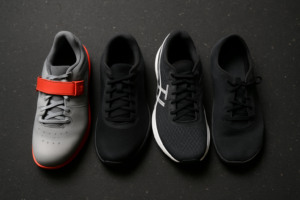
Plush athletic shoes work fine for cardio; they’re a problem for loaded movements. Soft, squishy cushioning creates wiggle when the bar is across your back — think of pressing force through a pillow instead of a floor. Minimal-cushion shoes (like canvas high-tops or purpose-designed lifting footwear) give you a firm platform for power output. Own a second pair and switch to them once you hit the gym. The difference in lift quality is immediate.
5. Elastic Bands for Resistance
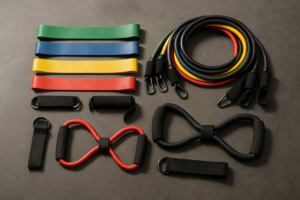
Lightweight, compact elastic bands open up options for activation drills, shoulder prep before presses, hip readiness before squats, and rotator cuff maintenance through banded work. They double as post-workout stretching tools and take almost zero space in your bag.
6. A Method to Track Your Sets and Reps
Getting stronger requires progressive overload — systematically upping weight, reps, or total volume in each session. Without recording your numbers, progress becomes invisible. Use either a physical training journal or a smartphone app, and document your lifts, repetitions, and load every single time. Two minutes of logging per session compounds into serious strength gains.
7. Fresh Apparel and Basic Care Items
Nobody should leave the gym in soaked clothing and head to their next obligation — yet many people do. Pack a clean shirt, deodorant, and whatever recovery aids you use post-workout. Respecting your body’s recovery process starts right after you’re done lifting.
Equipment I Actually Recommend
Having spent considerable time with various pieces of gym gear, here’s what ends up in my own bag — and what I point people toward when they ask what’s worth carrying.
The Bag That Ended My Disorganized Gear Chaos
There was a stretch when my gym bag was essentially a disaster: damp shoes sitting on top of my phone, wrist wraps tangled with straps, recovery tablets rattling loose in the main pocket, and nothing protecting my clean clothes from the moisture. Chaos in your bag translates to wasted time during sessions and forgotten essentials on days when you need them most.
What delivers results
- Sealed footwear storage keeps damp or sweaty shoes isolated from everything packed alongside — no more moisture spreading to your straps, belt, or towels.
- The moisture-resistant compartment actually air-dries efficiently enough that you can pack a wet towel or perspiration-soaked shirt without inviting mildew before your next trip.
- Segmented pockets enforce categorical organization — activation tools grouped in one area, max-effort equipment in another — so you grab what you need without hunting mid-session.
What falls short
- The footwear compartment runs tight — larger shoe sizes or bulkier lifting boots mean you’re cramming them in sideways and fighting the zipper.
- The moisture-resistant pocket is water-resistant but not completely sealed, so wet equipment still needs ventilation to prevent that lingering stale-gym smell building up over a week or two.
I doubted the wet pocket would actually make a difference until I forgot my towel was in there and found it bone-dry two days later — something my old duffel never did. Check out the Gym Bag with Shoes Compartment and Wet Pocket if you’re tired of organizing your gear like you’re packing for a road trip.
Frequently Asked Questions
Does grip powder actually improve deadlift performance?
Yes. Magnesium carbonate removes sweat from your skin, producing substantially more grip between your palm and the bar. Better grip translates to less slipping, lower hand-tear risk, and mental energy staying on the lift instead of on holding on.
How much water should I drink during workouts?
Bring a sizable, temperature-keeping water bottle — 32 ounces minimum — and drink consistently throughout your workout. Even slight dehydration, as little as 2% loss of bodyweight in fluid, measurably tanks strength capacity and mental sharpness, per findings from the Journal of Strength and Conditioning Research.
Why do lifting shoes matter more than regular sneakers?
Plush athletic shoes work fine for cardio but create problems for loaded movements. Soft, squishy cushioning creates wiggle when the bar is across your back. Minimal-cushion shoes like canvas high-tops or purpose-designed lifting footwear give you a firm platform for power output and immediate lift quality improvement.
What should I pack for tracking progress between sessions?
Document your lifts, repetitions, and load every single time using either a physical training journal or a smartphone app. Getting stronger requires progressive overload — systematically upping weight, reps, or total volume in each session. Without recording your numbers, progress becomes invisible.
About This Article

Written by Jordan Ellis. Jordan Ellis isn't a certified personal trainer — just someone who's been genuinely obsessed with training for over eight years and turned it into building smarter home gyms. He focuses on home fitness: effective training spaces, equipment that earns its price, and programs that work in a spare room or basement, not just a commercial gym. More about this site.
Scope and limits. Jordan is not a certified personal trainer, and nothing here is medical advice. Check with a physician before starting a new program, and prioritize form over load on every lift described.
Verify this against a primary source
Specifics change, and your situation may differ from the one described here. These are the authorities worth checking directly:
- Physical Activity Guidelines for Americans (HHS) — the federal physical activity guidelines
- American College of Sports Medicine — exercise prescription and position stands
- NSCA — strength and conditioning research