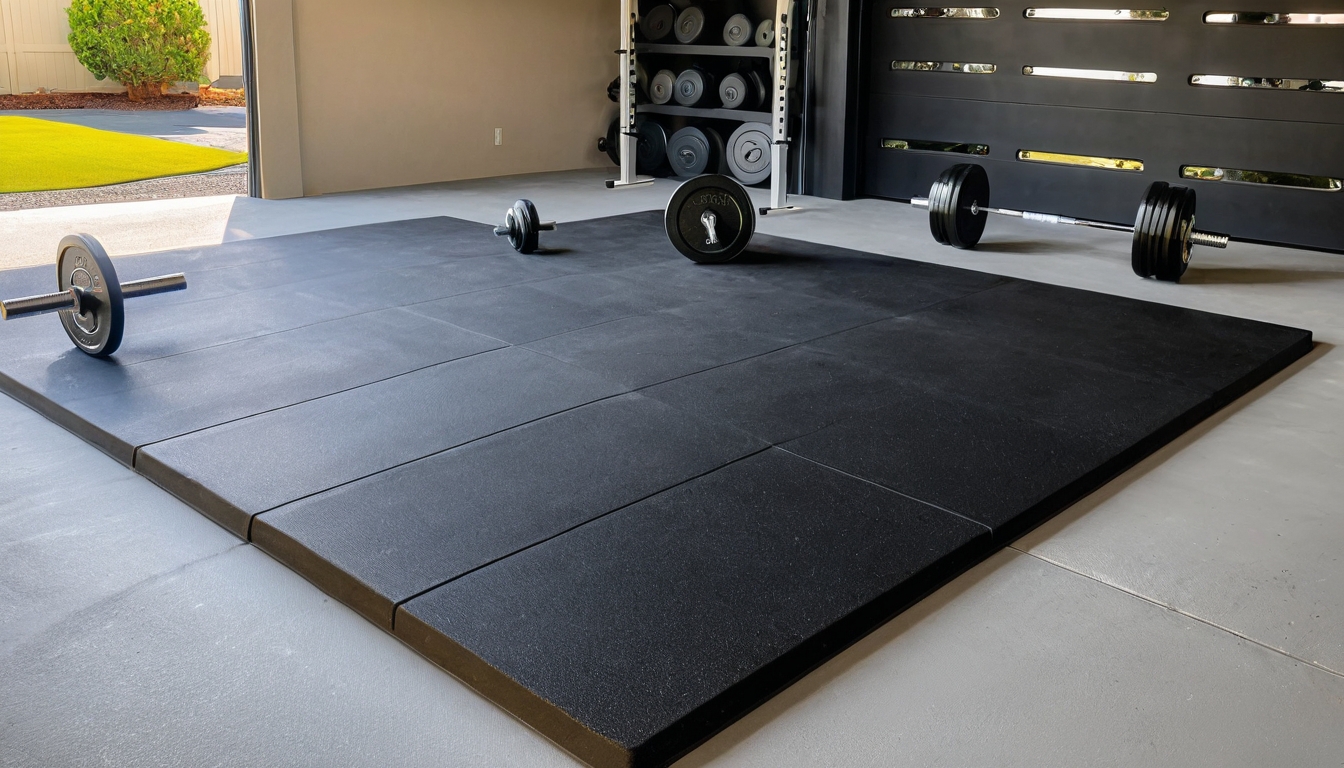

Can you actually transform a spare garage into a legitimate training space, or does it stay a cluttered storage area where dumbbells go to collect dust? The truth is that environment shapes behavior—and building a garage gym that demands respect rather than excuses takes deliberate choices about what you buy and where you put it. Creating a functional lifting space out of concrete and spare square footage requires clear priorities, solid equipment selection, and the willingness to treat the space as something worth protecting—but once the pieces are in place, you stop negotiating with yourself about whether to train.

Start by emptying the entire space—remove boxes, seasonal items, tools, anything that isn’t training equipment. You’re starting from zero. After that, clean the concrete thoroughly and consider sealing it to prevent dust from accumulating on plates and bars over time. The last step: get accurate measurements of what you’re actually working with. Know the width, length, and height before you buy anything. Getting this foundation right determines what becomes possible later.
The Foundation That Stops Your Lifts From Destroying Your House
Bare concrete is a liability when you’re loading heavy bars and dropping weights regularly—it cracks under repeated impact, amplifies noise that travels through walls, and offers zero cushioning for your spine and joints during high-load movements. I found this out after several months of training in my unprotected garage and realizing the choice was either invest in flooring or accept the damage.
Why it matters
- Absorbs the force of loaded barbells and Olympic lift drops without fracturing or moving beneath you—I’ve loaded hundreds of pounds onto this material repeatedly without degradation.
- Reduces the noise signature of your training dramatically; complaints from adjacent units or neighbors drop significantly once this is installed, opening up your training window to early mornings.
- Protects your connective tissue from the unforgiving surface below—the difference in joint stress is noticeable once you’re doing high-volume or heavy movement patterns.
The trade-offs
- The installation process demands significant time and effort—not complicated, but it requires a full day of work and an empty gym space to do it properly.
- The initial expense is substantial, and if your base concrete has deep damage or uneven spots, remedying those conditions becomes a prerequisite before you can lay flooring.
I almost talked myself out of it when I saw the price tag, figuring concrete was tough enough—but the first time I pulled a max-effort deadlift after installation and felt zero reverberation through the floor, I knew it was the best money I’d spent on the gym. Check out commercial flooring designed for home use.
Frequently Asked Questions
Should I install flooring in my garage gym?
Yes, if you’re lifting heavy or dropping weights. Bare concrete cracks under repeated impact, amplifies noise through walls, and stresses your joints. Commercial flooring designed for home use absorbs force from loaded barbells and Olympic lift drops without degradation, reduces noise significantly, and protects your connective tissue from impact.
What should I do before buying garage gym equipment?
Start by emptying the entire space of boxes, seasonal items, tools, and anything that isn’t training equipment. Clean the concrete thoroughly and consider sealing it to prevent dust accumulating on plates and bars. Get accurate measurements of width, length, and height before purchasing anything.
How long does it take to install garage gym flooring?
The installation process requires a full day of work and an empty gym space to do it properly. It’s not complicated, but it demands significant time and effort. You’ll also need to address any deep concrete damage or uneven spots before laying flooring.
Will garage gym flooring reduce neighbor noise complaints?
Yes, significantly. Commercial flooring reduces the noise signature of your training dramatically. Once installed, complaints from adjacent units or neighbors drop substantially, opening up your training window to early mornings and other times you couldn’t previously lift.
About This Article

Written by Jordan Ellis. Jordan Ellis isn't a certified personal trainer — just someone who's been genuinely obsessed with training for over eight years and turned it into building smarter home gyms. He focuses on home fitness: effective training spaces, equipment that earns its price, and programs that work in a spare room or basement, not just a commercial gym. More about this site.
Scope and limits. Jordan is not a certified personal trainer, and nothing here is medical advice. Check with a physician before starting a new program, and prioritize form over load on every lift described.
Verify this against a primary source
Specifics change, and your situation may differ from the one described here. These are the authorities worth checking directly:
- Physical Activity Guidelines for Americans (HHS) — the federal physical activity guidelines
- American College of Sports Medicine — exercise prescription and position stands
- NSCA — strength and conditioning research