Understanding the Lower Back Pain Epidemic
I spent a semester trying to walk onto the college football team, training alongside guys who’d been doing this since middle school — and that gap in baseline knowledge was both humbling and motivating. One of the hardest lessons I learned wasn’t about speed or strength; it was about what happens when you ignore the fundamentals, because by mid-season I was sidelined with chronic lower back pain that made it hard to even sit through class. What I didn’t understand then — but do now — is that lower back pain affects nearly 80% of adults at some point in their lives, making it the leading cause of disability worldwide. For most people, it’s not a dramatic injury that causes it; it’s the slow accumulation of prolonged sitting, poor posture, and weak core muscles creating imbalances that quietly build until something gives. That experience is exactly why I put together this guide — to help you understand which exercises actually help lower back pain, and which ones make it worse.
The Mat That Actually Stays Put During Core Work
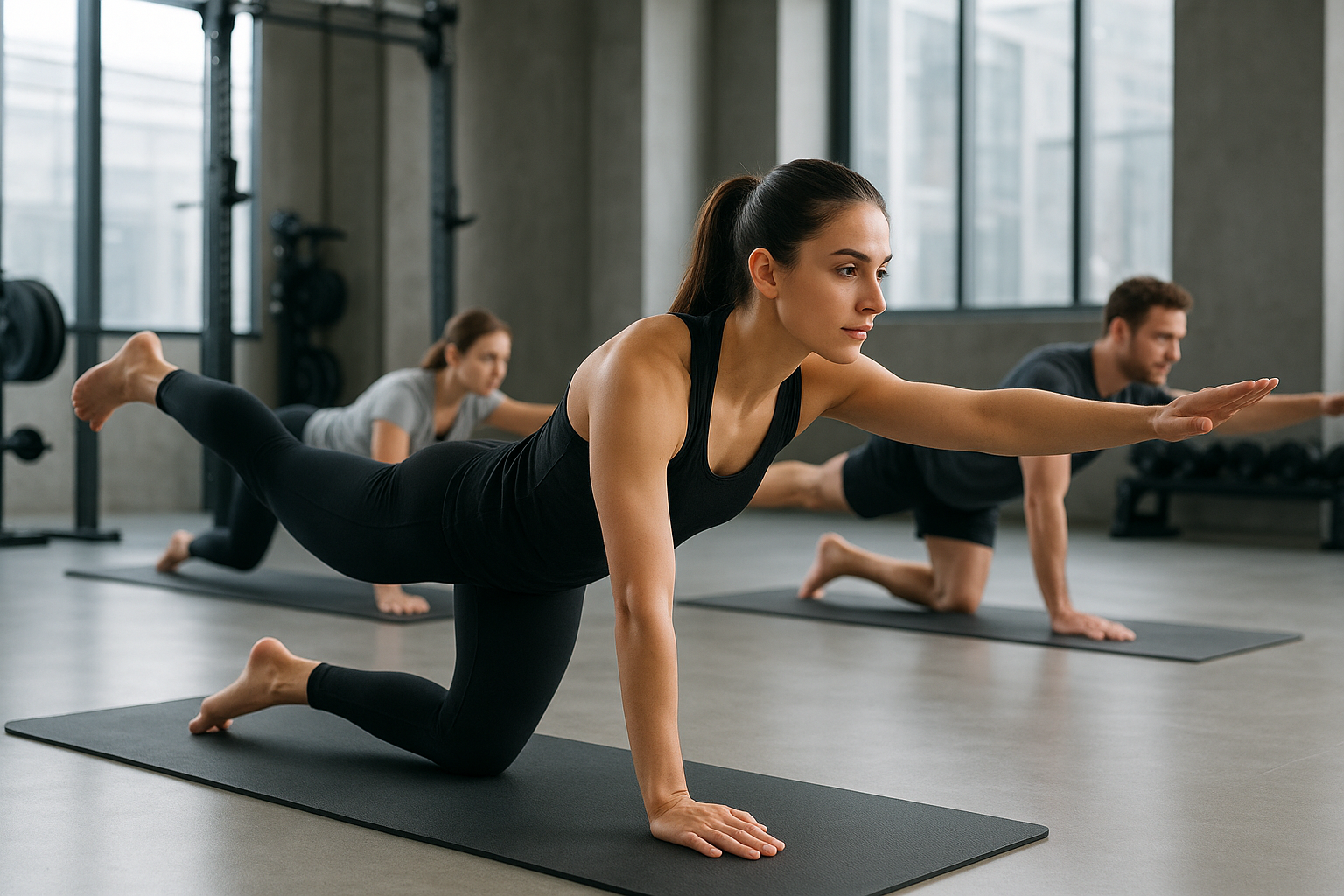
When you’re doing lower back recovery exercises—especially prone stretches and bird dogs—your mat needs to grip the floor hard enough that your body weight doesn’t cause it to slide out from under you mid-rep. A cheap mat doesn’t just feel unstable; it forces your stabilizer muscles to work overtime fighting the mat instead of focusing on the actual movement.
What works
- The non-slip base actually stays planted on hardwood and tile—no micro-shifting when you press into quadruped positions or hold stretches for time.
- Thick enough cushioning that you’re not feeling floor pressure through your knees or lower back during floor-based mobility work, which matters when you’re already dealing with pain.
- Durable surface doesn’t degrade after a month of daily stretching and foam rolling sessions—I’ve had this one for two years running.
What doesn’t
- Heavier than budget mats, so if you’re traveling or need something portable for a client session, you’ll notice the weight difference.
- Takes up real space in a home gym—you can’t just roll it into a corner; it demands actual storage because it doesn’t compress like thinner yoga mats.
The first time I tested this during a deep hip flexor stretch, I almost expected the familiar creep that made me have to reset every ten seconds—but the mat stayed completely locked in place, which honestly made me realize how much energy I’d been wasting fighting cheap equipment. If you’re serious about recovery, get this thick non-slip yoga mat.
This post contains affiliate links. As an Amazon Associate, I earn from qualifying purchases at no extra cost to you.

Written by Jordan Ellis
Jordan Ellis is a personal trainer with over eight years of experience helping everyday people get stronger and move better. He focuses on home fitness: effective training spaces, equipment that earns its price, and programs that work in a spare room or basement, not just a commercial gym.