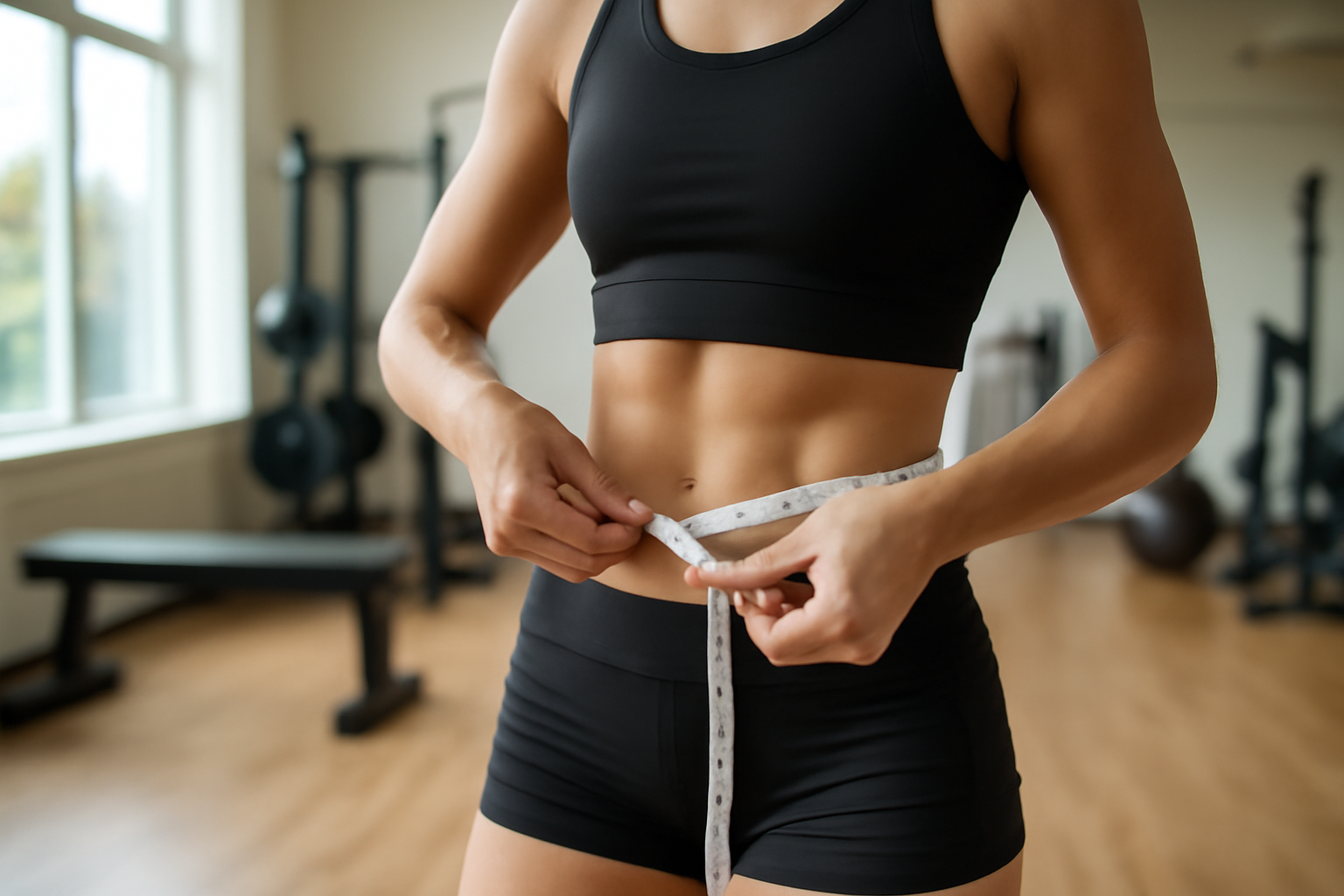

“How to lose belly fat” is the single most searched fitness phrase on the internet. Every year. Without fail. And every year, the same recycled nonsense floods the results — detox teas, fat-burning wraps, and 30-day ab challenges that promise a flat stomach by summer. Here’s the uncomfortable truth: roughly 90% of the advice out there is either misleading, oversimplified, or flat-out wrong. If you’ve tried “all the things” and your waistline hasn’t budged, it’s not your willpower. It’s the advice. This guide cuts through the noise with research-backed strategies that actually work — and explains exactly why the popular stuff doesn’t.
The Truth About Spot Reduction (It Doesn’t Work)
Let’s kill the biggest myth in fitness right now: you cannot choose where your body loses fat. The idea that doing crunches will burn the fat sitting over your abs — known as spot reduction — has been thoroughly debunked by research. A 2011 study published in the Journal of Strength and Conditioning Research had subjects perform seven different abdominal exercises, five days a week for six weeks. The result? No significant change in abdominal fat compared to a control group. Zero. Six weeks of daily ab work and the belly fat didn’t move.
Fat loss is systemic, not local. When you create the conditions for fat loss, your body pulls stored fat from wherever it chooses — often influenced by genetics, hormones, and sex. Some people lose from their face first. Others from their legs. The stomach tends to be one of the last places to lean out for most people, which is frustrating but completely normal. The sooner you accept this, the sooner you stop wasting time on programs designed around the myth.
What Actually Reduces Belly Fat
If you’re serious about learning how to lose belly fat, these are the levers that actually matter — and none of them involve a waist trainer.
Why You Need to Actually Track What You’re Eating (Not Guess)
Here’s what I’ve learned from eight years of training: nearly every person who says they “can’t lose belly fat” is eating 300-500 more calories than they think they are. You can’t out-exercise a calorie surplus, and you can’t fix what you’re not measuring.
What works
- The scale is accurate enough that you’ll catch the difference between 150g and 160g of chicken — which matters when you’re tracking macros for fat loss.
- It’s fast and responsive, so you’re actually more likely to use it consistently instead of abandoning it after two weeks like you did with the bathroom scale.
- The display is clear and large, which sounds trivial until you’re standing in your kitchen tired after a workout and can’t read the tiny numbers on whatever you grabbed last time.
What doesn’t
- It requires a hard surface to sit on—it won’t work accurately on a slanted countertop or soft mat, which means you’ll actually have to clear a spot (and that friction adds up over time).
- It takes 2-3 seconds to stabilize and show the reading, which feels like nothing until you’re weighing ten different meals a day and that delay compounds into real frustration.
I almost gave up on tracking altogether two months in because I kept second-guessing whether the readings were “real” enough, but once I cross-checked against my actual results (the scale moved when I trusted the numbers), I stopped overthinking it. Grab the Etekcity Food Kitchen Scale and commit to three weeks of honest tracking.
Frequently Asked Questions
Can I lose belly fat by doing ab exercises?
No. A 2011 study had subjects perform seven different abdominal exercises five days a week for six weeks with no significant change in abdominal fat compared to a control group. Fat loss is systemic, not local—your body pulls stored fat from wherever it chooses, influenced by genetics, hormones, and sex.
Why is my belly fat last to go?
The stomach tends to be one of the last places to lean out for most people, which is influenced by genetics, hormones, and sex. When you create conditions for fat loss, your body decides where to pull fat from, and the belly is typically last for most people.
How many calories am I probably underestimating?
Nearly every person who says they cannot lose belly fat is eating 300–500 more calories than they think they are. You cannot out-exercise a calorie surplus, and you cannot fix what you are not measuring.
Should I track my food intake for fat loss?
Yes. Tracking what you eat matters because you likely underestimate intake by hundreds of calories. From eight years of training, nearly every person struggling with belly fat is eating significantly more than they realize without measurement.
About This Article

Written by Jordan Ellis. Jordan Ellis isn't a certified personal trainer — just someone who's been genuinely obsessed with training for over eight years and turned it into building smarter home gyms. He focuses on home fitness: effective training spaces, equipment that earns its price, and programs that work in a spare room or basement, not just a commercial gym. More about this site.
Scope and limits. Jordan is not a certified personal trainer, and nothing here is medical advice. Check with a physician before starting a new program, and prioritize form over load on every lift described.
Verify this against a primary source
Specifics change, and your situation may differ from the one described here. These are the authorities worth checking directly:
- Physical Activity Guidelines for Americans (HHS) — the federal physical activity guidelines
- American College of Sports Medicine — exercise prescription and position stands
- NSCA — strength and conditioning research