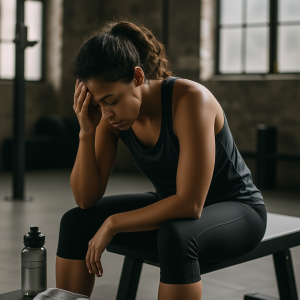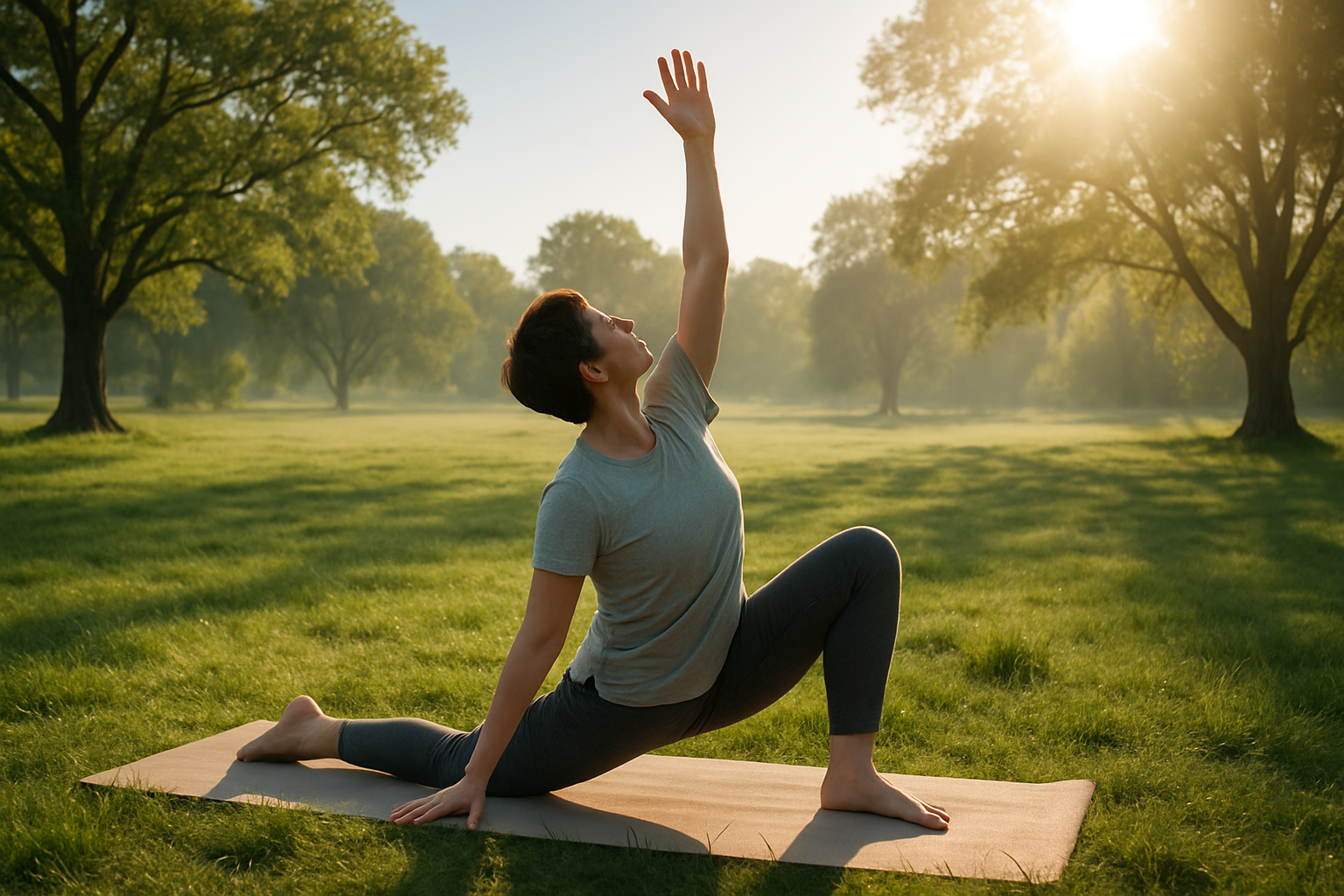

Most people treat their off-days like a binary choice: crush it or shut down completely. What actually happens is that your body rebuilds itself between workouts, not during them, and sitting motionless can sabotage that process just as much as training too hard. An athletic trainer once explained to me that the gap between intense sessions is where the real adaptation happens, and doing nothing at all leaves gains on the table. Active recovery days — gentle movement that supports your body’s adaptation without piling on more fatigue — tend to be the most underused weapon in any training plan, whether you’re competing or just training at home. If you’ve only ever seen rest days as an either-or situation (all-out effort or total inactivity), you’re missing what could be the difference between steady progress and spinning your wheels.
What Is Active Recovery and Why Does It Work?
Active recovery means performing light-intensity movement during your designated rest periods — picture an easy walk, gentle stretching, or leisurely swimming. The purpose isn’t to create new fitness gains; it’s to facilitate your body’s natural recovery process without imposing additional load on fatigued tissues.
Training sessions create microscopic damage throughout muscle fibers. Strength and size emerge when your body patches those fibers back up during the recovery window. Here’s the catch — complete inactivity can actually slow that repair cycle. Gentle movement boosts circulation to sore areas, which helps sweep away metabolic byproducts like lactate buildup and transports oxygen plus nutrients to tissues undergoing reconstruction. Research from the Journal of Strength and Conditioning Research in 2018 demonstrated that active recovery diminished soreness more substantially than doing nothing at all. This matters — the difference between walking into your next session ready to go versus arriving completely beat down.
Active recovery also maintains your central nervous system’s preparedness, which keeps your movement quality and motor control from degrading. Think of it as keeping your engine ticking over rather than letting it go cold before you need to fire it back up.
Types of Active Recovery Matched to Your Training Week
The style of recovery you choose should align with what your training looked like and what your body is signaling. Here’s how I think about matching recovery to demand:
Stretching and Mobility Drills
This is my standard suggestion for the majority of trainees. A session lasting 30–50 minutes built around stretching or mobility work builds range of motion, releases muscle tightness, and settles your nervous system — all of which set you up for a stronger next session. Prioritize work on your hips, spine rotation, hamstrings, and shoulders. Keep the pace relaxed; skip the competitive vibe or attempts to beat previous numbers.
Finding a Mat That Won’t Slide During Deep Stretches
Recovery sessions demand a mat that stays anchored when you’re settling into extended stretches or flowing through mobility sequences—particularly when your muscles are already fatigued and you’re counting on solid surface contact to stabilize you. A mat that shifts under your weight breaks concentration and forces unnecessary gripping instead of genuine relaxation into the stretch.
Why this matters
- Cork construction delivers grip that stays locked down—no constant adjusting when you transition through positions like fire-log pose or standing hamstring work.
- Printed reference points guide you into proper alignment on recurring stretches, so you can measure progress in flexibility across weeks and months.
- Natural rubber composition feels pleasant during daily use and avoids the artificial off-gassing that can make recovery feel more like a laboratory than a restorative practice.
The tradeoffs
- Cork demands upkeep—sweat and debris collect on the surface, so routine cleaning between workouts is necessary if you’re using the mat several times per week.
- The cost sits well above a basic rubber mat, and if active recovery is fresh to you, the premium price tag might feel like a risk before you’ve had time to evaluate whether those extra features justify the spend.
I’ll admit—the first week I questioned whether the grip was really worth the extra cost, but after my third mobility session when I stopped fighting the mat and actually relaxed into my stretches, I got it. Grab the Y O Gayo Premium Yoga Cork Mat if you’re serious about turning recovery days into actual practice, not just movement.
Frequently Asked Questions
What should I do on active recovery days instead of resting completely?
Perform light-intensity movement like easy walks, gentle stretching, or leisurely swimming. A stretching or mobility session lasting 30–50 minutes, prioritizing hips, spine rotation, hamstrings, and shoulders, works well for most trainees. Keep the pace relaxed and avoid competitive effort—the goal is to support recovery without adding fatigue.
Why is active recovery better than doing nothing on rest days?
Complete inactivity can slow your body’s repair cycle. Gentle movement boosts circulation to sore areas, sweeping away metabolic byproducts like lactate and delivering oxygen and nutrients to tissues rebuilding after training. Research from the Journal of Strength and Conditioning Research in 2018 showed active recovery diminished soreness more substantially than doing nothing at all.
Does active recovery help with muscle soreness after workouts?
Yes. Research from the Journal of Strength and Conditioning Research in 2018 demonstrated that active recovery diminished soreness more substantially than complete inactivity. Gentle movement helps your body’s natural recovery process without imposing additional load on fatigued tissues.
How long should an active recovery stretching session be?
A stretching or mobility session lasting 30–50 minutes is standard for most trainees. Focus on relaxed work targeting your hips, spine rotation, hamstrings, and shoulders, keeping the pace easy rather than pushing for competitive effort or personal records.
About This Article

Written by Jordan Ellis. Jordan Ellis isn't a certified personal trainer — just someone who's been genuinely obsessed with training for over eight years and turned it into building smarter home gyms. He focuses on home fitness: effective training spaces, equipment that earns its price, and programs that work in a spare room or basement, not just a commercial gym. More about this site.
Scope and limits. Jordan is not a certified personal trainer, and nothing here is medical advice. Check with a physician before starting a new program, and prioritize form over load on every lift described.
Verify this against a primary source
Specifics change, and your situation may differ from the one described here. These are the authorities worth checking directly:
- Physical Activity Guidelines for Americans (HHS) — the federal physical activity guidelines
- American College of Sports Medicine — exercise prescription and position stands
- NSCA — strength and conditioning research