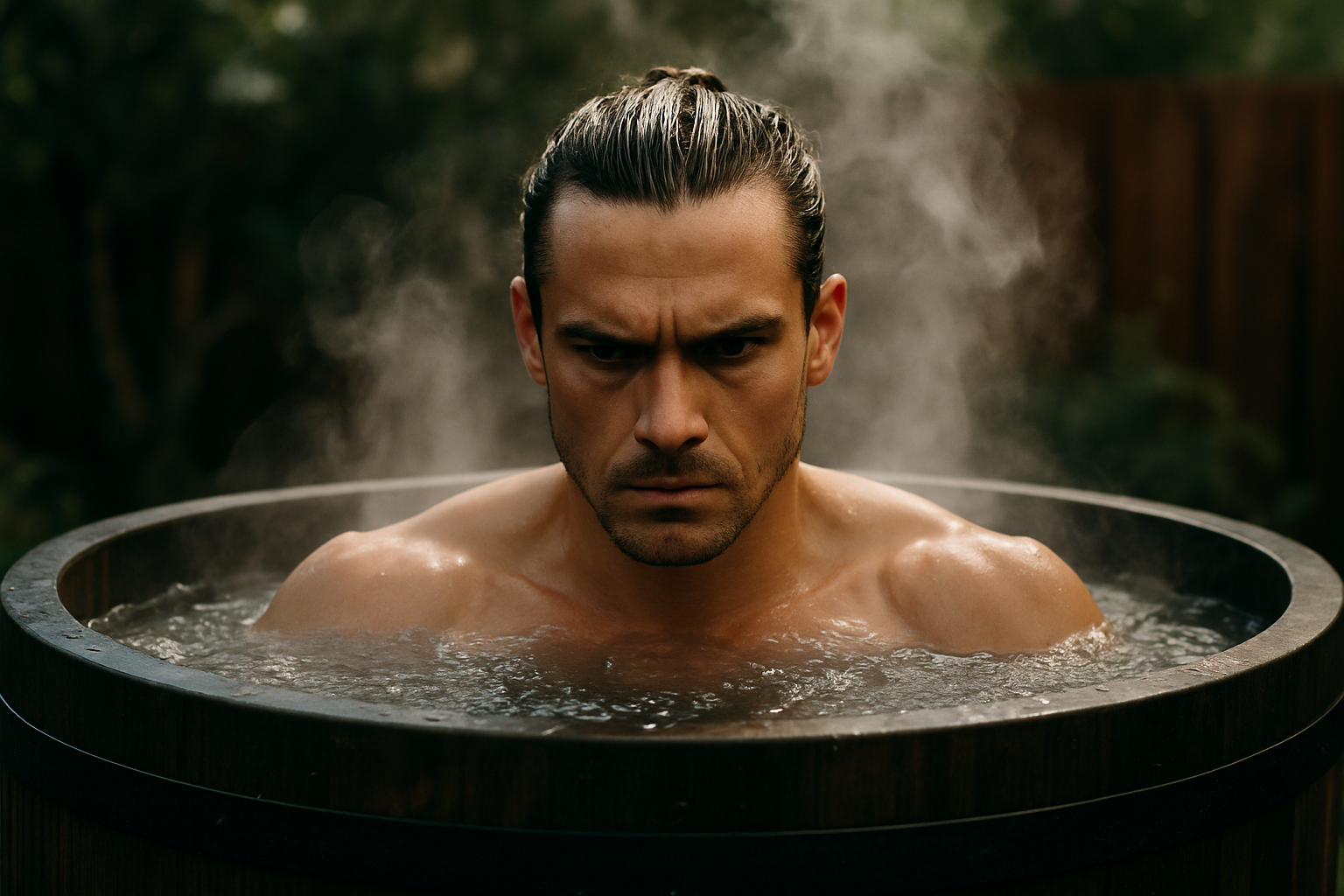

You’ll run into conflicting advice on cold water recovery: one source swears by it as the gold standard for bouncing back from intense training, while another dismisses it entirely as overblown hype. The reality falls somewhere in between, and the research backs up the first camp—but only under specific conditions. I spent time digging through the actual studies so you get the unvarnished picture, because deciding between a cold plunge versus an ice bath and whether either fits your recovery needs shouldn’t rest on Instagram marketing. The question of whether cold immersion truly delivers on recovery promises has real science behind it, though the details matter more than most people realize. Whether you’re nursing soreness after a demanding workout or shopping around for gear that won’t waste your money, here’s what the evidence actually shows and which option makes sense for your situation.
| Method | Setup | Temperature Range | Ideal Duration |
|---|---|---|---|
| Cold Plunge | Purpose-built container with built-in system or superior insulation | 50°F to 59°F (10°C to 15°C) | 10 to 15 minutes |
| Ice Bath | Regular bathtub filled with ice bags | 50°F to 59°F (10°C to 15°C) | 10 to 15 minutes |
Cold Plunge vs Ice Bath: Is There Actually a Difference?
Let’s nail down the terminology first. A cold plunge and an ice bath serve the same fundamental purpose—immersing yourself in cold water to speed up the recovery process. The main distinction lies in how you set it up. A standard ice bath typically involves filling a regular bathtub and adding ice bags to bring the temperature down. A cold plunge refers to a purpose-built container or vessel—whether temperature-controlled by a built-in system or simply engineered for superior insulation—that exists specifically for this type of cold therapy. Both operate using identical physiological mechanisms. What matters most is identifying which approach aligns with your space and lifestyle.
You’re looking at water temperatures in the range of 50°F to 59°F (10°C to 15°C) for maximum effectiveness with either method. Those who are more acclimated can venture colder, but that sweet spot works well for newcomers without overwhelming the body. Time in the water should land around 10 to 15 minutes—long enough to activate the desired physiological responses while avoiding unnecessary stress.
What Cold Water Submersion Actually Does: The Science Behind Recovery Claims
This is where I want to be straight with you. The body of research surrounding cold water submersion is legitimately impressive—but also layered with important context. Let me walk through the actual findings.
Soreness Reduction After Intense Work
The stiffness and soreness that creeps in 24 to 48 hours following a grueling workout session remains one of the most thoroughly studied applications of cold water therapy. According to a 2016 systematic analysis in the Cochrane Database of Systematic Reviews, cold water immersion produced measurable reductions in delayed onset muscle soreness compared to doing nothing. The mechanism: cold triggers vasoconstriction, a tightening of your blood vessels, which helps sweep away metabolic byproducts including lactic acid and decreases muscular inflammation.
Quicker Sensation of Being Ready to Go Again
Numerous research findings demonstrate that athletes experience subjectively faster readiness after cold water submersion. When you’re operating under a schedule that demands multiple training sessions in short succession—tournament brackets or consecutive high-intensity days—this subjective edge translates into tangible performance improvements. Your parasympathetic nervous system engages, heart rate comes down, and you experience mental reset. This isn’t merely psychological; it stems from real biological shifts.
The Muscle-Building Trade-Off
Here’s the critical distinction: when muscle development is your priority, the timing of cold exposure becomes crucial. Research from 2015 in the Journal of Physiology showed that cold water submersion performed right after strength training reduced the stimulus for muscle growth signaling. In other words, it interfered with hypertrophy. If you’ve just completed a muscle-building session, space out your cold plunge by at least four to six hours afterward, or restrict it to days when you’re not lifting. For those chasing endurance improvements or general athletic performance rather than muscle mass expansion, cold therapy poses fewer complications.
Neurological and Emotional Effects
This aspect often gets overlooked. Cold exposure generates a substantial spike in norepinephrine production—a brain chemical associated with concentration, emotional state, and wakefulness. Research by Dr. Susanna Søberg indicates that consistent cold exposure can push norepinephrine levels up by roughly 300%. People who adopt regular cold plunging report reduced anxiety, clearer thinking, and steadier emotional baseline. This element alone deserves serious consideration.
Cold Plunge Options That Actually Work: Practical Gear for Your Home
You don’t require an elaborate high-end installation to reap the advantages. These portable containers deliver genuine results and represent better long-term spending than continuously purchasing ice. Here are several solid options, ranging from affordable entry points to large-volume configurations.
Getting Cold Water Therapy Without Premium Pricing
If cold water recovery appeals to you but spending five figures on a luxury unit isn’t realistic, you’ll want something that keeps water at the right temperature, doesn’t develop leaks within weeks, and fits in an actual home. The Keystone Peak addresses exactly this need—it’s the difference between actually following through on cold therapy and letting an expensive purchase turn into yard clutter.
Advantages
- Temperature stability extends past 30 minutes once ice is added, allowing you to complete a full 10-15 minute immersion session while the stimulus remains effective rather than watching the water warm up and reduce the adaptation benefit.
- The footprint stays reasonable—fits neatly onto a patio or tucked into a garage corner without demanding structural changes, which works for apartment living and modest outdoor areas where oversized commercial equipment simply won’t fit.
- Build quality holds up through extended regular use without material degradation like those cheaper folding models that crack under cold-weather draining cycles.
Drawbacks
- You’re responsible for sourcing and adding ice before each session, which means finding your ice supply each time—no integrated cooling system, so you’re not getting the automated convenience of premium options.
- When filled to capacity it becomes cumbersome during drainage and refilling phases, and the valve design requires some trial-and-error your first attempt to keep water from pouring everywhere.
I almost returned mine after the first week because I miscalculated how much ice I’d need and ended up in water that was 55°F instead of 38°F — completely missed the cold adaptation window — but once I dialed in the ice math, it became non-negotiable for my training partners’ recovery. Check out the Keystone Peak Cold Plunge Tub if you’re ready to stop wondering about recovery and actually test it.
Frequently Asked Questions
What water temperature should I use for cold plunging?
Aim for 50°F to 59°F (10°C to 15°C) for maximum effectiveness. Those more acclimated to cold can go colder, but this range works well for newcomers without overwhelming the body.
How long should I stay in a cold plunge?
Time in the water should land around 10 to 15 minutes—long enough to activate the desired physiological responses while avoiding unnecessary stress.
Does cold water immersion help with muscle soreness?
Yes. According to a 2016 systematic analysis in the Cochrane Database of Systematic Reviews, cold water immersion produced measurable reductions in delayed onset muscle soreness compared to doing nothing. Cold triggers vasoconstriction, which helps sweep away metabolic byproducts and decreases muscular inflammation.
Should I cold plunge right after strength training?
No. Research from 2015 in the Journal of Physiology showed that cold water submersion performed right after strength training reduced the stimulus for muscle growth signaling. Space out your cold plunge by at least four to six hours afterward, or restrict it to non-lifting days.
About This Article

Written by Jordan Ellis. Jordan Ellis isn't a certified personal trainer — just someone who's been genuinely obsessed with training for over eight years and turned it into building smarter home gyms. He focuses on home fitness: effective training spaces, equipment that earns its price, and programs that work in a spare room or basement, not just a commercial gym. More about this site.
Scope and limits. Jordan is not a certified personal trainer, and nothing here is medical advice. Check with a physician before starting a new program, and prioritize form over load on every lift described.
Verify this against a primary source
Specifics change, and your situation may differ from the one described here. These are the authorities worth checking directly:
- Physical Activity Guidelines for Americans (HHS) — the federal physical activity guidelines
- American College of Sports Medicine — exercise prescription and position stands
- NSCA — strength and conditioning research