Tag: recovery

  • Muscle Soreness (DOMS): Why It Happens and the Recovery Tools That Speed Healing

    Muscle Soreness (DOMS): Why It Happens and the Recovery Tools That Speed Healing

    You crushed a leg day workout two days ago — squats, lunges, the whole deal — and now you can barely walk down the stairs without grabbing the railing. Sound familiar? That burning, stiff, almost-satisfying soreness you feel 24 to 72 hours after a tough session has a name: DOMS, or Delayed Onset Muscle Soreness. Understanding DOMS muscle soreness recovery is one of the most valuable things you can do as a fitness enthusiast, whether you’re a beginner or a seasoned athlete. Let me break it all down for you — why it happens, what actually helps, and what’s just hype.

    This post contains affiliate links. As an Amazon Associate, I earn from qualifying purchases. If you click a product link and make a purchase, I may earn a small commission at no extra cost to you. I only recommend products I genuinely believe in.

    What Is DOMS and Why Does It Happen?

    DOMS stands for Delayed Onset Muscle Soreness, and it’s your body’s natural response to exercise — especially movements your muscles aren’t used to. Here’s the science without the textbook lecture: when you work out, you create tiny microscopic tears in your muscle fibers. This sounds alarming, but it’s actually the whole point. Your body repairs those tears and builds the fibers back slightly thicker and stronger than before. That’s how you get stronger over time.

    The soreness itself is caused by inflammation, fluid buildup, and nerve sensitivity in the repaired tissue. It typically peaks around 48 hours post-workout, which is why you often feel fine right after training but wake up two mornings later barely able to lift your arms. DOMS is especially common after eccentric movements — the lowering phase of an exercise, like the descent in a squat or a bicep curl — because that’s when the muscle is under the most tension while lengthening.

    The good news? DOMS is completely normal, and it actually signals adaptation. Your body is getting the message loud and clear: get stronger. The better news? You don’t have to just wait it out. There are real, proven tools that speed up the process.

    DOMS Muscle Soreness Recovery: What Actually Works

    Let’s cut through the noise. Some recovery methods are backed by solid research. Others are just fitness folklore. Here’s what genuinely helps:

    Active Recovery

    One of the best things you can do on a sore day is move — just not hard. Light walking, gentle cycling, or a slow yoga flow increases blood circulation to your muscles, which helps flush out inflammatory byproducts and deliver fresh oxygen and nutrients. Sitting completely still actually slows the process. Aim for 20 to 30 minutes of low-intensity movement the day after a tough session.

    Hydration and Nutrition

    Your muscles are literally rebuilding themselves — they need the raw materials to do it. Protein is the big one. Aim for 0.7 to 1 gram of protein per pound of bodyweight daily when you’re training consistently. Pair that with adequate carbohydrates to replenish muscle glycogen (your body’s stored fuel), and you’re giving your recovery engine everything it needs. Staying well-hydrated also reduces soreness duration — even mild dehydration impairs muscle repair.

    Percussive Therapy (Massage Guns)

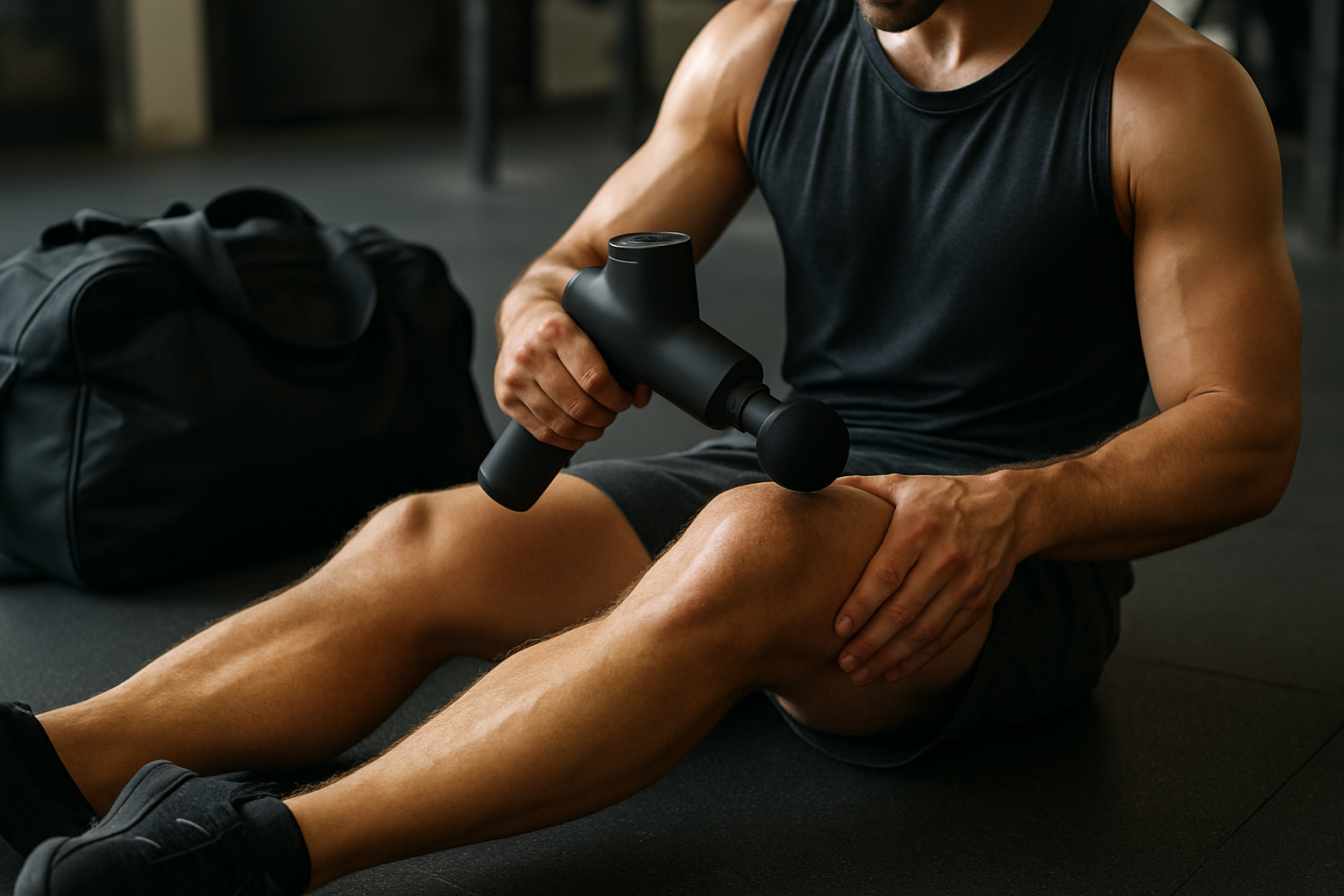
    This is where modern recovery technology really shines. Percussion massage — the rapid, targeted vibration delivered by a massage gun — has been shown to reduce muscle soreness, improve range of motion, and speed up recovery time. It works by increasing local blood flow, breaking up knots in the fascia (the connective tissue surrounding your muscles), and stimulating your nervous system to reduce pain signals. Use it before a workout to warm up tissue or after to start the recovery process immediately.

    Topical Recovery Creams

    Don’t overlook what you put on your skin. Topical creams with ingredients like arnica, MSM (methylsulfonylmethane — a natural anti-inflammatory compound), and camphor can reduce localized soreness and inflammation fast. They’re especially useful for joint discomfort that accompanies heavy training sessions.

    Sleep

    Arguably the most powerful recovery tool you have costs nothing. Growth hormone — the hormone most responsible for muscle repair — is primarily released during deep sleep. If you’re cutting your sleep short, you’re literally cutting your recovery short. Aim for 7 to 9 hours per night, especially on days following intense training. It’s not lazy. It’s strategy.

    Products Worth Trying for Faster Recovery

    I’ve personally tested and vetted these tools. They’re affordable, effective, and a great addition to any serious recovery routine.

    Massage Guns for Percussive Therapy

    If you’re going to invest in one recovery tool, make it a massage gun. The TOLOCO Massage Gun is a fantastic entry point — it comes with 10 interchangeable massage heads for targeting different muscle groups, a powerful silent brushless motor, and it handles deep tissue work surprisingly well for its price point. It’s a go-to for post-leg day recovery.

    If you want more customization in your sessions, check out the Elefor Massage Gun, which offers 20 speed settings and 8 massage heads. That range of intensity levels is genuinely useful — lower speeds work well for sensitive areas like your neck and upper traps, while the higher settings can really dig into your quads and glutes after a brutal squat session.

    Want a massage gun that brings some extra recovery power? The AERLANG Massage Gun with Heat is worth a serious look. The built-in heat function adds thermotherapy to your percussive session, which can help loosen tight muscles even faster — especially on cold mornings when your body feels stiff before warming up. It’s quiet, comes with 7 heads, and makes a great gift for the athlete in your life too.

    Topical Recovery Creams

    For targeted soreness relief, I reach for Penetrex Daily Joint & Muscle Care Cream. It contains arnica, Vitamin B6, and MSM — three ingredients with real anti-inflammatory credentials. It absorbs quickly, isn’t greasy, and has a light scent that doesn’t overwhelm you. I’ll use this on my knees and elbows on days after heavy compound lifting.

    Another solid option is the Silver Biotics Recover Muscle Cream, which combines a patented silver solution with arnica, jojoba oil, camphor, and Vitamin E

  • Sauna for Workout Recovery: Heat Therapy Benefits, Timing, and What to Use

    Sauna for Workout Recovery: Heat Therapy Benefits, Timing, and What to Use

    After a brutal leg day, I used to just stretch, chug a protein shake, and call it done. Sound familiar? It wasn’t until I started exploring sauna benefits for workout recovery that I realized I was leaving serious gains on the table. Heat therapy has been used for centuries, but modern sports science is now backing it up with real data — and trust me, once you understand how it works, you’ll want to make it part of your routine immediately.

    This post contains affiliate links. As an Amazon Associate, I earn from qualifying purchases. This helps keep the site running at no extra cost to you — and I only recommend products I genuinely think are worth your money.

    What Heat Actually Does to Your Body After Training

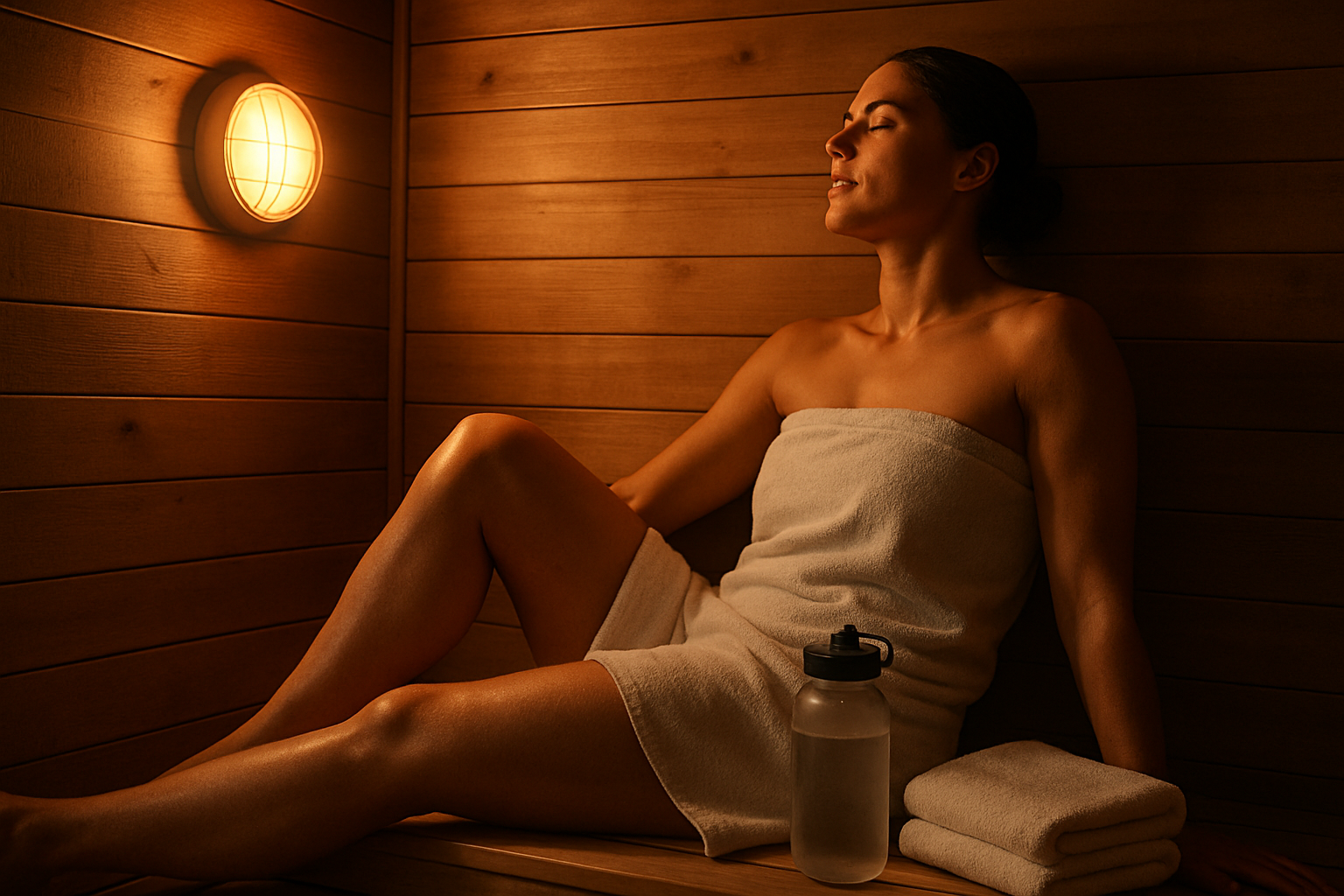
    Here’s the short version: when you apply heat to your body post-workout, a cascade of beneficial physiological responses kicks in. Your blood vessels dilate — that’s called vasodilation — which dramatically increases blood flow to your muscles. More blood flow means more oxygen and nutrients being delivered to the tissue you just broke down, and faster removal of metabolic waste like lactic acid.

    But it goes deeper than circulation. Studies have shown that sauna sessions can trigger the release of heat shock proteins — specialized proteins that help repair damaged muscle cells and protect them from further stress. Research published in the Journal of Science and Medicine in Sport found that post-exercise sauna use significantly reduced muscle soreness in athletes. We’re talking about measurable, science-backed recovery acceleration, not just “it feels nice.”

    Heat exposure also stimulates the release of human growth hormone (HGH). One Finnish study found that two 20-minute sauna sessions separated by a 30-minute cooling period increased HGH levels by up to 200%. That’s huge for muscle repair and overall recovery quality.

    Sauna Benefits for Workout Recovery: Timing Is Everything

    I get asked all the time: “Should I sauna before or after my workout?” My answer is almost always after, and here’s why. Using heat before training can pre-fatigue your cardiovascular system and pull blood flow away from your muscles during the actual workout — the opposite of what you want. Save the heat for the recovery window.

    The sweet spot is roughly 15 to 30 minutes after your workout, once your core temperature has started to come back down. Here’s a simple timing framework I recommend:

    • 0–15 minutes post-workout: Hydrate, cool down, do light stretching
    • 15–30 minutes post-workout: Enter the sauna (start at a lower temperature if you’re new to this)
    • Session length: 15–20 minutes at 150–175°F is a solid target for most people
    • After the sauna: Rehydrate aggressively — you will sweat a lot, and electrolytes matter here

    One important note: if you’re already dehydrated from a tough session, dial back the sauna time or skip it that day. Heat therapy is a tool, not a punishment.

    Beyond Muscle Recovery: The Full-Picture Benefits

    Let’s be real — the recovery perks alone would be enough, but sauna use has a whole stack of additional benefits that complement your training lifestyle.

    Stress Reduction and Sleep Quality

    Heat therapy has been shown to lower cortisol levels — that’s your body’s primary stress hormone. Lower cortisol after training means your body can shift more effectively into the parasympathetic “rest and digest” state, which is exactly the mode you need for quality sleep. And better sleep means better recovery, more muscle protein synthesis, and improved performance the next day. It’s a virtuous cycle.

    Cardiovascular Health

    Regular sauna use has been linked in large-scale studies — including a famous 20-year Finnish cohort study — to significantly reduced risk of cardiovascular events. Your heart works during a sauna session similarly to moderate-intensity exercise, which means you’re getting a gentle cardiovascular stimulus even while you’re just sitting there. Consider it bonus cardio for your heart.

    Mental Clarity and Mood

    Heat exposure boosts levels of norepinephrine and beta-endorphins — chemicals that sharpen focus and elevate mood. A lot of athletes report that consistent sauna use leaves them feeling calmer, more focused, and even more motivated to train. If you’ve ever walked out of a sauna feeling like a completely different person, now you know why.

    Products Worth Trying: My Sauna Gear Picks

    Not everyone has access to a gym sauna or the budget for a full home unit. The good news? There are some excellent, affordable options that bring the heat right to your living room. Here’s what I recommend checking out:

    Infrared Sauna Blankets

    Infrared sauna blankets use far infrared heating — a wavelength of light that penetrates deeper into muscle tissue than traditional dry heat. They’re compact, easy to store, and surprisingly effective.

    The Portable Infrared Sauna Blanket (86–176°F) is a solid all-around option. It heats up fast, comes with a carrying bag for easy storage, and the wide temperature range lets you ease into heat therapy at your own pace. At 5.88 x 2.63 ft, it covers your full body comfortably.

    If you want a blanket with a built-in timer for hands-free sessions, the Cransidium Infrared Sauna Blanket is worth a serious look. It features a 20–60 minute adjustable timer and the same far infrared deep heat technology — great for people who want to set it and relax without watching the clock.

    For something built to last with a durable PU leather cover, check out the RRGFB Infrared Sauna Blanket. At 6 ft x 2.6 ft it’s one of the more spacious options on this list, and the construction feels built for regular, long-term use.

    Sauna Suits for Training

    Sauna suits work differently — you wear them during exercise to trap heat and increase sweat output. They’re not a replacement for passive recovery heat, but they can be a useful tool for cutting weight, increasing workout intensity, or adding a thermogenic

  • Cold Plunge vs Ice Bath for Recovery: What the Research Says and What to Buy

    Cold Plunge vs Ice Bath for Recovery: What the Research Says and What to Buy

    You just crushed a brutal leg day — squats, lunges, deadlifts, the whole nine yards. Your muscles are screaming, and someone at the gym tells you to “just take an ice bath.” But then you scroll Instagram and see everyone talking about cold plunges instead. So which one is it? Are they even different? And do cold plunge ice bath recovery benefits actually hold up to science, or is this just another wellness trend? I get these questions all the time, and I’m here to give you straight answers — no fluff, no hype.

    This post contains affiliate links. As an Amazon Associate, I earn from qualifying purchases. This means I may earn a small commission if you click through and make a purchase — at no extra cost to you. I only recommend products I genuinely think are worth your money.

    Cold Plunge vs Ice Bath: Is There Actually a Difference?

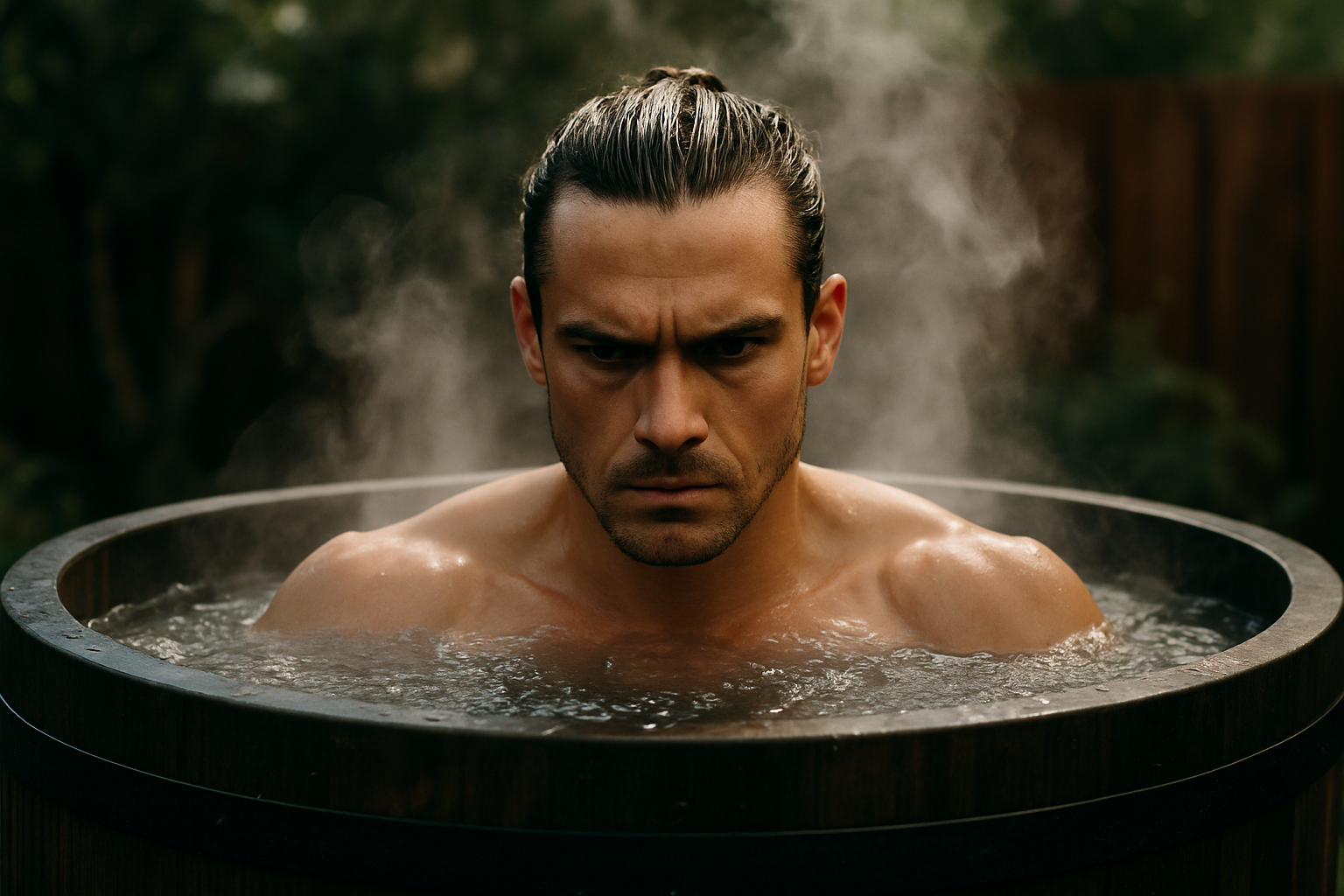
    Let’s clear this up right away. In practice, a cold plunge and an ice bath are essentially the same thing — you’re submerging your body in cold water to accelerate recovery. The difference is mostly in the setup. A traditional ice bath usually means filling a bathtub with water and dumping in bags of ice. A cold plunge refers to a dedicated tub or vessel — sometimes temperature-controlled, sometimes just insulated — designed specifically for cold water therapy. Both work on the same physiological principle. The real question is which setup works best for you.

    The target temperature for both methods sits between 50°F and 59°F (10°C to 15°C). Go colder if you’re more experienced, but for most people starting out, that range is where you’ll get the most benefit without shocking your system. Duration? Aim for 10 to 15 minutes. That’s enough to trigger the good stuff without overdoing it.

    Cold Plunge Ice Bath Recovery Benefits: What the Research Actually Says

    Here’s where I want to get real with you. The research on cold water immersion is genuinely compelling — but it’s also nuanced. Let me break down the key benefits backed by science.

    Reduced Muscle Soreness (DOMS)

    Delayed onset muscle soreness — that stiffness you feel 24 to 48 hours after a tough session — is one of the most studied areas in cold water therapy. A 2016 meta-analysis published in the Cochrane Database of Systematic Reviews found that cold water immersion significantly reduced muscle soreness compared to passive rest. The cold causes blood vessels to constrict (called vasoconstriction), which helps flush out metabolic waste products like lactic acid and reduce inflammation in muscle tissue.

    Faster Perceived Recovery

    Multiple studies show athletes feel recovered faster after cold water immersion. In sports where you’re competing or training multiple times in a short window — think tournament weekends or back-to-back training days — this perceived recovery can be a real performance edge. Your nervous system calms down, your heart rate drops, and mentally you feel reset. That’s not placebo. That’s physiology.

    The Hypertrophy Caveat

    Here’s the important nuance: if your main goal is building muscle, timing matters. A 2015 study in the Journal of Physiology found that cold water immersion after resistance training blunted muscle protein synthesis — essentially slowing down muscle growth. So if you just finished a hypertrophy-focused lifting session, wait at least four to six hours before your cold plunge, or save it for rest days. If you’re an endurance athlete or focused on performance and recovery rather than muscle size, cold therapy is essentially fair game.

    Mental Health and Mood

    This one surprises people. Cold immersion triggers a significant release of norepinephrine — a neurotransmitter linked to focus, mood, and alertness. Research from Dr. Susanna Søberg suggests that regular cold exposure can elevate norepinephrine levels by up to 300%. People who cold plunge consistently report lower stress, sharper mental clarity, and better mood regulation. That alone makes it worth exploring.

    Products Worth Trying: The Best Cold Plunge Tubs for Home Use

    You don’t need a fancy spa setup to get the benefits. These portable tubs are practical, effective, and a smart investment compared to buying bags of ice every week. Here are five options worth your consideration, from budget-friendly to XL capacity.

    Best for Beginners: Keystone Peak Portable Cold Plunge Tub

    If you’re just getting started with cold water therapy, the Keystone Peak Cold Plunge Tub is an excellent entry point. It’s inflatable, works both indoors and outdoors, and comes with a 5-year assurance so you’re not throwing money away. It’s straightforward to set up, easy to drain, and purpose-built for athletes who want the benefits without a major financial commitment upfront.

    Best Mid-Range Pick: 6-Layer Insulated Foldable Cold Plunge Tub

    For those who want a more durable, insulated option that holds its temperature longer, this 6-layer insulated foldable cold plunge tub is a serious upgrade. The multi-layer insulation means your ice stays frozen longer — which saves money on ice and keeps your sessions consistent. It folds flat for storage, making it perfect for home gym spaces where every square foot counts.

    Best Hot and Cold Combo: Upgrade XL 119-Gallon Plunge Tub

    Want the flexibility to do both cold plunges and hot soaks? The Upgrade XL 119-Gallon Hot and Cold Plunge Tub covers both. With 119 gallons of capacity and a cover included, this is a great option for athletes who use contrast therapy — alternating between cold and hot water — which some research suggests may enhance circulation and recovery even further.

    Best Large Capacity: Wxtkkom 175-Gallon Oval Cold Plunge Tub

    Bigger athletes or taller folks often struggle to submerge fully in smaller tubs — and partial submersion means partial results. The Wxtkkom 175-Gallon Oval Ice Bath Tub gives you serious room to work with. It’s foldable, comes with a lid to maintain temperature, and is well-suited for home, gym, or outdoor use. The oval shape feels more natural to sit in comfortably for your full 10 to 15 minute session.

    You crushed it all week — five solid training sessions, sore muscles, and a body that’s clearly been put to work. Now it’s rest day, and you’re sitting there wondering if you should just… do nothing. Maybe you’ve even skipped rest days entirely because sitting still feels like going backwards. I’ve been there, and I’ve coached plenty of people through that exact mindset. Here’s the truth: rest days don’t have to mean doing absolutely nothing — and that’s exactly where active recovery day workouts come in. These low-intensity movement sessions are one of the smartest tools in your fitness arsenal, and most people are leaving serious gains on the table by ignoring them.

    This post contains affiliate links. As an Amazon Associate, I earn from qualifying purchases. This means if you click a link and make a purchase, I may earn a small commission at no extra cost to you. I only recommend products I genuinely believe in.

    What Is Active Recovery and Why Does It Work?

    Active recovery is low-intensity movement performed on your rest days — think a gentle walk, light yoga, or easy cycling. The goal isn’t to build fitness; it’s to support your body’s repair process without adding more stress to already taxed muscles. And the science backs this up hard.

    When you train hard, your muscles develop small micro-tears. Your body repairs those tears during rest, which is literally how you get stronger. But here’s the thing — complete stillness can actually slow that process down. Light movement increases blood flow to sore muscles, which helps flush out metabolic waste products like lactic acid and delivers fresh oxygen and nutrients to tissues that need to rebuild. A 2018 study published in the Journal of Strength and Conditioning Research found that active recovery reduced muscle soreness more effectively than passive rest alone. That’s not a small deal — that’s the difference between showing up to Monday’s workout feeling ready versus feeling like you got hit by a truck.

    Active recovery also keeps your nervous system from going completely offline, which means your movement patterns and coordination stay sharp. Think of it like keeping a car engine warm instead of letting it go cold and then trying to rev it immediately.

    Active Recovery Day Workouts: The Best Options by Goal

    Not all active recovery looks the same, and the right choice depends on what you did during the week and what your body needs. Here’s how I break it down:

    Yoga and Mobility Work

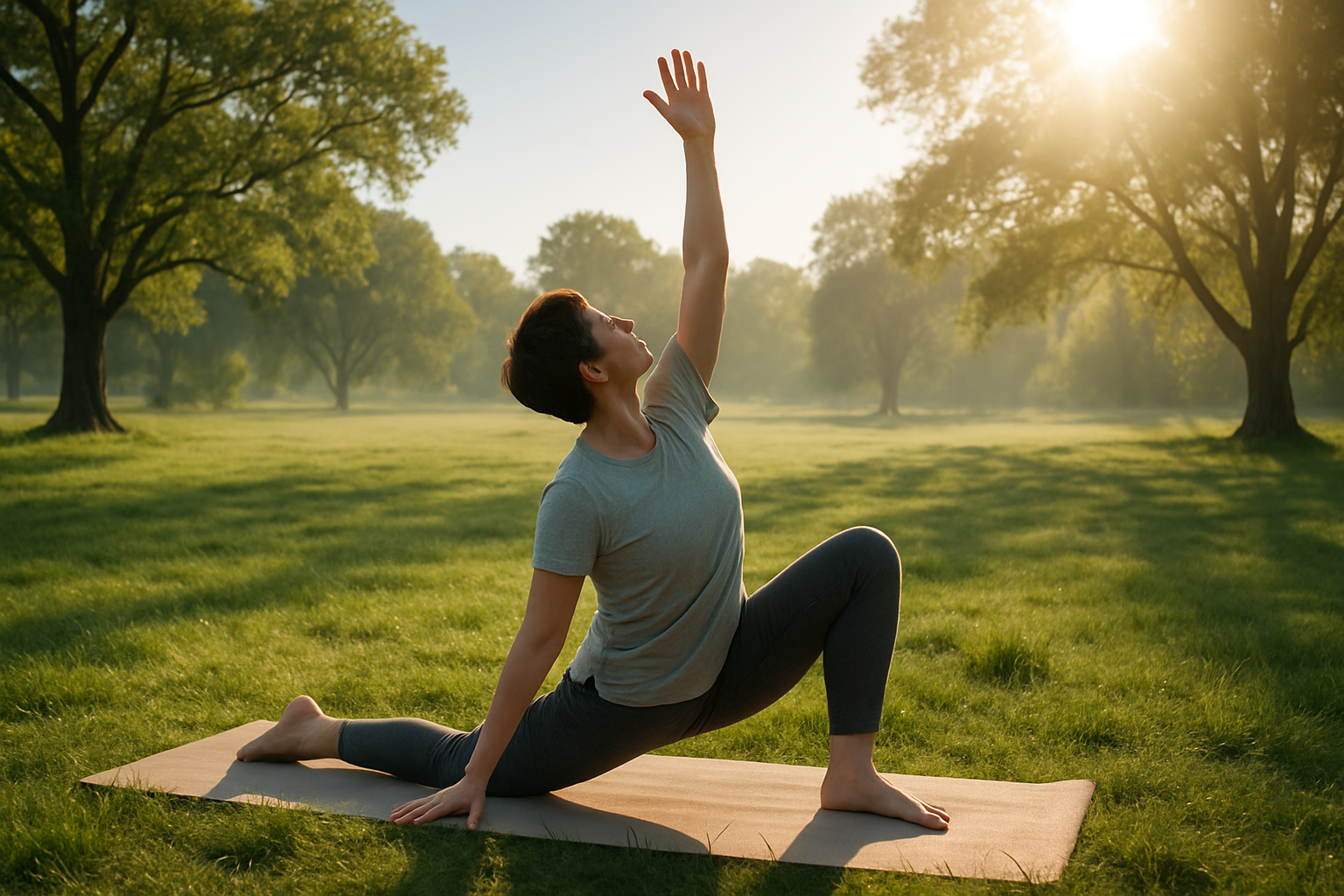
    This is my go-to recommendation for most people. A 20–40 minute yoga or mobility session improves flexibility, reduces muscle tension, and calms the nervous system — all things that make your next hard session better. Focus on hip openers, spinal twists, hamstring stretches, and shoulder mobility. Keep intensity low; this isn’t hot yoga with a PR on your mind.

    For this kind of work, having the right mat makes a real difference. I like the Y O Gayo Premium Yoga Cork Mat — it has a natural tree rubber base that gives you solid grip even when things get sweaty, and the alignment lines are genuinely helpful if you’re learning proper positioning. Cork also has natural antimicrobial properties, which is a bonus. If you want something with serious cushioning for floor-based stretching or mobility drills, the Gogokiwi Extra Wide Yoga Mat at 72″ x 36″ gives you plenty of real estate and half an inch of cushion to protect your joints.

    Foam Rolling and Self-Myofascial Release

    Foam rolling — also called self-myofascial release (SMR) — involves applying pressure to tight spots in your muscles and connective tissue to reduce tension and improve range of motion. Spend 10–15 minutes rolling through your quads, IT band, glutes, lats, and upper back. Move slowly, pause on tender spots for 20–30 seconds, and breathe through it.

    Two foam roller sets I recommend depending on your budget: the Krightlink 5-in-1 Foam Roller Set comes with a high-density roller, massage ball, resistance band, and a carry bag — it’s a solid all-in-one kit for physical therapy and recovery work. If you want even more variety, the Foam Roller Set with Muscle Roller Stick, Massage Balls, and Stretching Strap covers your whole body from plantar fascia to upper traps. Seriously — deep tissue work on rest days pays dividends on training days.

    Walking

    Don’t underestimate a 20–45 minute walk. It’s low impact, gets blood moving through your legs, and has documented benefits for mood and stress reduction — both of which affect recovery. Keep pace conversational; you should be able to hold a full sentence without gasping.

    Swimming or Light Cycling

    Water is incredibly therapeutic for sore muscles — the hydrostatic pressure actually acts like a full-body compression sleeve. Easy laps or water walking are excellent options. Light cycling at low resistance (think leisurely bike ride, not spin class) works the same way — it keeps the legs moving without loading them heavily.

    Gear I Recommend for Active Recovery Days

    You don’t need much for active recovery, but having the right tools makes it more likely you’ll actually do it. Here’s what I keep on hand:

  • Why Sleep Is the Most Important Part of Your Workout Plan (And How to Fix Yours)

    Why Sleep Is the Most Important Part of Your Workout Plan (And How to Fix Yours)

    You’re hitting the gym four times a week, dialing in your nutrition, and tracking every rep — but your results have stalled. Sound familiar? Here’s the thing most people overlook: the sleep importance for workout recovery is not a minor detail. It’s the foundation everything else is built on. I’ve seen it happen with clients over and over again — they’re doing everything “right” but skimping on sleep, and their body is simply not responding. Today, we’re going to change that.

    This post contains affiliate links. As an Amazon Associate, I earn from qualifying purchases. This means if you click a link and make a purchase, I may earn a small commission at no extra cost to you. I only recommend products I genuinely believe in.

    Why Sleep Importance for Workout Recovery Is a Non-Negotiable

    Let me be direct with you: your muscles do not grow in the gym. They grow while you sleep. When you lift weights or push through a tough cardio session, you’re actually creating tiny micro-tears in your muscle fibers. That sounds scary, but it’s a completely normal and necessary part of getting stronger. The real magic — the repair, the rebuilding, the adaptation — happens during sleep, specifically during deep sleep stages when your body releases human growth hormone (HGH).

    HGH is the body’s natural repair crew. It signals your muscles to rebuild stronger than before, supports fat metabolism, and helps regulate your energy systems. Here’s the kicker: the majority of your daily HGH release happens during slow-wave sleep, which is the deep, restorative stage you hit roughly 30–60 minutes after falling asleep. Cut your sleep short, and you’re literally cutting off that repair process mid-job.

    Research backs this up hard. A study published in the journal Sleep found that athletes who extended their sleep to 10 hours per night improved their sprint times, reaction times, and reported better overall mood and energy. On the flip side, sleep deprivation — even just a few nights of getting five or six hours — has been shown to increase cortisol levels (your primary stress hormone), reduce testosterone, impair protein synthesis, and slow reaction time. That’s basically the opposite of everything you’re training for.

    What Happens to Your Body When You Don’t Sleep Enough

    I want to get specific here because I think when people understand the “why,” they actually make the change. Here’s what poor sleep is doing to your fitness progress behind the scenes:

    • Muscle breakdown increases. Without adequate sleep, your body releases more cortisol, which is catabolic — meaning it breaks down muscle tissue for energy instead of building it up.
    • Fat loss slows down. Sleep deprivation disrupts leptin and ghrelin, two hormones that regulate hunger and satiety. You end up hungrier, less satisfied after meals, and more likely to reach for high-calorie foods.
    • Performance tanks. Coordination, strength output, endurance, and mental focus all decline significantly with even moderate sleep loss. You can’t train hard if you can’t perform.
    • Injury risk goes up. Fatigued muscles and slower reaction times are a recipe for poor form and avoidable injuries. I’ve seen this derail more training programs than almost anything else.
    • Motivation crashes. Sleep deprivation directly affects dopamine receptors in the brain, which means your drive, reward response, and willpower take a serious hit.

    If any of that sounds like what you’ve been experiencing, there’s a good chance your sleep needs some serious attention.

    How to Actually Fix Your Sleep (Practical Steps That Work)

    Okay, enough doom and gloom — let’s fix it. Here are the strategies I recommend to every client who wants to level up their recovery:

    1. Lock In a Consistent Sleep Schedule

    Your body runs on a circadian rhythm — think of it as an internal 24-hour clock that regulates when you feel awake and when you feel sleepy. The single most powerful thing you can do is go to bed and wake up at the same time every single day, including weekends. Yes, even weekends. Inconsistency is one of the biggest saboteurs of sleep quality.

    2. Create a Dark, Quiet Sleep Environment

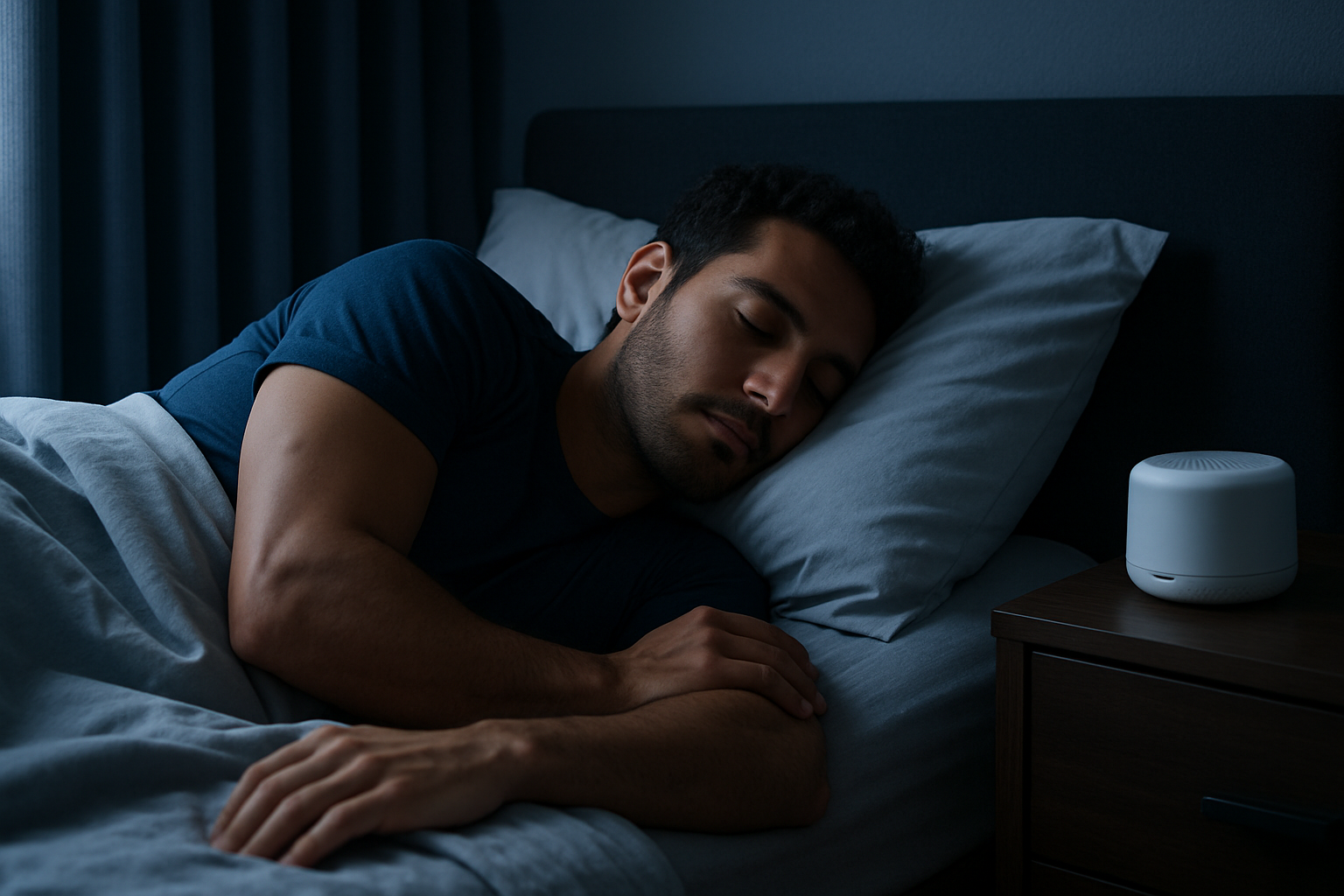
    Light and noise are two of the biggest disruptors of deep sleep. Even small amounts of light can suppress melatonin production, which is the hormone your body uses to signal that it’s time to sleep. I recommend blackout curtains and a quality sleep mask to completely block out light. A white noise machine is also a game-changer for drowning out disruptive sounds that keep your brain from fully switching off.

    3. Cut Screen Time Before Bed

    Blue light from phones, tablets, and TVs suppresses melatonin production and tricks your brain into thinking it’s still daytime. Aim to put your devices down at least 30–60 minutes before bed. If you absolutely need to use your phone, enable the night mode or warm color filter.

    4. Watch Your Pre-Bed Nutrition and Caffeine

    Caffeine has a half-life of about five to seven hours, meaning if you drink a coffee at 3 PM, half of that caffeine is still in your system at 8–10 PM. Cut off caffeine by early afternoon. Also avoid large meals right before bed, which can disrupt sleep quality even if you fall asleep fine.

    5. Keep Your Bedroom Cool

    Your core body temperature naturally drops as you fall asleep. A cooler room — around 65–68°F (18–20°C) — supports this process and helps you fall asleep faster and stay in deeper sleep stages longer.

    Products Worth Trying to Upgrade Your Sleep Setup

    I’m a big believer that the right tools make habits easier to stick with. Here are a few products I actually recommend to help you build a better sleep environment:

    White Noise Machines

    If you live in a noisy area, share a space, or just find your brain won’t quiet down at night, a white noise machine is one of the best investments you can make for your recovery. The Magicteam Sound White Noise Machine offers 20 non-looping natural sounds, 32 volume levels, and a sleep timer — it’s simple, reliable, and effective. If you want something with a bit more versatility, the Sound Machine Night Light with Brown Noise gives you 30 non-looping sounds, a built-in night light with 12 color options, and multiple timer settings — great if you want one device doing a few jobs. For those who travel frequently or just want something portable, the March 29, 2026