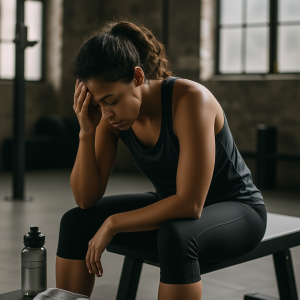

A training partner told me flat out: “My numbers keep dropping, but I’m in the gym five days a week.” We talked through his routine, his meals, his consistency — everything looked solid on paper. Then it came out: he was sleeping five hours a night, sometimes less. That single detail explained why his body was refusing to progress. The uncomfortable truth is that sleep quality and quantity are non-negotiable for any real fitness outcome — they sit at the center of everything, not at the edges. Most people chase programming and meal prep with religious dedication while treating sleep like a luxury they’ll get to eventually. That’s backwards.
Why Sleep Importance for Workout Recovery Is a Non-Negotiable
Here’s the straightforward version: your muscles don’t actually grow inside the gym. Growth happens during your sleep window. When you perform weight training or high-intensity exercise, you damage muscle fibers in a controlled way. That damage is necessary. But the actual recovery — the repair, the strengthening, the adaptation — occurs when you’re sleeping, particularly during the deeper sleep phases when your body secretes human growth hormone (HGH).
HGH functions as your body’s restoration system. It prompts muscle tissue to rebuild and strengthen, supports the breakdown of stored fat, and helps your body manage its energy output. The critical piece: most of your HGH gets released during slow-wave sleep, the restorative stage that typically arrives 30–60 minutes after you fall asleep. Shorten your sleep, and you interrupt that restoration before it can finish.
The science is compelling. A study in the journal Sleep showed that when athletes bumped their sleep to 10 hours per night, their sprint performance improved, their reaction speeds sharpened, and their mood and energy both got better. Conversely, chronic sleep loss — even just a handful of nights at five or six hours — elevates cortisol production (your stress hormone), tanks testosterone, impairs your ability to synthesize protein, and dulls reaction time. That’s moving in the exact opposite direction from your training goals.
What Insufficient Sleep Does to Your Training Results
Understanding the mechanisms matters, because once you see how this actually sabotages your body, the motivation to change usually follows. Here’s what happens to your system on inadequate sleep:
- Muscle tissue breaks down faster. Low sleep drives up cortisol, which is muscle-destructive — your body consumes its own muscle for fuel instead of building new tissue.
- Fat loss stalls. Sleep loss throws off leptin and ghrelin balance, the hormones managing hunger signals and fullness cues. You get hungrier, feel less satisfied after eating, and find yourself reaching for calorie-dense foods.
- Strength and endurance both suffer. Your power output, aerobic capacity, balance, and mental clarity all drop noticeably when sleep is compromised, even slightly. You literally cannot push hard if your body is running on empty.
- Injury likelihood climbs. Tired muscles move poorly, and your brain reacts slower — a combination that leads to form breakdown and preventable damage. More training gets derailed by preventable injury than by almost any other factor.
- Drive and willingness drop. Sleep loss damages dopamine signaling in your brain, which means effort, motivation, and mental resilience all take hits.
If that list matches what you’ve been dealing with lately, sleep deserves to move to the top of your priority list.
Fixing Your Sleep: Methods That Deliver Real Results
Time to turn this around. Here’s what I suggest to anyone serious about upgrading their recovery capacity:
1. Anchor Yourself to a Fixed Sleep Schedule
Your body operates on a circadian rhythm — essentially a biological 24-hour timer that tells you when to be awake and when to wind down. The single most powerful intervention is sleeping and waking at the exact same time daily, seven days a week. Including weekends. Erratic timing destroys sleep architecture more than almost anything else.
2. Design Your Bedroom for Sleep
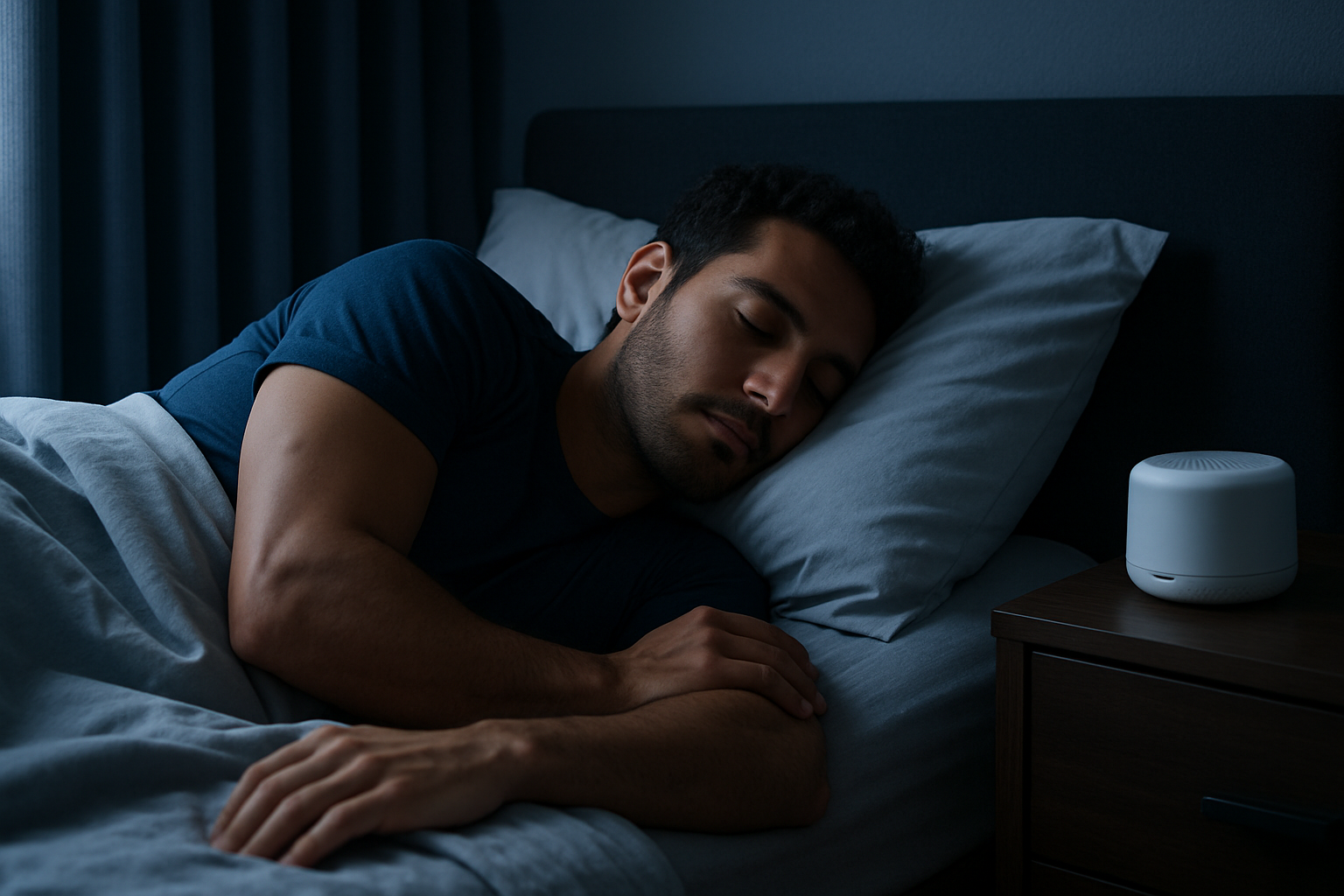
Light and sound are major enemies of restful sleep. Even faint light reduces melatonin, the hormone signaling your brain that sleep is coming. Blackout curtains paired with a sleep mask are your best defense against light intrusion. A white noise device handles the sound problem, giving your nervous system something neutral to focus on instead of every creak and car horn outside.
3. Eliminate Screens in Your Pre-Sleep Window
Phones, laptops, and televisions emit blue light that suppresses melatonin and convinces your brain it’s still daytime. Stop using screens 30–60 minutes before you plan to sleep. If you can’t fully avoid your phone, switch on night mode or a warm color shift filter to reduce the blue light exposure.
4. Be Strategic About Caffeine and Evening Food
Caffeine stays in your system for five to seven hours — half of a 3 PM coffee is still active in your body at 8–10 PM. Stop caffeine intake by early afternoon. Large meals eaten close to bedtime also disrupt sleep quality, even if you manage to fall asleep initially.
5. Lower Your Room Temperature
As you fall asleep, your core body temperature naturally declines. Sleeping in a cooler space — around 65–68°F (18–20°C) — accelerates sleep onset and deepens the restorative stages of your sleep cycle.
Sleep Tools and Equipment Worth Your Money
The right gear removes friction and makes better habits stick. Here are the products that genuinely help build a sleep environment that supports recovery:
The White Noise Unit That Fixed My Sleep-Fragmented Training Weeks
Muscle recovery only happens if you’re actually asleep for a full cycle. I spent months confused about why my lifts were stalling until I tracked down the real problem: I was waking four or five times per night, usually without realizing it. My brain was too activated to notice the disturbance, but my body definitely was. Addressing the one controllable factor — external noise — changed everything in just a few weeks.
The upside
- Blocks out external disturbances—traffic, neighbors, weather sounds—so you stay submerged in deep sleep where actual muscle repair occurs.
- Provides predictable audio that helps you drift back to sleep after brief arousals, instead of lying awake thinking about your next workout or scrolling mentally through your day.
- Low setup friction—plug in and set the volume, no apps, no connectivity hassles—which means you actually use it every night instead of abandoning it after a week.
The downside
- The sound can become wallpaper to your brain after a few weeks, meaning your nervous system stops registering it as novel or blocking actual disruption as effectively.
- Won’t address root causes like stress hyperarousal, late-day caffeine, or pre-sleep screen time — it’s a band-aid for noise problems specifically, nothing more.
I’ll admit the first week felt artificial, and I almost returned it thinking my body just needed to “toughen up” to noise—a typical athlete mentality that nearly cost me weeks of better recovery. Magicteam Sound White Noise Machine
Frequently Asked Questions
When does human growth hormone release during sleep?
Most of your HGH gets released during slow-wave sleep, the restorative stage that typically arrives 30–60 minutes after you fall asleep. This is when your body repairs muscle tissue, strengthens it, and manages energy output. Shortening your sleep interrupts this restoration before it finishes.
How long does caffeine stay active in your system?
Caffeine stays in your system for five to seven hours. Half of a 3 PM coffee is still active in your body at 8–10 PM, which disrupts sleep quality. Stop caffeine intake by early afternoon to protect your recovery window.
What room temperature is best for sleep quality?
Sleeping in a cooler space — around 65–68°F (18–20°C) — accelerates sleep onset and deepens the restorative stages of your sleep cycle. Your core body temperature naturally declines as you fall asleep, so a cooler environment supports this process.
When should I stop using screens before bed?
Stop using screens 30–60 minutes before you plan to sleep. Phones, laptops, and televisions emit blue light that suppresses melatonin and convinces your brain it’s still daytime. If you can’t fully avoid your phone, use night mode or a warm color shift filter.
About This Article

Written by Jordan Ellis. Jordan Ellis isn't a certified personal trainer — just someone who's been genuinely obsessed with training for over eight years and turned it into building smarter home gyms. He focuses on home fitness: effective training spaces, equipment that earns its price, and programs that work in a spare room or basement, not just a commercial gym. More about this site.
Scope and limits. Jordan is not a certified personal trainer, and nothing here is medical advice. Check with a physician before starting a new program, and prioritize form over load on every lift described.
Verify this against a primary source
Specifics change, and your situation may differ from the one described here. These are the authorities worth checking directly:
- Physical Activity Guidelines for Americans (HHS) — the federal physical activity guidelines
- American College of Sports Medicine — exercise prescription and position stands
- NSCA — strength and conditioning research