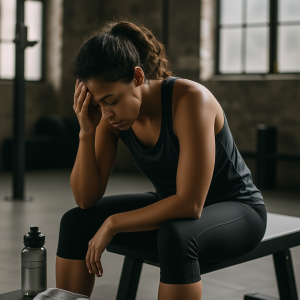

Why does your body feel like it went through a blender two days after leg day? The answer is DOMS — Delayed Onset Muscle Soreness — and it’s your body’s signal that you’ve triggered genuine adaptation. When you train, especially with movements your muscles haven’t encountered before, you create microscopic damage in the muscle fibers themselves. Your body then rebuilds those fibers slightly stronger, which is exactly how progress happens. That stiff, burning sensation that peaks around 48 hours post-workout isn’t a sign you did something wrong; it’s proof you did something hard enough to matter. Understanding how to recover from DOMS efficiently — rather than just gritting your teeth and waiting it out — separates people who stay consistent from those who dread their next leg session. Let me walk you through what actually accelerates recovery, what the research supports, and which tools are genuinely worth your time and money.
What Is DOMS and Why Does It Happen?
DOMS is your muscles’ inflammatory response to unaccustomed or intense exercise. The mechanism is straightforward: resistance work creates small rips in your muscle fibers. That damage isn’t a problem — it’s the stimulus. Your body detects those tears, initiates repair, and reconstructs the fibers to be more resilient and larger than they were before. Repeat this cycle over weeks and months, and you’ve built meaningful muscle and strength.
The tenderness itself stems from inflammation, interstitial fluid accumulation, and heightened sensitivity in the tissue that’s undergoing repair. Soreness typically crests roughly two days after your workout, which explains why you might leave the gym feeling fine only to struggle with stairs 48 hours later. DOMS tends to be most pronounced following eccentric-loaded movements — the lengthening phase of a lift, such as lowering into a squat or the controlled drop of a curl — because that’s when muscle experiences maximum tension while being stretched.
Here’s the thing: DOMS is entirely normal, and it actually reflects positive change. Your nervous system and muscular system are responding to the demand you’ve placed on them. Better still, you’re not helpless against it. Evidence-based strategies can meaningfully shorten your recovery window and reduce discomfort.
Proven Recovery Methods for Muscle Soreness
Not all recovery advice is created equal. Some approaches have real science behind them; others are fitness mythology. Here’s what actually delivers results:
Movement at Low Intensity
Paradoxically, the best response to soreness is gentle activity. Light walks, easy bike rides, or relaxed stretching sessions boost circulation to sore muscle groups, which helps transport inflammatory markers out and brings oxygen and nutrients in. Complete immobility actually slows the healing process. Spend 20 to 30 minutes doing something easy the day your soreness peaks.
Adequate Protein and Carbs
Your muscle tissue is actively reconstructing itself right now — it requires raw materials to complete that job. Protein sits at the top of the list. Target 0.7 to 1 gram per pound of body weight each day during periods of regular training. Combine this with sufficient carbohydrate intake to refill muscle glycogen stores (your muscles’ primary energy reserve), and you’re fueling the recovery machinery. Solid hydration status also shortens the soreness window — even minor fluid deficits undermine the body’s repair capacity.
Percussion Massage
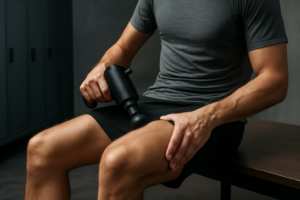
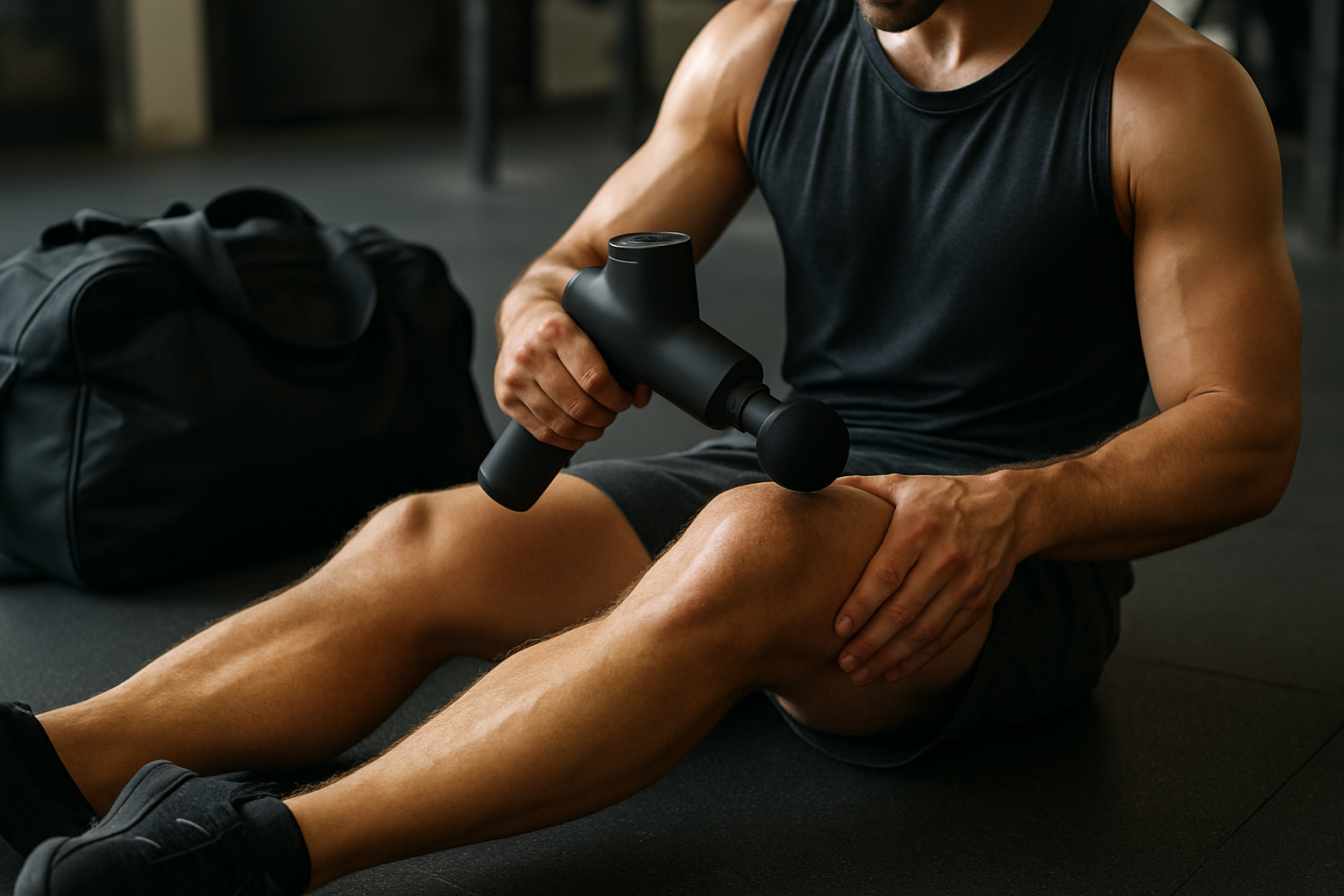
This is where modern recovery gear has a real edge. Percussion massage — rapid vibrations delivered by a massage gun — demonstrably cuts recovery time, expands available range of motion, and diminishes post-workout soreness. The mechanism involves heightened regional blood flow, loosening of fascia (the tissue sheath wrapping your muscles), and modulation of pain signaling through your nervous system. Deploy it before training to prime the tissue, or immediately after to launch recovery.
Anti-Inflammatory Topicals
Don’t underestimate the value of what you apply directly to the skin. Creams and balms containing arnica, MSM (methylsulfonylmethane — a naturally-occurring sulfur compound with inflammation-reducing properties), and camphor deliver quick relief from localized soreness and swelling. These are particularly helpful when heavy sessions leave your joints feeling beaten up alongside muscle fatigue.
Quality Sleep
Sleep might be your single most powerful recovery asset, and it costs absolutely nothing. Growth hormone — the primary driver of muscle tissue repair — concentrates in deep sleep phases. Shortchanging sleep directly shortchanges recovery. Prioritize 7 to 9 hours nightly, especially on days when you’ve done heavy work. This isn’t indulgence; it’s a core component of your training plan.
Recovery Tools I Actually Recommend
These are items I’ve tested thoroughly in real-world training scenarios. Each one is budget-friendly, demonstrates genuine results, and fits seamlessly into a serious recovery protocol.
The Percussion Device for Quad Relief When You’re Limping Two Days Post-Leg Work
Leg DOMS is relentless, and a foam roller has its limits when your quads have seized up 48 hours following heavy squats or lunges. A quality percussion massager lets you zero in on the exact spot that’s tightest and inflamed without needing to contort yourself or hunt down a spotter.
The strengths
- Strong enough vibration amplitude that the effect penetrates deep into quad or hamstring tissue rather than merely trembling the surface skin.
- Battery endurance covers a complete lower-body recovery session, which matters when DOMS is at its peak and you’re using it most.
- Operates at a volume level low enough to use between sets at the gym without broadcasting to everyone around you that your legs are wrecked.
The drawbacks
- When soreness is severe, the opening minutes feel almost painful — there’s no true ramp-up setting, so you need to acclimate gradually.
- The head attachments are somewhat compact, making it harder to cover large muscle groups in one pass; expect to spend more time on small overlapping sections rather than sweeping motions.
I almost abandoned it after the first use because the intensity made me think I was doing damage rather than helping, but three days of consistent use before training convinced me the DOMS actually cleared faster. Pick up the TOLOCO Massage Gun if you’re serious about training legs hard and not limping through the next 48 hours.
Frequently Asked Questions
Why does muscle soreness peak around 48 hours after working out?
DOMS peaks roughly 48 hours post-workout because that’s when inflammation, interstitial fluid accumulation, and tissue sensitivity from the repair process reach their highest point. Your body is actively rebuilding muscle fibers damaged during training, which triggers the soreness sensation during this window.
How much protein should I eat during heavy training periods?
Target 0.7 to 1 gram per pound of body weight each day during periods of regular training. This supplies the raw materials your muscles need to reconstruct themselves while recovering from soreness and building strength.
What’s the best low-intensity activity for DOMS recovery?
Spend 20 to 30 minutes doing something easy like light walks, easy bike rides, or relaxed stretching on the day your soreness peaks. Gentle activity boosts circulation to sore muscles, helping transport inflammatory markers out and bringing oxygen and nutrients in.
How many hours of sleep do I need for muscle recovery?
Prioritize 7 to 9 hours nightly, especially on days when you’ve done heavy work. Growth hormone — the primary driver of muscle tissue repair — concentrates in deep sleep phases, making sleep a core component of your training plan.
About This Article

Written by Jordan Ellis. Jordan Ellis isn't a certified personal trainer — just someone who's been genuinely obsessed with training for over eight years and turned it into building smarter home gyms. He focuses on home fitness: effective training spaces, equipment that earns its price, and programs that work in a spare room or basement, not just a commercial gym. More about this site.
Scope and limits. Jordan is not a certified personal trainer, and nothing here is medical advice. Check with a physician before starting a new program, and prioritize form over load on every lift described.
Verify this against a primary source
Specifics change, and your situation may differ from the one described here. These are the authorities worth checking directly:
- Physical Activity Guidelines for Americans (HHS) — the federal physical activity guidelines
- American College of Sports Medicine — exercise prescription and position stands
- NSCA — strength and conditioning research