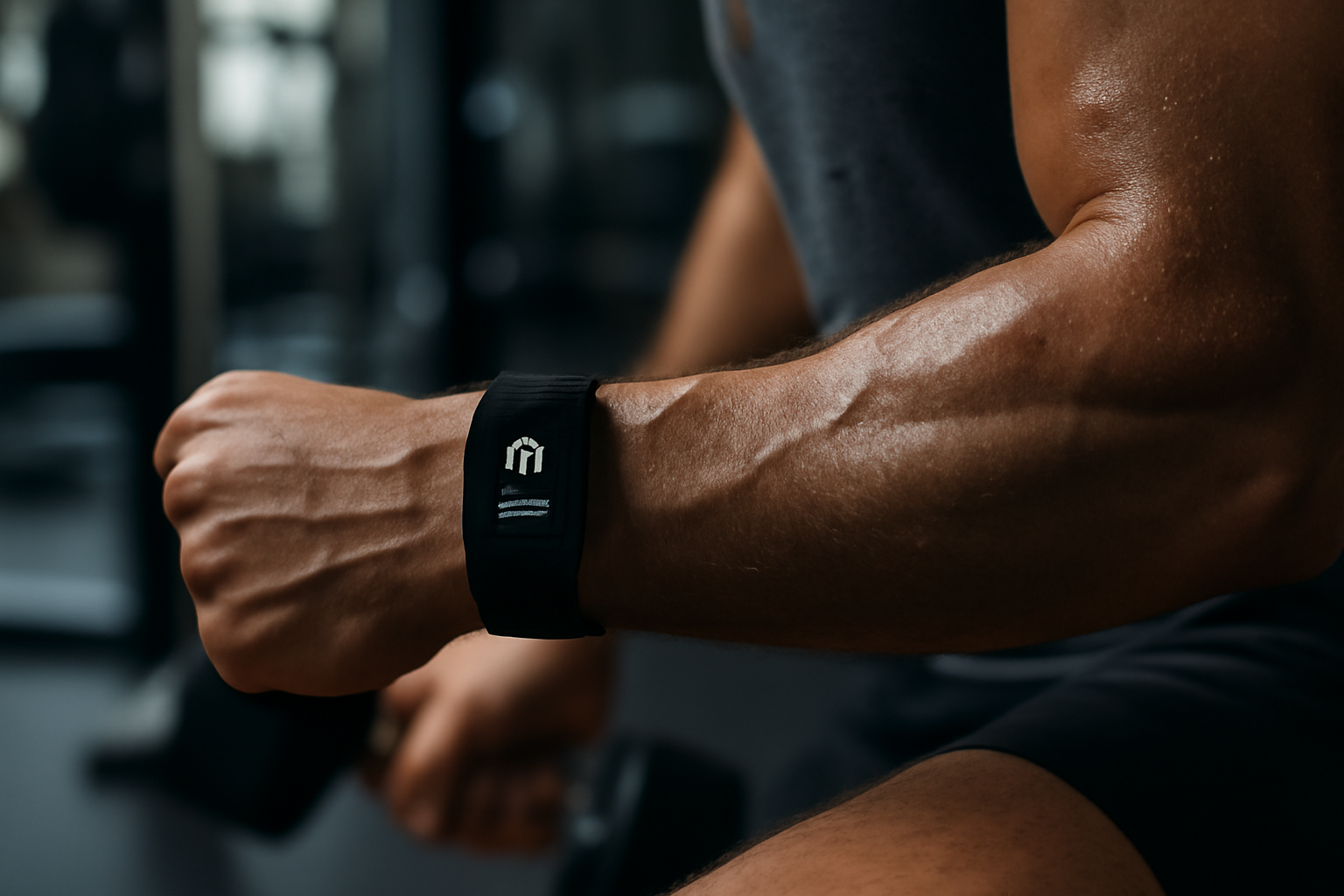
Most people believe that wearable recovery trackers are luxury gadgets for elite athletes—when the real value lies in catching the invisible bottlenecks that stop strength progress dead. Marcus, a 41-year-old firefighter training for his first powerlifting meet, had everything dialed in on paper: squats at 315 lbs for 3×5, deadlifts approaching 405 lbs, bench pressing 225 lbs with consistency. Yet his lifts stalled hard. I suspected recovery was the culprit, but I had nothing concrete—just a hunch and zero data to act on. That gap between intuition and measurable evidence pushed me to spend six months with the Whoop 4.0 strap fitness professionals and everyday lifters have been discussing for a long time.
Rather than recommend something untested, I decided to wear one myself for the full half-year stretch. That’s my standard: live with a tool before I suggest it to anyone else. The outcome turned into one of the most illuminating stretches of self-directed training I’ve experienced across many years of lifting.
The Recovery Data I Needed to Stop Guessing on Training Partners’ Stalls
Marcus’s stall wasn’t a result of poor program design or insufficient effort—it came down to how his body was actually recovering. The fundamental problem: recovery stays invisible. You might sense fatigue, but sensation doesn’t give you numbers, and I needed numbers to determine whether Marcus should push forward or dial things back.
What works
- The strain and recovery readouts aligned with Marcus’s actual gym performance—on his “yellow” recovery days, his lifts dipped 5–10% relative to “green” days, which matched precisely what I was observing on the platform.
- Sleep tracking offered more nuance than total hours slept; it identified broken sleep architecture and disrupted REM cycles, which turned out to be the real driver behind his performance dips (not training volume or load).
- The band itself faded into the background within days—I forgot it was there, and the lifters I worked with noted it didn’t limit wrist range or create friction during upper-body pressing.
What doesn’t
- At $30 each month or $348 annually, the subscription feels overpriced for someone who only wants a simple yes-or-no answer on readiness—you’re funding coaching intelligence and analytical layers that might sit unused if your training already has solid structure.
- The dashboard can overwhelm new users; there’s too much data density and the personalized suggestions aren’t always practical for strength athletes running fixed periodized programs.
I almost ditched the subscription after month two when the app crashed mid-training and I lost a workout log—but then Marcus hit a new deadlift PR the week after we started respecting his recovery scores. WHOOP Peak – 12 Month Membership – 24/7 Activity and Sleep Tracker, Personalized Coaching, Menstrual Cycle Insights – 14+ Days Battery Life
Frequently Asked Questions
Did the Whoop strap help identify why Marcus’s lifts stalled?
Yes. Marcus’s stall wasn’t poor program design or effort—it was recovery. The strain and recovery readouts aligned with his gym performance, showing 5–10% lift drops on yellow recovery days versus green days. Sleep tracking revealed disrupted REM cycles were the real driver, not training volume or load.
How much does the Whoop 4.0 subscription cost annually?
The subscription costs $30 per month or $348 annually. At that price point, it’s best suited for lifters who want coaching intelligence and analytical depth rather than a simple yes-or-no readiness answer.
Does the Whoop strap interfere with strength training?
No. The band faded into the background within days of wearing it. Lifters noted it didn’t limit wrist range of motion or create friction during upper-body pressing movements like bench press.
What sleep metric mattered most for Marcus’s performance?
Sleep architecture and REM cycles mattered more than total hours slept. Disrupted REM cycles, identified through detailed sleep tracking, were the real driver behind his performance dips, not training volume or load.
About This Article

Written by Jordan Ellis. Jordan Ellis isn't a certified personal trainer — just someone who's been genuinely obsessed with training for over eight years and turned it into building smarter home gyms. He focuses on home fitness: effective training spaces, equipment that earns its price, and programs that work in a spare room or basement, not just a commercial gym. More about this site.
Scope and limits. Jordan is not a certified personal trainer, and nothing here is medical advice. Check with a physician before starting a new program, and prioritize form over load on every lift described.
Verify this against a primary source
Specifics change, and your situation may differ from the one described here. These are the authorities worth checking directly:
- Physical Activity Guidelines for Americans (HHS) — the federal physical activity guidelines
- American College of Sports Medicine — exercise prescription and position stands
- NSCA — strength and conditioning research