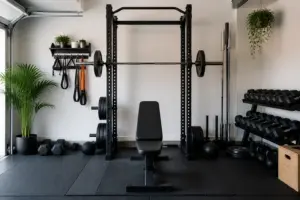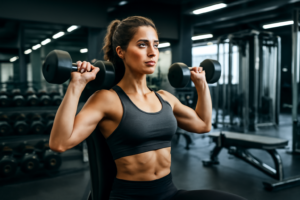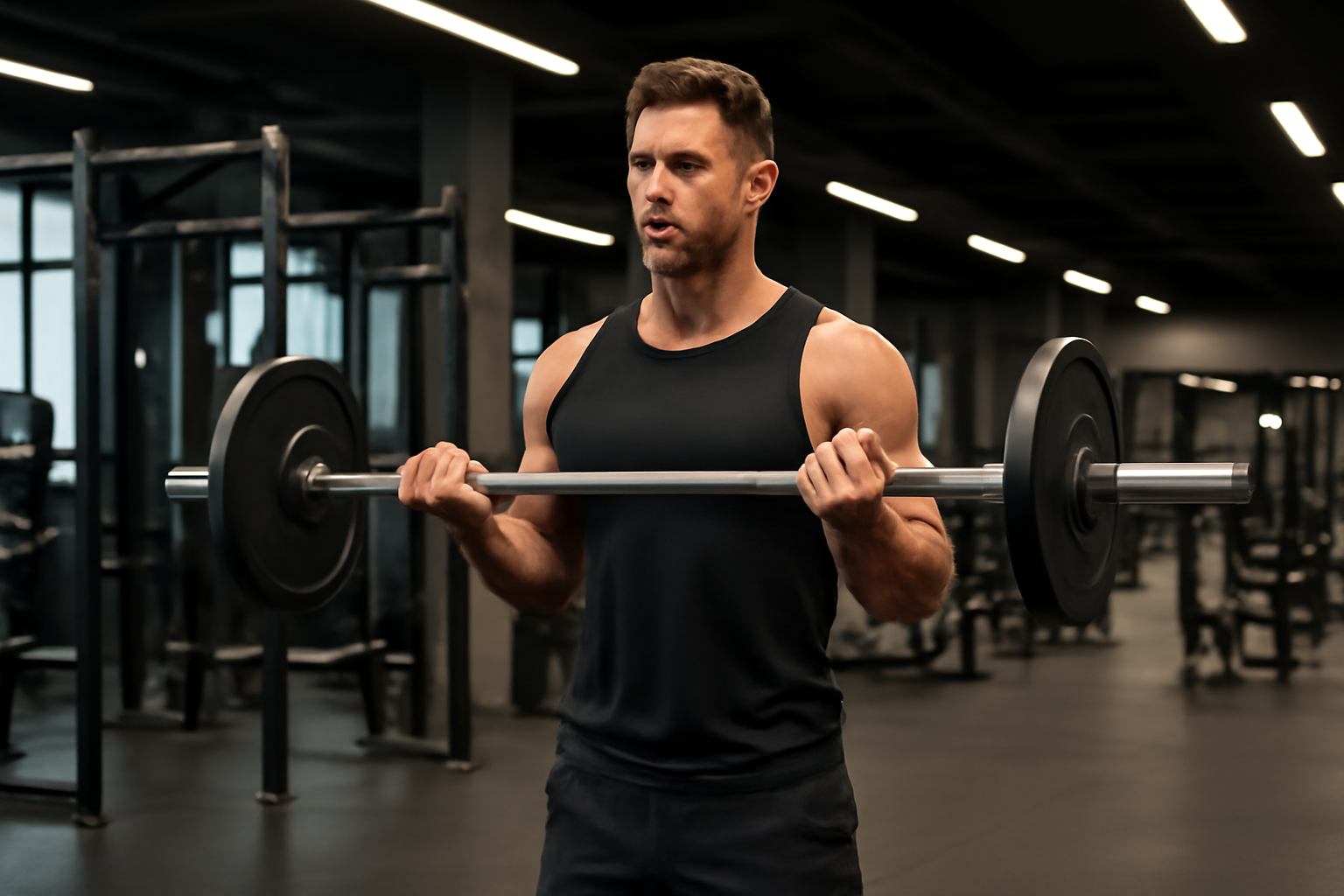

Here’s the truth most people ignore when they walk into the gym and head straight for the dumbbell rack: your triceps make up roughly two-thirds of your upper arm mass. Your biceps account for the other third. Yet I watch people hammer curl after curl while barely touching a tricep exercise. If you want bigger, more defined arms, you need to flip that script and train both muscle groups with intention. This arm workout guide gives you exactly that — a science-backed, structured approach to building the arms you’re actually after.
| Feature | EZ Curl Bar | Straight Barbell |
|---|---|---|
| Wrist strain | Reduces strain | Wreck wrists during heavy work |
| Grip angle | 25-degree angle bend | Fixed straight grip |
| Weight | Around 15 lbs | Lighter than EZ bar |
| Load adjustment needed | Drop 5–10 lbs from straight-bar weight | Baseline weight |
| Grip width flexibility | Fixed grip width | Allows closer/wider grip variations |
| Bicep tension quality | Better tension, less momentum | More momentum-dependent reps |
The Best Bicep Exercises
The biceps brachii has two heads — the long head and the short head — and they respond differently depending on the angle and grip you use. The long head sits on the outer side of your arm and contributes most to that peak you see when you flex. It’s best targeted with a supinated grip and your elbow slightly behind your torso, like in an incline curl. The short head runs along the inner arm and responds better when your elbows are in front of your body, like on a preacher bench. If you’re only doing one type of curl, you’re leaving half your bicep development on the table. These are the four bicep exercises I program for most of the people I train with.
The EZ Bar That Finally Fixed My Curl Form Without Wrist Pain
Straight barbells wreck my wrists during heavy curl work, and I spent years thinking that meant my joints were just weak. Then I realized the problem wasn’t me—it was the implement. An EZ curl bar shifts the angle and takes pressure off the wrist joint while actually letting you load more weight safely on the biceps.
What works
- The 25-degree angle bend reduces wrist strain immediately—I went from barely hitting 5 sets of 8 reps to doing 6 sets without joint discomfort
- You can actually grip it harder and pull with more intention, which translates to better bicep tension and less momentum-dependent reps
- The 47″ length fits standard Olympic collars perfectly and loads/unloads faster than fumbling with dumbbell pairs when you’re doing drop sets
What doesn’t
- It’s heavier than a straight bar (usually around 15 lbs), so you’ll need to drop 5-10 lbs from what you’d normally curl—but that’s actually a feature if your form was sloppy
- The grip width is fixed, so it won’t work for every hand size or variation you might want to test (straight bar still beats it for experimenting with closer/wider grips)
The first time I loaded it, I questioned whether the lighter weight would feel like I was “cheating”—then I felt the bicep contraction and realized I’d been half-repping with a straight bar the whole time. Get the Olympic EZ Curl Barbell Bar 47”.
Frequently Asked Questions
What percentage of arm mass comes from triceps?
Triceps make up roughly two-thirds of your upper arm mass, while biceps account for the other third. Most people focus too heavily on bicep work and neglect triceps, missing significant arm-building potential.
How do I target the long head of my biceps?
The long head responds best to a supinated grip with your elbow slightly behind your torso, like in an incline curl. This position targets the outer arm and develops the peak you see when flexing.
What’s the benefit of an EZ curl bar over a straight bar?
The 25-degree angle bend on an EZ curl bar reduces wrist strain during heavy curl work, letting you complete more reps per set safely. You can grip it harder and pull with more intention, improving bicep tension and form.
How much does a 47 inch Olympic EZ curl bar weigh?
A 47-inch Olympic EZ curl bar typically weighs around 15 lbs, which is heavier than a straight bar. You’ll need to drop 5-10 lbs from your normal straight-bar curl weight when switching to it.
About This Article

Written by Jordan Ellis. Jordan Ellis isn't a certified personal trainer — just someone who's been genuinely obsessed with training for over eight years and turned it into building smarter home gyms. He focuses on home fitness: effective training spaces, equipment that earns its price, and programs that work in a spare room or basement, not just a commercial gym. More about this site.
Scope and limits. Jordan is not a certified personal trainer, and nothing here is medical advice. Check with a physician before starting a new program, and prioritize form over load on every lift described.
Verify this against a primary source
Specifics change, and your situation may differ from the one described here. These are the authorities worth checking directly:
- Physical Activity Guidelines for Americans (HHS) — the federal physical activity guidelines
- American College of Sports Medicine — exercise prescription and position stands
- NSCA — strength and conditioning research