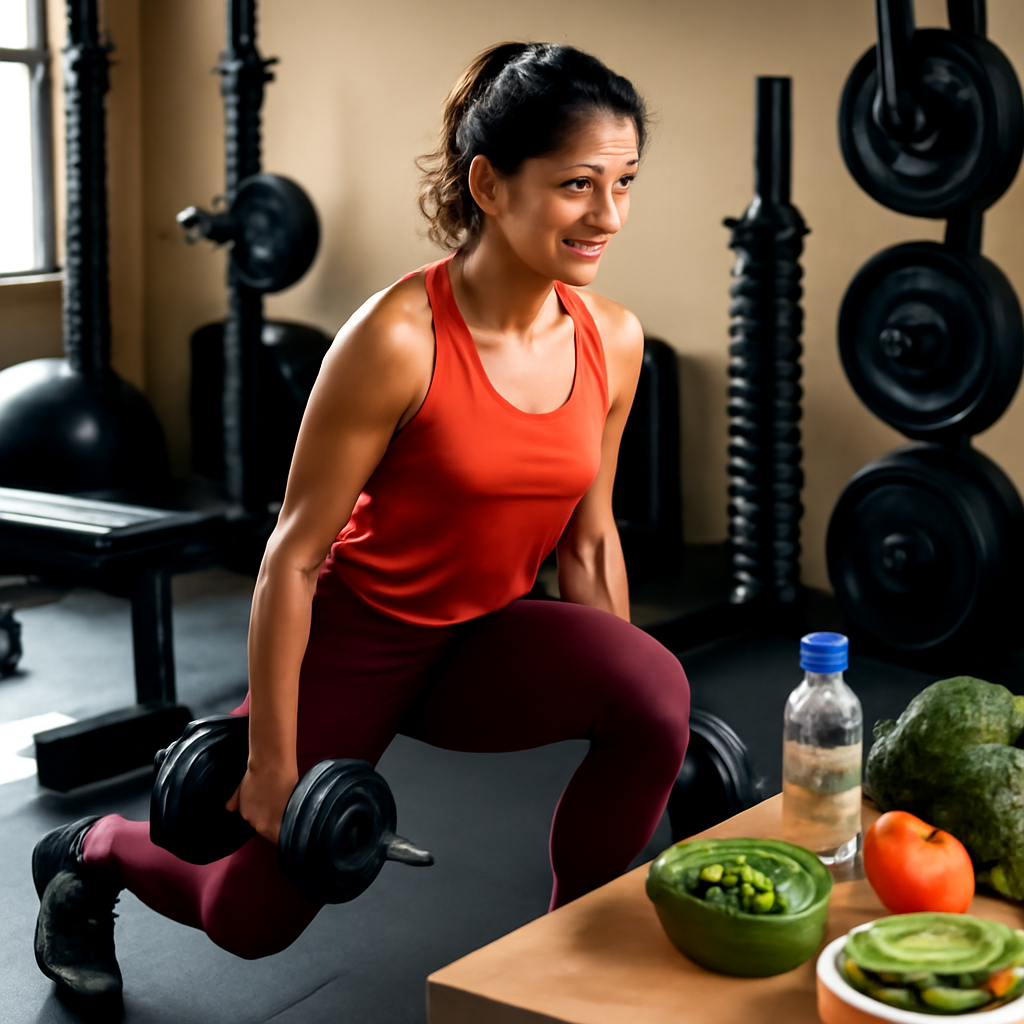
Building Your Perfect Home Workout Space
The first time I tried to train for a 5K, I went out too hard on day one, pulled something in my calf, and was off my feet for two weeks. Classic beginner mistake — and I made every one of them, including thinking I needed a full commercial gym setup just to get started. The truth I eventually learned is that building a home gym doesn’t require emptying your bank account or converting an entire room — you just need the right equipment. Start small, expand gradually, and focus on versatile pieces that support multiple exercises and fitness goals. That’s exactly what this guide covers: 25 essential items that can transform any space into an effective training area, without the rookie mistakes I made along the way.

Moreover, building your collection strategically helps you avoid buyer’s remorse. We’ve organized these essentials from foundational items to specialized equipment. This approach lets you prioritize purchases based on your budget and fitness objectives.
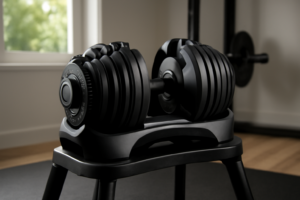
The One Thing That Actually Scales With Your Strength Without Buying 20 Dumbbells
I learned the hard way that fixed dumbbells in a home gym mean you either plateau because the weight is too light, or you can’t complete a set because you jumped to something too heavy. Adjustable dumbbells solve that problem in the space of a single rack.
What works
- You can drop weight mid-set or between exercises without walking to another corner of the room — that matters when you’re doing dropsets or when fatigue kicks in on rep 8 of a dumbbell press.
- The adjustment mechanism is fast enough that rest periods stay short, which keeps your heart rate up and saves serious time on compound movements like goblet squats and rows.
- They don’t waste floor space the way a full pyramid of fixed dumbbells does — critical when your home gym is literally a corner of your bedroom.
What doesn’t
- The selector dial can stick or skip a weight if you don’t seat it all the way, which I discovered mid-set when I thought I was grabbing 35 pounds and picked up 40.
- They’re heavier and bulkier than standard dumbbells at the same weight, so unilateral overhead work can feel awkward until you get used to the handle thickness and balance point.
I almost returned mine after that weight-selector fail — figured I’d wasted money on a gimmick — but I realized I just needed to slow down and fully engage the mechanism. That one change made all the difference. Grab a pair of adjustable dumbbells and you’ll have the most versatile piece of equipment in your entire setup.
This post contains affiliate links. As an Amazon Associate, I earn from qualifying purchases at no extra cost to you.

Written by Jordan Ellis
Jordan Ellis is a personal trainer with over eight years of experience helping everyday people get stronger and move better. He focuses on home fitness: effective training spaces, equipment that earns its price, and programs that work in a spare room or basement, not just a commercial gym.