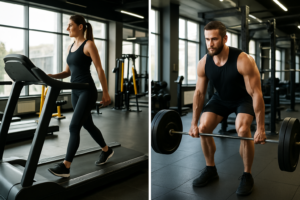

When I first assembled my home gym using nothing but a pair of dumbbells from a garage sale and a doorframe pull-up bar, something unexpected happened: I transformed physically over twelve months of dedicated training, yet the bathroom scale remained stubbornly unchanged. My workouts happened four times weekly, my nutrition was dialed in, and I felt measurably stronger and sharper — but that single digit on the display kept suggesting I was wasting my time. This disconnect shows up constantly in conversations with people pursuing fitness, and the explanation is straightforward: relying exclusively on scale weight to validate your progress is fundamentally misleading. This isn’t hyperbole — evidence-based research combined with real-world observation of people abandoning solid training programs because one metric refused to cooperate proves this point.
Why the Scale Lies to You (And Why That’s Not Your Fault)
The reason that number creates so much frustration comes down to what body weight actually measures. At any snapshot in time, your total weight comprises muscle tissue, fat tissue, water retention, food still moving through your digestive tract, muscle glycogen (your body’s stored carbohydrate reserves), and skeletal mass. Daily fluctuations of 2 to 5 pounds happen routinely based on hydration status, dietary sodium, hormonal shifts, and digestive transit. Menstruating individuals experience particularly dramatic monthly swings purely from hormonal influence.
The plot twist emerges when you commit to legitimate strength training — simultaneously exasperating and thrilling — you develop muscle tissue while shedding body fat at comparable rates. The scale reading plateaus or climbs, but your actual body composition (the proportion of lean mass relative to fat mass) undergoes dramatic positive change. You’re becoming stronger, leaner, and functionally healthier. Yet the scale provides no insight into this transformation because it quantifies only total weight, not the quality of that weight.
Tracking Meaningful Progress: Metrics That Actually Tell Your Story
Moving past scale obsession requires concrete alternatives. These are the measurement approaches I guide the people I train with toward, alongside methods I employ in my own training. Implementing several of these concurrently will make your progress feel tangible and real — because the changes you’re making genuinely are substantial.
1. Circumference Measurements
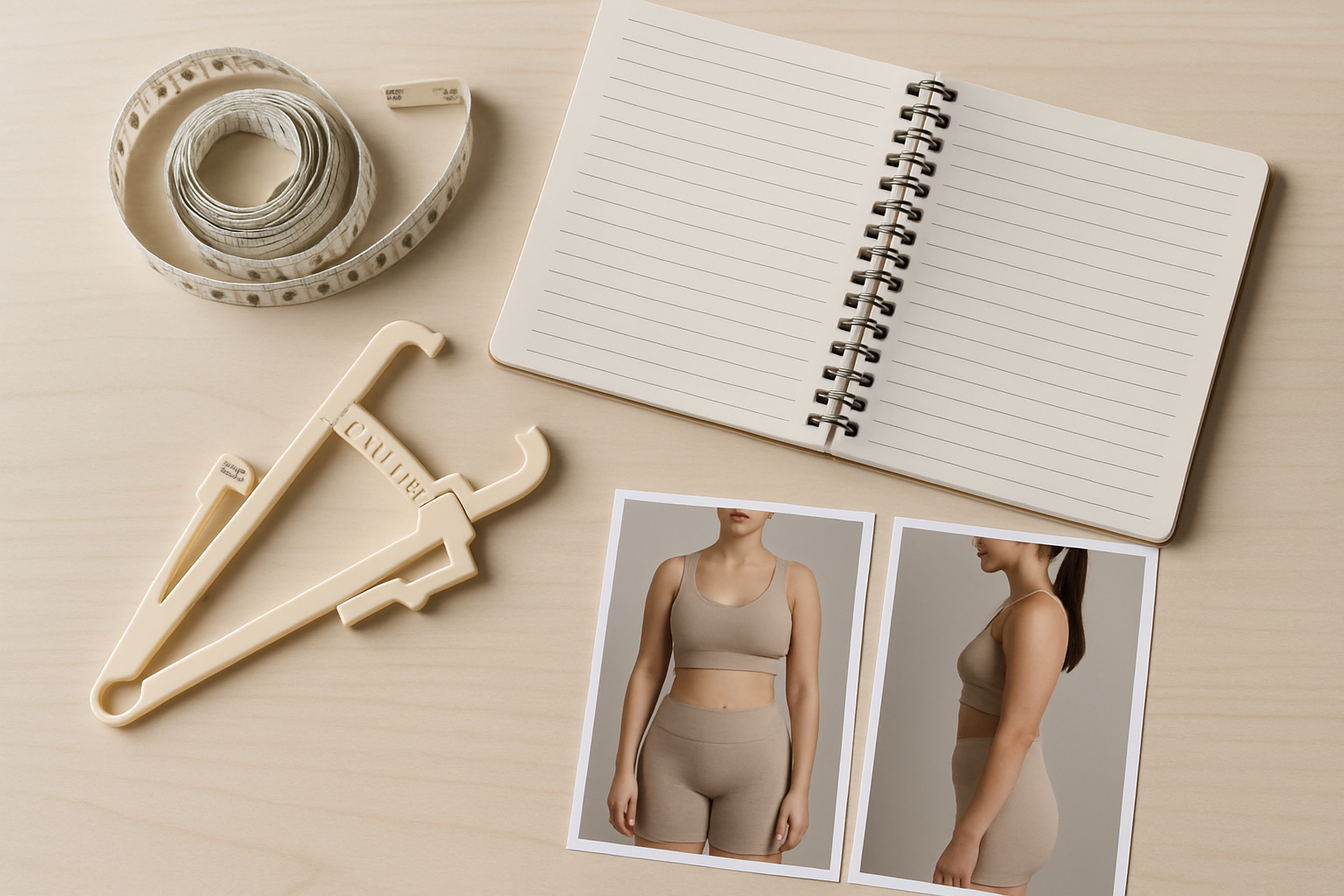
Use a soft measuring tape to record circumference at your waist, hips, chest, arms, and thighs. This approach reveals exactly which body regions are transforming. A reduction in waist circumference represents genuine progress even when scale weight plateaus. Record measurements at consistent intervals — I suggest every two to four weeks at the same moment of day, before food intake, and following bathroom use.
2. Body Fat Percentage Tracking
Understanding your body fat percentage delivers substantially clearer insight than weight alone into your actual composition. Skinfold calipers represent an economical, accessible method for estimating body fat from your residence — you compress the skin at designated locations (usually tricep, midsection, and upper thigh) and consult a corresponding chart with your measurements. The technique requires some repetition to master, yet it becomes faster and more dependable with familiarity.
3. Performance Improvements
Can you handle heavier loads than twelve weeks prior? Has your mile time decreased? Are you completing more consecutive pull-ups? Advancement in strength and conditioning serves as reliable confirmation that your programming works. Documenting these gains provides substantial motivation because observing your physical capabilities expand over weeks and months stands as one of training’s most rewarding experiences. Make this tracking a priority.
4. Before-and-After Imagery
Capture photographs from front, side, and rear angles under matching lighting conditions, wearing identical attire, at the same daily moment every two to four weeks. Visual comparison reveals physical changes that measurements and tactile feedback might overlook — postural shifts, increased muscular definition, general body leanness. Individuals frequently express surprise viewing their documented transformation even when subjectively believing minimal change occurred.
5. Fit and Feel of Clothing
This straightforward assessment cuts through ambiguity. When trousers become looser at the waist yet snugger across the posterior and leg musculature, body recomposition is underway — simultaneous fat loss and muscle development in advantageous regions. Designate a couple of garments as your measurement standard and assess the fit regularly.
6. Subjective Wellness Markers
These indicators often receive insufficient attention despite their significance as fitness indicators. Deeper sleep, steadier daytime vitality, lower anxiety levels, and enhanced emotional stability all accompany improvements in cardiovascular capacity, metabolic health, and inflammation reduction. Feeling markedly better compared to sixty days prior definitively constitutes genuine advancement — no qualification required.
Home-Based Tools for Accurate Progress Assessment
Monitoring body composition and fitness gains doesn’t require commercial gym access or pricey instruments. The following tools deliver genuine value for home-based assessment:
Calipers: Revealing Body Composition the Scale Ignores
When your objective centers on body composition transformation—simultaneous fat reduction and muscle maintenance or gain—calipers unveil facts the scale conceals. I spent years dismissing them as awkward and unreliable, yet they delivered crucial information I’d have missed: during my initial dumbbell phase, I shed 8 pounds of fat tissue while simultaneously adding 6 pounds of muscle mass.
Advantages
- Repeated application using identical methodology matters far more than absolute precision—when you pinch the same spots with the same person handling measurements, you detect actual shifts in composition that remain completely invisible to the scale.
- An integrated tape measure enables independent tracking of chest, waist, and arm changes; I’ve seen friends whose waists shrank by half an inch despite unchanged total weight, and that tape became their proof of genuine transformation.
- The cost eliminates financial barriers—spending less than you would on two weeks’ worth of daily coffee purchases gives you equipment that requires ninety seconds and eliminates the excuse of unaffordability compared to professional DEXA analysis.
Limitations
- Developing proficiency in the pinch technique demands repetition; during my first few weeks I was applying excessive pressure or positioning at slightly inconsistent angles, rendering early measurements unreliable until I developed consistent technique.
- When carrying substantial body fat or possessing minimal fat stores, the three-location assessment formula becomes inaccurate and may produce results that feel considerably off—tracking directional change proves more useful than absolute values.
I nearly threw mine in a drawer after week two because the numbers seemed random, but then I realized I wasn’t being consistent with hand placement—the moment I locked in a repeatable spot, the trend became obvious. Grab the MEDca Body Fat Caliper and Measuring Tape and commit to weekly checks at the same time of day.
Frequently Asked Questions
Can you build muscle while losing fat on the scale?
Yes. You can develop muscle tissue while shedding body fat at comparable rates, causing the scale to plateau or climb while your body composition improves dramatically. This happened during my initial dumbbell phase—I shed 8 pounds of fat while adding 6 pounds of muscle mass simultaneously, yet total weight remained unchanged.
How often should I take circumference measurements?
Record measurements every two to four weeks at the same moment of day, before food intake, and following bathroom use. Using a soft measuring tape on your waist, hips, chest, arms, and thighs reveals exactly which body regions are transforming, even when scale weight plateaus.
Why do body fat calipers work better than scales?
Calipers reveal body composition changes the scale conceals. Repeated application using identical methodology detects actual shifts in fat and muscle that remain completely invisible to total weight. Consistency with hand placement matters far more than absolute precision for tracking meaningful progress.
What wellness changes indicate real fitness progress?
Deeper sleep, steadier daytime vitality, lower anxiety levels, and enhanced emotional stability all accompany improvements in cardiovascular capacity and metabolic health. Feeling markedly better compared to sixty days prior definitively constitutes genuine advancement without requiring any other metrics.
About This Article

Written by Jordan Ellis. Jordan Ellis isn't a certified personal trainer — just someone who's been genuinely obsessed with training for over eight years and turned it into building smarter home gyms. He focuses on home fitness: effective training spaces, equipment that earns its price, and programs that work in a spare room or basement, not just a commercial gym. More about this site.
Scope and limits. Jordan is not a certified personal trainer, and nothing here is medical advice. Check with a physician before starting a new program, and prioritize form over load on every lift described.
Verify this against a primary source
Specifics change, and your situation may differ from the one described here. These are the authorities worth checking directly:
- Physical Activity Guidelines for Americans (HHS) — the federal physical activity guidelines
- American College of Sports Medicine — exercise prescription and position stands
- NSCA — strength and conditioning research