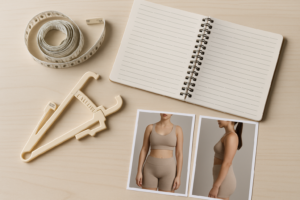

Can you actually drop fat and pack on muscle at the same time, or is that one of those fitness myths that sounds too good to be true? The straightforward answer: yes, it’s genuinely achievable—and it doesn’t require the extreme either-or mentality that dominated fitness advice for decades. The trick is understanding what your body actually needs and structuring your training and eating around those principles. If you’re starting from scratch, returning to the gym after months away, or stuck watching the scale refuse to budge while your strength plateaus, the framework in this post will clarify exactly what body recomposition demands and how to execute it.
What Is Body Recomposition and Why Is It So Hard to Pull Off?
At its core, body recomposition refers to an intentional shift in your body’s composition—reducing the amount of adipose tissue you carry while simultaneously building skeletal muscle mass. On the surface, this seems contradictory because the metabolic environments that favor each process appear opposed. Shedding fat mass typically demands eating in a calorie deficit (consuming fewer calories than your expenditure), whereas accumulating muscle tissue ordinarily requires a calorie surplus (consuming more calories than you burn). Yet the mechanism for accomplishing both in parallel exists, and understanding it changes how you approach nutrition and programming.
The pathway forward involves three interdependent elements: targeted protein intake, intelligent resistance training, and a realistic timeline. Body recomposition won’t get you to either goal faster than a dedicated cut or bulk would, but it delivers something more sustainable—tangible improvements in how your body looks and performs without the cyclical phases of feeling overstuffed or underfed that characterize traditional periodized approaches.
The Science Behind Body Recomposition: Lose Fat and Gain Muscle at the Same Time
The Protein Powder That Actually Fits a Recomposition Diet
Achieving recomposition hinges on relentless protein consistency—yet most powders pack sugar and fillers that work directly against your fat-loss objectives. What I needed was something stripped down enough to support my macronutrient targets without compromising the calorie-deficit component of the equation.
What works
- High protein yield per serving—25g of amino acids against minimal carbohydrate content lets you satisfy protein requirements without inflating your daily calorie total.
- Dissolves cleanly and stays mixed, making post-session consumption friction-free on days when you’re pressed for time and tempted to skip the shake.
- The Cinna Crunch variant genuinely tastes like dessert rather than a powder compromise—transformed my shake sessions from obligatory to something I’d actually reach for.
What doesn’t
- It commands a premium per-serving cost compared to mass-market alternatives, which compounds if you’re consuming multiple servings weekly.
- The formulation relies on artificial sweeteners—if you’re sensitive to these additives, this product warrants serious consideration before purchase, as I discovered firsthand during a training day.
I almost ditched this for a cheaper option three months in, thinking the cost wasn’t worth the marginal difference—but tracking my recomposition progress showed my consistency with protein climbed the week I committed to stocking it. Grab the Musclesport Lean Whey Revolution in Protella and stop treating protein intake like a chore.
Frequently Asked Questions
Can you lose fat and gain muscle at the same time?
Yes, body recomposition is genuinely achievable. It involves reducing adipose tissue while building skeletal muscle mass simultaneously. This requires three interdependent elements: targeted protein intake, intelligent resistance training, and a realistic timeline. However, it won’t get you to either goal faster than a dedicated cut or bulk would.
Why does body recomposition seem contradictory?
Fat loss typically demands a calorie deficit, while muscle gain ordinarily requires a calorie surplus. These metabolic environments appear opposed on the surface. However, the mechanism for accomplishing both in parallel exists when you understand the right approach to nutrition and programming.
How much protein should I target for body recomposition?
The article emphasizes relentless protein consistency as essential for recomposition but doesn’t specify an exact daily target. It recommends finding a high-protein powder delivering at least 25g of amino acids per serving with minimal carbohydrate content to support your macronutrient targets without inflating your daily calorie total.
Is body recomposition faster than bulking or cutting?
No, body recomposition won’t get you to either goal faster than a dedicated cut or bulk would. However, it delivers something more sustainable—tangible improvements in how your body looks and performs without the cyclical phases of feeling overstuffed or underfed that characterize traditional periodized approaches.
About This Article

Written by Jordan Ellis. Jordan Ellis isn't a certified personal trainer — just someone who's been genuinely obsessed with training for over eight years and turned it into building smarter home gyms. He focuses on home fitness: effective training spaces, equipment that earns its price, and programs that work in a spare room or basement, not just a commercial gym. More about this site.
Scope and limits. Jordan is not a certified personal trainer, and nothing here is medical advice. Check with a physician before starting a new program, and prioritize form over load on every lift described.
Verify this against a primary source
Specifics change, and your situation may differ from the one described here. These are the authorities worth checking directly:
- Physical Activity Guidelines for Americans (HHS) — the federal physical activity guidelines
- American College of Sports Medicine — exercise prescription and position stands
- NSCA — strength and conditioning research