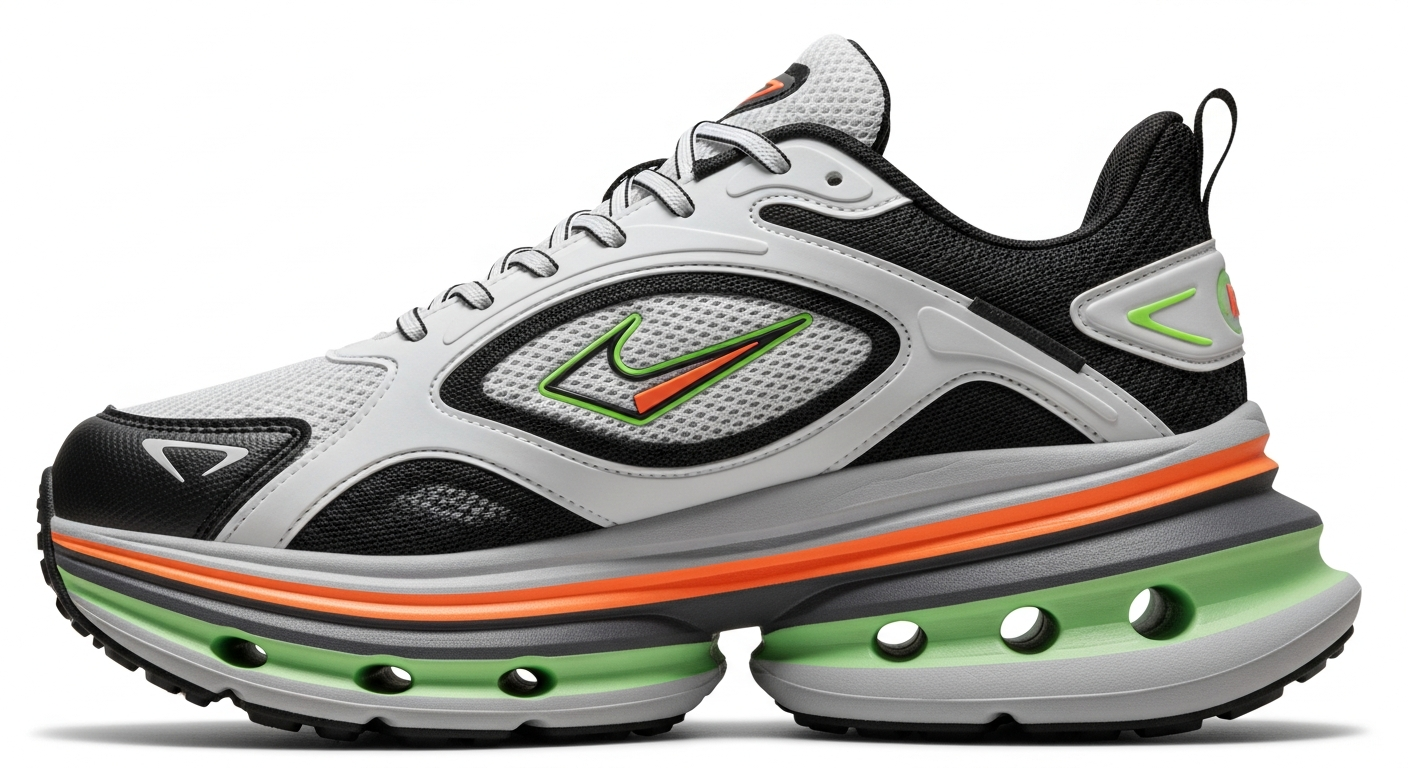

Right now, my morning routine includes lacing up a pair of shoes specifically chosen to protect my feet before I even think about running — a shift I made after realizing that heel pain doesn’t discriminate between serious athletes and casual movers. The discovery that poor footwear can derail training entirely came through lived experience: what starts as minor discomfort transforms into the kind of sharp, shooting sensation in your heel that makes you wince before your first cup of coffee. Plantar fasciitis — inflammation of the thick band of tissue that runs from your heel to your toes — doesn’t just hurt; it rewires how you move, how you think about movement, and whether you even want to run at all. The tissue involved, called the plantar fascia, bears tremendous load with every stride, and when it’s irritated, that load becomes unbearable. The right pair of shoes can be the difference between staying sidelined and getting back to the miles you actually enjoy. This post breaks down what separates shoes that genuinely help from shoes that just claim to, and highlights specific models that deliver on that promise.
| Footwear Type | Arch Support | Heel Cup | Suitability for Pavement Running |
|---|---|---|---|
| Generic trainers | Collapses under demands | Not mentioned | Inadequate |
| Plantar fasciitis running shoes | Maintains integrity throughout run | Structured; prevents excessive motion | Designed to help |
The Shoes That Finally Let Me Run Through the Pain Instead of Around It
When the plantar fascia is inflamed, running shoes aren’t optional — they’re survival gear. Generic trainers work fine for casual walking around your home, but they collapse under the demands of pavement running and leave your arch without the reinforcement it desperately needs.
The advantages you’ll notice
- Arch support maintains its integrity for the entire duration of your run, holding strong when your foot would otherwise start to flatten
- That initial step when you get out of bed stops feeling like you’re putting pressure on an open wound, which restores some normalcy to your day
- A structured heel cup prevents excessive foot motion, so your stride stays efficient and you’re not forcing your calf and ankle to compensate on every single step
The trade-offs to expect
- The construction is stiffer than what you’d find in typical running shoes when brand new — budget 2–3 runs for the shoe to adapt to your foot, not the other way around
- Your wallet takes a hit with the price, which feels expensive until you do the math on what three months of lost running time actually costs you
I almost ditched them after that first stiff run, convinced they’d made things worse before they got better. But the next morning, that stabbing heel pain was noticeably quieter, and by week two I could actually push the pace again. That’s when I knew I’d found what I actually needed — not another guess, but a real solution. Grab a pair of running shoes for men and women designed with plantar fasciitis in mind.
Frequently Asked Questions
How long does it take plantar fasciitis shoes to feel better?
You should notice improvement within about a week. The stabbing heel pain becomes noticeably quieter by the next morning, and by week two you can typically push the pace again. Budget 2–3 runs for the shoe to adapt to your foot initially, since the construction is stiffer than typical running shoes when brand new.
What does plantar fasciitis feel like when running?
Plantar fasciitis causes sharp, shooting sensations in your heel that can make you wince before your first cup of coffee. The inflammation of the thick band of tissue running from your heel to your toes can feel like putting pressure on an open wound with every step, rewiring how you move and whether you want to run at all.
Do running shoes help plantar fasciitis pain?
Yes. Running shoes with proper arch support and a structured heel cup are survival gear when the plantar fascia is inflamed. They maintain arch integrity throughout your run, prevent excessive foot motion, and reduce compensatory strain on your calf and ankle, stopping that initial step from feeling like pressure on an open wound.
What features should plantar fasciitis running shoes have?
Look for shoes with strong arch support that maintains integrity for the entire duration of your run and a structured heel cup that prevents excessive foot motion. These features keep your foot from flattening mid-run and maintain stride efficiency without forcing your calf and ankle to compensate.
About This Article

Written by Jordan Ellis. Jordan Ellis isn't a certified personal trainer — just someone who's been genuinely obsessed with training for over eight years and turned it into building smarter home gyms. He focuses on home fitness: effective training spaces, equipment that earns its price, and programs that work in a spare room or basement, not just a commercial gym. More about this site.
Scope and limits. Jordan is not a certified personal trainer, and nothing here is medical advice. Check with a physician before starting a new program, and prioritize form over load on every lift described.
Verify this against a primary source
Specifics change, and your situation may differ from the one described here. These are the authorities worth checking directly:
- Physical Activity Guidelines for Americans (HHS) — the federal physical activity guidelines
- American College of Sports Medicine — exercise prescription and position stands
- NSCA — strength and conditioning research