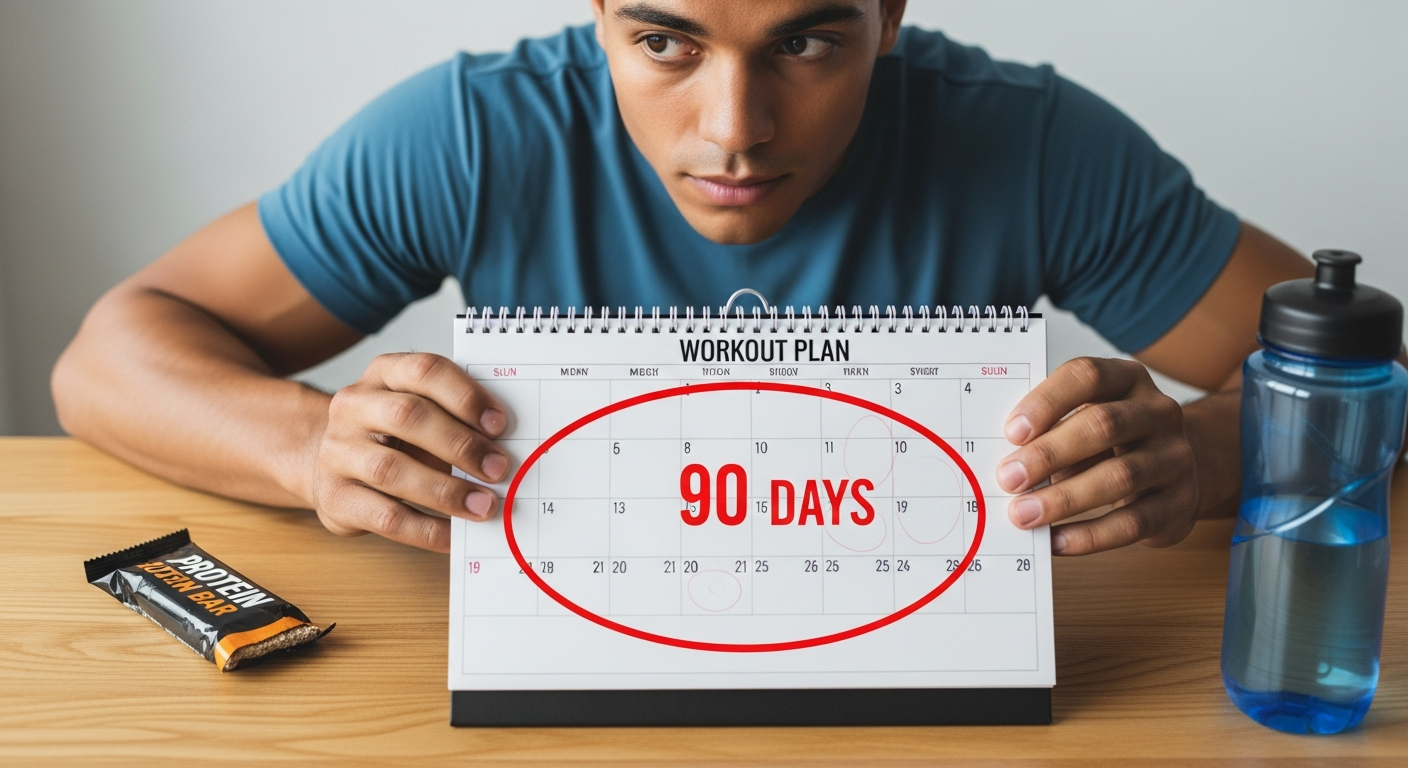

I own a pull-up bar that cost less than a single month of gym dues, yet it sits unused most weeks—not because the equipment failed, but because P90X’s reliance on strict pull-up and chin-up work exposed a hard truth about home training that Tony Horton’s 1990s infomercials never addressed. When P90X dominated late-night television, it offered something revolutionary for its time: a complete, structured 90-day blueprint that promised real results without leaving your living room. The program’s intensity and simplicity made home fitness accessible to millions, turning workout tapes into a mainstream conversation. Yet the fitness landscape has shifted beneath it—streaming platforms now flood you with options, equipment has become smarter and more specialized, and the barriers to finding guidance have basically disappeared. The relevant question today isn’t whether P90X works, but whether it still makes sense when your alternatives have expanded so dramatically.
The Pull-Up Bar That Finally Made Home Bodyweight Training Viable
The program’s heavy emphasis on pull-ups and chin-ups runs into a practical wall for many home setups: most doorway pull-up bars either wobble under load or won’t fit the frame properly. I’ve spent considerable time troubleshooting workarounds, only to realize that constantly adapting someone else’s program defeats the purpose of having a structured plan in the first place.
Where they shine
- Requires minimal floor real estate and goes up without tools or permanent wall damage—essential if you move frequently or live in a space where you can’t drill holes.
- Handles explosive movement patterns without wobble or noise, even on doorframes that seem too narrow; stability under dynamic load keeps your form tight.
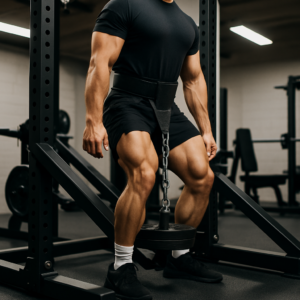
- Supports progression through weighted movements—add a belt and plates or loop resistance bands around your legs, so the tool grows with your strength instead of becoming useless after a few months.
Where they fall short
- Doorframe compatibility is make-or-break; frames wider than the bar’s maximum reach won’t work safely, and no amount of adjustment fixes a bad fit.
- Install and remove every session if you don’t want it hanging permanently; that friction adds up if convenience matters more than flexibility.
I almost returned mine after the first install when it felt wobbly on my doorframe — turned out I’d installed the pads backward, which was embarrassing but actually proved how sensitive the fit is. Since correcting that, it’s been bulletproof through hundreds of reps. Pick up a doorway pull-up bar if pull-ups are non-negotiable for your home program.
Frequently Asked Questions
Does P90X still work compared to modern home workout programs?
P90X works, but the question today is whether it makes sense when your alternatives have expanded so dramatically. Streaming platforms now flood you with options, equipment has become smarter and more specialized, and the barriers to finding guidance have basically disappeared, making it one choice among many rather than the revolutionary option it once was.
What’s the main problem with P90X pull-up bar requirements?
Most doorway pull-up bars either wobble under load or won’t fit the frame properly. This practical wall for many home setups means you end up constantly adapting someone else’s program, which defeats the purpose of having a structured plan in the first place.
Can doorway pull-up bars handle weighted pull-ups?
Yes, doorway pull-up bars support progression through weighted movements. You can add a belt and plates or loop resistance bands around your legs, so the tool grows with your strength instead of becoming useless after a few months.
Are doorway pull-up bars good for renters?
Doorway pull-up bars require minimal floor real estate and go up without tools or permanent wall damage, making them essential if you move frequently or live in a space where you can’t drill holes. They work across multiple rental apartments without losing grip stability.
About This Article

Written by Jordan Ellis. Jordan Ellis isn't a certified personal trainer — just someone who's been genuinely obsessed with training for over eight years and turned it into building smarter home gyms. He focuses on home fitness: effective training spaces, equipment that earns its price, and programs that work in a spare room or basement, not just a commercial gym. More about this site.
Scope and limits. Jordan is not a certified personal trainer, and nothing here is medical advice. Check with a physician before starting a new program, and prioritize form over load on every lift described.
Verify this against a primary source
Specifics change, and your situation may differ from the one described here. These are the authorities worth checking directly:
- Physical Activity Guidelines for Americans (HHS) — the federal physical activity guidelines
- American College of Sports Medicine — exercise prescription and position stands
- NSCA — strength and conditioning research