The Runner’s Guide to Chiropractic Care: Preventing Injuries and Enhancing Performance

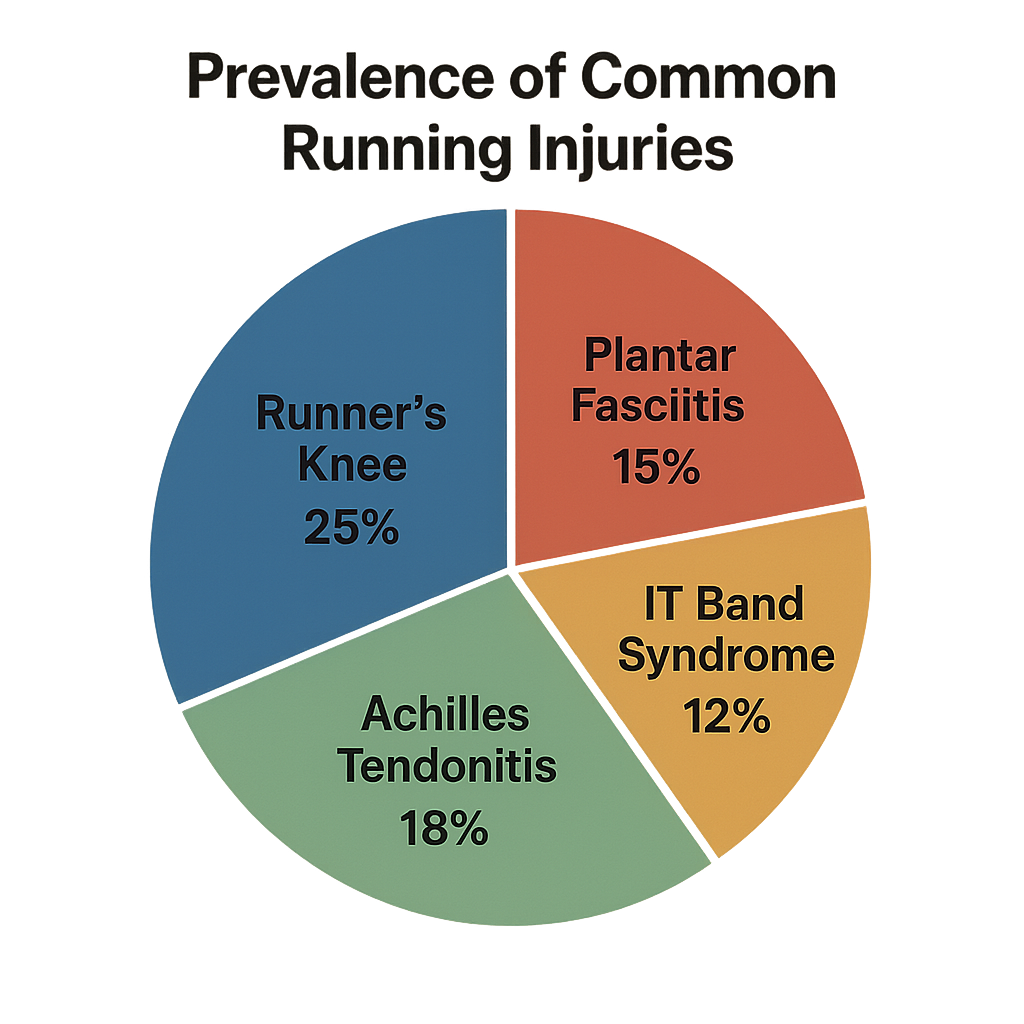
Pie chart illustrating the prevalence of common running injuries, with slices for Runner's Knee (25%), Plantar Fasciitis (15%), IT Band Syndrome (12%), Shin Splints (10%), Achilles Tendinitis (10%), and Other (28%)

I spent two years paying a personal trainer $75 an hour before I finally started asking the questions that actually mattered — not about my split times or my VO2 max, but about why my body kept breaking down no matter how disciplined I was. Like a lot of runners, I had leaned hard on rest, new shoes, and sheer willpower to push through the nagging hip pain, tight IT bands, and lower back stiffness that seemed woven into my training cycle. It wasn’t until a fellow runner at a local 10K mentioned her chiropractor that I started to understand something I’d been missing: running places enormous structural stress on the body, and addressing that stress at the source — the spine and its relationship to how everything else moves — can be the difference between chronic injury and peak performance. That conversation sent me down a path I wish I’d found far sooner, and it’s exactly what this guide is about.

What I Recommend

I use resistance bands with every runner I work with to build stabilizer strength around the hips, glutes, and rotator cuff. These are non-negotiable for injury prevention—they target the exact weak points that lead to compensation patterns and overuse injuries. Get a quality set and you’ll have everything you need for activation work before runs and strength maintenance on off days.

A quality foam roller is one of the most effective self-recovery tools I recommend to runners. Daily foam rolling reduces muscular tension, improves tissue quality, and helps prevent the kind of tightness that throws off your alignment and puts stress on your spine. I’ve seen dramatic improvements in my clients’ pain levels once they commit to consistent rolling.

The spine corrector posture barrel is excellent for runners who need to actively improve spinal extension and core stability. This tool targets the exact areas—your thoracic spine and anterior core—that runners typically neglect, and it integrates perfectly into a chiropractic-backed injury prevention routine.

An exercise stability ball belongs in every runner’s training setup for core strengthening and spinal stability work. I program my runners on these regularly because they force your deep stabilizers to engage, which directly translates to better running mechanics and fewer impact-related injuries.

While I’m not a huge fan of relying on posture braces long-term, a quality posture corrector can be useful as a training tool to teach your nervous system proper spinal alignment. Use it for 20-30 minutes daily while doing chiropractic exercises—think of it as biofeedback, not a permanent fix.

Runners dealing with neck tension from forward posture benefit significantly from a cervical traction pillow for recovery nights. This decompresses your cervical spine after long runs and helps undo the postural stress that accumulates from sitting and running with poor upper body alignment.

A thick, non-slip yoga mat is essential for doing the mobility and stability work I prescribe in this guide. You’ll be doing a lot of floor-based exercises, and a quality mat protects your joints and gives you better contact with the ground for proper form.

I use door anchor resistance bands for runners who need to strengthen external rotators and posterior chain muscles at home. They’re incredibly versatile and let you target stabilizer muscles that prevent the hip and knee problems that plague distance runners.

A resistance band stretching strap makes dynamic stretching and mobility work far more effective than static stretching alone. I program these into warm-ups and cool-downs because they help maintain range of motion while improving neuromuscular control—exactly what your spine needs.

A reusable heating pad is a practical recovery tool for runners dealing with stiffness in the lower back or hips. I recommend heat before mobility work to reduce muscle guarding and improve tissue extensibility, which enhances the benefits of your chiropractic exercises.

For evidence-based guidance on chiropractic exercises specifically designed for runners, a chiropractic exercise and rehabilitation guide is worth having as a reference. You’ll get detailed progressions and modifications that complement everything discussed in this post.

Yoga blocks are underrated tools for runners who struggle with mobility or need modifications during stabilization work. I use them constantly to help clients access proper form in key movements, which is critical when you’re rehabbing or preventing spinal issues.

A reusable gel ice pack should be in every runner’s recovery kit for managing inflammation after hard workouts or when you’re dealing with acute soreness. Ice reduces swelling and pain, which gives you better mobility for the corrective exercises that actually fix underlying alignment issues.

As an Amazon Associate, I earn from qualifying purchases.

For runners, maintaining this structure is not just about avoiding back pain. It is about ensuring your entire body moves efficiently and safely. Consequently, proactive chiropractic care can become a cornerstone of both injury prevention and performance enhancement, keeping you on the road and chasing new personal records.

A fit person in athletic wear performing dynamic leg stretches on a paved path, with one leg extended forward in a deep lunge position. The scene is set in a peaceful urban park during golden hour sunrise, with soft warm light filtering through tall trees creating dappled shadows on the ground. In t

Understanding Common Running Injuries

Most running injuries are not caused by a single dramatic event. Instead, they often develop over time from repetitive stress and subtle imbalances. Your body is a kinetic chain, meaning that a problem in one area can create issues elsewhere. For example, a slight misalignment in your hips can force your knee and ankle to compensate, leading to strain and inflammation.

Some of the most frequent complaints among runners include:

  • Runner’s Knee (Patellofemoral Pain Syndrome): A dull pain around the front of the kneecap.
  • Plantar Fasciitis: Sharp, stabbing pain in the bottom of the foot, especially in the morning.
  • IT Band Syndrome: Pain on the outside of the knee, caused by an inflamed iliotibial band.
  • Shin Splints: Pain along the inner edge of the shinbone.
  • Achilles Tendinitis: Inflammation of the tendon connecting the calf muscle to the heel.

Research consistently shows how common these issues are. Source In fact, experts find that a significant percentage of runners face an injury each year . These statistics highlight the need for a proactive approach to body maintenance.

Pie chart illustrating the prevalence of common running injuries, with slices for Runner's Knee (25%), Plantar Fasciitis (15%), IT Band Syndrome (12%), Shin Splints (10%), Achilles Tendinitis (10%), and Other (28%)

How Chiropractic Care Prevents Injuries

A chiropractor’s primary tool is the spinal adjustment, a precise and gentle force applied to a joint to restore proper movement. For runners, the benefits extend far beyond the spine. A well-aligned body is a resilient body, better equipped to handle the demands of training.

Correcting Biomechanical Imbalances

Your spine houses the central nervous system, which coordinates all movement and function. When vertebrae are misaligned (a condition called subluxation), it can interfere with nerve signals and disrupt your body’s biomechanics. A chiropractor identifies and corrects these misalignments. For instance, an adjustment can level the pelvis, which ensures your leg length is functionally even. This simple correction prevents one side of your body from absorbing more impact, reducing the risk of overuse injuries in the hips, knees, and ankles. A balanced body distributes stress evenly, which is fundamental for injury prevention.

Furthermore, proper alignment allows your joints to move through their full range of motion. Tight hips or a stiff lower back can shorten your stride and force other muscles to overwork. Chiropractic care helps unlock this mobility. As a result, your running form becomes more fluid and efficient, placing less strain on vulnerable tissues like tendons and ligaments. This improved movement pattern is a key factor in long-term running health.

Addressing Soft Tissue and Muscular Issues

Modern chiropractors do more than just adjust the spine. Many are skilled in soft tissue therapies that directly address the muscles and fascia that support your joints. Techniques like Active Release Technique (ART) or the Graston Technique break down scar tissue and adhesions. These adhesions often form in response to repetitive micro-trauma from running. By releasing them, chiropractors can restore muscle flexibility and reduce chronic tightness. For example, targeted work on the calf muscles and plantar fascia can be incredibly effective for treating and preventing plantar fasciitis. This comprehensive approach ensures that both the skeletal structure and the muscular system are working together harmoniously.

Close-up view of a healthcare professional's hands gently applying therapeutic pressure to an athlete's lower leg muscle. The scene shows skilled manual therapy techniques being performed on a runner's calf, with focused lighting highlighting the precise hand positioning and gentle stretching motion

Enhancing Your Running Performance

Beyond just keeping you injury-free, chiropractic care can actively make you a better runner. When your body operates without biomechanical restrictions, it can perform at its peak potential. This translates into tangible improvements in your speed, endurance, and overall running experience.

One of the most significant benefits is improved neuromuscular function. The nervous system controls muscle activation and coordination. Proper spinal alignment ensures that nerve signals travel from your brain to your muscles without interference. This leads to faster muscle response times and more powerful contractions. Essentially, your body can recruit muscle fibers more effectively, which generates more power with each stride. Over time, this efficiency can lead to faster race times and a lower perceived effort at the same pace.

Additionally, chiropractic adjustments can improve your breathing mechanics. The nerves that control your diaphragm—the primary muscle for breathing—exit from the mid-back and neck. Misalignments in these areas can hinder diaphragm function, leading to shallower breathing. By restoring proper alignment, a chiropractor can help ensure your diaphragm works optimally. Consequently, you can take in more oxygen with each breath. This improved oxygen uptake boosts endurance and helps you fight off fatigue during long runs or intense workouts.

What to Expect on Your First Visit

If you are new to chiropractic care, the process is straightforward and patient-centered. Your first visit typically begins with a thorough consultation. The chiropractor will ask about your running history, training volume, and any specific pains or goals you have. This conversation helps them understand your unique needs as an athlete.

Next, they will perform a comprehensive physical examination. This may include assessing your posture, checking your range of motion, and performing orthopedic tests. They might also analyze your gait to observe your running mechanics firsthand. This detailed evaluation allows the chiropractor to identify the root cause of any issues, rather than just treating the symptoms. Based on these findings, they will develop a personalized treatment plan. This plan will likely include spinal adjustments, soft tissue work, and specific exercises or stretches you can do at home to support your progress. The goal is to create a partnership focused on your long-term health and performance.

Conclusion: A Proactive Step for Every Runner

Running is a journey of continuous improvement and self-discovery. To enjoy it for years to come, you must invest in your body’s maintenance. Chiropractic care offers a powerful, non-invasive way to support your running goals. It focuses on optimizing your body’s natural structure and function, which is the foundation of both injury prevention and peak performance.

By correcting biomechanical imbalances, improving nerve function, and increasing mobility, chiropractic care helps you build a more resilient and efficient running body. Therefore, consider it not as a last resort for when you are injured, but as a proactive strategy to stay healthy, run stronger, and continue pursuing your passion for the long haul.

Lucy Bamboo

Written by Lucy Bamboo

Lucy Bamboo is a NASM-certified personal trainer (CPT) and corrective exercise specialist (CES) with over 12 years of experience coaching clients through injury recovery, strength building, and sustainable fitness. She holds a B.S. in Kinesiology and has worked in both clinical rehabilitation and private training settings. Lucy writes at Push Pull Ya'll to make evidence-based exercise guidance accessible to everyone — whether you're rehabbing a shoulder injury at home or building your first real training program.