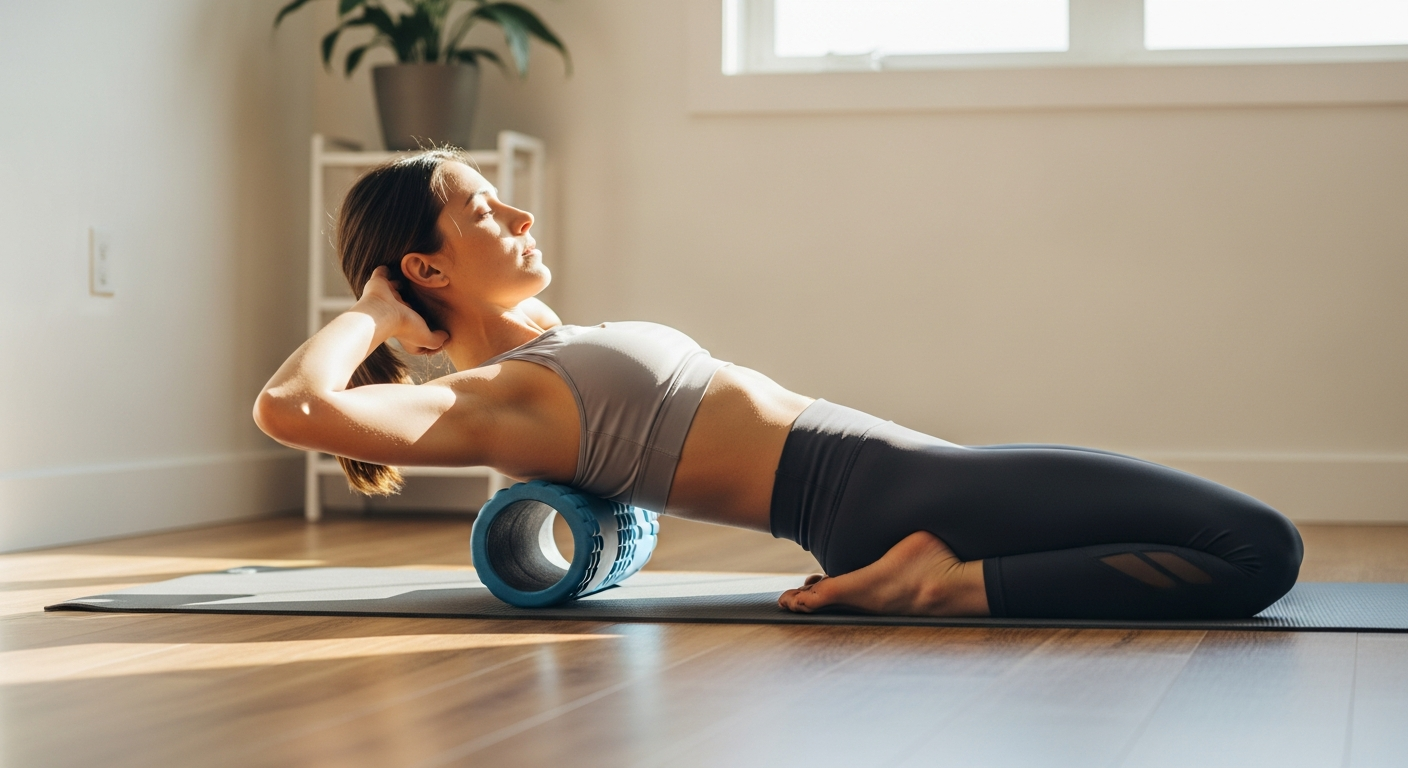

Understanding Thoracic Spine Discomfort
Most people expect that addressing middle back tension is straightforward—add stretches, strengthen the back, problem solved—yet what actually happens is far more nuanced. The thoracic spine, those twelve vertebrae sandwiched between your neck and lower back, operates under completely different rules than the rest of your spine because of its direct connection to your rib cage, giving it unusual stability paired with distinct vulnerability. Desk work and prolonged forward-facing postures systematically erode this stability without obvious warning signs until real problems develop. What I’ve discovered through hands-on work and deep study reveals that middle back discomfort stems from causes most people overlook, and addressing those causes requires a fundamentally different approach than generic strengthening routines.
Data from research shows that between 15-35% of the adult population experiences mid-back pain in any given year. The thoracic region behaves distinctly from both the cervical spine above and lumbar spine below when it comes to how it moves and bears load. This structural reality means it demands tailored strategies for both staying healthy and recovering from injury. The area frequently goes unaddressed in most people’s routines until problems become entrenched.
Massage Balls as a Precision Tool for Hard-to-Reach Thoracic Segments
Your standard foam roller glides across broad muscle groups but struggles to penetrate the tight compartment where your thoracic spine nestles between the shoulder blades and ribs—spots that demand smaller, more targeted pressure. I discovered I needed an instrument nimble enough to zero in on individual vertebral segments without booking regular massage appointments.
The advantages
- Press the ball between your back and a wall to lock onto exact problem points with millimeter control—no random rolling across your entire back, just surgical targeting of the spots that actually need it.
- The sphere maintains stable contact against your body weight, refusing to slip away mid-session the way loose implements do, so sustained pressure can actually mobilize stubborn tissue.
- Smaller diameter demands slower, more intentional movement patterns that force you to feel what’s happening instead of zipping past genuine restrictions.
The trade-offs
- Getting positioning right takes practice—your initial attempts may feel clumsy, and your anatomy might betray you with a rib contact instead of spinal tissue alignment on early tries.
- Unlike a foam roller’s grab-and-go simplicity, this tool demands deliberate setup and sustained attention; passive relaxation isn’t an option here.
I almost gave up after the first week because I couldn’t find the angle that didn’t feel like stabbing myself, but once I figured out the wall positioning, the relief was immediate enough that I stopped reaching for the roller entirely. Grab the 4KOR Massage Balls and commit to the awkward learning phase—it’s worth it.
Frequently Asked Questions
What percentage of adults experience mid-back pain yearly?
Research shows that between 15-35% of the adult population experiences mid-back pain in any given year. The thoracic spine’s unique connection to the rib cage makes it distinctly vulnerable, especially for people in desk work or prolonged forward-facing postures.
Why is a massage ball better than a foam roller for thoracic spine?
Massage balls allow millimeter-precise targeting of individual vertebral segments between the shoulder blades and ribs, where foam rollers struggle to penetrate. The smaller diameter maintains stable contact and forces slower, more intentional movement that helps you feel genuine tissue restrictions instead of rolling past them.
How do you use a massage ball on your thoracic spine?
Press the ball between your back and a wall to lock onto exact problem points with surgical precision. This positioning provides sustained pressure without slipping, though it takes practice to get the angle right and avoid rib contact on initial attempts.
Why does thoracic spine need different treatment than other spine regions?
The thoracic spine’s direct connection to your rib cage gives it unusual stability paired with distinct vulnerability. It behaves differently from the cervical and lumbar spine in how it moves and bears load, which means it demands tailored strategies for health and recovery.
About This Article

Written by Jordan Ellis. Jordan Ellis isn't a certified personal trainer — just someone who's been genuinely obsessed with training for over eight years and turned it into building smarter home gyms. He focuses on home fitness: effective training spaces, equipment that earns its price, and programs that work in a spare room or basement, not just a commercial gym. More about this site.
Scope and limits. Jordan is not a certified personal trainer, and nothing here is medical advice. Check with a physician before starting a new program, and prioritize form over load on every lift described.
Verify this against a primary source
Specifics change, and your situation may differ from the one described here. These are the authorities worth checking directly:
- Physical Activity Guidelines for Americans (HHS) — the federal physical activity guidelines
- American College of Sports Medicine — exercise prescription and position stands
- NSCA — strength and conditioning research

