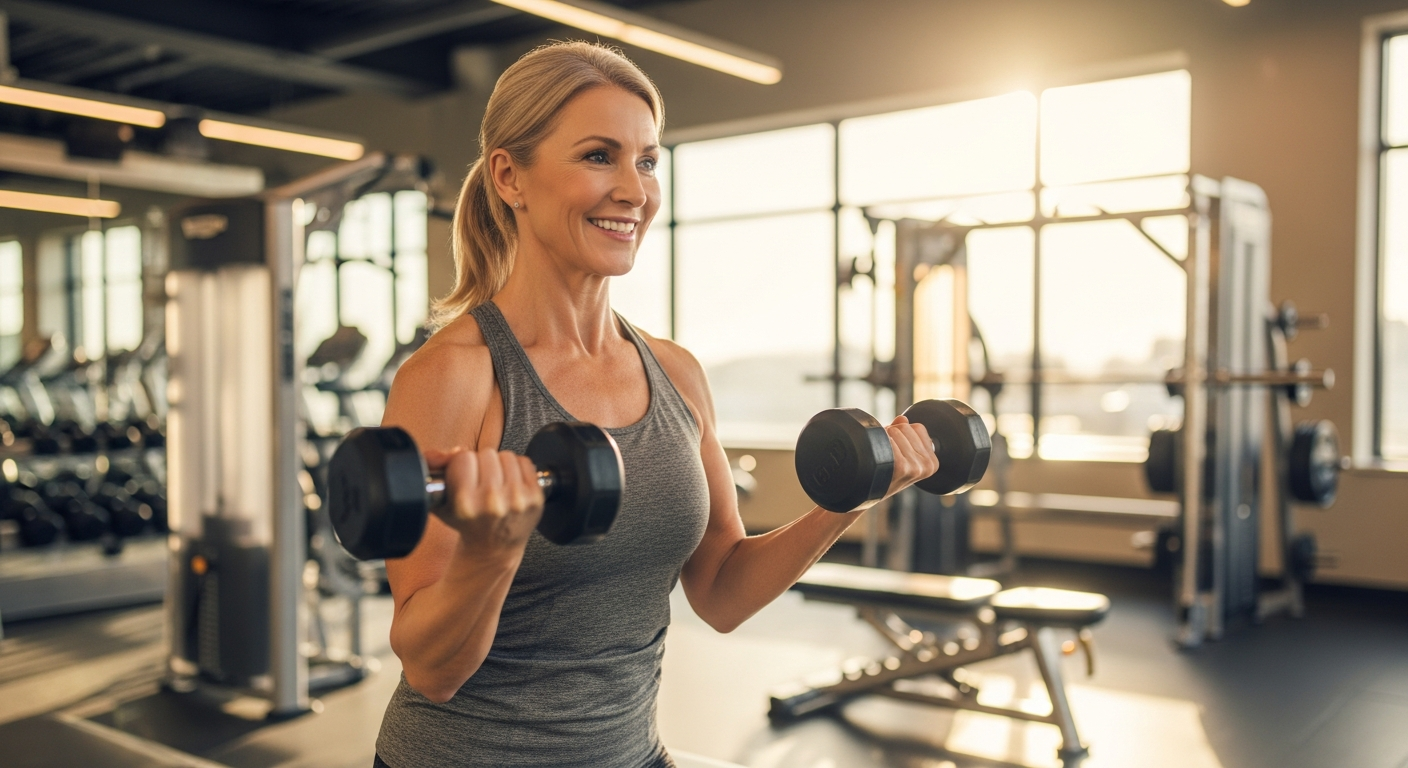

The bar feels heavier than usual on rep six, and sweat is already pooling at my collarbone—but this time, the challenge isn’t the weight itself. It’s the heat flooding through my chest mid-set, the kind that makes you want to strip off everything and walk away. That’s the reality many people face when they start moving deliberately during menopause: your body is undergoing genuine, measurable transformations that ripple through your energy levels, sleep quality, and emotional state. The trap is simple but costly—you either hold back too much or push so hard you burn out. What actually works is **movement that meets your body where it is**, not where you wish it were. This guide walks you through starting a routine that fits menopause’s real demands, so you can build a training practice that works *with* your physiology instead of ignoring it.
| Cooling Method | Setup Required | Duration Effective | Maintenance |
|---|---|---|---|
| Cooling towel | 3–5 minutes prep in cool environment | 10–15 minutes per charge | No water, ice, or maintenance needed |
| Ice water | Fill cup as needed | Single use per drink | Requires ice packs kept frozen between sessions |
Managing Heat Spikes During Strength Work: Why a Cooling Towel Changed My Training Sessions
Overheating during training sessions isn’t just a comfort issue—it disrupts concentration, shortens your effective work window, and tempts you to skip reps or abandon the session early. A cooling towel solves this by dropping your core temperature between sets, keeping you engaged without needing to pause your workout rhythm.
Advantages
- The temperature drops noticeably fast—within roughly half a minute of contact with your skin, you feel the effect, so you can recover enough to attack the next set without letting your intensity crater.
- No water, no ice, no maintenance required, which eliminates spills, soggy gym bags, and the logistics headache of keeping ice packs frozen between sessions.
- You stay vertical and moving rather than sprawled on the floor—maintaining that active recovery posture helps preserve your mental engagement and keeps you locked into your session’s rhythm.
Limitations
- The cooling capacity maxes out in roughly 10–15 minutes before it needs to recharge, so think of it as a between-set reset, not a full-session solution.
- It requires prep time—you need 3–5 minutes in a cool environment to reactivate it before your workout starts, and it’s easy to overlook this step until you’re already at the gym.
The first time a hot flash hit mid-deadlift, I almost ditched the towel and just grabbed ice water like I always did, but I stuck with it, and I actually finished my sets at full intensity instead of scaling back. That made the difference for me. Grab a cooling towel if you’re training through menopause and heat management is holding you back.
Frequently Asked Questions
How fast does a cooling towel work during hot flashes?
A cooling towel drops your core temperature noticeably fast—within roughly half a minute of contact with your skin, you feel the effect. This quick reset lets you recover enough between sets to attack the next set without letting your intensity crater during menopause training.
How long does a cooling towel stay effective during workouts?
The cooling capacity maxes out in roughly 10–15 minutes before it needs to recharge. Think of it as a between-set reset rather than a full-session solution for managing heat spikes during strength work.
How much prep time do cooling towels need before training?
You need 3–5 minutes in a cool environment to reactivate a cooling towel before your workout starts. It’s easy to overlook this step until you’re already at the gym, so plan ahead to avoid the hassle.
Does a cooling towel need ice or water to work?
No. A cooling towel requires no water, no ice, and no maintenance, which eliminates spills, soggy gym bags, and the logistics of keeping ice packs frozen between sessions.
About This Article

Written by Jordan Ellis. Jordan Ellis isn't a certified personal trainer — just someone who's been genuinely obsessed with training for over eight years and turned it into building smarter home gyms. He focuses on home fitness: effective training spaces, equipment that earns its price, and programs that work in a spare room or basement, not just a commercial gym. More about this site.
Scope and limits. Jordan is not a certified personal trainer, and nothing here is medical advice. Check with a physician before starting a new program, and prioritize form over load on every lift described.
Verify this against a primary source
Specifics change, and your situation may differ from the one described here. These are the authorities worth checking directly:
- Physical Activity Guidelines for Americans (HHS) — the federal physical activity guidelines
- American College of Sports Medicine — exercise prescription and position stands
- NSCA — strength and conditioning research

