Blog

  • VO2 Max: What It Is, Why It Predicts Your Health, and How to Improve It

    VO2 Max: What It Is, Why It Predicts Your Health, and How to Improve It

    • Sleep: Deep sleep is when your cardiovascular system repairs and adapts. Consistently getting 7–

      Let me guess — you’ve heard someone at the gym throw around the term “VO2 max” like it’s the holy grail of fitness, and you nodded along while secretly thinking, “What does that actually mean for me?” You’re not alone. Most people either dismiss it as something only elite runners care about, or they obsess over the number without knowing how to move it. Here’s the truth: understanding how to VO2 max improve cardio fitness is one of the most powerful things you can do for your long-term health — and you don’t need to be an Olympic athlete to benefit from it.

      This post contains affiliate links. As an Amazon Associate, I earn from qualifying purchases. This means if you click a link and make a purchase, I may earn a small commission at no extra cost to you. I only recommend products I genuinely believe in.

      What Is VO2 Max and Why Does It Matter?

      VO2 max is your body’s maximum capacity to consume and use oxygen during intense exercise. Think of it like the engine size in a car — the bigger and more efficient the engine, the more power it can produce. In human terms, a higher VO2 max means your heart, lungs, and muscles work together more efficiently to deliver and use oxygen when you’re pushing hard. It’s measured in milliliters of oxygen per kilogram of body weight per minute (mL/kg/min), but honestly, the number matters less than the trend — are you improving, or are you declining?

      Here’s why this isn’t just a fitness nerd stat: research consistently links higher VO2 max scores with a reduced risk of cardiovascular disease, type 2 diabetes, and even early death. A landmark study published in JAMA found that low cardiorespiratory fitness was one of the strongest predictors of mortality — stronger than smoking, obesity, or high blood pressure in some groups. That’s not a small thing. Your VO2 max is essentially a snapshot of how well your cardiovascular system is functioning right now.

      How to Improve VO2 Max and Cardio Fitness: Proven Training Methods

      Good news — VO2 max responds well to training. It’s not fixed. Whether you’re starting from a low baseline or trying to push past a plateau, these are the approaches that actually work.

      High-Intensity Interval Training (HIIT)

      HIIT is the most time-efficient method to raise your VO2 max. Short bursts of near-maximum effort followed by recovery periods force your cardiovascular system to adapt fast. A classic protocol: 4 rounds of 4 minutes at 90–95% of your max heart rate, with 3 minutes of easy recovery between each. Do this two to three times a week and you’ll see measurable changes within six to eight weeks.

      Zone 2 Aerobic Base Training

      Don’t sleep on easy, steady-state cardio. Zone 2 training — the kind where you can hold a conversation but you’re definitely working — builds the aerobic base that makes everything else possible. It improves your mitochondrial density (the number of energy-producing units in your muscle cells) and teaches your body to use fat as fuel efficiently. Aim for three to four hours per week of Zone 2 work spread across multiple sessions. This is the foundation elite endurance athletes build on, and it works just as well for regular people.

      Tempo Runs and Threshold Work

      Running or cycling at your lactate threshold — the pace you can sustain for roughly 30 to 60 minutes — pushes your body to clear lactic acid faster and sustain higher intensities longer. Incorporating one tempo session per week alongside your HIIT and Zone 2 work creates a well-rounded program that attacks VO2 max from multiple angles.

      Gear I Recommend for Tracking and Improving VO2 Max

      You can train smart or train blind — I know which one gets results faster. Having the right tools to monitor your heart rate zones, track estimated VO2 max, and analyze your training data takes the guesswork out of the process. Here are the products I recommend at different price points.

      Budget-Friendly Smartwatch Option

      If you want solid VO2 max tracking without breaking the bank, the Amazfit Bip 5 Smart Watch is a fantastic entry point. It features GPS, built-in Amazon Alexa, heart rate monitoring, VO2 max tracking, and an impressive 10-day battery life. For runners and cyclists who want data-driven feedback without a premium price tag, this watch punches well above its weight.

      A Stylish Option With Serious Features

      The kececo Smartwatch brings a beautiful 1.32″ AMOLED display together with built-in GPS, VO2 max tracking, HRV monitoring, blood oxygen tracking, and women’s health features — all in an elegant gold 43mm design. It’s a great pick if you want a watch that transitions from the gym to everyday life without looking out of place.

      Premium Pick for Serious Athletes

      For those ready to invest in their training, the Garmin Vívoactive 5 is hard to beat. With an AMOLED display, up to 11 days of battery life, advanced health tracking, and Garmin’s industry-leading GPS accuracy, this watch gives you the kind of detailed cardio data that lets you train with real precision. Garmin’s VO2 max estimates are among the most validated on the consumer market — your data actually means something.

      For Runners Who Want to Go Deeper

      If you’re serious about running performance, pair your watch with the Garmin Running Dynamics Pod. This small clip-on device captures advanced running metrics like cadence, ground contact time, and vertical oscillation — all factors that affect how efficiently you run and, by extension, how well you develop your aerobic capacity. And if you really want to understand the science behind training with power and data, grab a copy of Run with Power: The Complete Guide to Power Meters for Running. It changed the way I think about effort and training load entirely.

      Lifestyle Factors That Support VO2 Max Gains

      Training is only part of the equation. Your VO2 max is also influenced by factors you control outside of workouts.

      • Sleep: Deep sleep is when your cardiovascular system repairs and adapts. Consistently getting 7–
  • Cycling for Cardio: Indoor vs Outdoor and How to Get Maximum Fitness Gains

    Cycling for Cardio: Indoor vs Outdoor and How to Get Maximum Fitness Gains

    Let me guess — you’ve been debating whether to finally buy that indoor bike gathering dust in your cart, or just stick to your weekend outdoor rides. Maybe you’re wondering if spinning classes actually count as “real” cardio, or whether hitting the road on your road bike is the only way to see serious results. I hear this constantly, and here’s the truth: both approaches deliver powerful cycling cardio fitness benefits — but the way you structure your training makes all the difference. Let’s break it all down so you can stop second-guessing and start pedaling with purpose.

    This post contains affiliate links. As an Amazon Associate, I earn from qualifying purchases. This helps keep the site running at no extra cost to you — and I only recommend gear I’d actually use myself.

    Why Cycling Is One of the Best Cardio Workouts You Can Do

    Cycling checks almost every box when it comes to cardiovascular training. It’s low-impact (meaning it’s easier on your joints than running), it’s scalable for all fitness levels, it torches serious calories, and it strengthens your heart and lungs over time. Studies published in the Journal of the American Heart Association have linked regular cycling to reduced risk of cardiovascular disease, improved VO2 max (that’s your body’s ability to use oxygen during intense exercise — a key marker of cardio fitness), and better metabolic health.

    Whether you’re trying to lose weight, build endurance, or just get healthier, cycling delivers. A 155-pound person can burn roughly 500–600 calories per hour at a moderate pace outdoors, and a vigorous indoor cycling session can push even higher depending on resistance and intensity. The key is consistency and structure — and that’s exactly what we’re going to talk about.

    Indoor vs Outdoor Cycling: Cycling Cardio Fitness Benefits Compared

    The Case for Outdoor Cycling

    Outdoor cycling is dynamic by nature. Your body constantly adapts to terrain changes, wind resistance, elevation, and real-world obstacles — and that variability is a genuine fitness advantage. Riding uphill builds leg strength alongside cardiovascular endurance. Navigating different surfaces engages stabilizer muscles you simply don’t activate on a stationary bike. There’s also a mental health bonus: fresh air, scenery, and sunlight have been shown to reduce cortisol (your stress hormone) and boost mood more effectively than indoor exercise.

    The downside? Weather, traffic, and logistics. You can’t always control when or where you ride, which can make consistency difficult — and consistency is the #1 factor in long-term fitness progress.

    The Case for Indoor Cycling

    Indoor cycling wins on consistency, safety, and control. Rain or shine, 6 AM or midnight, you can get your workout in. You can dial in exact resistance levels, follow structured programs, and track your metrics precisely. For people targeting weight loss or building a base level of fitness, this kind of structured, repeatable training is incredibly effective.

    Modern stationary bikes with app connectivity take this even further — you can follow live classes, ride virtual routes, and get real-time coaching without leaving your house. That’s a game-changer for busy schedules.

    Bottom line: If you can do both, do both. Outdoor riding builds functional strength and mental resilience. Indoor training builds consistency and precision. Together, they create a well-rounded cyclist and a seriously fit cardiovascular system.

    How to Structure Your Cycling Training for Maximum Fitness Gains

    Here’s where most people go wrong: they hop on the bike and pedal at the same moderate pace every single time. That’s better than nothing, but it’s not going to keep producing results. Your body adapts quickly, and you need to challenge it in different ways to keep improving. Here’s a simple weekly structure that works for both indoor and outdoor riders:

    • 1–2 days: HIIT sessions — High-Intensity Interval Training alternates between short bursts of maximum effort (30–60 seconds) and recovery periods. This spikes your heart rate, burns more fat, and improves VO2 max faster than steady riding.
    • 1–2 days: Endurance/Zone 2 riding — This is longer, steady-state riding at a conversational pace (you could hold a conversation but it’s slightly challenging). Zone 2 training builds your aerobic base and teaches your body to burn fat more efficiently.
    • 1 day: Strength-focused ride — Crank up the resistance (or find a hilly route) and focus on power output. This builds muscle and improves overall cycling performance.
    • 1–2 days: Active recovery or rest — Don’t skip this. Recovery is when your body actually gets fitter.

    Tracking your cadence (how fast your legs are spinning, measured in RPM — rotations per minute) is one of the best ways to optimize each of these workouts. Most coaches recommend 80–100 RPM for endurance work and higher cadences for intervals. If you’re not tracking it, you’re leaving gains on the table.

    Gear I Recommend for Getting the Most from Cycling Cardio

    You don’t need a $3,000 setup to get serious results. Here are the tools I’d actually point a friend toward:

    Best Indoor Bikes

    The Merach Exercise Bike is one of my top picks for home riders who want a feature-packed experience without breaking the bank. It uses a combination of brake pad and magnetic resistance, connects to an exclusive app with guided fitness courses, supports up to 270 lbs, and even includes a dumbbell rack so you can add upper body work to your routine. It’s a genuinely smart setup for weight loss and full-body conditioning.

    If you want a heavier-duty option, the YOSUDA PRO Magnetic Exercise Bike supports up to 350 lbs and features a silent belt drive system — meaning it’s whisper quiet, which matters if you’re riding early morning or late at night. The comfortable seat cushion is a real plus for longer endurance sessions.

    For a budget-friendly but capable option, check out the CHAOKE Quiet Magnetic Resistance Stationary Bike. It’s app-compatible, holds up to 300 lbs, and comes with a clear digital display so you can monitor your stats during every ride. A solid no-fuss pick for beginners and intermediate riders.

    Cadence Sensors for Outdoor and Indoor Tracking

    If you ride outdoors — or want to connect a non-smart indoor bike to apps like Zwift or Wah

  • Jump Rope Training: The Most Underrated Cardio Tool You’re Probably Ignoring

    Jump Rope Training: The Most Underrated Cardio Tool You’re Probably Ignoring

    Let me guess — you walk past that dusty jump rope in the corner of your gym every single time you head straight for the treadmill. Maybe you tried jumping rope once, tripped over it after fifteen seconds, and decided it “wasn’t for you.” I hear this constantly. But here’s the truth: you’re leaving one of the most powerful jump rope cardio training benefits on the table every single time you skip it (pun intended). Jump rope isn’t just for boxers and kids on the playground. It’s a full-body, calorie-torching, coordination-building cardio tool that can completely transform your conditioning — and it fits in a drawer.

    This post contains affiliate links. As an Amazon Associate, I earn from qualifying purchases. This means if you click a link and make a purchase, I may earn a small commission at no extra cost to you. I only recommend products I genuinely think are worth your money.

    Why Jump Rope Cardio Training Benefits Are Seriously Underrated

    Here’s a stat that tends to wake people up: research published in the Research Quarterly for Exercise and Sport found that ten minutes of jump rope was roughly equivalent to thirty minutes of jogging in terms of cardiovascular benefit. Ten minutes. Let that sink in. And beyond just heart health, jumping rope engages your calves, quads, glutes, shoulders, and core all at once. You’re not just doing cardio — you’re building athleticism.

    Here’s a breakdown of the real reasons I push my clients toward jump rope training:

    • Calorie burn: Depending on your intensity and body weight, jumping rope can burn between 10–16 calories per minute. That’s on par with running an 8-minute mile.
    • Coordination and agility: Jump rope forces your brain and body to sync up. Over time, this improves your overall athletic performance, reaction time, and balance.
    • Bone density: Jumping is a weight-bearing activity, which means it stimulates bone growth. Studies have shown consistent jump training can improve bone mineral density, especially important as we age.
    • Portability: A rope weighs ounces and costs less than a single month of most gym memberships. Hotel room, backyard, parking lot — your cardio comes with you.
    • Low barrier to entry: You don’t need to be fit to start. You start where you are and build from there.

    How to Actually Get Started (Without Tripping Every Five Seconds)

    The number one reason people give up on jump rope is bad form right out of the gate. So let’s fix that before it becomes a habit.

    Get Your Rope Length Right

    Stand in the middle of your rope and pull both handles up. They should reach roughly to your armpits. Too long and it’ll be slow and sloppy. Too short and you’ll be catching it on your heels constantly. Most quality ropes are adjustable — which is why I always recommend starting with an adjustable-length option.

    Master the Basic Bounce First

    Keep your elbows close to your sides. The rotation comes from your wrists — not your whole arm. Land softly on the balls of your feet, not flat-footed. Jump just high enough to clear the rope — an inch or two is all you need. Once you can do 30 seconds without stopping, you’re already making progress.

    Build With Intervals

    I tell beginners to try this simple starter workout: jump for 30 seconds, rest for 30 seconds, repeat for 10 rounds. That’s just 10 minutes of total work. Do that three times a week and you’ll notice a difference in your conditioning within two to three weeks. As you improve, push toward 45 seconds on, 15 seconds off — or try HIIT-style (High-Intensity Interval Training) sets where you go all-out for 20 seconds and recover for 10.

    Light vs. Weighted Jump Ropes: Which One Should You Use?

    This is a question I get all the time, and the honest answer is: it depends on your goal. Speed ropes — lightweight with thin cables — are great for cardiovascular conditioning, fast footwork, and learning advanced techniques like double-unders (where the rope passes under your feet twice in one jump). Weighted ropes add resistance, which increases the muscular demand on your shoulders, arms, and core. They burn more calories per session and are excellent for building upper body endurance. My recommendation? Start with a speed rope, and add a weighted rope once you’re comfortable.

    Gear I Recommend

    I’ve tested a lot of ropes over the years, and here are the ones I actually stand behind. Whether you’re just starting out or leveling up your training, there’s something here for you.

    Best All-Around Starter Rope

    If you’re new to jump rope training or just want a reliable, no-fuss option, the Tangle-Free Rapid Speed Jump Rope with Ball Bearings is a fantastic starting point. The ball bearing system (a small rotating mechanism inside the handle that allows the rope to spin smoothly) gives you a fast, consistent rotation without the tangles. The foam handles are comfortable and the steel cable is durable. It’s adjustable to fit your height, making it great for men, women, and even kids.

    Best Entry-Level Weighted Rope

    For anyone ready to add some resistance without going overboard, the Redify 1LB Weighted Jump Rope is a solid pick. At one pound, it’s heavy enough to feel the difference in your shoulders and arms without wrecking your timing. The aluminum handles feel premium, and the fabric-cotton rope gives you a satisfying, controlled swing. This one’s popular in boxing and MMA training circles for a reason.

    Best High-Speed Rope for Intermediate to Advanced Users

    If you’ve got the basics down and you’re chasing double-unders or faster HIIT sessions, check out the New 2026 Version High Speed Weighted Jump Rope. The self-locking, screw-free design means zero wobble and zero maintenance headaches. It’s built for CrossFit, home workouts, and serious conditioning work. This is the kind of rope you grow into — and then can’t imagine training without.

    Best Heavy Rope for Strength-Focused Training

    For those who really want to

  • How to Build Cardiovascular Endurance From Zero: A 12-Week Blueprint

    How to Build Cardiovascular Endurance From Zero: A 12-Week Blueprint

  • Zone 2 Cardio: The Low-Intensity Training Method That Elite Athletes Swear By

    Zone 2 Cardio: The Low-Intensity Training Method That Elite Athletes Swear By

    You know that person at the gym who’s always going full throttle — sprinting on the treadmill, gasping for air, looking like they’re one step away from calling an ambulance? I used to be that person. I thought harder, faster, and more painful meant better results. Then I discovered zone 2 cardio training benefits, and it completely changed how I train — and honestly, how I feel. If you’ve been grinding through high-intensity workouts and wondering why you’re always exhausted, injured, or stuck at a plateau, this post is for you.

    This post contains affiliate links. As an Amazon Associate, I earn from qualifying purchases. If you click a link and make a purchase, I may earn a small commission at no extra cost to you. I only recommend gear I genuinely believe in.

    What Is Zone 2 Cardio, Exactly?

    Let’s break it down simply. Your heart rate has five training zones, ranging from very light effort (Zone 1) to maximum effort (Zone 5). Zone 2 sits right in that comfortable middle ground — roughly 60–70% of your maximum heart rate. At this intensity, you should be able to hold a conversation without gasping, but you’re definitely working. Think of a brisk walk, a relaxed jog, or an easy bike ride where you feel warm and steady but not wrecked.

    To find your approximate maximum heart rate, use the simple formula: 220 minus your age. So if you’re 35, your max heart rate is around 185 beats per minute (bpm). Zone 2 for you would be roughly 111–130 bpm. That number is your sweet spot for this type of training.

    Zone 2 Cardio Training Benefits: Why Elite Athletes Build Their Base Here

    Here’s where it gets really interesting. Elite endurance athletes — marathon runners, Tour de France cyclists, triathletes — typically spend 80% of their total training time in Zone 2. That’s not a coincidence. The science behind zone 2 cardio training benefits is rock solid, and it comes down to what’s happening at the cellular level inside your muscles.

    It Builds Your Aerobic Engine

    Zone 2 training targets your slow-twitch muscle fibers and forces your body to become more efficient at burning fat for fuel. Over time, it increases the number and function of mitochondria — the tiny powerhouses inside your cells that produce energy. More mitochondria means more endurance, faster recovery, and better overall athletic performance. This is your aerobic base, and without it, everything else suffers.

    It Accelerates Recovery

    One of the most underrated zone 2 cardio training benefits is how it supports recovery between harder training sessions. Because the intensity is low enough to avoid excessive stress hormones like cortisol, your body can actually repair and adapt instead of just trying to survive. A 45-minute easy ride or jog the day after a tough strength session can flush out metabolic waste and reduce soreness without digging you into a deeper hole.

    It Improves Heart Health Long-Term

    Research consistently shows that sustained aerobic training at moderate intensity improves cardiac output, lowers resting heart rate, and reduces the risk of cardiovascular disease. This isn’t just about performance — it’s about living longer and feeling better every single day. Zone 2 cardio done consistently is one of the most powerful things you can do for your long-term health.

    How to Do Zone 2 Cardio the Right Way

    The biggest mistake people make with Zone 2 is going too hard. Without tracking your heart rate, it’s incredibly easy to drift into Zone 3 or 4 without realizing it — especially if you’re fit. You need to know your numbers, and that means monitoring your heart rate accurately throughout your session.

    Here are the basics to get started:

    • Duration: Aim for 30–90 minutes per session. Longer sessions build more aerobic base, but even 30 minutes is worth doing.
    • Frequency: 3–5 sessions per week is ideal for most people. Remember, elite athletes build their whole program around this.
    • Activities: Walking, jogging, cycling, rowing, swimming, or the elliptical all work great. Pick something you enjoy.
    • The talk test: If you can speak in full sentences without gasping, you’re probably in the right zone. If you can only get out a few words, you’re too hard.
    • Be patient: Zone 2 adaptations take weeks and months — not days. Stick with it.

    Gear I Recommend for Zone 2 Training

    You absolutely need accurate heart rate monitoring to do Zone 2 properly. Wrist-based heart rate on most smartwatches can be unreliable during exercise — chest straps are far more accurate. Here’s what I recommend at different price points:

    Best Chest Straps for Accurate Heart Rate Monitoring

    My top pick is the Polar H10 Heart Rate Monitor Chest Strap. The Polar H10 is widely considered the gold standard for accuracy — it’s what many sports scientists use as a reference device. It connects via Bluetooth and ANT+, is fully waterproof, and works with virtually every fitness app and platform out there. If you’re serious about training in the right zone, this is the one to get.

    If you want excellent accuracy without the premium price, the Powr Labs Bluetooth and ANT+ Heart Rate Monitor Chest Strap is a fantastic option. It connects seamlessly with Polar, Garmin, Peloton, and Wahoo, and users consistently rave about its all-day comfort — a big deal when you’re doing longer Zone 2 sessions.

    Looking for a budget-friendly pick that still delivers? Check out the COOSPO Bluetooth Heart Rate Monitor Chest Strap H808S. It’s IP67 waterproof, supports both ANT+ and BLE, and works great for running, cycling, and gym workouts. Solid performance at a very accessible price.

    Smartwatches Worth Considering

    If you prefer an all-in-one wrist device for general fitness tracking and heart rate monitoring, I’ve got two solid picks. The March 29, 2026

  • Strength Training After 50: How to Build Muscle Safely Without Wrecking Your Joints

    Strength Training After 50: How to Build Muscle Safely Without Wrecking Your Joints

    I can’t tell you how many times I’ve heard some version of this: “I want to start lifting weights again, but I’m 50 now — won’t that hurt my knees? My back? My everything?” Sound familiar? Here’s the truth: strength training after 50 safe isn’t just possible — it’s one of the smartest things you can do for your body, your energy, and your long-term independence. The real danger isn’t lifting weights in your 50s, 60s, or beyond. The real danger is doing nothing at all.

    This post contains affiliate links. As an Amazon Associate, I earn from qualifying purchases. This means if you click a link and make a purchase, I may earn a small commission at no extra cost to you. I only recommend products I genuinely think are worth your time and money.

    Why Strength Training After 50 Is Non-Negotiable

    Here’s a hard fact most people don’t want to hear: after age 30, you naturally start losing muscle mass at a rate of about 3–8% per decade. After 60, that rate accelerates. This process is called sarcopenia — basically, your muscles shrinking from disuse and hormonal shifts. Less muscle means a slower metabolism, weaker bones, worse balance, and a higher risk of injury from everyday activities like carrying groceries or climbing stairs.

    The good news? Research consistently shows that resistance training directly reverses sarcopenia. A landmark study published in the Journal of Applied Physiology found that older adults who trained with weights two to three times per week significantly increased muscle mass, strength, and functional movement — even participants in their 70s and 80s. Your muscles don’t know how old you are. They respond to the right stimulus no matter what your birthday says.

    Strength Training After 50 Safe: The Rules That Actually Matter

    Training smart after 50 isn’t about doing less — it’s about doing it right. Here are the principles I coach every client on when they walk through the door past their 50th birthday.

    1. Start With Movement Quality, Not Weight

    Before you load a barbell, you need to earn the right to lift it. Focus first on your range of motion and form. A squat with perfect depth and a neutral spine using just your bodyweight is worth ten times more than a heavy squat that rounds your lower back and grinds your knees. Spend your first few weeks dialing in your movement patterns. Trust me — your joints will thank you later.

    2. Embrace Resistance Bands as a Foundation Tool

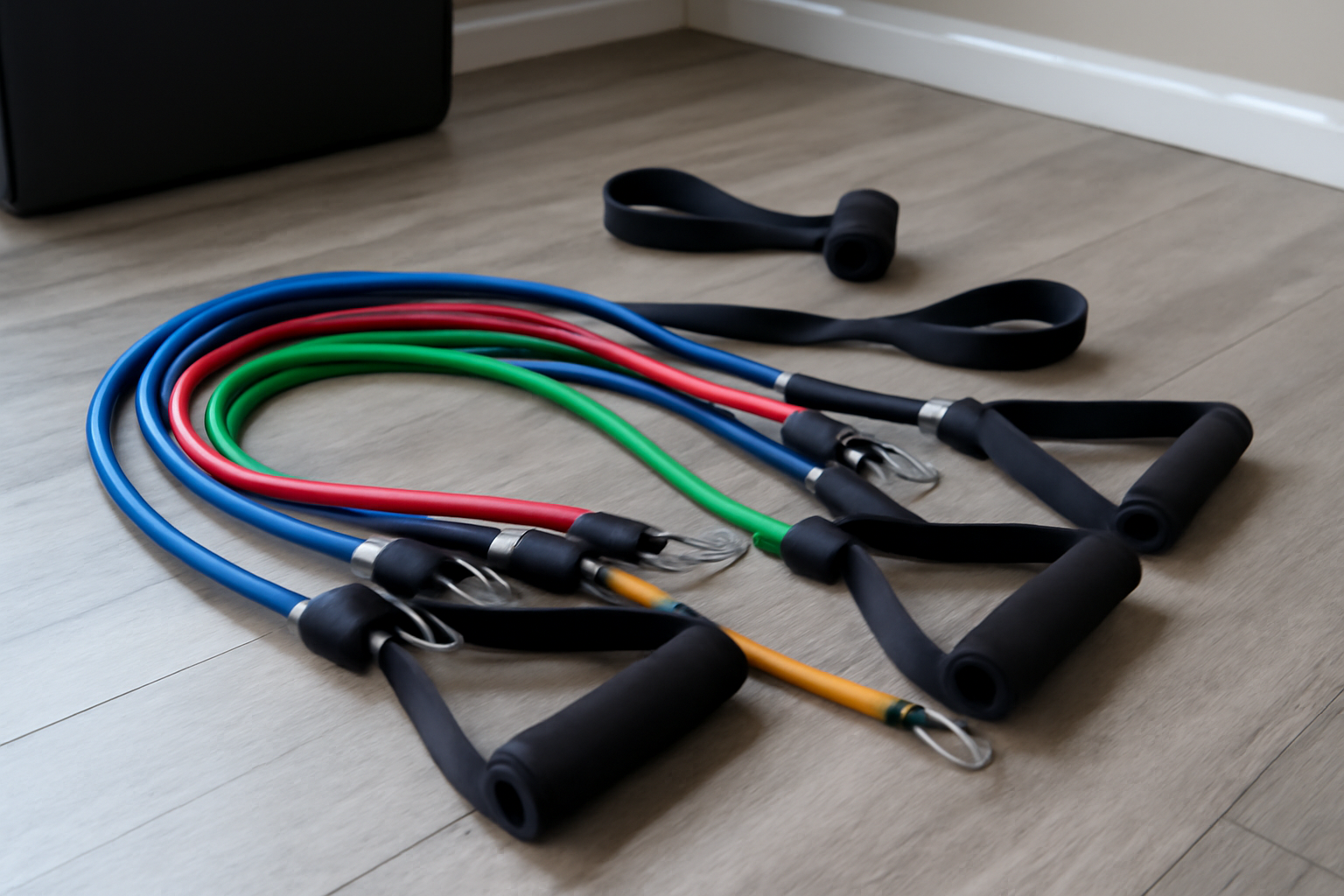
    Resistance bands are genuinely underrated for older lifters. Unlike free weights, bands provide accommodating resistance — meaning the tension increases as you extend through a movement, which actually reduces stress on joints at their most vulnerable angles. Bands are also incredibly versatile and low-impact, making them perfect for building a foundation before progressing to heavier equipment.

    3. Prioritize Recovery More Than You Think You Need To

    After 50, your recovery window is longer. Full stop. Your body needs more time to repair muscle tissue between sessions. Training three days per week with at least one rest day between sessions is a sustainable, effective approach. Sleep, hydration, and protein intake are your best recovery tools — aim for 0.7–1 gram of protein per pound of bodyweight daily to support muscle repair.

    4. Warm Up Like You Mean It

    A five-minute warm-up isn’t optional at this stage — it’s mandatory. Dynamic stretching (leg swings, arm circles, hip rotations) and light cardio get blood flowing to your joints and lubricate them before you load them. Cold joints and heavy weights are a recipe for injury. Give yourself 10–15 minutes to prepare, and your workouts will feel exponentially better.

    The Best Exercises for Lifters Over 50

    You don’t need a complex program to see serious results. The best exercises for this age group hit multiple muscle groups, build functional strength, and respect joint health. Here’s what I recommend building your program around:

    • Seated or standing rows — builds upper back strength critical for posture
    • Lat pulldowns — develops the back and shoulders without overhead pressing stress
    • Goblet squats — knee-friendly squat variation that naturally encourages good form
    • Resistance band chest press — builds pushing strength with joint-friendly resistance
    • Hip hinges and deadlifts — strengthens the posterior chain (glutes, hamstrings, lower back) for injury prevention
    • Chair-supported exercises — excellent for beginners or anyone managing balance issues

    Gear I Recommend for Strength Training After 50

    You don’t need a commercial gym membership to train effectively. Here’s the equipment I point my older clients toward — all of it practical, joint-friendly, and worth every dollar.

    Best for Beginners or Anyone Starting From Scratch

    If you’re just getting started or coming back from an injury, the Healthy Seniors Chair Exercise Program is a fantastic entry point. It comes with two resistance bands, handles, and a printed exercise guide — everything you need to start building real strength from a chair. It’s also a thoughtful gift idea if you have a parent or grandparent you want to help get moving safely.

    Similarly, the Relaxgiant 2-Piece Resistance Band Set with Handles is another solid option for chair-based training. It comes in two resistance levels (yellow and green) so you can start light and progress as you get stronger. Simple, effective, and easy to use anywhere.

    Best Resistance Bands for Full-Body Workouts

    Once you’re ready to expand your training, the WHATAFIT Resistance Bands Set is one of the best values out there. These come in multiple resistance levels with comfortable handles, making them versatile enough for rows, presses, curls, squats, and more. They’re durable, stackable, and perfect for a home gym setup.

    Best for Home Gym Cable Training

    Cable machines are some of the most joint-friendly pieces of

  • Dumbbell vs Barbell Training: Which One Builds More Muscle for Your Goals

    Dumbbell vs Barbell Training: Which One Builds More Muscle for Your Goals

    You walk into the gym, and there they are — two camps. On one side, lifters loading up a barbell for squats and bench press. On the other, someone cranking out dumbbell curls and lunges. You’ve probably asked yourself at some point: which one is actually better for building muscle? The dumbbell vs barbell training comparison is one of the most common debates in strength training, and honestly, it’s one worth having. Because the answer isn’t as simple as “one beats the other” — it depends on your goals, your experience level, and how you’re training. Let me break it all down for you.

    This post contains affiliate links. As an Amazon Associate, I earn from qualifying purchases.

    Dumbbell vs Barbell Training Comparison: Understanding the Key Differences

    Before we crown a winner, let’s talk about what makes each tool unique. A barbell loads both hands on a single fixed bar — this lets you move heavier weight overall because your stronger side can compensate for your weaker side. That’s great for raw strength, but it can also mask muscle imbalances over time. Dumbbells, on the other hand, require each arm or leg to work independently. That independence is a huge deal when it comes to correcting imbalances and building functional, real-world strength.

    Here’s another big factor: range of motion. When you do a dumbbell bench press, your hands can travel further down and across your chest compared to a barbell, which stops at your sternum. More range of motion typically means more muscle fiber recruitment — and more muscle fiber recruitment means more growth stimulus. Studies on muscle activation back this up, showing that free-weight exercises performed through a full range of motion produce greater hypertrophy (that’s just a fancy word for muscle growth) compared to restricted-range movements.

    When Barbells Have the Edge

    Let me be straight with you — if your goal is maximum strength and you want to lift the heaviest weight possible, barbells win. Exercises like the barbell squat, deadlift, and bench press are the gold standard for building raw, foundational strength. You can progressively overload (gradually increase the weight over time) more easily with a barbell because the increments are smaller and the range of available weights is virtually unlimited.

    Barbells also shine for compound movements that target multiple muscle groups at once. A heavy barbell deadlift works your hamstrings, glutes, lower back, traps, and core all in one shot. That kind of total-body tension is hard to replicate with dumbbells. If you’re training for powerlifting, athletic performance, or just want to move serious weight, the barbell is your best friend.

    Best Barbell Exercises for Muscle Building

    • Barbell Back Squat — king of lower body strength
    • Conventional Deadlift — total posterior chain builder
    • Barbell Bench Press — upper body mass staple
    • Barbell Row — back thickness and pulling strength
    • Overhead Press — shoulder and upper body power

    When Dumbbells Have the Edge

    Here’s where it gets interesting — and where a lot of people underestimate dumbbells. For hypertrophy (building muscle size), dumbbells are incredibly effective, sometimes even more so than barbells. Why? Because of that unilateral training benefit I mentioned. Each side of your body has to pull its own weight, literally. This forces your stabilizer muscles — smaller muscles that support joints and control movement — to work harder. Over time, that means more balanced, symmetrical muscle development.

    Dumbbells are also significantly safer for solo training. There’s no barbell to get pinned under if you miss a rep. For beginners especially, learning movement patterns with dumbbells first builds the body awareness and joint stability needed before loading up a barbell. And for home gym training? Dumbbells are practical, space-efficient, and versatile enough to cover almost every muscle group.

    Best Dumbbell Exercises for Muscle Building

    • Dumbbell Romanian Deadlift — hamstrings and glutes with great control
    • Single-Arm Dumbbell Row — corrects back imbalances fast
    • Dumbbell Bench Press — deeper chest stretch than barbell
    • Dumbbell Lunges — lower body unilateral strength and balance
    • Dumbbell Shoulder Press — natural wrist rotation reduces joint stress

    Gear I Recommend: The Best Dumbbells for Home and Gym Training

    Whether you’re training at home or setting up a solid workout space, having the right dumbbells makes a massive difference. Here are my top picks depending on your budget and needs:

    If you’re just starting out or want a compact, affordable option, the Adjustable Dumbbells Set 25LB is a solid entry-level pick. It covers five weight settings from 5 to 25 pounds with an anti-slip handle — perfect for beginners working on form and building that strength base.

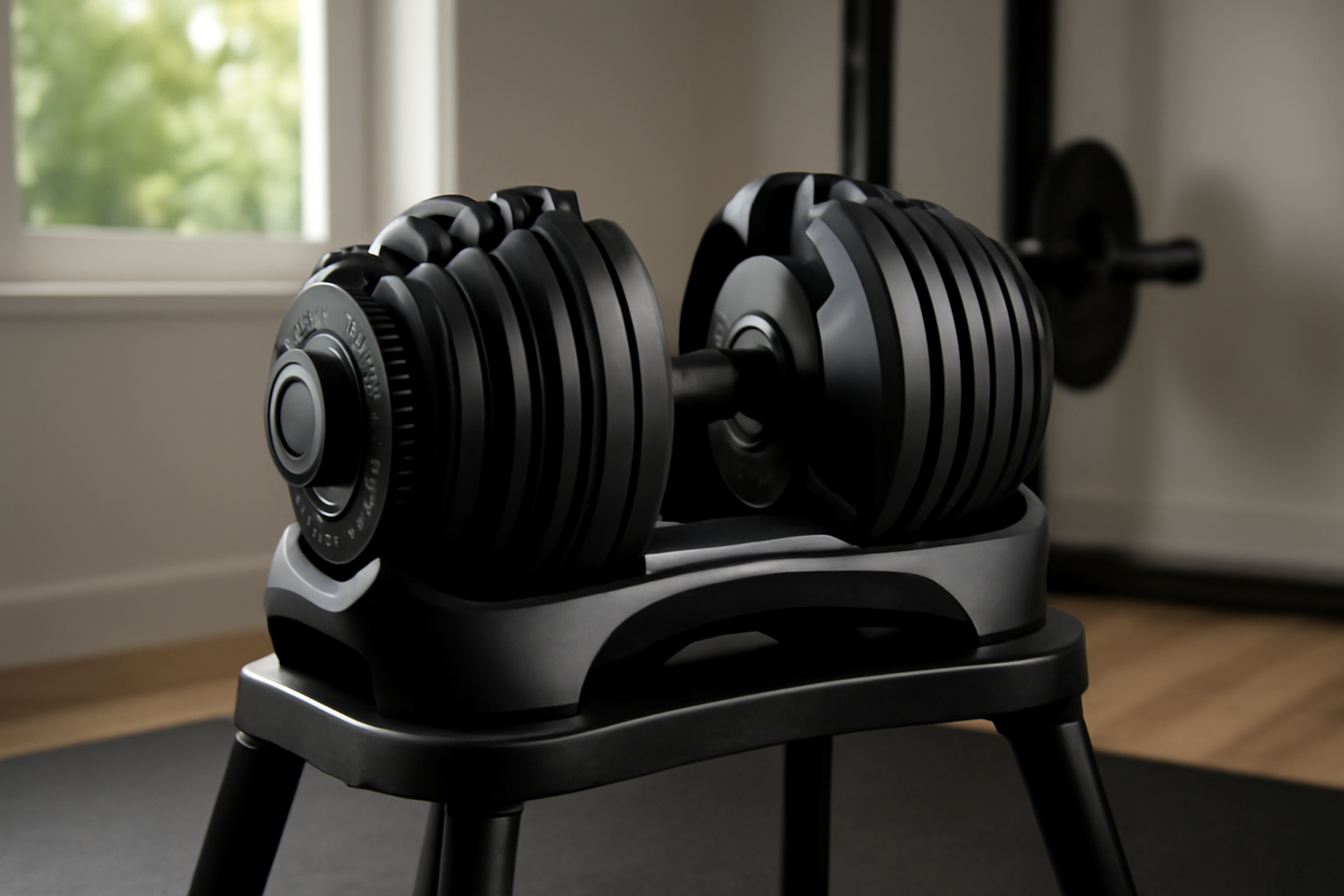
    Ready to level up? The 2026 Latest Adjustable Dumbbell Set (110LB total) is a beast of a home gym investment. With a total of 110 pounds of weight and 3–6 pound increments, you have plenty of room to progressively overload and keep those gains coming. The included tray keeps everything tidy too.

    For serious lifters who want maximum versatility in one set, check out the TYZDMY Adjustable Dumbbells 52.5LB Pair (105LB total). This 15-in-1 system replaces an entire rack and works for both men and women. If space is tight but your ambitions aren’t, this one delivers.

    Prefer traditional hex dumbbells? The CAP 150 LB Rubber Coated Hex Dumbbell Set with Vertical Storage Rack gives you a full set with a sleek rack to keep your space organized. Rubber coating protects your floors and the chrome handles feel great in hand during heavy sets.

    You’ve been hitting the gym consistently for months. You show up, you put in the work, you sweat — but the scale on the barbell hasn’t moved in weeks. Sound familiar? This is one of the most common frustrations I hear from people who are serious about getting stronger. The culprit almost every single time? They’ve stopped applying progressive overload strength training. It’s not a fancy term or some secret only elite athletes know about — it’s actually the most fundamental principle behind every strength gain you’ve ever made or will ever make. Let me break it down for you.

    This post contains affiliate links. As an Amazon Associate, I earn from qualifying purchases. If you click a link and make a purchase, I may earn a small commission at no extra cost to you. I only recommend gear I genuinely believe in.

    What Is Progressive Overload and Why Does It Drive Every Strength Gain?

    Progressive overload is the practice of gradually increasing the demand you place on your muscles over time. Your body is incredibly smart — and lazy. Once it adapts to a given workload, it stops changing. It has no reason to build more muscle or get stronger if the challenge stays the same. To keep making progress, you have to keep raising the bar — sometimes literally.

    The science behind this goes back decades. In the 1940s, physician Thomas DeLorme developed progressive resistance exercise to help rehabilitate injured soldiers. He discovered that systematically increasing resistance led to faster, more consistent strength improvements than fixed-load training. Modern sports science has confirmed this over and over again — progressive overload is not optional if you want to get stronger. It’s the mechanism.

    Here’s the key thing most people miss: progressive overload doesn’t just mean adding weight to the bar every single session. That’s one method, and it’s a great one, but it’s not the only tool in the box.

    Progressive Overload Strength Training: 6 Ways to Apply It

    Let’s talk about the actual methods you can use. These are practical, real-world strategies you can start implementing this week.

    1. Add More Weight

    The most straightforward approach. If you squatted 185 lbs for 3 sets of 5 last week, try 190 lbs this week. Small, consistent jumps beat big sporadic leaps every time. This is where fractional plates become an absolute game-changer, especially on lifts where even a 5 lb jump feels too big. More on those in the gear section below.

    2. Do More Reps

    If you hit 3 sets of 8 last week, try going for 3 sets of 9 or 10 this week at the same weight. Once you hit the top of your rep range consistently, that’s your green light to increase the load.

    3. Add More Sets

    Increasing total training volume — the total amount of work you do — is another proven overload method. Going from 3 sets to 4 sets on your main lifts can drive serious gains over time.

    4. Reduce Rest Time

    Doing the same work in less time increases training density, which is its own form of overload. Gradually cutting rest from 3 minutes to 2 minutes challenges your body in a different but very real way.

    5. Improve Range of Motion

    Going deeper on a squat or getting a fuller stretch on a Romanian deadlift increases the muscular demand even at the same weight. Better range of motion means more muscle fiber recruitment — that counts as overload.

    6. Slow Down the Eccentric Phase

    The eccentric phase is the lowering portion of a lift — think lowering the bar to your chest on a bench press. Slowing this down (called “tempo training”) increases time under tension, which is a powerful overload stimulus even without adding a single pound.

    Gear I Recommend for Progressive Overload Training at Home

    If you’re training at home or building out a garage gym, having the right equipment makes applying progressive overload so much easier. Here’s what I personally recommend.

    Build Your Foundation with a Quality Bumper Plate Set

    You can’t progressively overload without enough weight to actually progress with. If you’re starting out or expanding your home gym, the CAP Barbell 160 lb Economy Olympic Weight Set with 7ft Chrome Barbell and Black Bumper Plates is a solid all-in-one starting point. You get a full bar and enough plates to get serious work done.

    Once you’re ready to go heavier, I’d look at the CAP Barbell 260 LB Economy Olympic Bumper Plate Set with Color Logo or the CAP Barbell Economy Speckled Olympic Bumper Plate Set, also 260 lbs. Both give you a serious weight range to keep progressing for a long time. The speckled version has a great look if aesthetics matter to you in your training space.

    Fractional Plates: The Secret Weapon for Consistent Progress

    This is the piece of equipment most home gym lifters don’t have but absolutely should. Fractional plates let you make micro-jumps in weight — as small as 0.25 lbs per side — instead of being forced to jump 5 or 10 lbs at a time. This is especially crucial on upper body lifts like overhead press or bench press where big jumps can stall progress fast.

    Two great options here: the EVERYMATE Fractional Weight Plates Set of 8 and the GOLDNITE Fractional Micro Weight Plates Set of 8. Both sets include 0.25 lb, 0.5 lb, 0.75 lb, and 1 lb pairs, fitting standard Olympic barbells. If you’ve ever felt stuck on a lift, adding fractional plates to your setup could be the unlock you’ve been looking for. Seriously — don’t sleep on these.

    Common Progressive Overload Mistakes (And How to Avoid Them)

    Even once people understand the concept, they tend to make a few predictable mistakes. Here’s what to watch out for.

    • Trying to
  • How to Build a Beginner Strength Training Program That Actually Sticks

    How to Build a Beginner Strength Training Program That Actually Sticks

    You walk into the gym, look around at all the equipment, and have absolutely no idea where to start. Or maybe you’ve started — twice — but quit after two weeks because you weren’t seeing results and the whole thing felt overwhelming. Sound familiar? I hear this almost every single day, and here’s what I tell people: the problem usually isn’t motivation or discipline. It’s that nobody showed you how to build a proper beginner strength training program — one that’s simple enough to actually follow through on, but structured enough to get real results. Let’s fix that today.

    This post contains affiliate links. As an Amazon Associate, I earn from qualifying purchases. This helps keep WorkoutAnswers.com running at no extra cost to you — I only recommend gear I’d genuinely point a client toward.

    Why Most Beginners Quit Before They See Results

    Here’s the hard truth: most beginner programs fail not because they’re too hard, but because they’re too complicated. People jump into six-day splits (training different muscle groups on six separate days), try to track fifteen different exercises, and burn out before their body even has a chance to adapt. The science here is actually on your side — research consistently shows that beginners respond incredibly well to simple, full-body training performed three days per week. You don’t need complexity. You need consistency.

    The other big mistake? Going too heavy too fast. Progressive overload — the practice of gradually increasing the weight, reps, or difficulty of your exercises over time — is the single most important principle in strength training. But it only works if you start at a manageable level. Think of your first few weeks as building the foundation. You’re teaching your nervous system how to move, developing coordination, and creating habits. The strength gains come after that foundation is solid.

    How to Build a Beginner Strength Training Program That Actually Works

    Let me give you the framework I use with new clients. It’s straightforward, it’s backed by exercise science, and most importantly — it’s sustainable.

    Step 1: Train Three Days Per Week

    Three non-consecutive days is the sweet spot for beginners. Think Monday, Wednesday, Friday — or any combination that gives you a rest day in between. These rest days aren’t wasted time; they’re when your muscles actually repair and grow stronger. Skipping them is one of the fastest ways to stall your progress or end up injured.

    Step 2: Focus on Compound Movements

    Compound movements are exercises that work multiple muscle groups at the same time. These are your best friend as a beginner. Here are the core movements to build your program around:

    • Squat — builds your quads, hamstrings, glutes, and core
    • Deadlift — works your entire posterior chain (the muscles along your backside)
    • Bench Press or Dumbbell Press — chest, shoulders, and triceps
    • Bent-Over Row — upper back and biceps
    • Overhead Press — shoulders and upper body stability

    You don’t need to do all five every session. Pick three or four per workout and rotate. Each session should hit your whole body in some way.

    Step 3: Use Sets and Reps That Match Your Goal

    For building strength and muscle as a beginner, the research strongly supports working in the 3 sets of 8–12 reps range for most exercises. This rep range builds both strength and muscle size (called hypertrophy) simultaneously — which is exactly what you want early on. Rest about 60–90 seconds between sets. When you can complete all your reps with good form and it feels manageable, increase the weight slightly the next session. That’s progressive overload in action.

    Step 4: Track Everything

    Use a notebook, your phone notes, or a free app to log your exercises, weights, sets, and reps every single session. This feels tedious at first, but it becomes your roadmap. When you can look back and see that you deadlifted 10 more pounds than you did three weeks ago, that’s real, measurable progress ��� and it’s incredibly motivating.

    Gear I Recommend for Getting Started at Home or the Gym

    You don’t need a fully equipped commercial gym to run a solid beginner program. A good set of adjustable dumbbells or a basic barbell setup can get you 80% of the way there. Here’s what I’d point you toward depending on your setup and budget.

    Best for Beginners — Adjustable Dumbbells

    Adjustable dumbbells are hands-down the most space-efficient and cost-effective way to start training at home. Instead of buying an entire rack of dumbbells, you get one set that adjusts to multiple weights.

    If you’re just starting out and want something lightweight and easy to use, the Adjustable Dumbbells Set 25LB is a great entry point. It adjusts from 5 to 25 lbs per dumbbell, has an anti-slip handle, and covers the weight range most beginners will actually use in their first several months of training.

    Ready to go heavier from the start — or planning to grow into your program? The TYZDMY Adjustable Dumbbells Set gives you up to 52.5 lbs per dumbbell (105 lbs total), with 15 weight settings. This is a smart investment if you want a single set that will last you well beyond the beginner stage.

    For something genuinely versatile, the FITPLAM 4-in-1 Adjustable Dumbbell Set is worth a serious look. At 45 lbs, it converts into a kettlebell, barbell, and push-up stand — meaning one piece of equipment covers a huge range of exercises. Ideal if you want maximum versatility in a small space.

    Best for Barbell Training at Home

    If you want to go the barbell route — which I highly recommend eventually, since barbells allow for the most efficient progressive overload — here are two solid options.

    The