This post contains affiliate links. As an Amazon Associate, I earn from qualifying purchases at no extra cost to you.
Last spring, I had a client named Marcus — a 38-year-old sales executive training for his first powerlifting meet. He was hitting all his numbers in the gym. Squats at 315 lbs for 3×5, deadlifts approaching 405 lbs, bench pressing 225 lbs consistently. On paper, everything looked perfect. Yet he kept stalling. Recovery was the missing piece, and I had no hard data to back that up. That frustration led me straight into this Whoop 4.0 strap review fitness professionals and everyday athletes have been buzzing about for years.
I decided to strap one on myself for six months before recommending it to a single client. That’s how I operate. I don’t push products I haven’t lived with. What followed was one of the most eye-opening stretches of self-coaching I’ve had in a decade and a half of training.
Why I Chose the WHOOP Peak – 12 Month Membership
I looked hard at several wearables. The Apple Watch, Garmin Forerunner 265, and Oura Ring all crossed my desk. Each has merit. However, none of them are built exclusively around recovery and strain the way WHOOP is. That laser focus won me over.
Three coaches in my network — two strength coaches and one sports performance trainer — had been wearing WHOOP for over a year. Their feedback was consistent: the sleep staging accuracy and the daily recovery score changed how they programmed for themselves and their athletes. That kind of peer recommendation carries serious weight with me.
I specifically went with the WHOOP Peak – 12 Month Membership – 24/7 Activity and Sleep Tracker, Personalized Coaching, Menstrual Cycle Insights – 14+ Days Battery Life because I wanted the premium tier. The Peak membership includes more advanced features, deeper coaching insights, and longer-range trend analysis. For a 15-year coaching career, I wanted the full picture — not a trimmed-down version of the data.
First Impressions: Build Quality and Fit
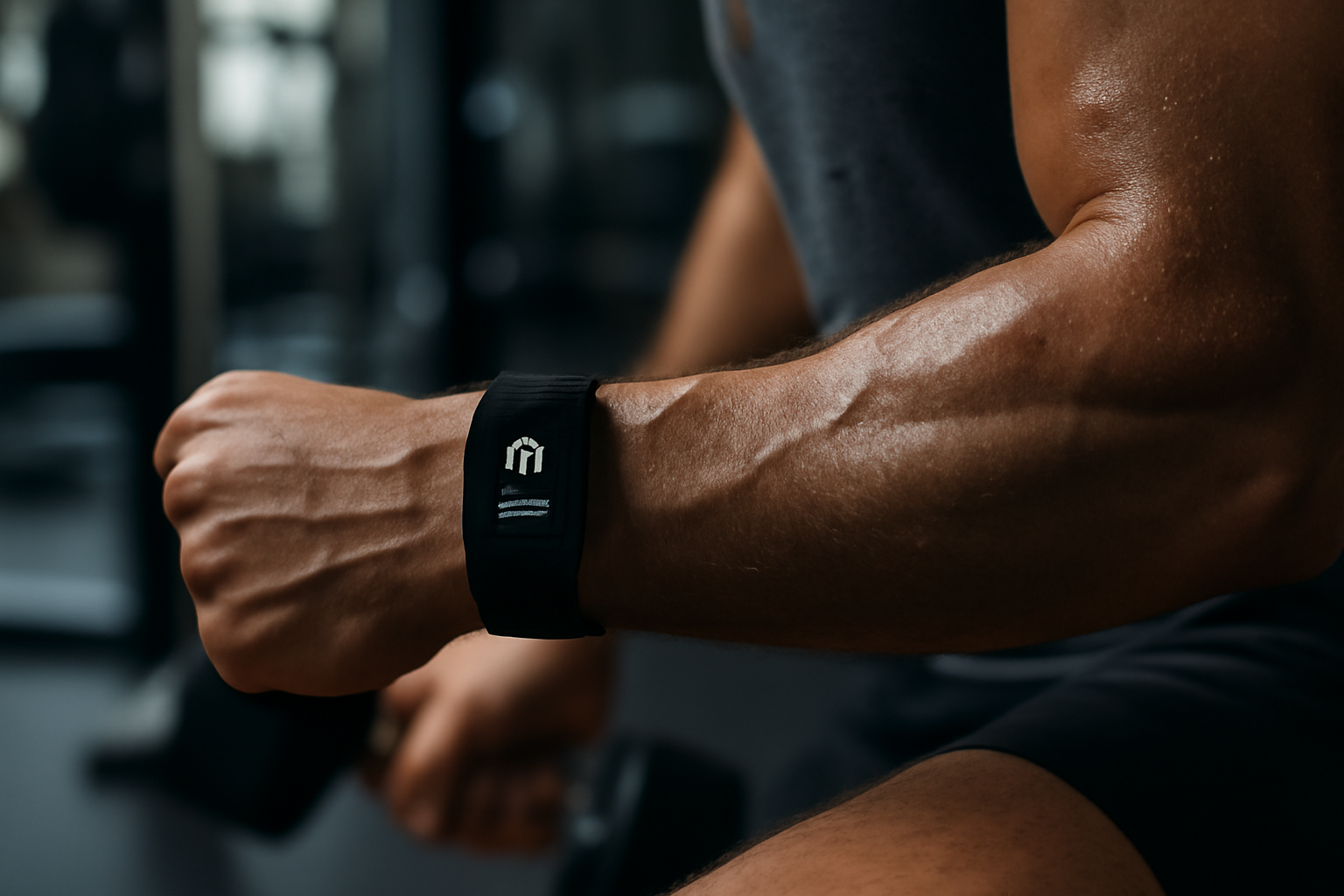
The packaging is minimal and clean. No gimmicks. The device itself is surprisingly small — far smaller than I expected. It sits flat against the wrist and doesn’t catch on a barbell knurling the way my old Garmin used to.
The band material feels premium. It’s soft, breathable, and doesn’t irritate my skin during sweaty training sessions or overnight wear. Sizing was straightforward. The fit guide in the app walked me through proper positioning — one to two finger-widths above the wrist bone — for optimal sensor contact.
There’s no screen. That was jarring at first. No step count staring back at me. No heart rate glancing during a set. Everything lives in the app. Honestly? That ended up being a feature, not a flaw. It removed the temptation to obsess mid-workout and forced me to review data with intention, not anxiety.
Battery life lived up to the 14-plus-day claim. In six months, I never once ran out of charge mid-day. The battery pack clips directly onto the sensor, so you can charge while wearing it. Genuinely useful during long training days or travel.
How I Tested the Whoop 4.0 Strap – My Exact Protocol
I wore the device continuously for 26 weeks. My training during that period followed a conjugate-style powerlifting program, four days per week. Here’s what a typical week looked like:
- Monday: Max effort lower — working up to a heavy single or triple in the squat or deadlift variation
- Tuesday: Max effort upper — heavy bench press or close-grip work, 3-5 rep range
- Thursday: Dynamic effort lower — 8×2 box squats at 60-65% of 1RM, deadlift pulls at 70%
- Friday: Dynamic effort upper — 8×3 speed bench at 55-60%, accessory pressing work
Accessory work ran 4-6 exercises per session — Romanian deadlifts, SSB squats, dumbbell rows, face pulls, tricep pushdowns. Volume was significant. I also tracked two 45-minute zone 2 cardio sessions per week on the assault bike.
Throughout this period, I logged every night’s sleep, tracked my daily strain score, and monitored my heart rate variability trends weekly. Specifically, I paid attention to how my recovery scores correlated with performance in the gym. I kept a training journal alongside the app data for cross-reference.
What Actually Changed After Six Months
The results genuinely surprised me — and I’m not easy to impress after this many years.
Sleep Quality Became Measurable
Within the first three weeks, I discovered I was averaging only 6 hours and 12 minutes of actual sleep — not time in bed, but restorative sleep. I thought I was getting closer to seven. That gap mattered enormously. As a result, I shifted my bedtime back by 45 minutes and reduced screen exposure after 9 PM.
By week eight, my sleep performance score was consistently hitting 80-plus percent. My deep sleep and REM percentages both increased. More importantly, my HRV — heart rate variability, a key recovery marker — climbed from a baseline average of 52 ms to 67 ms over three months. That’s a meaningful jump.
Training Decisions Got Smarter
On days when my recovery score was in the red — below 33 percent — I stopped forcing max effort sessions. Instead, I dropped intensity to 70-75% and focused on movement quality. That was a hard ego check. However, the gym performance data backed it up. My sessions on green recovery days were consistently better. PRs happened almost exclusively on those days.
In month four, I hit a 10-pound squat PR — 375 lbs — after a stretch of four consecutive high-recovery days. My training journal confirmed I’d had above-average sleep every night that week. Coincidence? Maybe once. But the pattern held throughout the entire six months.
The Personalized Coaching Feature
The WHOOP Peak – 12 Month Membership coaching insights are worth calling out specifically. The app doesn’t just show you data — it tells you what to do with it. After logging consistent late-night eating, it flagged that habit as negatively impacting my sleep consistency. I cut my last meal back by 90 minutes. Within two weeks, my sleep onset time improved noticeably.
The menstrual cycle tracking feature — while not relevant to me personally — became something I started recommending to female clients immediately. Several women I coach have since adopted the WHOOP Peak – 12 Month Membership – 24/7 Activity and Sleep Tracker, Personalized Coaching, Menstrual Cycle Insights – 14+ Days Battery Life specifically for that capability. Their feedback on training load management during different cycle phases has been outstanding.
The Downsides You Should Know Before Buying
I want to be straight with you here. This device is not perfect. There are legitimate limitations worth knowing before you spend the money.
The Subscription Model Is a Real Cost
WHOOP operates on a membership model. The hardware is essentially built into the subscription cost. That means you’re paying on an ongoing basis — not a one-time purchase. For some people, that’s a dealbreaker. If you want a wearable you buy once and own outright, this is not that product.
On the other hand, if you’re serious about performance and recovery data, the membership delivers ongoing value that a static device doesn’t. Weigh that honestly against your budget.
No GPS and No Screen
If you run outdoors and want live pace data, WHOOP is not your tool. There’s no built-in GPS. There’s also no display on the device itself. Everything requires the app. For gym-focused athletes, that’s fine. For outdoor endurance athletes who want real-time feedback on the go, it falls short.
My Moment of Doubt
Around week ten, I had three consecutive days of low recovery scores despite what felt like solid sleep. My body felt fine. I trained through it and had good sessions. That disconnect frustrated me. In fairness, WHOOP acknowledged this in its own coaching notes — HRV and recovery scores are one input, not the final word.
Use the data as a guide, not a rulebook. That mental shift made the device far more useful to me. Your subjective feel still matters.
Who This Is NOT For
- Casual gym-goers who train 2 days per week and aren’t serious about performance
- Anyone unwilling to engage with the app and act on the data
- Athletes who primarily train outdoors and need GPS functionality
- People who want a one-time hardware purchase with no ongoing cost
Final Verdict: Is the Whoop 4.0 Strap Worth It for Fitness?
After six months of daily use — through heavy conjugate training, assault bike cardio, travel, poor sleep weeks, and personal records — my verdict is clear. This device is worth it for the right person.
This Whoop 4.0 strap review fitness conclusion comes down to one question: are you serious enough about your training to act on data? If yes, the WHOOP Peak – 12 Month Membership – 24/7 Activity and Sleep Tracker, Personalized Coaching, Menstrual Cycle Insights – 14+ Days Battery Life will genuinely change how you train and recover. The HRV tracking, sleep staging accuracy, personalized coaching, and strain insights are best-in-class for what they do.
I went from guessing at Marcus’s recovery to having a framework I could point to with data. That alone was worth the price of admission. Six months in, I’m still wearing it every single day.
Buy it if: You train four or more days per week, prioritize performance, want to optimize sleep, or coach athletes who need recovery insights.
Skip it if: You train casually, don’t want a subscription, or need GPS and a screen for outdoor workouts.
The Runner-Up: WHOOP Life – 12 Month Membership
If the Peak tier feels like more than you need, consider the WHOOP Life – 12 Month Membership – 24/7 Activity and Sleep Tracker, Personalized Coaching, Menstrual Cycle Insights – 14+ Day Battery Life as a solid entry point. You still get the core tracking, sleep data, and personalized coaching features. The hardware is identical. However, you’ll access fewer advanced analytics and trend-depth features compared to the Peak tier. For newer athletes or those just getting started with wearable recovery data, it’s a reasonable starting point. That said, serious competitors will want the full capabilities that come with the Peak membership.