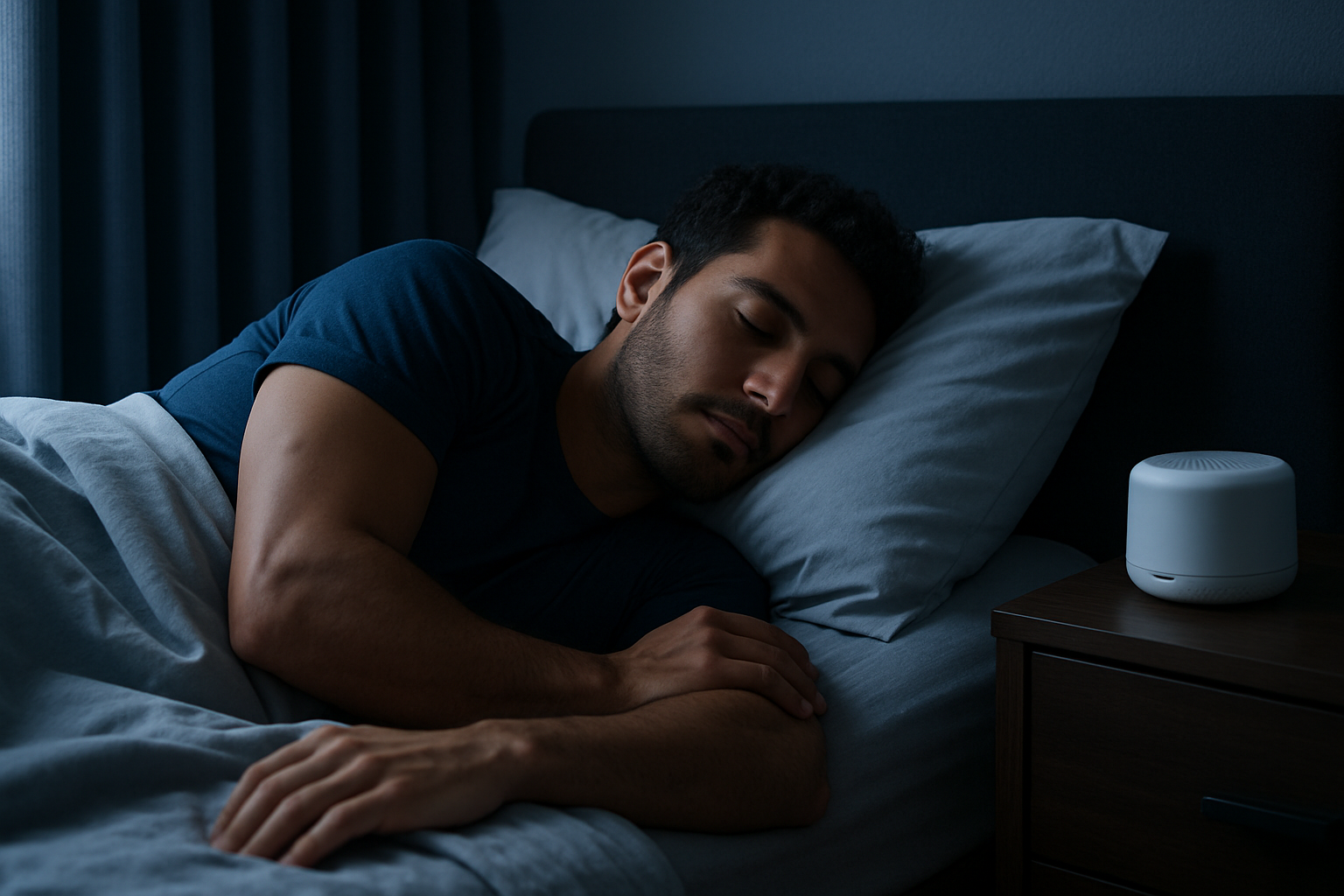
When I was running track in high school, our coach had one answer for everything: “run more miles.” It took me years to realize how wrong that approach was — and how much it mirrors what I see athletes and gym-goers doing today. You’re hitting the gym four times a week, dialing in your nutrition, and tracking every rep, but your results have stalled. Here’s what most people overlook: the sleep importance for workout recovery is not a minor detail — it’s the foundation everything else is built on. Just like I learned the hard way that more work isn’t always the answer, I’ve seen clients do everything “right” only to have their bodies refuse to respond, and nine times out of ten, sleep is the missing piece.
This post contains affiliate links. As an Amazon Associate, I earn from qualifying purchases. This means if you click a link and make a purchase, I may earn a small commission at no extra cost to you. I only recommend products I genuinely believe in.
Why Sleep Importance for Workout Recovery Is a Non-Negotiable
Let me be direct with you: your muscles do not grow in the gym. They grow while you sleep. When you lift weights or push through a tough cardio session, you’re actually creating tiny micro-tears in your muscle fibers. That sounds scary, but it’s a completely normal and necessary part of getting stronger. The real magic — the repair, the rebuilding, the adaptation — happens during sleep, specifically during deep sleep stages when your body releases human growth hormone (HGH).
HGH is the body’s natural repair crew. It signals your muscles to rebuild stronger than before, supports fat metabolism, and helps regulate your energy systems. Here’s the kicker: the majority of your daily HGH release happens during slow-wave sleep, which is the deep, restorative stage you hit roughly 30–60 minutes after falling asleep. Cut your sleep short, and you’re literally cutting off that repair process mid-job.
Research backs this up hard. A study published in the journal Sleep found that athletes who extended their sleep to 10 hours per night improved their sprint times, reaction times, and reported better overall mood and energy. On the flip side, sleep deprivation — even just a few nights of getting five or six hours — has been shown to increase cortisol levels (your primary stress hormone), reduce testosterone, impair protein synthesis, and slow reaction time. That’s basically the opposite of everything you’re training for.
What Happens to Your Body When You Don’t Sleep Enough
I want to get specific here because I think when people understand the “why,” they actually make the change. Here’s what poor sleep is doing to your fitness progress behind the scenes:
- Muscle breakdown increases. Without adequate sleep, your body releases more cortisol, which is catabolic — meaning it breaks down muscle tissue for energy instead of building it up.
- Fat loss slows down. Sleep deprivation disrupts leptin and ghrelin, two hormones that regulate hunger and satiety. You end up hungrier, less satisfied after meals, and more likely to reach for high-calorie foods.
- Performance tanks. Coordination, strength output, endurance, and mental focus all decline significantly with even moderate sleep loss. You can’t train hard if you can’t perform.
- Injury risk goes up. Fatigued muscles and slower reaction times are a recipe for poor form and avoidable injuries. I’ve seen this derail more training programs than almost anything else.
- Motivation crashes. Sleep deprivation directly affects dopamine receptors in the brain, which means your drive, reward response, and willpower take a serious hit.
If any of that sounds like what you’ve been experiencing, there’s a good chance your sleep needs some serious attention.
How to Actually Fix Your Sleep (Practical Steps That Work)
Okay, enough doom and gloom — let’s fix it. Here are the strategies I recommend to every client who wants to level up their recovery:
1. Lock In a Consistent Sleep Schedule
Your body runs on a circadian rhythm — think of it as an internal 24-hour clock that regulates when you feel awake and when you feel sleepy. The single most powerful thing you can do is go to bed and wake up at the same time every single day, including weekends. Yes, even weekends. Inconsistency is one of the biggest saboteurs of sleep quality.
2. Create a Dark, Quiet Sleep Environment
Light and noise are two of the biggest disruptors of deep sleep. Even small amounts of light can suppress melatonin production, which is the hormone your body uses to signal that it’s time to sleep. I recommend blackout curtains and a quality sleep mask to completely block out light. A white noise machine is also a game-changer for drowning out disruptive sounds that keep your brain from fully switching off.
3. Cut Screen Time Before Bed
Blue light from phones, tablets, and TVs suppresses melatonin production and tricks your brain into thinking it’s still daytime. Aim to put your devices down at least 30–60 minutes before bed. If you absolutely need to use your phone, enable the night mode or warm color filter.
4. Watch Your Pre-Bed Nutrition and Caffeine
Caffeine has a half-life of about five to seven hours, meaning if you drink a coffee at 3 PM, half of that caffeine is still in your system at 8–10 PM. Cut off caffeine by early afternoon. Also avoid large meals right before bed, which can disrupt sleep quality even if you fall asleep fine.
5. Keep Your Bedroom Cool
Your core body temperature naturally drops as you fall asleep. A cooler room — around 65–68°F (18–20°C) — supports this process and helps you fall asleep faster and stay in deeper sleep stages longer.
Products Worth Trying to Upgrade Your Sleep Setup
I’m a big believer that the right tools make habits easier to stick with. Here are a few products I actually recommend to help you build a better sleep environment:
White Noise Machines
If you live in a noisy area, share a space, or just find your brain won’t quiet down at night, a white noise machine is one of the best investments you can make for your recovery. The Magicteam Sound White Noise Machine offers 20 non-looping natural sounds, 32 volume levels, and a sleep timer — it’s simple, reliable, and effective. If you want something with a bit more versatility, the Sound Machine Night Light with Brown Noise gives you 30 non-looping sounds, a built-in night light with 12 color options, and multiple timer settings — great if you want one device doing a few jobs. For those who travel frequently or just want something portable, the