- Y O Gayo Premium Yoga Cork Mat — Sustainable, non-slip, with alignment guides. Great for yoga and mobility flows.
- MSPORTS Thick Yoga Mat — Extra-cushioned NBR foam mat with a strap for easy carrying. Ideal for floor stretching and Pilates on recovery days.
- Gogokiwi Extra Wide Yoga Mat — Big, thick, and cushioned. Perfect if you need room to move or have larger body proportions.
- Krightlink 5-in-1 Foam Roller Set — Full recovery kit including roller, massage ball, and resistance band. A great starter set.
What Is Active Recovery and Why Does It Work?
Active recovery is low-intensity movement performed on your rest days — think a gentle walk, light yoga, or easy cycling. The goal isn’t to build fitness; it’s to support your body’s repair process without adding more stress to already taxed muscles. And the science backs this up hard.
When you train hard, your muscles develop small micro-tears. Your body repairs those tears during rest, which is literally how you get stronger. But here’s the thing — complete stillness can actually slow that process down. Light movement increases blood flow to sore muscles, which helps flush out metabolic waste products like lactic acid and delivers fresh oxygen and nutrients to tissues that need to rebuild. A 2018 study published in the Journal of Strength and Conditioning Research found that active recovery reduced muscle soreness more effectively than passive rest alone. That’s not a small deal — that’s the difference between showing up to Monday’s workout feeling ready versus feeling like you got hit by a truck.
Active recovery also keeps your nervous system from going completely offline, which means your movement patterns and coordination stay sharp. Think of it like keeping a car engine warm instead of letting it go cold and then trying to rev it immediately.
Active Recovery Day Workouts: The Best Options by Goal
Not all active recovery looks the same, and the right choice depends on what you did during the week and what your body needs. Here’s how I break it down:
Yoga and Mobility Work
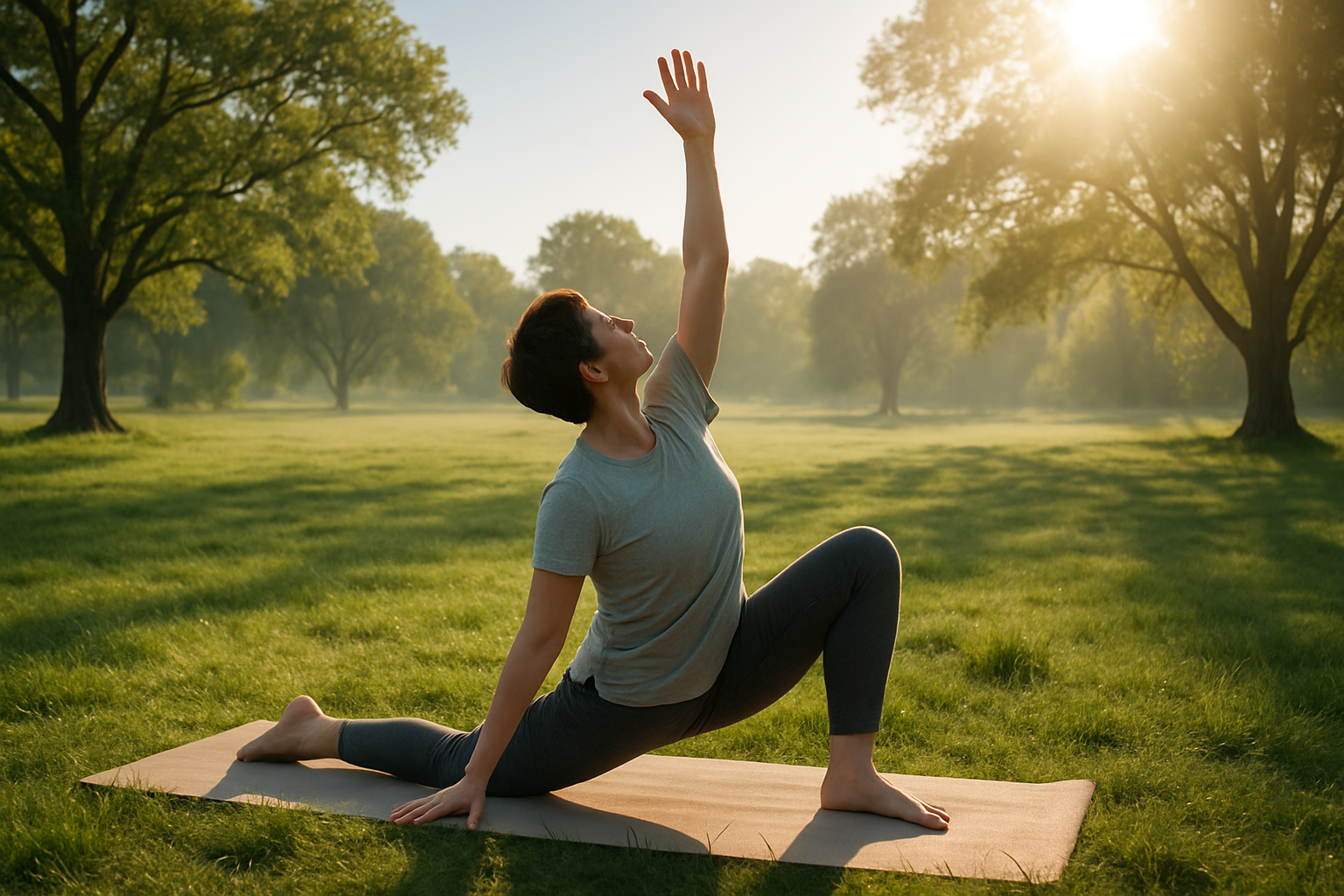
This is my go-to recommendation for most people. A 20–40 minute yoga or mobility session improves flexibility, reduces muscle tension, and calms the nervous system — all things that make your next hard session better. Focus on hip openers, spinal twists, hamstring stretches, and shoulder mobility. Keep intensity low; this isn’t hot yoga with a PR on your mind.
For this kind of work, having the right mat makes a real difference. I like the Y O Gayo Premium Yoga Cork Mat — it has a natural tree rubber base that gives you solid grip even when things get sweaty, and the alignment lines are genuinely helpful if you’re learning proper positioning. Cork also has natural antimicrobial properties, which is a bonus. If you want something with serious cushioning for floor-based stretching or mobility drills, the Gogokiwi Extra Wide Yoga Mat at 72″ x 36″ gives you plenty of real estate and half an inch of cushion to protect your joints.
Foam Rolling and Self-Myofascial Release
Foam rolling — also called self-myofascial release (SMR) — involves applying pressure to tight spots in your muscles and connective tissue to reduce tension and improve range of motion. Spend 10–15 minutes rolling through your quads, IT band, glutes, lats, and upper back. Move slowly, pause on tender spots for 20–30 seconds, and breathe through it.
Two foam roller sets I recommend depending on your budget: the Krightlink 5-in-1 Foam Roller Set comes with a high-density roller, massage ball, resistance band, and a carry bag — it’s a solid all-in-one kit for physical therapy and recovery work. If you want even more variety, the Foam Roller Set with Muscle Roller Stick, Massage Balls, and Stretching Strap covers your whole body from plantar fascia to upper traps. Seriously — deep tissue work on rest days pays dividends on training days.
Walking
Don’t underestimate a 20–45 minute walk. It’s low impact, gets blood moving through your legs, and has documented benefits for mood and stress reduction — both of which affect recovery. Keep pace conversational; you should be able to hold a full sentence without gasping.
Swimming or Light Cycling
Water is incredibly therapeutic for sore muscles — the hydrostatic pressure actually acts like a full-body compression sleeve. Easy laps or water walking are excellent options. Light cycling at low resistance (think leisurely bike ride, not spin class) works the same way — it keeps the legs moving without loading them heavily.
Gear I Recommend for Active Recovery Days
You don’t need much for active recovery, but having the right tools makes it more likely you’ll actually do it. Here’s what I keep on hand:
- Y O Gayo Premium Yoga Cork Mat — Sustainable, non-slip, with alignment guides. Great for yoga and mobility flows.
- MSPORTS Thick Yoga Mat — Extra-cushioned NBR foam mat with a strap for easy carrying. Ideal for floor stretching and Pilates on recovery days.
- Gogokiwi Extra Wide Yoga Mat — Big, thick, and cushioned. Perfect if you need room to move or have larger body proportions.
- Krightlink 5-in-1 Foam Roller Set — Full recovery kit including roller, massage ball, and resistance band. A great starter set.
Tag: recovery training
-
Active Recovery Days: What to Do on Rest Days to Come Back Stronger