- Minutes 1–2: Light hip circles and leg swings to warm up the joint before you stretch.
- Minutes 3–6: 90/90 lunge stretch, 60 seconds each side.
Junior year of college, I was grinding through pre-med coursework and training at the same time, which meant every minute in the gym had to count — and nothing derailed a session faster than that stubborn, deep pull in the front of my hip that showed up whether I was squatting heavy or just standing up from the library chair. I tried stretching, foam rolling, even added a yoga class I definitely didn’t have time for, and still nothing really changed. That frustration pushed me to actually dig into why hip flexors get so chronically tight — and more importantly, what it takes to create lasting relief instead of just temporary comfort. If you’re in that same cycle of stretching without real results, I’m going to walk you through exactly which hip flexor stretches are backed by real outcomes, and the simple tools that make them significantly more effective.
This post contains affiliate links. As an Amazon Associate, I earn from qualifying purchases. This helps keep the lights on at WorkoutAnswers.com — and I only recommend gear I’d actually use myself.
Why Your Hip Flexors Are Always Tight (Even When You Stretch)
Here’s the thing most people miss: stretching a muscle that’s both tight and weak is like pulling on a rubber band that’s already fraying. Your hip flexors — primarily the psoas major and iliacus (together called the iliopsoas) and the rectus femoris — are designed to lift your knee and flex your trunk toward your thigh. When you sit for long periods, these muscles stay shortened. Over time, the nervous system actually “learns” that shortened position as the new normal, which is why passive stretching alone often doesn’t cut it.
The solution isn’t to stretch harder. It’s to stretch smarter — combining lengthening with light activation so your body learns to accept and own that new range of motion. That’s the principle behind everything I’m recommending below.
Hip Flexor Stretches That Work: The Core Four
1. The 90/90 Hip Flexor Lunge Stretch
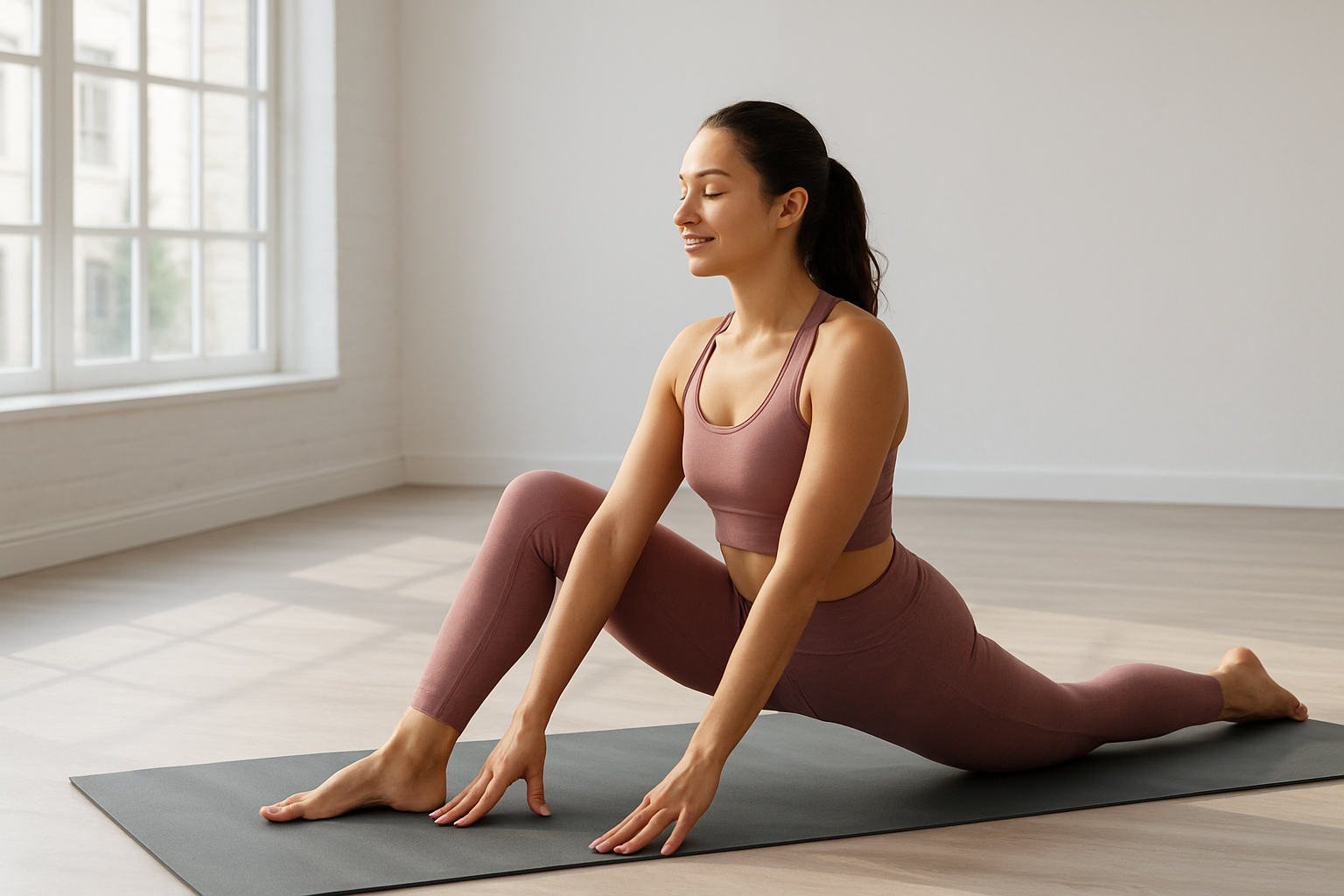
This is your bread and butter. Drop into a half-kneeling position — one knee on the floor, the other foot planted in front at 90 degrees. Tuck your pelvis slightly (think: gently squeezing the glute of the back leg) and shift your hips forward until you feel a deep stretch along the front of that back hip. Hold for 45–60 seconds. That posterior pelvic tilt is critical — without it, you’re just arching your lower back instead of actually lengthening the psoas.
2. The Couch Stretch
This one earned its name from being done against a couch, but a wall works just as well. Bring your shin up against a wall or elevated surface behind you while your front foot is planted. It’s intense, and that’s the point — it targets the rectus femoris (the part of your quad that also crosses the hip) in a way most stretches completely skip. Start with 30 seconds and build from there.
3. Supine Hip Flexor Stretch with Strap Assist
Lie on your back, loop a stretch strap around one foot, and extend that leg straight up. Lower the opposite leg flat on the floor — or as close as you can get. The goal is to keep that bottom leg pressed down; if it floats up, your hip flexor is telling you exactly where the tightness lives. A quality strap lets you gradually coax the leg down without yanking, which keeps you safe and in control. I’ll get to the tools I recommend in just a moment.
4. Active Hip Flexor Release with Resistance
This one bridges the gap between stretching and strengthening. Using a hip flexor training strap anchored to a door, you can perform slow, controlled hip flexion and extension against light resistance. This teaches your hip flexors to generate force through their full range — which is how you lock in the gains from passive stretching. Think of it as teaching your body to “own” the new length you’ve worked hard for.
Gear I Recommend for Getting the Most Out of These Stretches
You don’t need a fully stocked gym. You need a few smart tools that make the right positions easier to get into and hold. Here’s what I actually use and recommend:
- For block-supported lunges and couch stretch variations: The Gaiam Essentials Yoga Block 2 Pack & Yoga Strap Set gives you both blocks and a strap in one affordable bundle. Placing a block under your back knee during half-kneeling stretches immediately reduces joint pressure and lets you focus on the stretch instead of discomfort.
- For a complete beginner or home workout setup: The Simgoing 14-Piece Yoga Kit includes blocks, a strap, resistance bands, a massage lacrosse ball, a knee pad, and more. If you’re building out a home mobility routine from scratch, this kit covers almost everything you need at a price that makes sense.
- For dancers, gymnasts, or anyone who wants guided stretching: These Non-Slip EVA Foam Yoga Blocks with Strap and Guide come with a stretching guide included, which is great if you’re newer to mobility work and want direction on form and sequencing.
- For the supine strap stretch and general flexibility work: The Trideer Stretching Strap with 10 Loops is one of my favorites for controlled, progressive flexibility work. The multiple loops mean you can gradually inch your hand position closer as your range improves — it’s basically a built-in progress tracker.
- For active resistance work on the hip flexors: The Hip Flexor Training Strap with Door Anchor and Resistance Bands is specifically designed for hip flexor strengthening and mobility work. This is the tool that takes you from “I stretched today” to “my hips are actually changing.”
How to Put It All Together: A Simple Daily Routine
You don’t need an hour. Ten to fifteen minutes done consistently beats an hour once a week every single time. Here’s a simple structure you can follow:
- Minutes 1–2: Light hip circles and leg swings to warm up the joint before you stretch.
- Minutes 3–6: 90/90 lunge stretch, 60 seconds each side.
Tag: hip stretch routine
-
Hip Flexor Stretches That Actually Work (And the Tools That Make Them Better)