- The Yes4All Tricep Rope (27″) isn’t just for triceps — it’s the go-to attachment for cable crunches, one of the most effective weighted ab exercises you can do. Grab it, kneel down, and crunch that resistance. Your rectus abdominis will thank you later.
- The
Core Strength vs Core Stability: They’re Not the Same Thing
Let me break this down simply. Core strength is about how much force your core muscles can produce. Think crunches, leg raises, cable crunches — exercises where you’re actively contracting your abs to move something. You’re generating power. Bodybuilders love this approach because visible muscle hypertrophy (muscle growth) is the goal. A bigger, thicker rectus abdominis — that’s the “six-pack” muscle — is the prize.
Core stability, on the other hand, is your core’s ability to resist movement and maintain a neutral spine under load or during dynamic activity. We’re talking about the deep muscles: the transverse abdominis, multifidus, internal obliques, and pelvic floor. These muscles don’t show up on Instagram, but they are the reason a linebacker can absorb a hit and a marathon runner doesn’t collapse by mile 20. Stability is about control, not contraction.
Both matter. But athletes and bodybuilders prioritize them differently — and for very good reasons.
Why Athletes Train Core Stability First
If you play any sport — or just want to move well and stay injury-free — core stability is your foundation. Research published in the Journal of Athletic Training has consistently shown that poor core stability is a major risk factor for lower back injuries and lower extremity injuries like ACL tears. Your spine needs a stable base before it can transfer power efficiently to your arms and legs.
Think about a quarterback throwing a pass. His legs generate force, his hips rotate, and that energy travels up through his core to his arm. If his core isn’t stable, that energy leaks out. He loses velocity, accuracy, and over time, he’s going to get hurt. The same concept applies whether you’re swinging a tennis racket, sprinting, or even just picking up a heavy grocery bag.
Athletic core stability training looks like this:
- Dead bugs (controlling limb movement while keeping the spine glued to the floor)
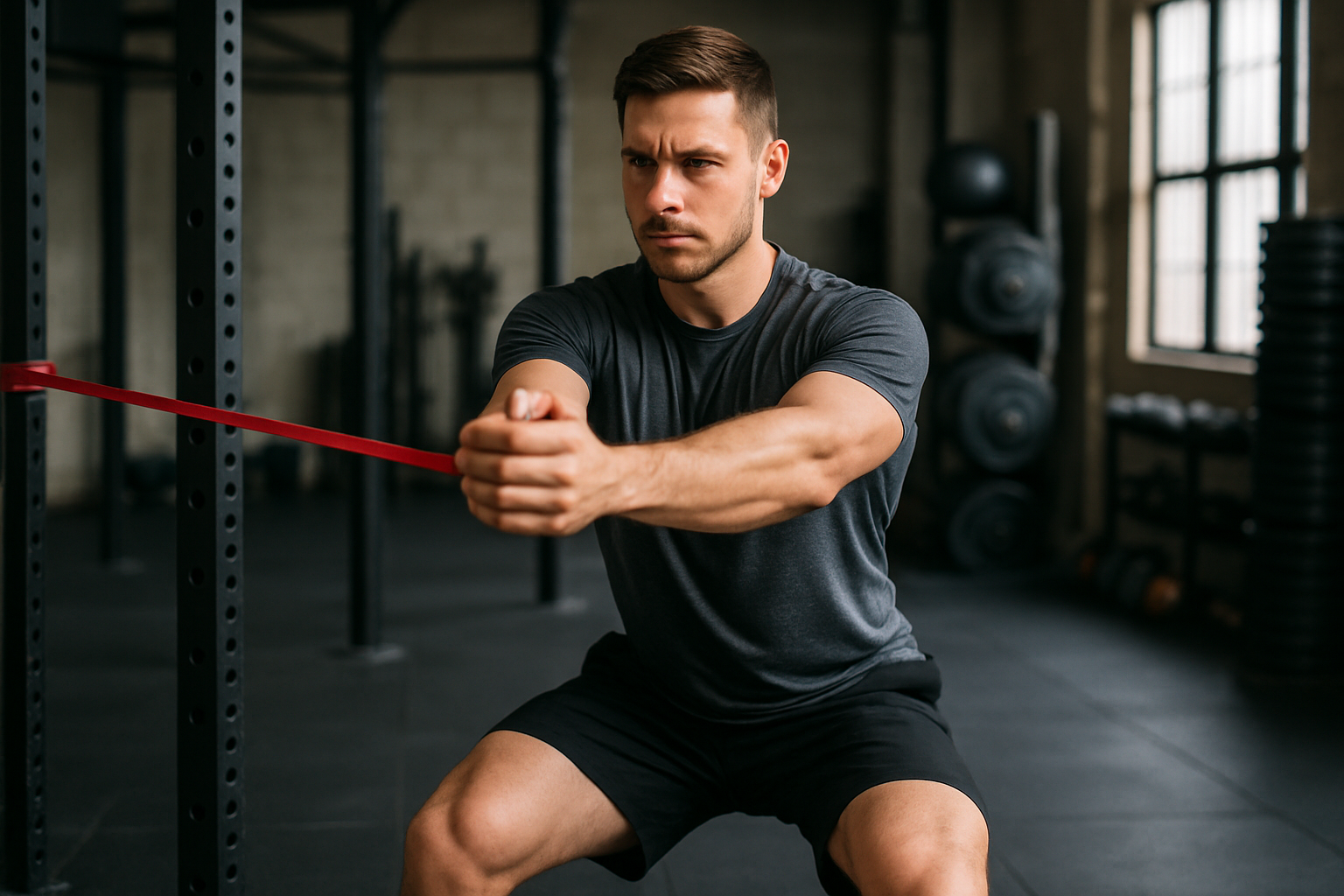
- Pallof press (resisting rotational force from a cable machine)
- Single-leg exercises that challenge balance
- Stability ball exercises that force your deep core to engage constantly
- Anti-rotation and anti-flexion holds
Notice the theme: the core is working to prevent movement, not create it. That’s the key distinction.
Why Bodybuilders Train Core Strength Differently
Bodybuilders aren’t wrong — they’re just playing a different game. When the goal is maximum muscle size and definition, you need to create mechanical tension and metabolic stress in the target muscles. That means moving through a full range of motion against resistance. Cable crunches, rope crunches, hanging leg raises, and weighted sit-ups all fit the bill perfectly.
The rectus abdominis responds to progressive overload just like your chest or biceps. You have to challenge it with increasing resistance over time if you want it to grow. Stability work alone won’t give you that thickness — you need direct, loaded flexion work for hypertrophy.
That said, even bodybuilders benefit from a stability foundation. You can’t load a weak, unstable core safely. Build the stability first, then layer the strength and hypertrophy work on top. That’s the smart sequence regardless of your goal.
Gear I Recommend for Core Stability and Strength Training
Whether you’re training for performance or aesthetics, having the right tools makes a real difference. Here’s what I actually use and recommend:
Stability Balls — The Ultimate Core Stability Tool
A good stability ball is one of the most versatile pieces of core equipment you can own. It forces your deep stabilizers to fire constantly, turning even basic movements into serious stability challenges. I’ve used several brands and these three stand out:
- The Core Balance Exercise Ball (55cm, Teal) is anti-burst and slip-resistant, comes with a pump, and works great for stability training, physical therapy movements, and even pregnancy-safe exercises. Solid all-around choice.
- The GalSports Anti-Burst Stability Ball is another excellent option built for home gym and physical therapy use. It’s durable, holds pressure well, and the slip-resistant surface gives you confidence during dynamic movements.
- If you want something gym-grade, the ProBody Pilates Exercise Ball (65cm, Blue) is a fan favorite. It comes in multiple sizes, works as a balance ball chair, and handles serious fitness, yoga, and therapy work without hesitation.
Cable Attachments for Core Strength Work
For the strength and hypertrophy side of core training, a cable machine is your best friend. These attachments make your cable work far more effective:
- The Yes4All Tricep Rope (27″) isn’t just for triceps — it’s the go-to attachment for cable crunches, one of the most effective weighted ab exercises you can do. Grab it, kneel down, and crunch that resistance. Your rectus abdominis will thank you later.
- The
Tag: athlete core training
-
Core Stability vs Core Strength: Why Athletes Train Differently Than Bodybuilders